
Building Carbon-Rich Soil Through Composting
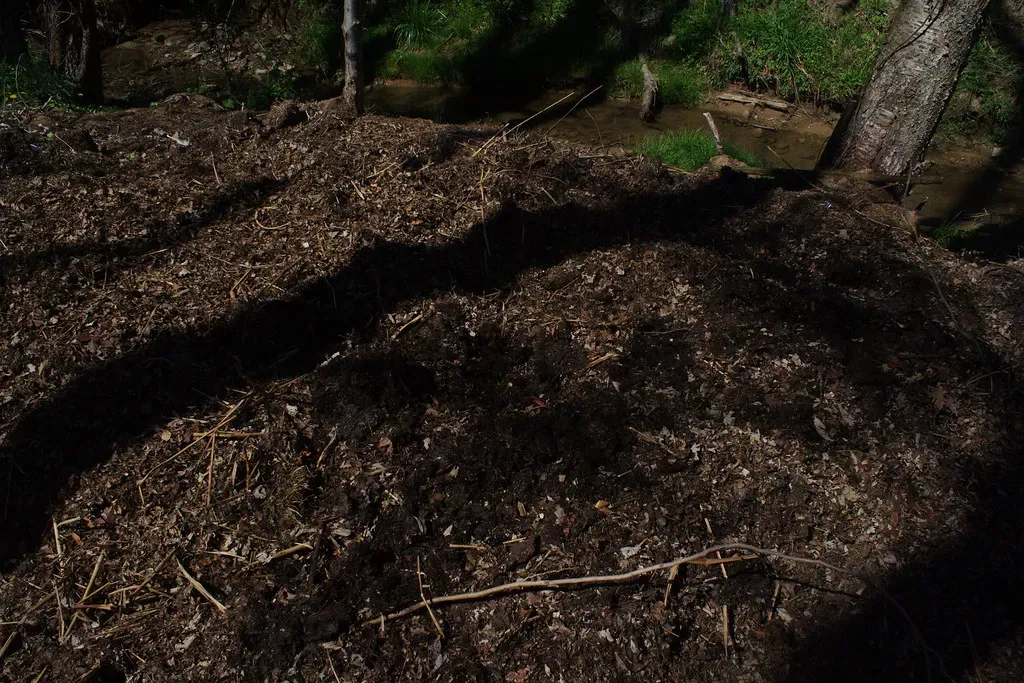
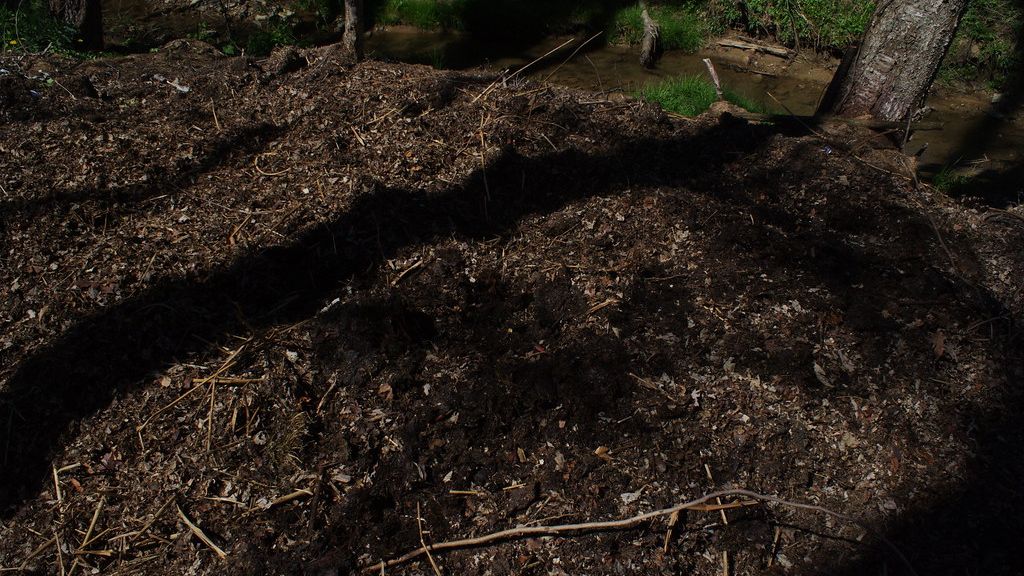
Soil is actually the second largest carbon pool on Earth after oceans, which makes what you do in your backyard more important than you might realize. When you compost kitchen scraps and yard waste, you’re not just reducing trash. You’re literally feeding the soil with carbon that would otherwise end up as landfill methane.
In the United States, food is the single most common material sent to landfills, comprising roughly a quarter of municipal solid waste. Here’s the thing: nearly half of household waste could be diverted through home composting, according to EPA data from 2023.
The transformation happens naturally when nitrogen-rich food scraps mix with carbon materials like dry leaves and wood chips. What emerges is nutrient-dense humus that holds moisture and feeds beneficial microorganisms. Healthy compost doesn’t need fancy bins or complex systems.
Native Plants Slash Water Demands
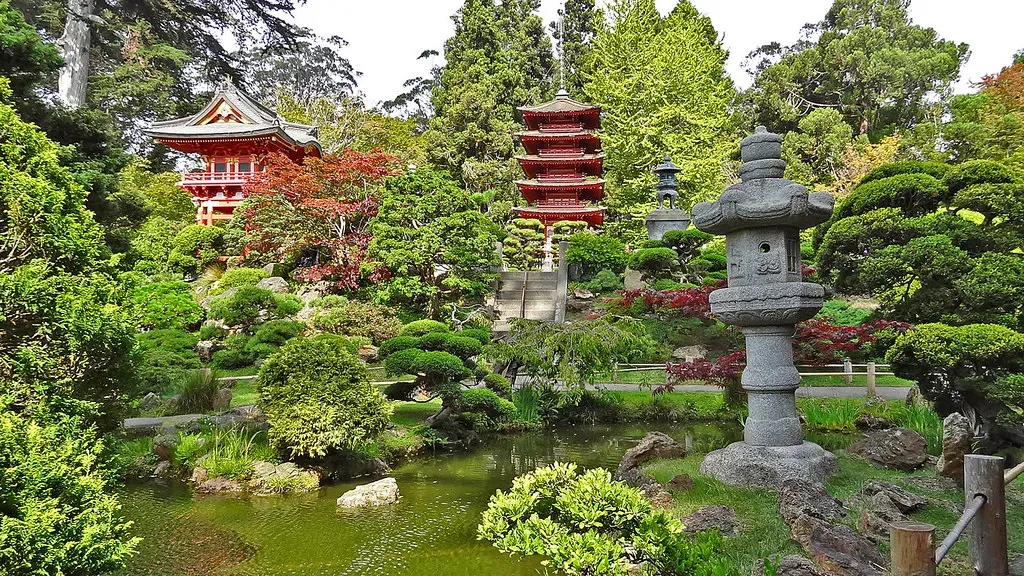
Switching to native plants might be one of the smartest water-saving decisions you’ll ever make for your garden. Once these plants establish their root systems, they need dramatically less irrigation than ornamental species brought in from other regions.
Native plants require little supplemental watering aside from normal rainfall while still looking lush. Think about it: these species evolved over thousands of years to thrive in your local climate and soil conditions. They already know how to survive summer droughts and winter freezes without constant human intervention.
Research from various garden studies shows native landscapes can reduce water use by more than half compared to traditional turf. The deep root systems do more than conserve water; they also improve soil structure and prevent erosion. Let’s be real, who doesn’t want a beautiful garden that practically takes care of itself?
Mulch as Nature’s Moisture Lock
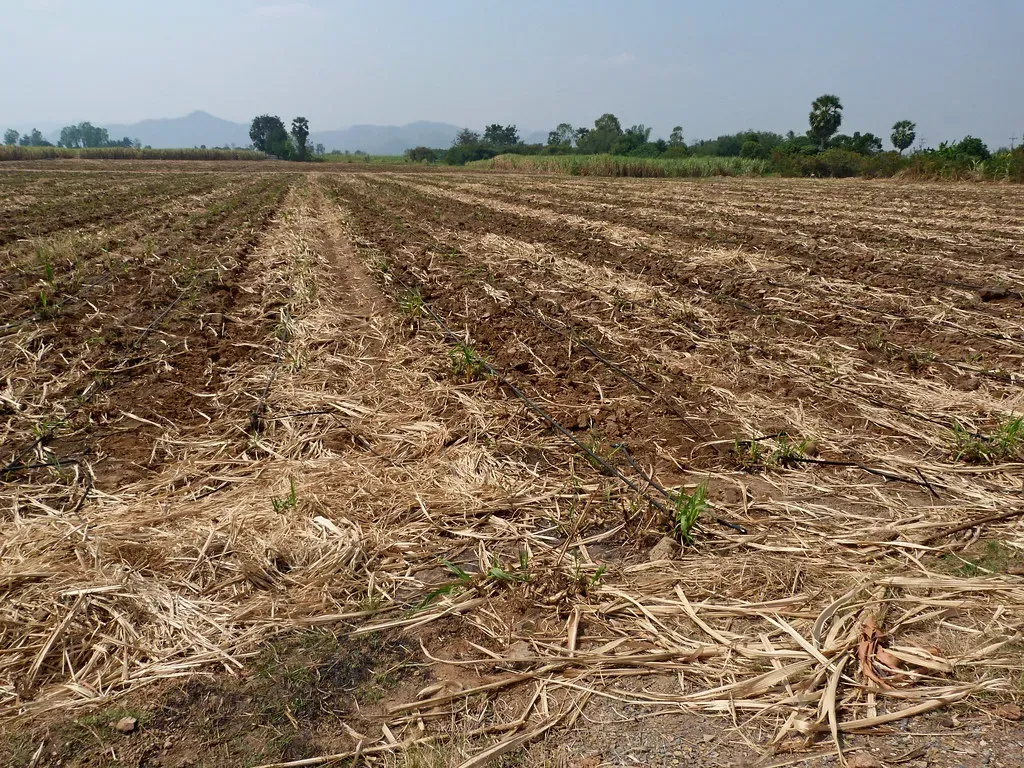
Mulch helps retain soil moisture and reduces evaporation from the soil surface by 25 to 50 percent. That’s a massive reduction in water loss, especially during hot summer months when every drop counts. Organic mulches like wood chips, shredded bark, or even dried leaves create a protective blanket over bare soil.
Colorado State University research from 2024 revealed something fascinating about organic mulch performance. The material doesn’t just block evaporation; it also moderates soil temperature extremes and suppresses weed germination. Three to four inches of mulch delivers optimal results for most garden beds.
Honestly, mulching is one of those tasks that seems almost too simple to be effective. Yet season after season, mulched gardens consistently outperform bare soil plantings in both plant health and water efficiency.
Pollinator Gardens Boost Food Production
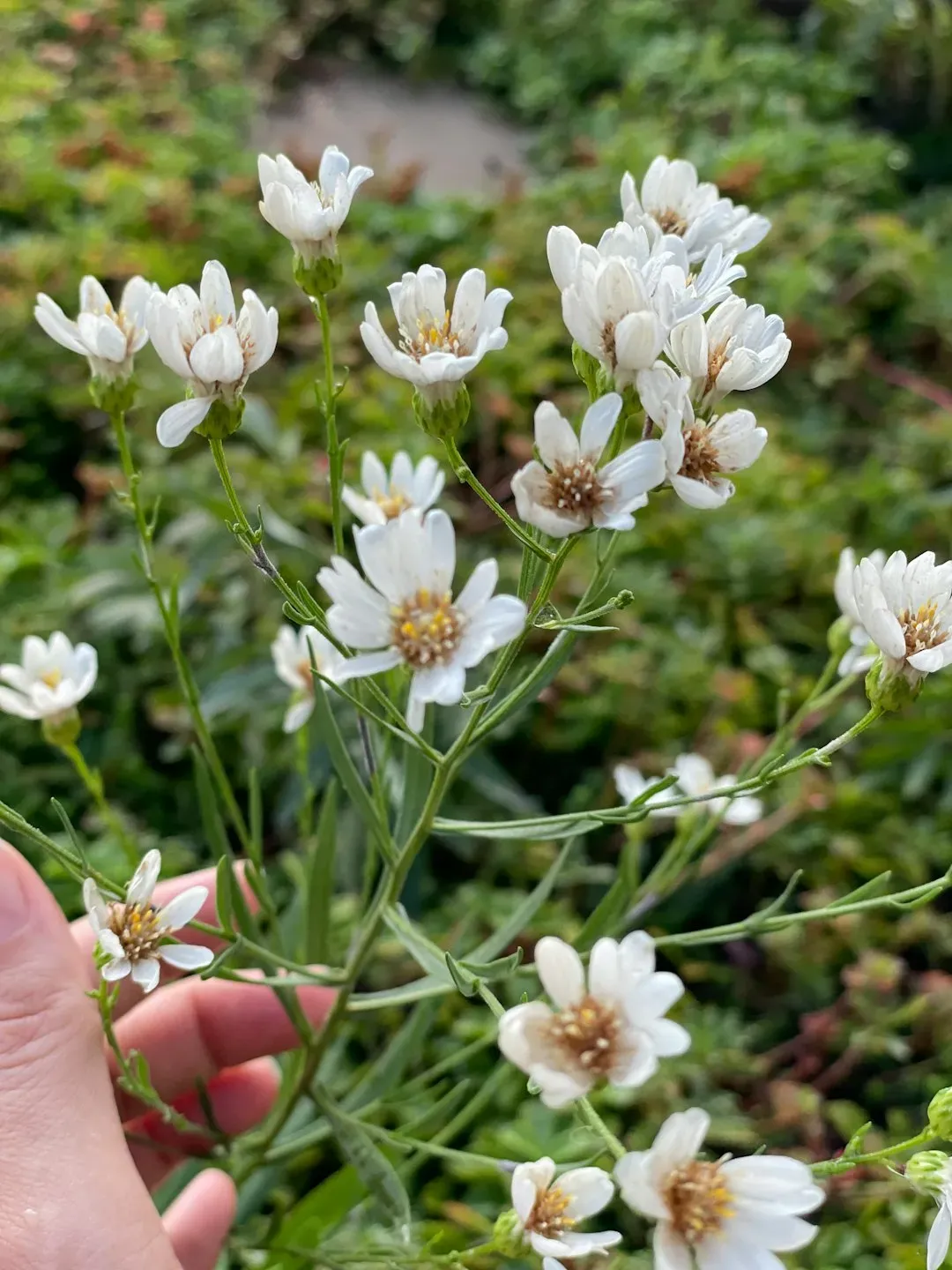
Gardens designed specifically for pollinators do something remarkable beyond supporting bees and butterflies. Research from 2019 found that residential gardens and allotments are pollinator hotspots, with allotments showing particularly high pollinator diversity. These pollinator-friendly spaces directly improve yields in nearby vegetable gardens and fruit trees.
When you plant a variety of flowering species that bloom throughout the growing season, you create what ecologists call temporal resource availability. Different pollinators visit at different times of day and prefer different flower shapes and colors. Diversity matters more than you might guess.
Native wildflowers, herbs like lavender and borage, and even plants we often consider weeds such as dandelions and thistles all support pollinator health. The connection between pollinator abundance and crop productivity has been demonstrated repeatedly in scientific studies across multiple continents.
Eliminating Chemical Pesticides
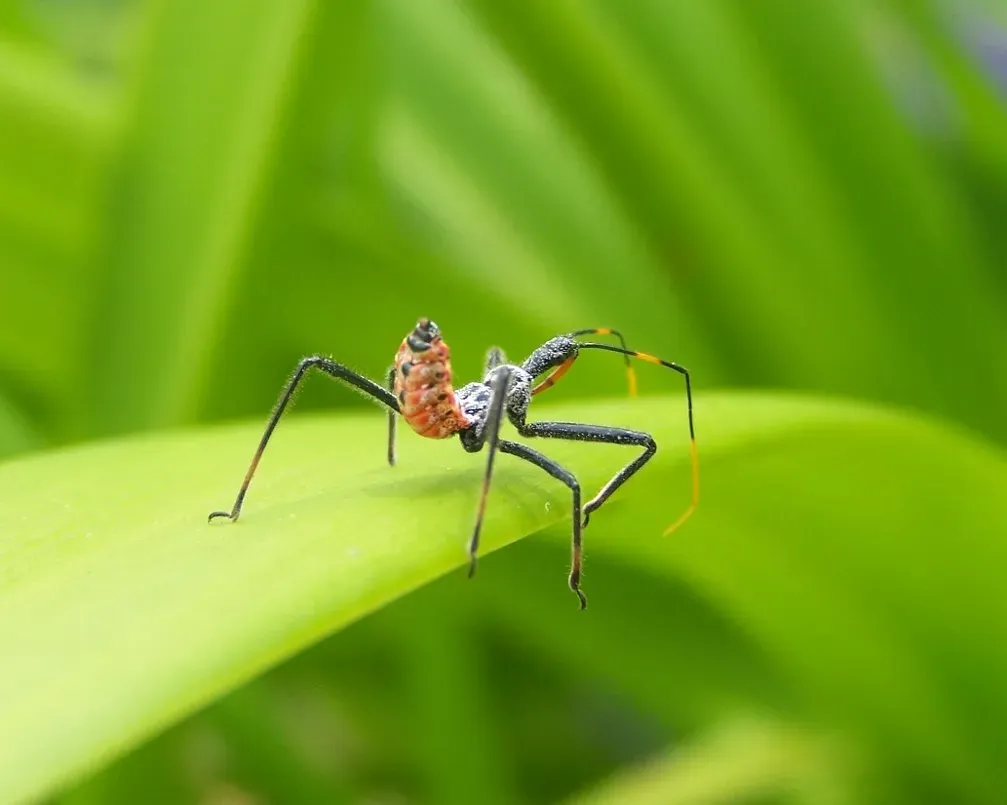
Chemical pesticides harm more than just the pests you’re targeting. European research from 2024 confirmed that even low-level pesticide exposure negatively affects beneficial insects including bees, butterflies, and critical soil organisms. These creatures form the foundation of a healthy garden ecosystem.
The alternative isn’t accepting total pest damage. Integrated pest management relies on encouraging natural predators, using physical barriers, and selecting disease-resistant plant varieties. When beneficial insects thrive in your garden, they handle pest control naturally and more sustainably than any chemical spray.
Many gardeners discover that diverse plantings reduce pest problems dramatically. Monocultures practically invite insect outbreaks, while mixed species confuse and disrupt pest breeding cycles. It’s hard to say for sure, but chemical-free gardens often end up requiring less intervention overall, not more.
Capturing Rainwater for Garden Irrigation
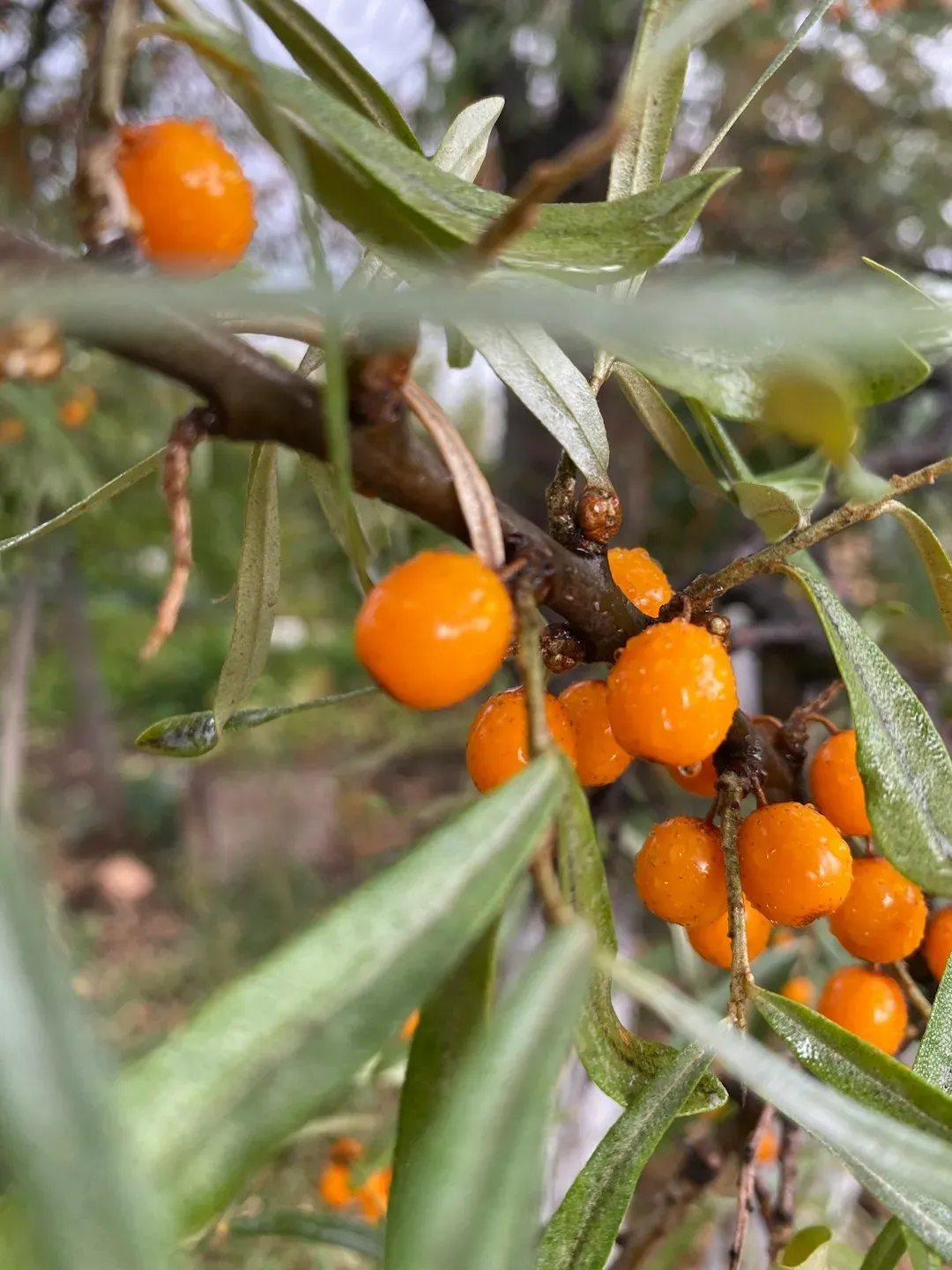
Rainwater harvesting transforms rooftops into water collection zones, capturing precipitation that would otherwise flow straight into storm drains. According to World Resources Institute findings from 2023, residential rainwater capture can reduce outdoor municipal water demand by roughly one-third to more than half, depending on local rainfall patterns.
Simple rain barrels connected to downspouts offer the easiest entry point for most homeowners. More elaborate systems incorporate multiple storage tanks, filtration, and gravity-fed or pump-assisted distribution. The collected water is chlorine-free, making it gentler on plants than treated tap water.
Beyond water conservation, rainwater harvesting reduces runoff pollution and helps prevent localized flooding during heavy storms. The initial setup cost typically pays for itself within a few growing seasons through reduced water bills.
Plant Diversity as Natural Pest Defense
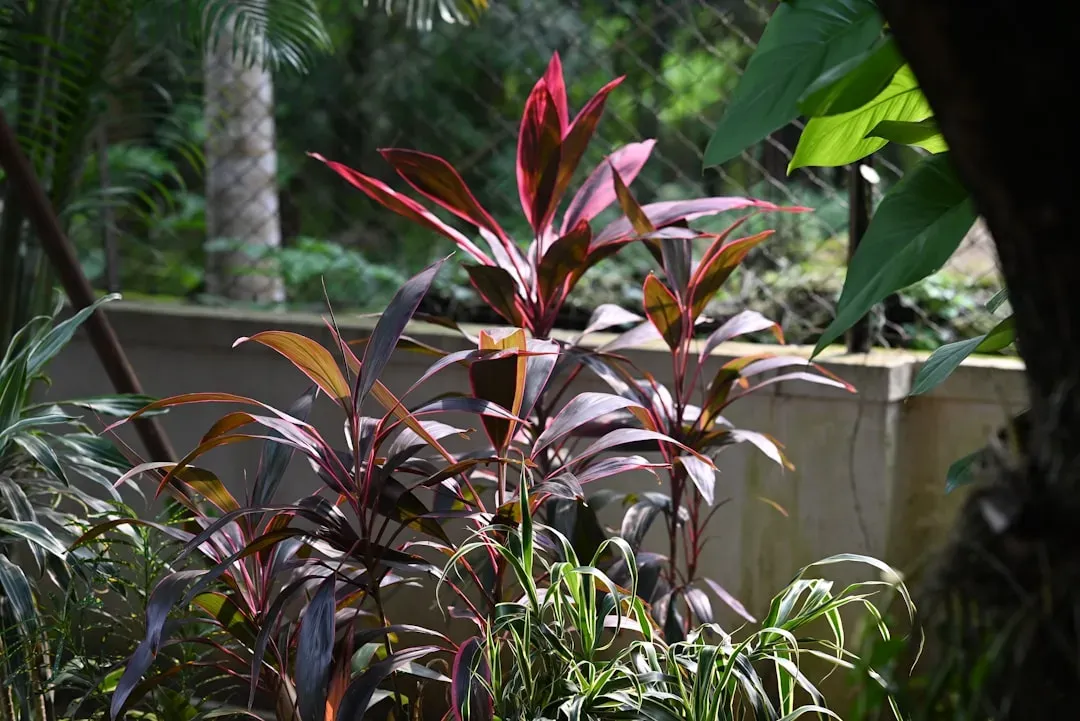
Pest outbreaks tend to be far less severe in gardens with high plant diversity. A 2024 study from UC Agriculture and Natural Resources demonstrated that varied plant species naturally disrupt insect breeding cycles and reproduction patterns. Monocultures, by contrast, create ideal conditions for rapid pest population explosions.
Companion planting takes this principle even further by pairing species that support each other. Aromatic herbs planted among vegetables can confuse pest insects searching for host plants. Flowering plants interspersed throughout edible gardens attract predatory insects that feed on common pests.
The concept mimics natural ecosystems, where you rarely find large stands of a single plant species. Diversity creates resilience, and resilient gardens require fewer interventions whether chemical or organic.
Raised Beds Improve Yields
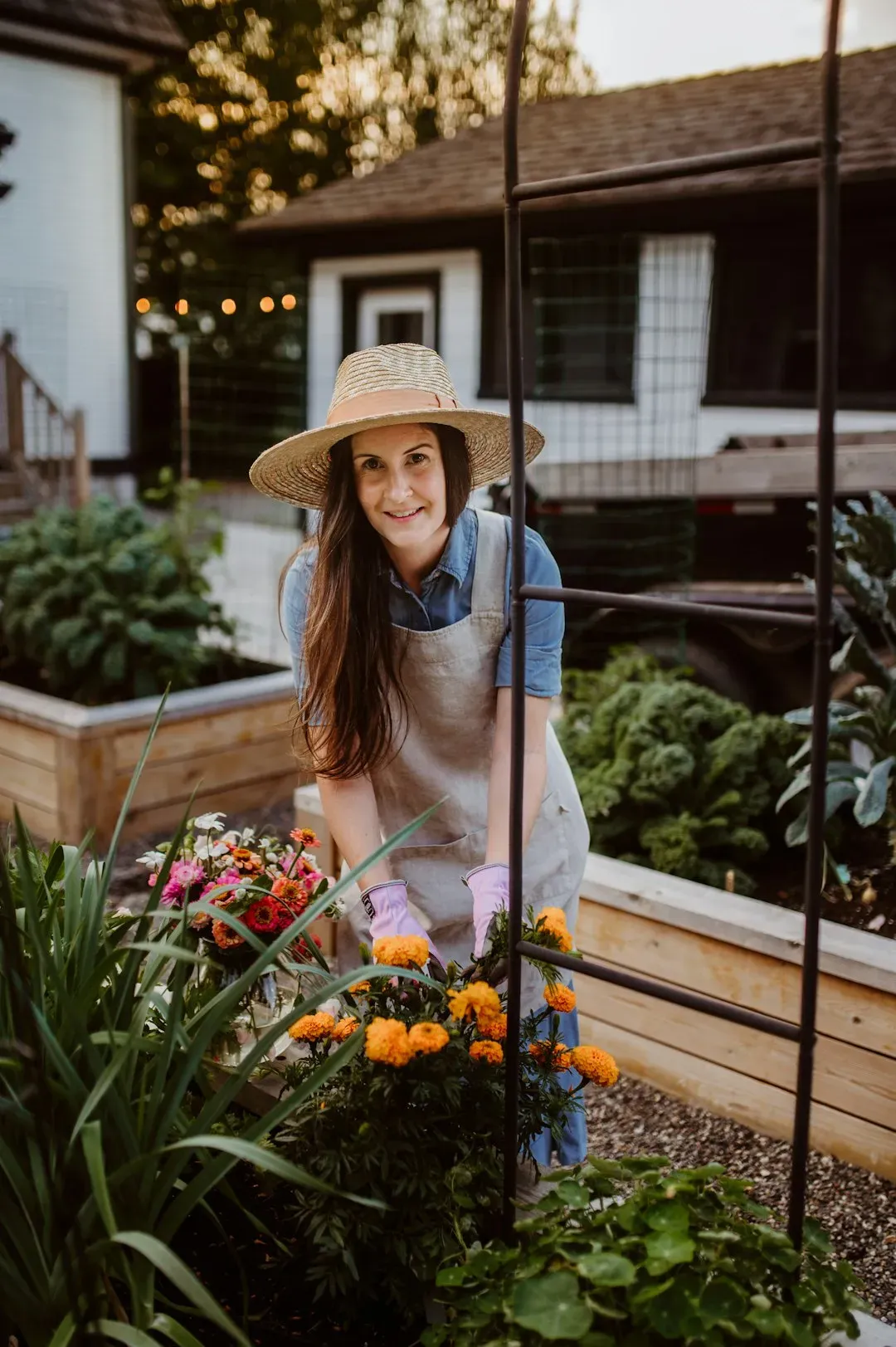
Raised garden beds offer exceptional control over soil quality, drainage, and growing conditions. Research from Texas A&M AgriLife Extension documented in 2023 shows raised beds consistently produce higher yields compared to traditional in-ground gardens, largely due to improved drainage and enhanced root development.
The elevated structure warms up faster in spring, extending the growing season on both ends. Soil in raised beds doesn’t get compacted by foot traffic, maintaining better air and water movement through the root zone. You can also customize the soil blend to perfectly match your plants’ needs.
Building raised beds requires upfront investment in materials and soil, but the long-term productivity gains justify the cost. The beds also make gardening more accessible for people with mobility limitations since they eliminate the need for ground-level bending and kneeling.
Sustainable Gardening Enhances Mental Well-Being
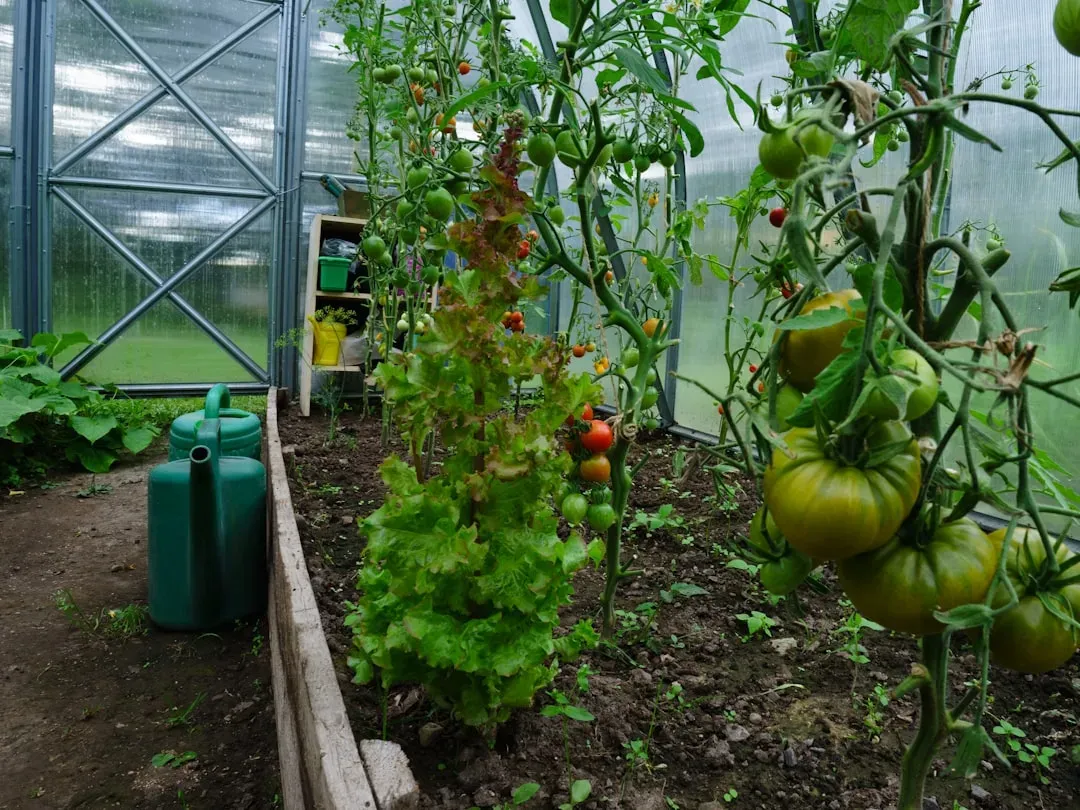
The benefits of sustainable gardening extend beyond environmental impact into personal health territory. A comprehensive 2025 review published in Frontiers in Psychology established clear connections between regular gardening activities and measurable improvements in mental health outcomes including reduced stress and elevated mood.
There’s something deeply satisfying about working with soil, nurturing plants from seed to harvest, and observing seasonal changes in a garden you’ve created. The physical activity provides gentle exercise without the repetitive strain of gym workouts. Time spent outdoors in green spaces consistently shows positive effects on psychological well-being.
Sustainable gardening specifically amplifies these benefits by fostering a stronger connection to natural cycles and ecological processes. When you compost, save seeds, and work with native plants, you become part of the ecosystem rather than merely managing it. That sense of participation and purpose matters more than people often realize.
The Long-Term Vision for Your Garden
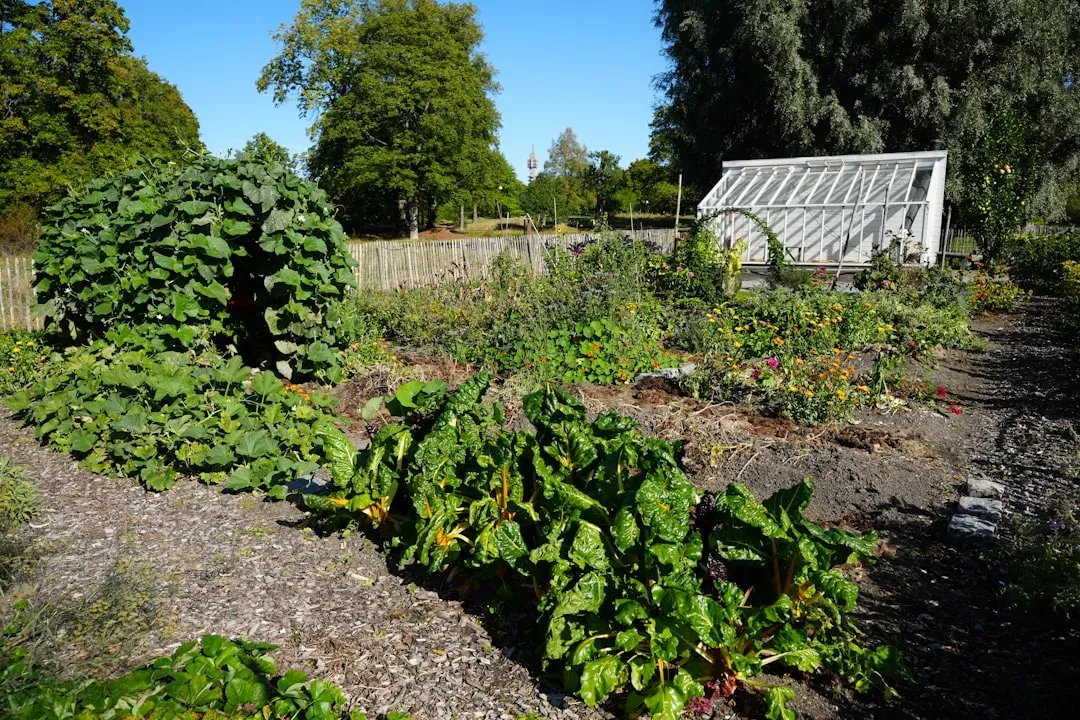
Sustainable gardening represents a fundamental shift from fighting against nature to working alongside it. Each practice builds on the others: healthy soil supports robust plants that need less water and resist pests naturally, while diverse plantings attract beneficial insects that improve pollination and pest control. The system becomes self-reinforcing over time.
Starting doesn’t require perfection or implementing every technique simultaneously. Choose one or two approaches that resonate with your situation and build from there. Maybe you begin with mulching and native plants, then add composting the following season, and gradually phase out chemicals as beneficial insects establish themselves.
What sustainable practices have transformed your own garden? The journey toward a thriving, low-maintenance backyard ecosystem looks different for everyone, but the fundamental principles remain remarkably consistent across climates and garden styles.