
Vintage Pyrex Kitchenware: From Kitchen Staple to Collectible Treasure
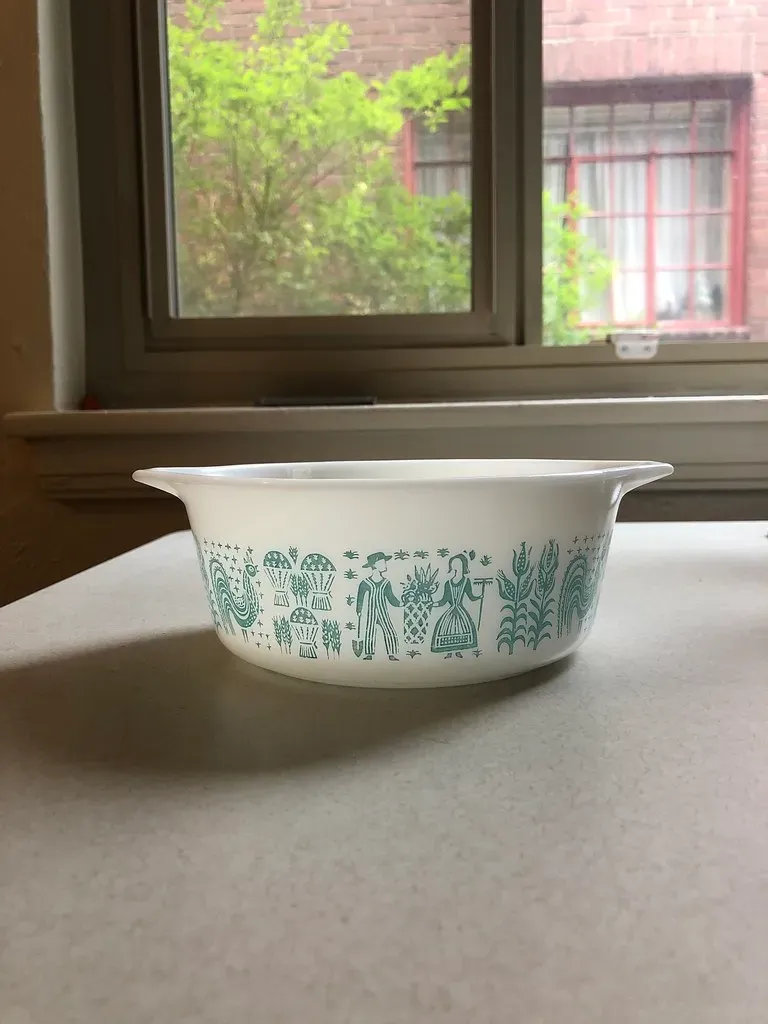
A Golden Sunflower Daisy casserole set recently sold for more than $5,000 on eBay, proving that your grandmother’s kitchenware might be worth considerably more than anyone imagined. A rare orange “Barcode” casserole dish sold for $1,995 in November 2024, while certain specialty pieces fetch even higher amounts. Patterns like Butterprint, Gooseberry, and Pink Flamingo have become especially sought after among serious collectors.
What makes these pieces valuable goes beyond simple nostalgia. Nostalgia attracts collectors to Pyrex, with most starting with patterns they remember, and Golden Sunflower and the super-rare Lucky in Love patterns tend to fetch higher at auction. The condition matters enormously – pristine pieces with no dishwasher damage command premium prices, while worn examples sell for far less.
Pyrex produced somewhere between 100 and 200 different pattern lines from 1915 until the late 1980s, with some running for decades while promotional lines only lasted a season or two. It’s this limited production window that creates scarcity for certain designs. Collectors now scour estate sales and thrift stores hoping to unearth forgotten pieces that could be worth hundreds or thousands.
LEGO Sets: Building Blocks of Investment Portfolios

Let’s be real here – few would have predicted that plastic bricks could outperform traditional investments. LEGO investments outperform large stocks, bonds, gold, and alternative investments, yielding an average return of at least 11% in the sample period 1987–2015. Certain sets have appreciated even more dramatically, with some Star Wars editions gaining value at rates that would make Wall Street jealous.
Some LEGO sets generated returns of 700%, with special edition releases like the Millennium Falcon from Star Wars or limited production runs becoming particularly valuable. The key factor driving these returns? Sealed boxes that remain unopened. Once a set retires from production, demand from collectors and adult fans begins driving prices upward on secondary markets.
LEGO sets produced in limited quantities, particularly special collections dedicated to iconic films, books, or historic events, tend to experience the highest growth on the secondary market, with average returns of 10 to 11 percent annually. Honestly, it’s hard to say for sure whether current sets will maintain this trajectory, though enthusiasts continue purchasing with investment intentions.
Original Apple-1 Computers: Consumer Electronics Turned Museum Pieces
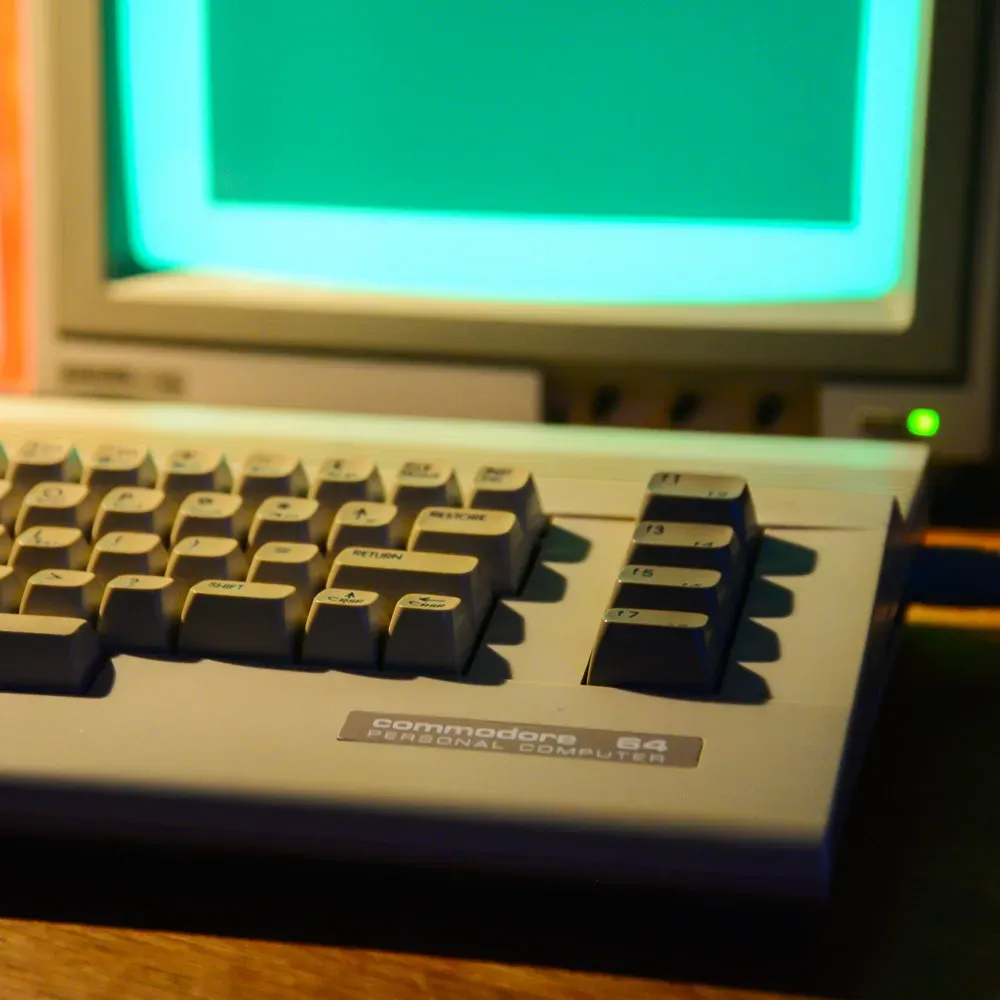
An Apple-1 computer from Steve Jobs’ desk surpassed its high estimate to sell for $945,000, setting the record for an Apple-1 computer at auction. This wasn’t some isolated occurrence either. In 2024, an Apple-1 owned by Apple’s first applications engineer sold for over $315,000, while another functional Apple-1 sold in 2020 for $458,711.
What transformed these once-functional computers into cultural artifacts? Only about 200 Apple I boards were produced, and as of August 2022 the whereabouts of 62 to 82 are known. Their scarcity combined with Apple’s transformation into the world’s most valuable company created a perfect storm for collectibility. These machines represent the literal foundation of personal computing as we know it today.
As relatively few Apple I computers were made before the model was discontinued, coupled with their status as Apple’s first product, surviving units now displayed in computer museums demand high prices at auction. The tech industry’s explosive growth has turned its earliest artifacts into sought-after relics worth more than luxury automobiles.
Antique Levi’s Jeans: Denim With Six-Figure Price Tags
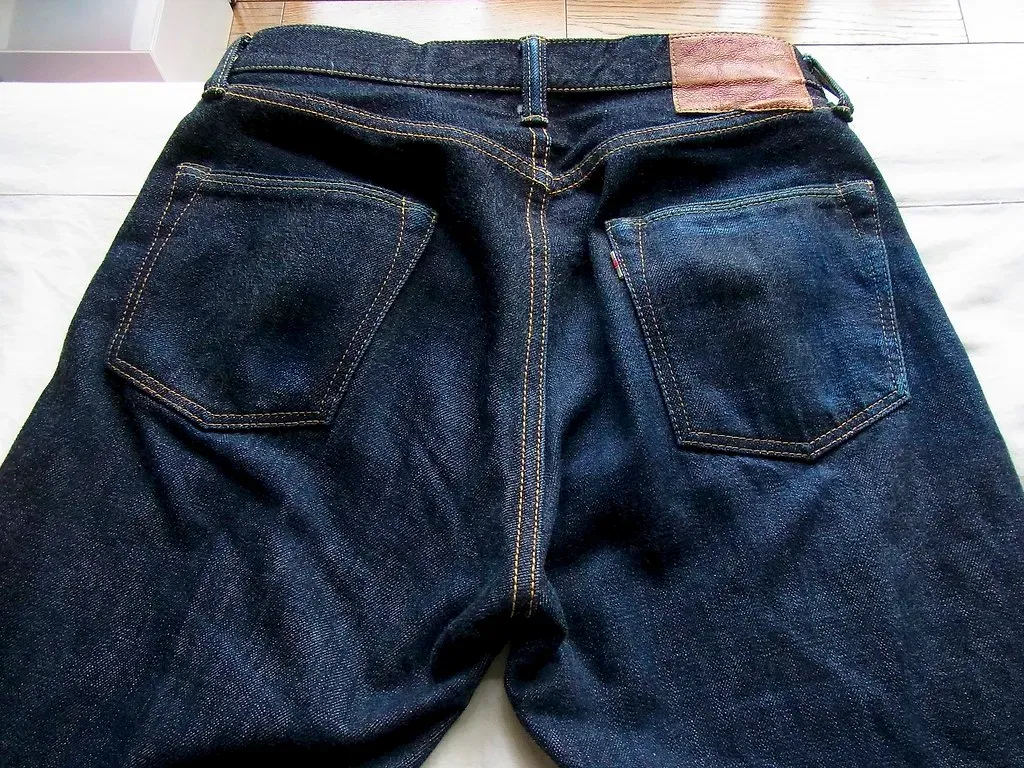
Picture pulling on a pair of jeans worth more than most houses. A pair of Levi’s jeans from the 1880s sold at an auction in New Mexico for $87,400, one of the highest prices ever paid for denims, including a 15 percent buyer’s premium. These weren’t pristine showroom pieces either – they’d been worn by miners and showed significant age.
The jeans were discovered about five years ago in an abandoned mine in the American West, and only a couple of similar pairs exist, kept in museums and too delicate to wear. The construction methods used in 19th-century Levi’s reveal craftsmanship rarely seen in modern mass production. Riveted pockets, hand-stitched details, and natural indigo dyes all contribute to their historical significance.
A pair of jeans dated to 1873 and billed as the world’s oldest sold at auction for $100,000 to an anonymous online bidder in Thailand, having been found two decades ago in a Nevada mine. Nevada’s arid climate preserves denim exceptionally well, making abandoned mines treasure troves for vintage hunters. The market for these pieces shows no signs of cooling, with collectors worldwide competing for authenticated examples.
Sealed NES Cartridges: Gaming History in Plastic and Cardboard
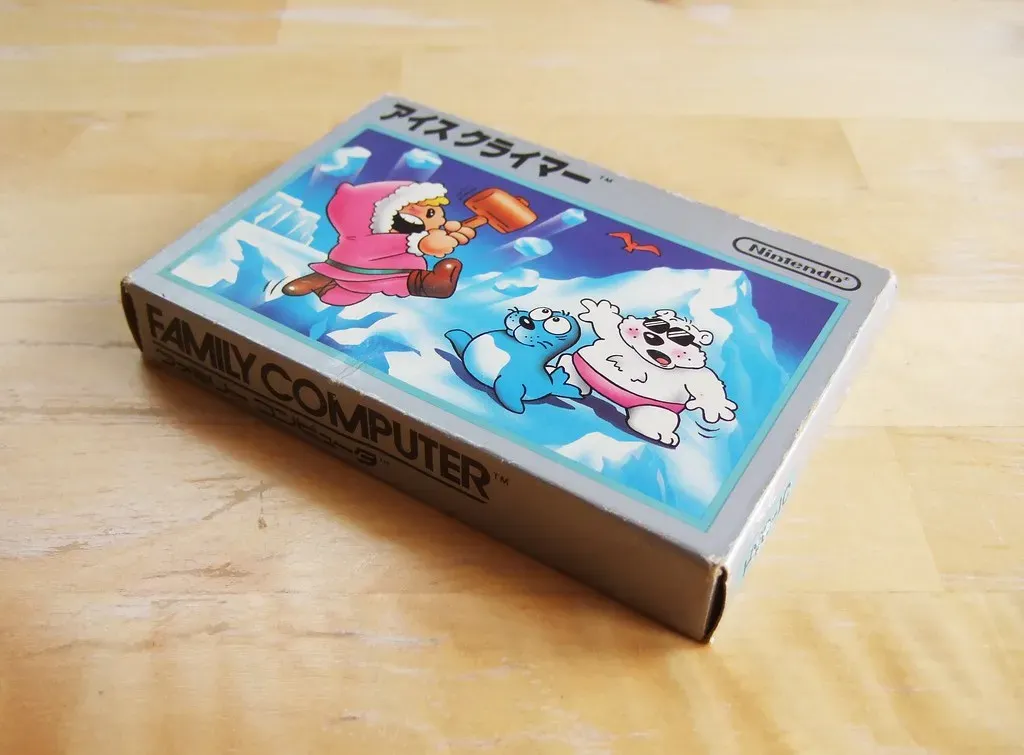
A sealed copy of Super Mario Bros. sold at auction for $660,000 after being forgotten in a desk drawer for almost 35 years, representing the most ever paid for a video game. The cartridge had remained untouched since being purchased as a Christmas gift in 1986, maintaining museum-quality condition through sheer neglect.
What drives these astronomical prices? Scarcity plays a massive role. This was only the fourth version of Super Mario Bros. ever produced, and its window of production was remarkably short. Grading services like Wata Games authenticate and rate condition, with the highest grades commanding exponentially higher prices than lesser examples.
A 1987 Mega Man cartridge sold for $144,000 and a buyer paid $102,000 for a copy of Mike Tyson’s Punch-Out made the same year. The retro gaming market has exploded as millennials with disposable income seek pieces of their childhood. Still, some industry observers have raised questions about whether auction results truly reflect organic demand or market manipulation.
Mid-Century Tupperware: Postwar Innovation Meets Design Collectibility
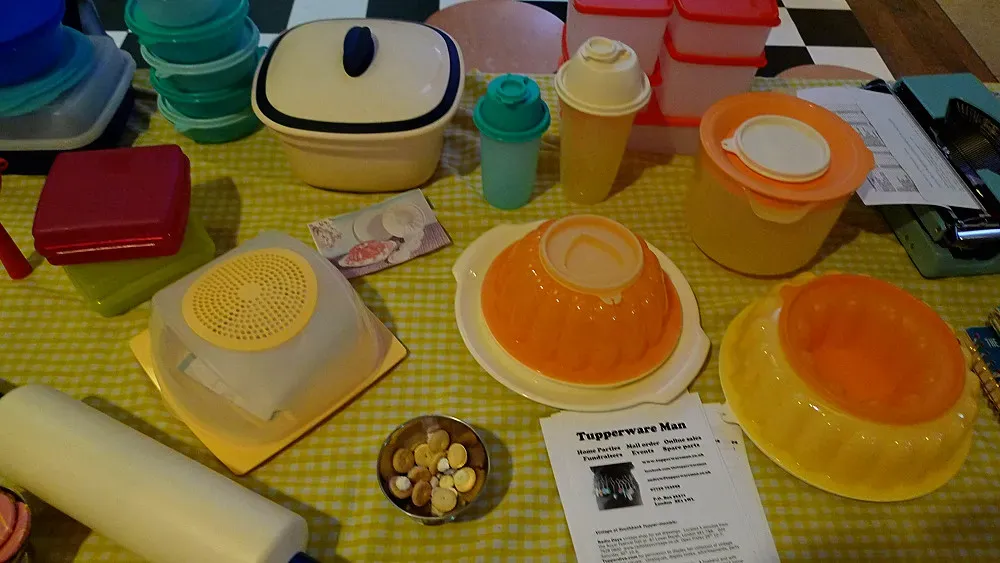
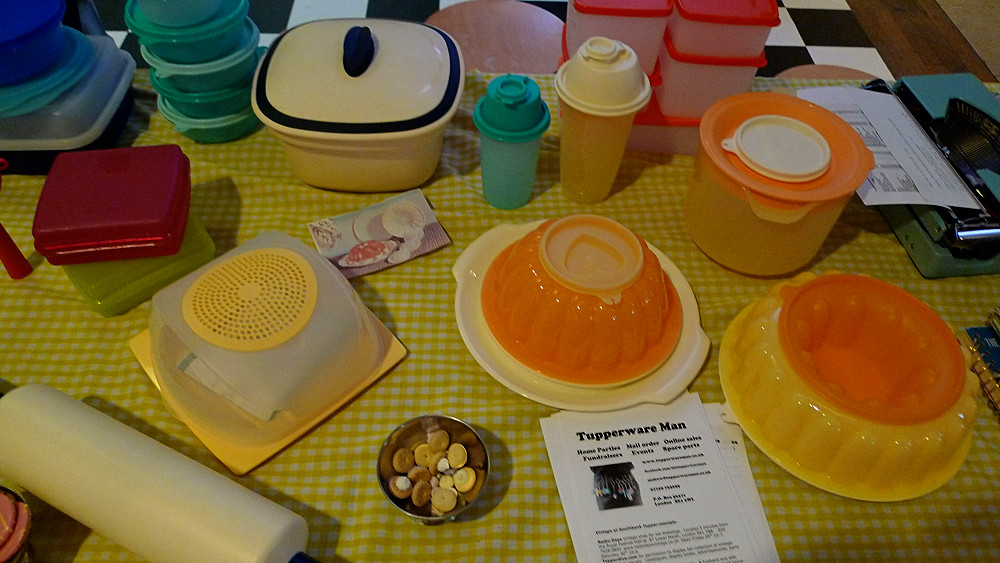
Tupperware represents more than food storage – it symbolizes postwar American domestic life and women’s economic empowerment through the famous party system. Design historians now recognize original Tupperware pieces as worthy of preservation and study, elevating them beyond mere nostalgia.
The colorful pastel pieces from the 1950s and 1960s particularly appeal to collectors. Rare shapes, unusual colors, and limited-edition items command premium prices at vintage sales and online marketplaces. Condition remains critical, as warped lids or stained containers lose significant value regardless of rarity.
Museums have begun acquiring Tupperware for permanent collections, recognizing its role in documenting social history. The brand’s innovative burping seal technology revolutionized food preservation. Collectors seek complete sets with original boxes and literature, though standalone rare pieces also attract serious buyers willing to pay hundreds for the right item.
Vintage Advertising Signs: Enamel Americana Worth Thousands
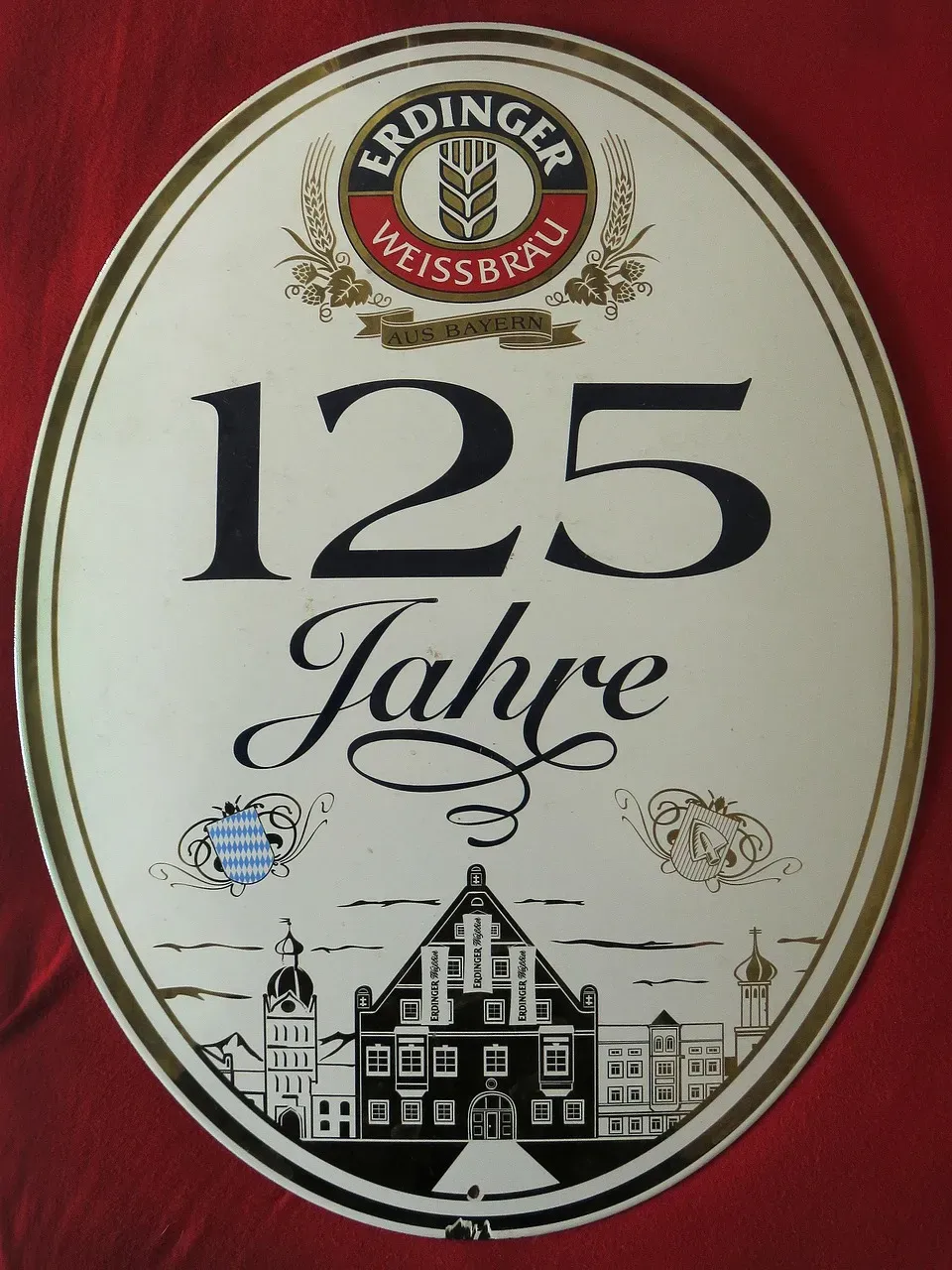
Walk into any serious Americana collection and you’ll likely find vintage advertising signs commanding wall space. These aren’t reproduction tin pieces from gift shops – authentic porcelain enamel signs from Coca-Cola, Texaco, and other iconic brands regularly fetch tens of thousands at auction.
The durability of porcelain enamel means many signs survived decades of weather exposure, though finding examples in excellent condition proves challenging. Colors remain vibrant on well-preserved pieces, while surface chips and rust significantly diminish value. Size matters too, with larger signs generally commanding higher prices than smaller examples.
Authenticity verification has become crucial as reproductions flood the market. Experienced collectors examine manufacturing techniques, patina patterns, and historical accuracy before purchasing. Provenance documentation adds value, particularly if signs came from original gas stations or storefronts rather than being purchased new for decoration.
Rare Baseball Cards: America’s Pastime Preserved in Cardboard
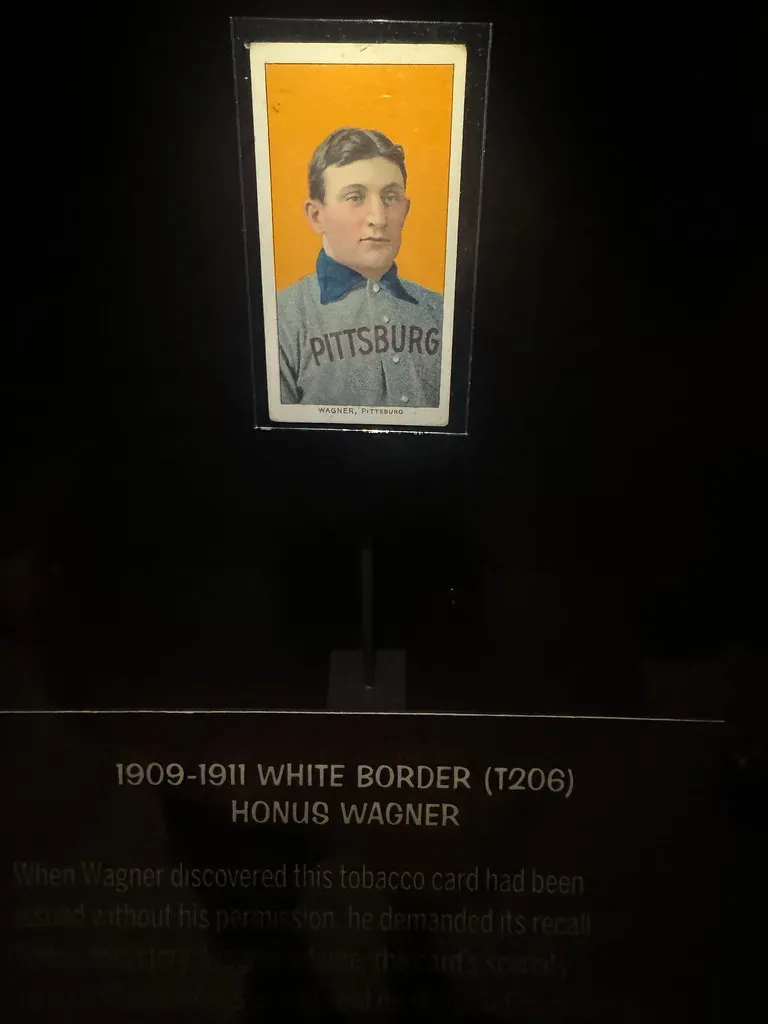
The Honus Wagner T206 remains the holy grail of baseball card collecting, with examples selling for millions when they surface at auction. This legendary card’s scarcity stems from Wagner reportedly objecting to his image promoting tobacco products, causing production to cease early.
Grading has revolutionized the baseball card market, with services like PSA and Beckett providing standardized condition assessments. A single point difference in grade can mean hundreds of thousands in value for the rarest cards. Sealed wax boxes from the 1980s have also appreciated dramatically as collectors seek the thrill of potentially opening valuable rookies.
Modern cards continue generating excitement, with rookie cards of current stars appreciating rapidly based on performance and legacy expectations. The market experiences volatility tied to players’ careers, making sports cards both collectibles and speculative investments. Some view them as portfolio diversification tools comparable to fine art or wine.
Retro Lunchboxes: Pop Culture Artifacts From Television’s Golden Age
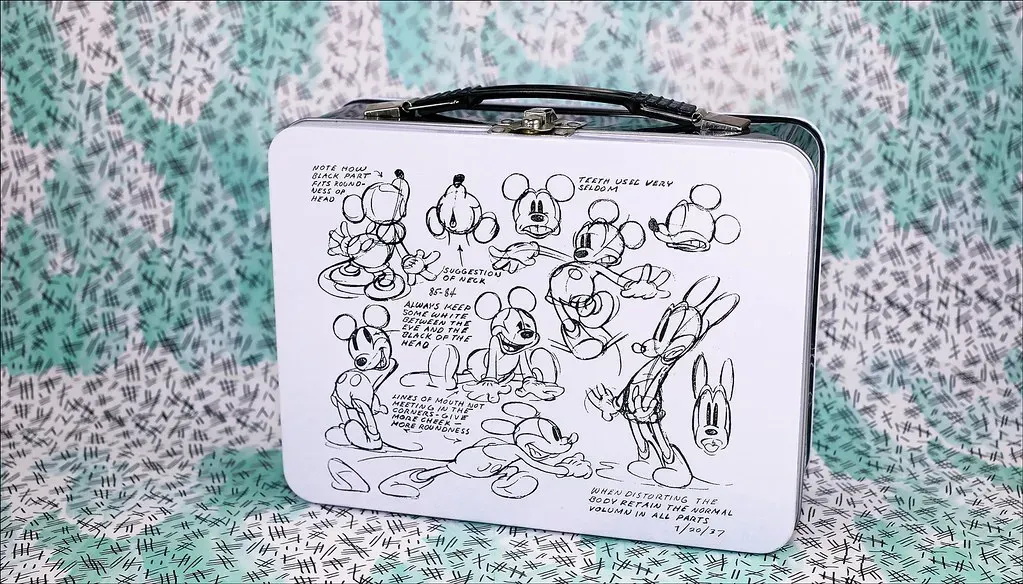
Metal lunchboxes featuring television shows, movies, and characters from the 1950s through 1970s have transformed from utilitarian school supplies into valuable pop culture artifacts. The National Museum of American History has documented their significance as connections to early television and film franchises.
Condition dramatically affects value, as most lunchboxes endured hard use by children. Dents, rust, and missing thermoses reduce prices considerably. Mint condition examples with original tags and thermoses command the highest premiums, particularly for sought-after licenses like Star Wars or superhero properties.
Certain rare variations fetch thousands rather than hundreds. Test market designs, recalled versions, or extremely limited production runs become legendary among collectors. The lunchbox market remains accessible compared to some collectibles, with many desirable examples still available for under a few hundred dollars, though the rarest pieces reach four figures.
First-Edition Comic Books: Sequential Art as Cultural Treasures
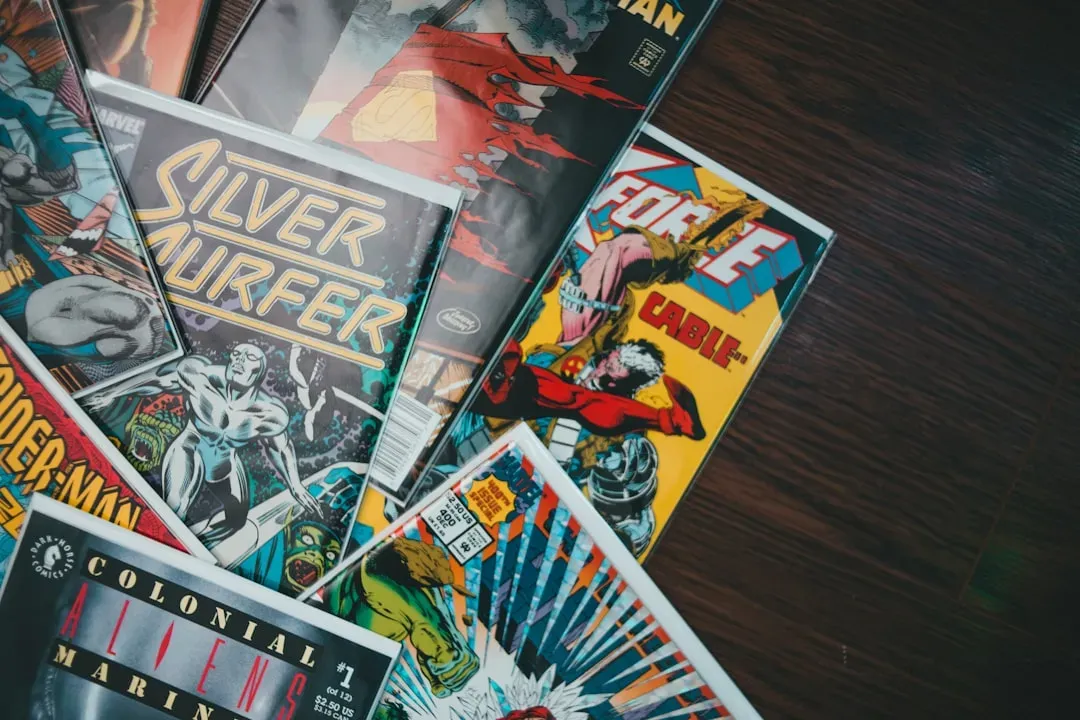
Action Comics No. 1, featuring Superman’s first appearance, remains one of the most valuable printed items ever sold, with high-grade copies fetching millions at auction. Early superhero comics are now preserved as important cultural artifacts documenting the birth of a uniquely American art form.
The comic book market has matured considerably, with institutional investors and hedge funds purchasing key issues as alternative assets. CGC grading standardized condition assessment, bringing legitimacy and transparency to transactions. A 9.8 grade on a significant golden age book can mean the difference between tens of thousands and millions.
Beyond financial value, these comics represent artistic and literary history. The preservation community works to ensure survival of these fragile paper artifacts for future generations. Museums now display comics alongside traditional art, acknowledging their influence on visual culture worldwide. Honestly, it’s remarkable how perceptions have shifted from dismissing comics as disposable kid stuff to recognizing them as legitimate art deserving serious study and preservation.
What surprises you most about these transformed collectibles? Does it make you wonder what currently ordinary items might become tomorrow’s treasures?