

You probably don’t give much thought to the way you move through your day. The walk to the mailbox. The salad you grab for lunch. That phone call with a friend. They feel like nothing special, right? Routine. Unremarkable. Turns out, though, these ordinary moments might be doing extraordinary things for your brain. Honestly, it’s kind of wild how much science has been piling up lately about everyday habits and cognitive function. We’re not talking about miracle supplements or fancy brain games here. We’re talking about the mundane stuff you already do. Or could easily start doing. Let’s dig into what the research actually says.
Taking a Walk Does More Than Clear Your Head

Here’s something that might surprise you. Walking at least 150 minutes per week has been linked to greater hippocampal volume in older adults, which is a brain region absolutely critical for memory. A 2025 systematic review showed that walking had positive effects on hippocampal volumes, with higher-intensity and greater amounts of walking showing benefits for total hippocampal volume.
I think what makes this finding so compelling is that walking is accessible. You don’t need a gym membership or fancy equipment. Increased days of moderate to vigorous activity correlated with larger normalized brain volumes in multiple regions including hippocampus, frontal, parietal, and occipital lobes. It’s hard to say for sure, but the evidence suggests even modest daily movement matters more than we realized.
Sleep Quality Trumps Sleep Quantity

We’ve all heard the eight-hour rule. Thing is, recent research suggests that’s not the whole story. Slow wave sleep and REM sleep are the deepest and most restorative sleep stages, and disruption to these stages can lead to increased daytime sleepiness and decreased ability to handle stress.
Disruption of slow-wave sleep has been shown to have a close link with memory consolidation as well as the build-up of amyloid, a key protein which can cause tangles in the brain characteristic of some forms of dementia. Meanwhile, roughly about half of older adults experience sleep fragmentation rather than consistent deep sleep. The research points to consistency and sleep architecture being more important than just logging hours in bed.
Your Diet Can Be Your Brain’s Best Friend

The Mediterranean diet is characterized by high consumption of fruits, vegetables, whole grains, fish, and olive oil, and has been widely recognized for its cardiovascular benefits and may also reduce the risk of cognitive decline and dementia. A 2024 meta-analysis found something remarkable.
Adherence to the Mediterranean diet is associated with an 11 to 30 percent reduction in the risk of age-related cognitive disorders, including cognitive impairment, dementia, and Alzheimer’s disease. Let’s be real, that’s a pretty significant protective effect from just changing what you eat. The nutrients in olive oil, fish, and fresh produce appear to work together in ways that support long-term brain health.
Social Connections Are Cognitive Armor

Isolation isn’t just lonely. It’s actually dangerous for your brain. The strongest evidence for an association of social connections with lower risk of cognitive decline was related to social engagement and social activities. A 2024 study from the Rush Memory and Aging Project tracked nearly two thousand older adults over nearly seven years.
Among those who developed dementia, the least socially engaged developed it around age 87, about five years earlier than the most socially engaged, who developed dementia around age 92. Five years. That’s not nothing. Social interaction might help by reducing stress and keeping neural networks active. Whatever the mechanism, the data is pretty clear about the protective effect.
Learning Something New Rewires Your Brain
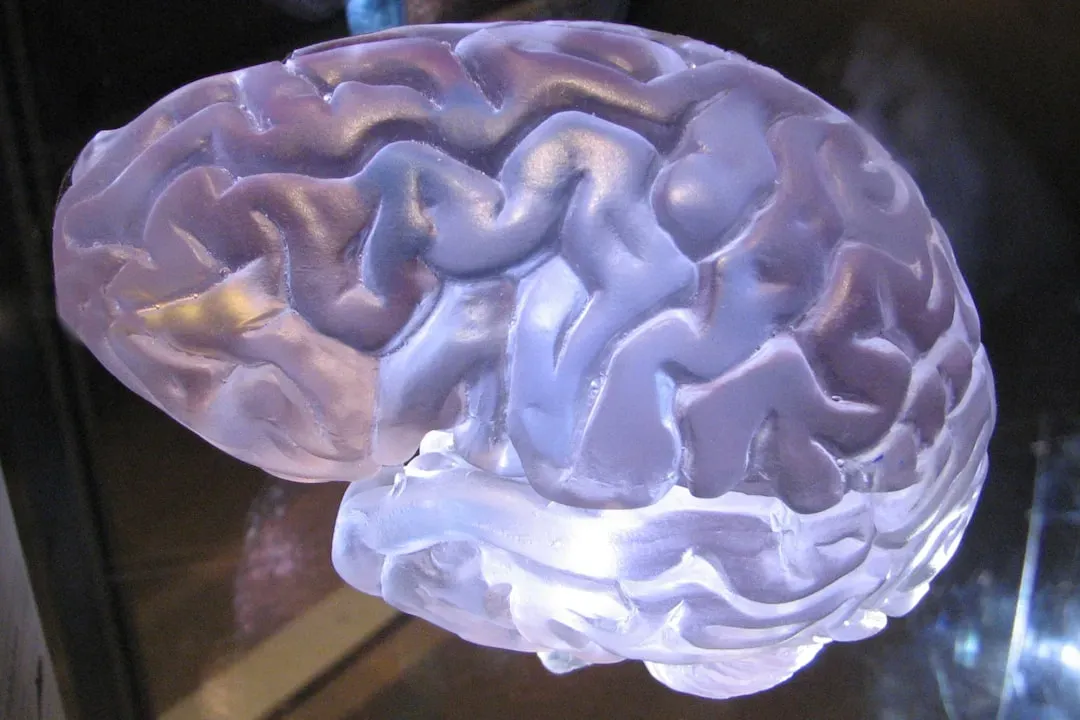
Neuroplasticity sounds technical, right? It’s actually just your brain’s ability to form new connections. Neuroplasticity refers to the brain’s ability to change and adapt throughout life by modifying its structure, functions, or neural pathways, allowing the brain to learn, remember, and change when appropriate for the circumstances.
Engaging in learning-based activities such as taking an adult education course, picking up a new hobby, or meeting new people enhances neuroplasticity. What’s fascinating is that repeated practice is essential to enhancing synaptic adaptation when learning a new skill and is therefore key to mastering it. So that guitar gathering dust in your closet? It might be exactly what your brain needs.
Chronic Stress Literally Shrinks Your Brain
Stress isn’t just a feeling. It has measurable physical effects on brain structure. Research shows that prolonged stress exposure can actually reduce gray matter volume, particularly in regions involved in emotional regulation and memory. The hippocampus appears especially vulnerable to the effects of chronic stress.
High levels of cortisol, the stress hormone, interfere with neuronal function over time. Think about that the next time you’re tempted to brush off persistent stress as just part of modern life. Managing stress through exercise, social connection, or relaxation techniques isn’t self-indulgent. It’s neuroprotective.
Ten Minutes of Mindfulness Sharpens Focus

Meditation often gets dismissed as too New Age or time-consuming. A 2023 randomized controlled trial found something interesting, though. Just ten minutes of daily mindfulness meditation improved focus and working memory in participants.
You don’t need to sit cross-legged for an hour or achieve some zen state. Short, consistent practice appears to be what matters. The brain changes associated with mindfulness meditation include increased gray matter density in regions linked to attention and emotional regulation. Honestly, ten minutes feels pretty manageable compared to some other interventions.
Hydration Affects How You Think

Water seems too simple to matter much, right? A 2024 study in the European Journal of Nutrition showed that mild dehydration can impair attention, executive function, and short-term memory in adults. We’re not talking about extreme dehydration here. Just the kind of mild fluid deficit that happens when you get busy and forget to drink water.
The brain is roughly three-quarters water, so perhaps we shouldn’t be surprised that hydration status affects cognitive performance. Your afternoon brain fog might not be about needing another coffee. It might just be thirst masquerading as fatigue.
Exercise Triggers Brain Growth Factors

Physical activity doesn’t just build muscle. It actually triggers the release of proteins that support brain health. According to a 2025 review, aerobic exercise increases BDNF levels, which is brain-derived neurotrophic factor, a protein essential for neuron growth and survival.
Exercise boosts neuroplasticity by increasing brain-derived neurotrophic factor, a protein essential for brain cell growth. This isn’t about becoming an athlete. Even moderate aerobic activity appears to stimulate BDNF production. Your morning jog or bike ride is literally helping your brain build and maintain neural connections.
Routines Free Up Mental Energy

Variety might be the spice of life, but predictable routines have cognitive benefits. Research from University College London in 2023 suggests that consistent daily routines reduce cognitive load, freeing mental resources for higher-level thinking and creativity.
When you have to make fewer decisions about mundane tasks, your brain has more capacity for complex problem-solving. There’s a reason so many successful people wear similar clothes every day or eat the same breakfast. It’s not lack of imagination. It’s cognitive efficiency. Your brain can only handle so many decisions before decision fatigue sets in.
Small Changes, Big Impact

What strikes me most about all this research is how accessible these interventions are. You don’t need expensive treatments or specialized equipment. A daily walk. Better sleep habits. Real food. Time with friends. Learning something that interests you. Drinking enough water. Establishing routines.
These aren’t revolutionary. They’re remarkably ordinary. Yet the cumulative effect on brain health appears substantial. The hippocampus growing larger. Neural connections strengthening. Cognitive decline potentially delayed by years. All from habits you could start today. Makes you wonder what else we’re overlooking in our search for complicated solutions to health challenges.
What habits are you already doing that might be protecting your brain? Did any of these surprise you?