Amplification: The Leader’s Unseen Influence (Image Credits: Images.fastcompany.com)
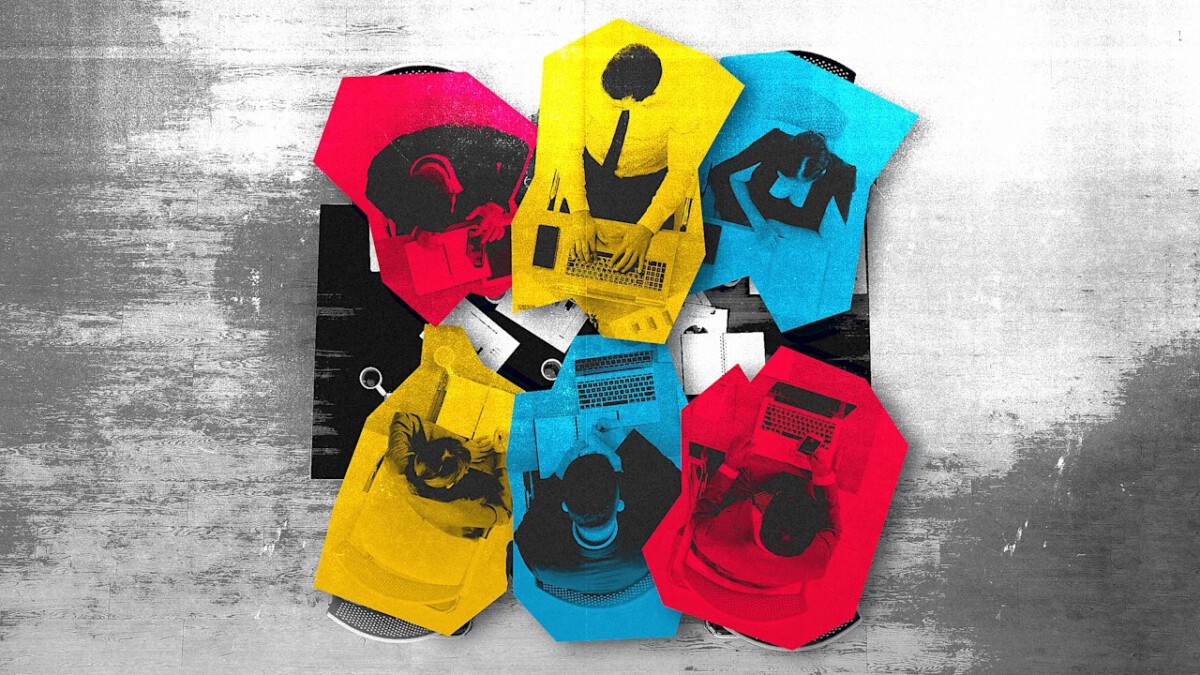
Corporate meetings frequently transform into battlegrounds where unchecked power dynamics stifle genuine discussion and innovation.
Amplification: The Leader’s Unseen Influence
A former engineering VP at New Relic once noticed his ideas transformed from ordinary to brilliant overnight after a promotion speech elevated his status among peers.
This shift highlighted amplification, a phenomenon social psychologist Adam Galinsky describes where leaders’ words gain outsized weight. Casual remarks turn into directives, and subtle reactions like a yawn spark doubt among participants. Teams begin self-editing contributions, fostering echo chambers that suppress diverse input.
High-performing groups distribute speaking time evenly, yet powerful voices often dominate without realizing it. Tools such as Fireflies.ai now measure talk ratios and highlight imbalances, including those affecting underrepresented voices. Leaders like Pixar’s Ed Catmull countered this by speaking last in brainstorms or absenting high-profile figures like Steve Jobs from key critiques to protect fragile ideas.
Transparency combats amplified ambiguity too. Clear calendar notes or pre-meeting reassurances prevent speculation from spiraling into anxiety.
Incompetence: Mismanaged Sessions Drain Energy
Just 5 percent of employees, often the most senior, schedule 60 percent of meetings, according to Worklytics data, turning essential gatherings into inefficient rituals.
New managers, thrust into leadership without facilitation training, perpetuate this cycle. They pack calendars with unnecessary sessions, model poor habits, and institutionalize mediocrity across teams.
One-on-ones exemplify the issue when treated as manager monologues rather than employee forums. Venture capitalist Ben Horowitz emphasized that these meetings belong to the subordinate, focusing on their needs like advice or venting. Gallup research confirms weekly 15-minute check-ins build stronger relationships more effectively than other activities.
Boss briefings waste time further; written summaries or video updates suffice for status shares. Authentic videos from real settings enhance connection without convening everyone.
Jerk Behavior: Deliberate Toxicity Spreads
Twelve percent of senior leaders display psychopathic traits, far exceeding general population rates, per University of San Diego research, fueling outright bullying in meetings.
Interruptions, nitpicking, and humiliation not only silence victims but prompt them to mistreat subordinates, cascading dysfunction downward.
Anonymous feedback forms expose such conduct, but action proves commitment to change. Ignoring input undermines trust further.
For irredeemable cases, participants limit exposure through async channels like email, creating records for HR if needed. Neutral, brief responses deny bullies the reaction they crave.
Reclaiming Meetings from Power Plays
Leaders and teams can redesign gatherings to prioritize equity and purpose.
Here are practical steps:
- Track airtime with AI tools and enforce balanced participation.
- Schedule purposefully, favoring async updates over default meetings.
- Implement feedback mechanisms and act decisively on toxic patterns.
- Position leaders to speak last, shielding ideas from premature judgment.
- Clarify agendas upfront to eliminate guesswork.
Key Takeaways
- Amplification turns leaders’ words into mandates; counter it with equal airtime and last-word restraint.
- Incompetence stems from poor planning; shift to employee-led one-on-ones and async alternatives.
- Jerk behavior demands exposure and boundaries to halt its spread.
Effective meetings emerge when power serves collaboration, not dominance, unlocking bolder ideas and higher engagement. What toxic dynamic have you encountered in meetings, and how did you address it? Share in the comments.