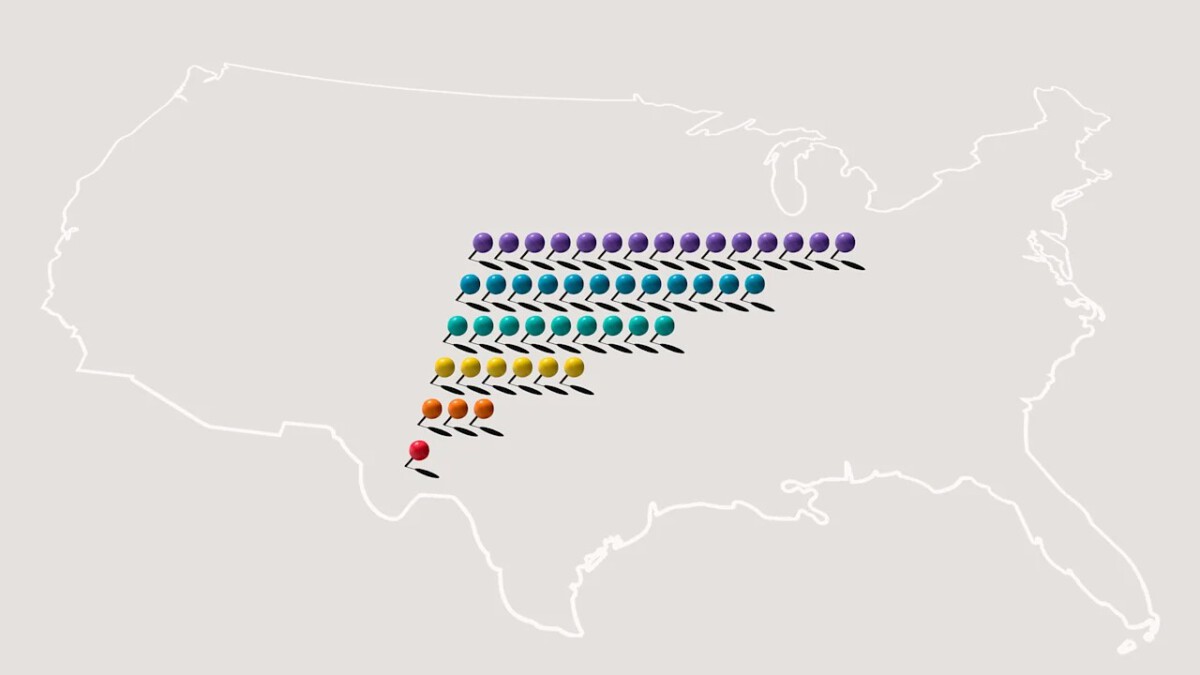
Census Data Reveals Steep Immigration Decline (Image Credits: Images.fastcompany.com)
United States – Population growth across the United States slowed to its lowest rate in five years during the 12 months ending July 2025, driven primarily by a significant reduction in immigration inflows.
Census Data Reveals Steep Immigration Decline
The Census Bureau reported that the country added 1.8 million people between July 2024 and July 2025, a modest 0.5% increase fueled almost entirely by immigration.
Immigrant arrivals totaled 1.3 million during that period, a sharp drop from the 2.7 million recorded the year before. Projections suggest even fewer newcomers by July 2026, potentially as low as 321,000. Meanwhile, deportations and self-deportations reached nearly 3 million by late January, according to the Department of Homeland Security data.
This marks the biggest slowdown since the COVID-19 pandemic disrupted global movement.
Policy Changes Drive the Shift
Stricter border controls and deportation efforts under the Trump administration accelerated the trend. Even measures from the Biden era, including tightened security and asylum restrictions implemented in 2024, contributed to the reversal after decades of rising immigration , per Census Bureau analysis.
Steven Camarota, director of research at the Center for Immigration Studies, highlighted the impact in comments to CBS News. “The big takeaway is, wow, the Trump administration, and even the end of the Biden administration, made a big difference,” he said. “It sure looks like we’re seeing a fundamental change that reflects policy.”
Birth Rates Add Long-Term Pressure
Beyond immigration, native birth rates have trended downward for decades, exacerbating the slowdown. Fewer births mean a shrinking pool of young entrants into the labor market over time.
This dual dynamic – reduced arrivals from abroad and fewer domestic births – positions the United States at a demographic crossroads. Experts warn that without adjustments, the working-age population could contract, challenging economic vitality.
Sector-Specific Workforce Challenges Emerge
Industries reliant on immigrant labor now face acute shortages. Healthcare, technology, and hospitality sectors, which often require specialized skills, struggle most in this competitive talent environment.
A recent Sedgwick report noted that immigration enforcement disrupts three-quarters of organizations, creating ongoing operational hurdles. Dave Arick, the firm’s managing director of global risk management, explained that restrictions on immigrant education and employment further shrink talent pools, driving up hiring costs.
Juan Carlos Rivera, a Miami-based immigration attorney, observed deportations targeting working individuals. “When fewer workers are available, businesses face higher labor costs, reduced productivity, and slower expansion,” he stated. “That pressure shows up in higher prices for consumers and weaker overall economic growth.”
Broader Economic and Global Risks
These changes threaten U.S. competitiveness as other nations vie for aging populations’ talent needs. Rivera emphasized the stakes: a reliable immigration system supports innovation, supply chains, and leadership.
Businesses report higher expenses and expansion delays, with consumers facing elevated prices. The Sedgwick analysis frames this as a persistent drag rather than a sudden crisis.
Key Takeaways
- Immigration fell to 1.3 million in 2024-2025, down from 2.7 million previously.
- Deportations neared 3 million, coinciding with policy enforcement.
- Sectors like healthcare and tech face talent shortages and rising costs.
As demographic shifts reshape the labor landscape, policymakers and businesses must weigh enforcement against growth needs. The coming years will test America’s adaptability in balancing borders and prosperity. What steps should the U.S. take next? Share your thoughts in the comments.