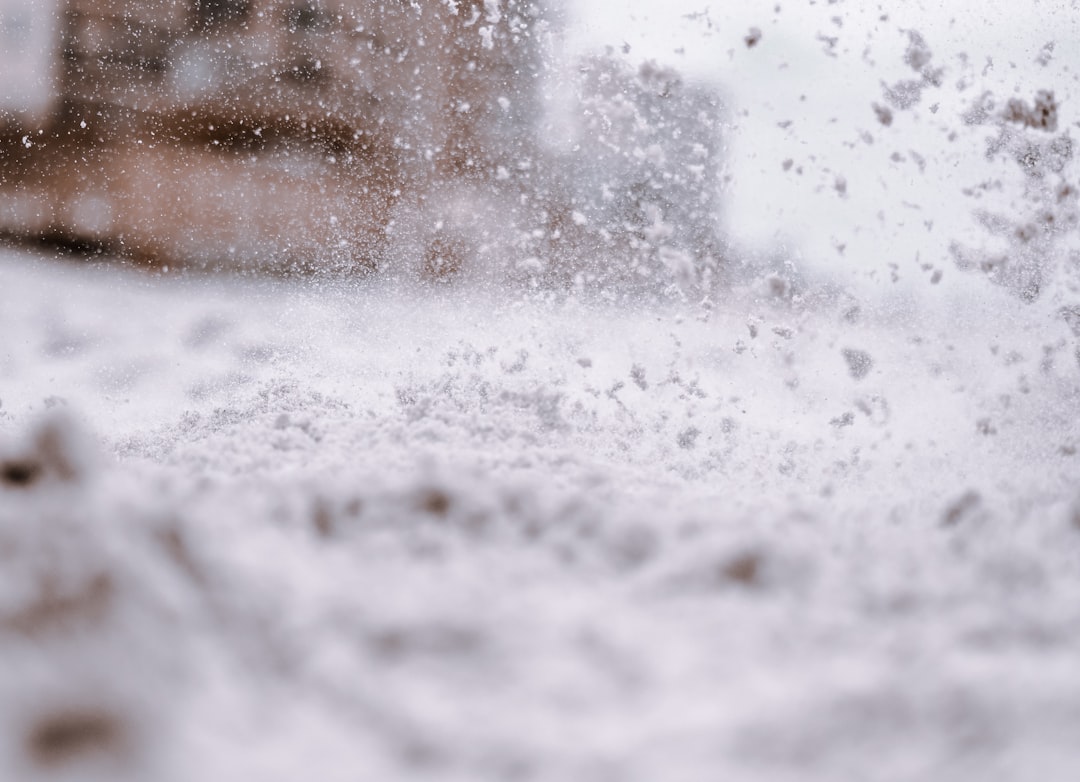
Ice Emerges as the Silent Devastator (Image Credits: Unsplash)
A massive winter storm stretched over 2,000 miles from Arizona to Maine battered much of the United States over the January 23-26 weekend, combining heavy snow, dangerous ice accumulations, and Arctic cold in a rare triple threat.[1][2]
Ice Emerges as the Silent Devastator
Forecasters identified ice as the primary hazard early on, with accumulations of a quarter-inch or more capable of snapping power lines and downing trees across the South.[1] East Texas to central Tennessee fell under major ice corridors, where freezing rain coated surfaces and infrastructure alike.
The National Weather Service warned that even modest ice buildup – adding hundreds of pounds per power line – could lead to prolonged outages, especially as a trailing Arctic blast prevented melting.[2] Roads turned treacherous with black ice, prompting governors in states like Texas and Georgia to declare emergencies and urge residents to stay off highways. Texas alone issued a disaster declaration for 134 counties, mobilizing resources ahead of the onslaught.[3]
Northeast Buried Under Heavy Snowfall
Major cities from Washington, D.C., to Boston awoke to significant accumulations, with Philadelphia facing 9-13 inches and New York City 8-12 inches or more.[2] The storm peaked Sunday into Monday, dumping up to 18 inches in parts of Connecticut and 16 inches near Boston.
New York Governor Kathy Hochul deployed over 1,600 snow plows and 114,000 tons of salt, noting no corner of the state would escape “Mother Nature’s wrath.”[3] Airlines canceled thousands of flights – over 3,200 on Saturday alone – while schools shuttered and sports events postponed amid the chaos.
Power Grids Tested Amid Widespread Alerts
At least 16 states activated emergency plans as the storm menaced 235 million people across more than 40 states.[1] Texas Governor Greg Abbott assured the public there was “no expectation whatsoever” of a grid failure like 2021, crediting enhanced preparations by local providers.[3]
Still, scattered outages hit early, particularly in rural Louisiana and Missouri, where ice-laden trees posed ongoing risks. FEMA positioned generators, meals, and rescue teams nationwide, including 250,000 meals and 28 urban search-and-rescue squads on standby.[2]
| City | Expected Snow (inches) | Wind Chill Low (°F) |
|---|---|---|
| New York City | 8-12 | -10 |
| Philadelphia | 9-13 | -15 |
| Dallas | 1-3 (with ice) | -1 |
| Minneapolis | Heavy snow | -41 |
Arctic Cold Prolongs the Misery
Wind chills plunged to minus 50 degrees Fahrenheit in the Upper Midwest and Great Lakes, while even southern cities like Dallas saw minus 1 degrees.[2] The deep freeze locked in snow and ice, exacerbating travel hazards and hypothermia risks.
As of January 30, dangerously cold air lingered for half the U.S. population, with NOAA tracking a potential follow-up snow event in the Carolinas and Mid-Atlantic.[4] Officials emphasized stocking essentials to weather extended outages.
- Remain indoors during peak cold to avoid frostbite.
- Prepare food, water, and medications for several days.
- Check on vulnerable neighbors and pets.
- Avoid travel on untreated roads.
- Layer clothing and limit outdoor exposure.
Key Takeaways
- Ice, not snow, drove the most severe infrastructure damage across the South.
- Over 132 million initially under alerts, leading to mass flight cancellations.
- Arctic air refreeze heightened power restoration challenges.
This storm underscored winter’s unrelenting power, blending familiar snow with unfamiliar southern ice threats. Communities now focus on recovery amid persistent cold – what steps will you take next? Tell us in the comments.