A Visionary’s Spark Ignites a Community (Image Credits: Upload.wikimedia.org)
On January 30, 1924, members of a fledgling telescope makers’ club gathered atop Breezy Hill to bestow a celestial name upon their new clubhouse, launching a tradition that has captivated stargazers for generations.
A Visionary’s Spark Ignites a Community
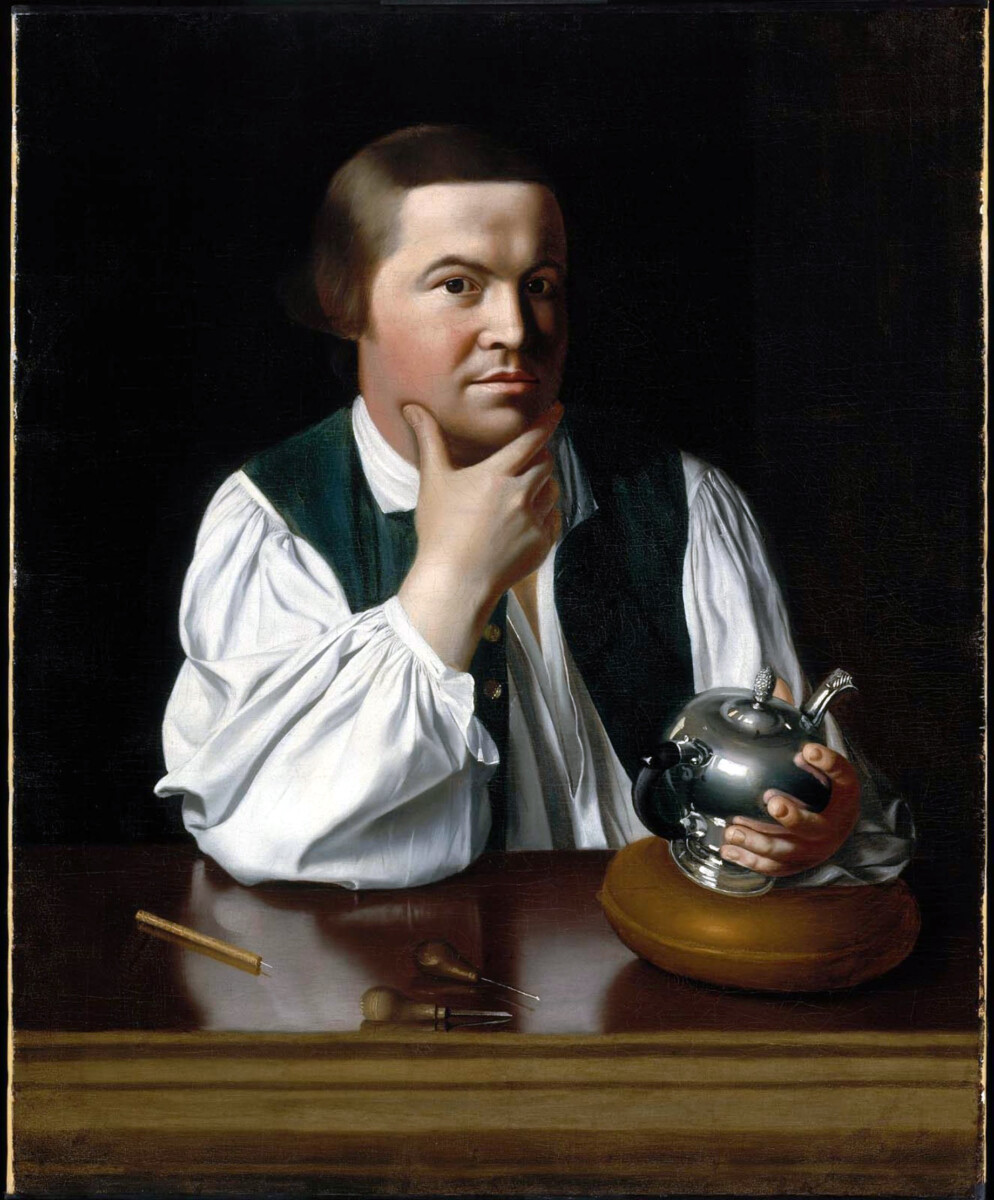
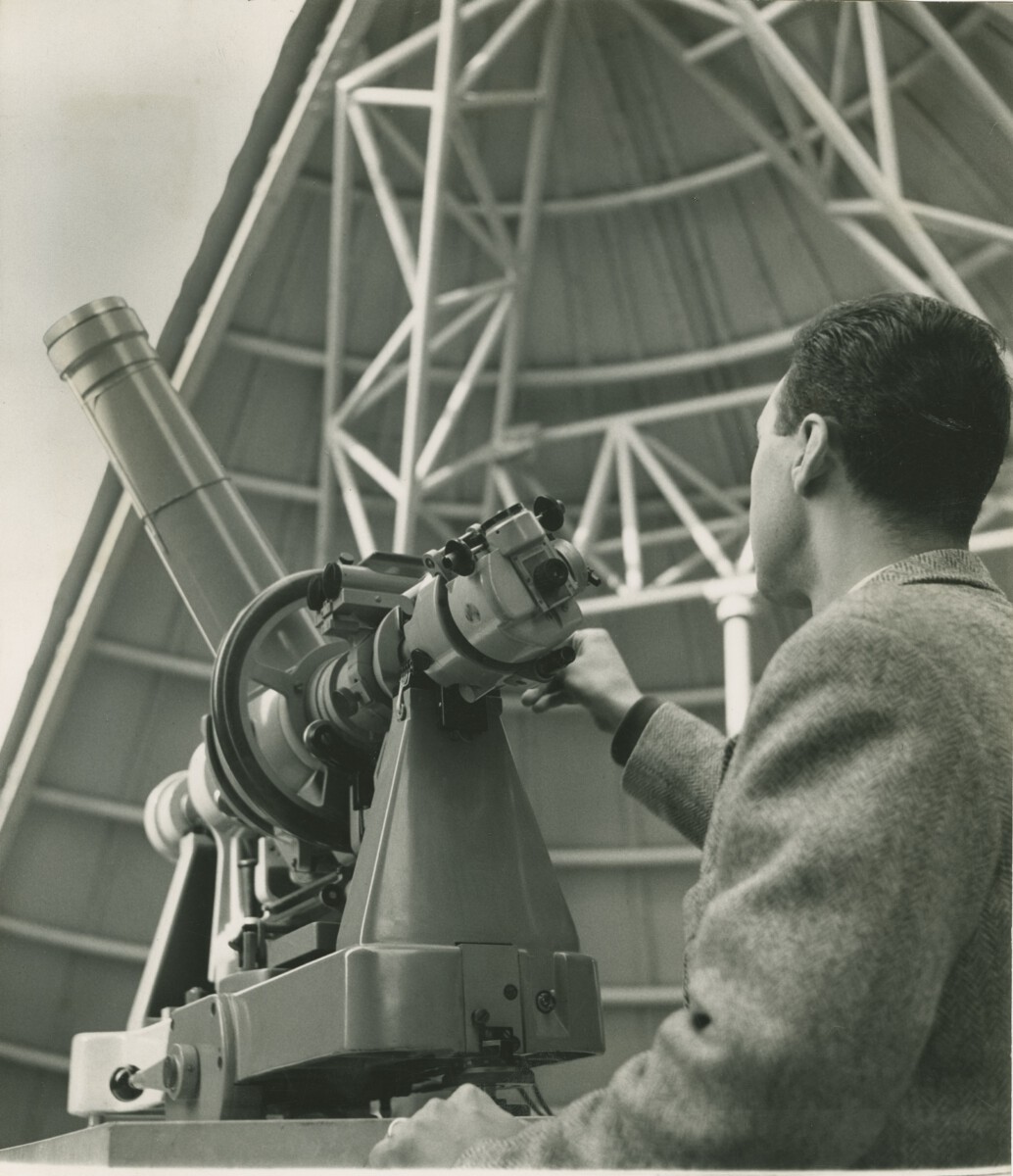
Russell W. Porter’s enthusiasm for crafting telescopes proved irresistible in rural Vermont. He relocated to Springfield in 1919, and soon local residents clamored to join his pursuits. Porter responded by organizing classes that drew in townsfolk eager to master the art.
Interest swelled rapidly. By December 7, 1923, the group formalized as the Springfield Telescope Makers club. Elected leaders set ambitious goals, channeling collective energy into hands-on projects that blended craftsmanship with cosmic wonder.
Constructing a Hilltop Haven
The club targeted a summit called Breezy Hill, just beyond Springfield’s borders, on land owned by Porter. Construction began promptly after the club’s founding. Workers erected a modest structure featuring a central meeting room and two upstairs bedrooms; a kitchen followed later.
Practicality met inspiration during a pivotal meeting. Porter proposed naming the site Stellar Fane, drawing from Latin roots meaning “shrine to the stars.” The club embraced the suggestion on January 30, 1924. Members soon simplified it to Stellafane, a moniker that endures today. The distinctive pink clubhouse stands as a testament to their early labors.[1][2]
From Local Buzz to National Phenomenon
Porter amplified their efforts through writings in Popular Astronomy. His accounts detailed the club’s methods and achievements, piquing curiosity nationwide. In 1925, editor Albert Ingalls visited Porter to explore the process firsthand.
Ingalls chronicled the experience in a cover story for the November 1925 issue of Scientific American. The piece showcased homemade telescopes and the Springfield innovators. Public response surged, with readers seeking guidance on building their own instruments. This momentum transformed a local endeavor into a blueprint for amateur astronomy.
Launch of Legendary Conventions
The influx of interest prompted action. Club members extended invitations for a gathering of like-minded enthusiasts. On July 3, 1926, between 20 and 30 pioneers ascended Breezy Hill’s dirt roads for the inaugural Stellafane convention.
Participants shared designs, tested scopes, and forged bonds. The event evolved into an annual pilgrimage, pausing only during World War II and the COVID-19 pandemic. Crowds now approach 1,000 each year, cementing Stellafane’s status as the “Woodstock of astronomy.”[1]
Stellafane’s origins remind us how one person’s passion, nurtured in a small Vermont community, can illuminate the night sky for thousands. Today, on its 102nd anniversary, the site continues to inspire telescope makers worldwide. What draws you to the stars – crafting your own view or joining a gathering like Stellafane? Share your thoughts in the comments.
Key Takeaways
- Russell W. Porter founded the Springfield Telescope Makers in 1923 after teaching classes sparked local fervor.
- Stellafane, named “shrine to the stars” in 1924, hosts its famous pink clubhouse on Breezy Hill.
- Annual conventions began in 1926, growing from dozens to thousands of attendees over decades.
Details drawn from historical accounts at Astronomy.com and the official Stellafane site.