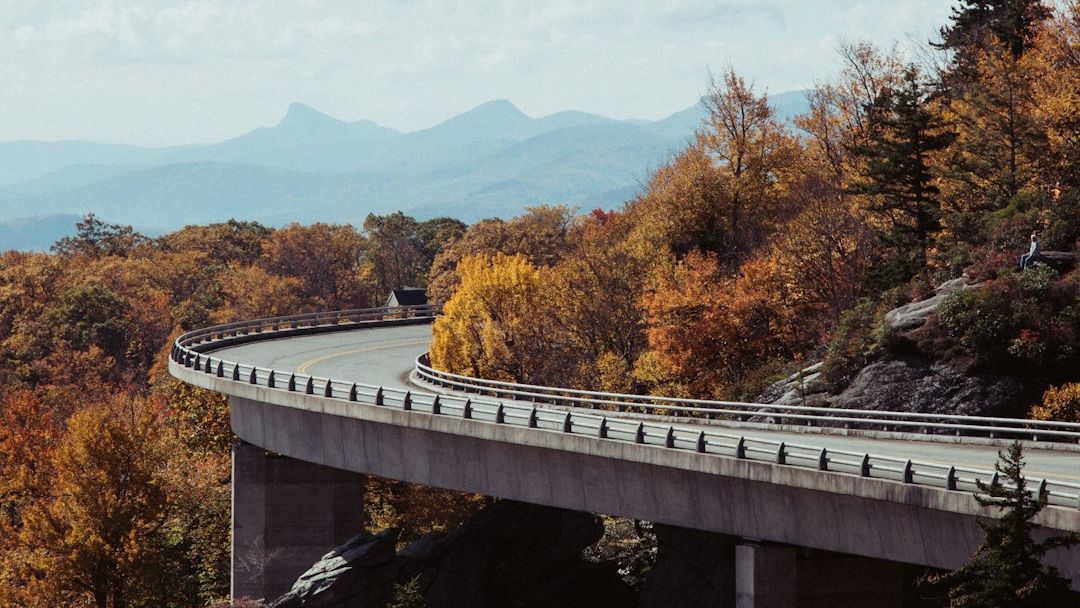

There’s something almost magical about the idea of leaving behind the roar of semi-trucks and the monotony of interstate exits. Imagine winding through mountain passes where the only sound is the rush of wind through pine trees, or cruising along ridgetops where valleys stretch out like rumpled blankets below you. The interstates get you there fast, sure. They’re efficient. Practical. Yet somewhere between mile marker 147 and the next rest area, you realize you’re missing the America that exists just beyond the asphalt.
Hidden scenic backroads offer something the interstates never will: discovery. These routes feel personal, almost secret, even though thousands have driven them before. They’re slower by design, demanding your attention not because of traffic but because of what lies around every bend. Let’s be real, though – taking the backroads isn’t always convenient. You might miss your ETA by a couple hours, and your GPS will probably glare at you disapprovingly. Still, if you’re craving landscapes that make you pull over just to stare, it’s worth it.
The Blue Ridge Parkway: A Winding Ribbon Through Appalachian Majesty
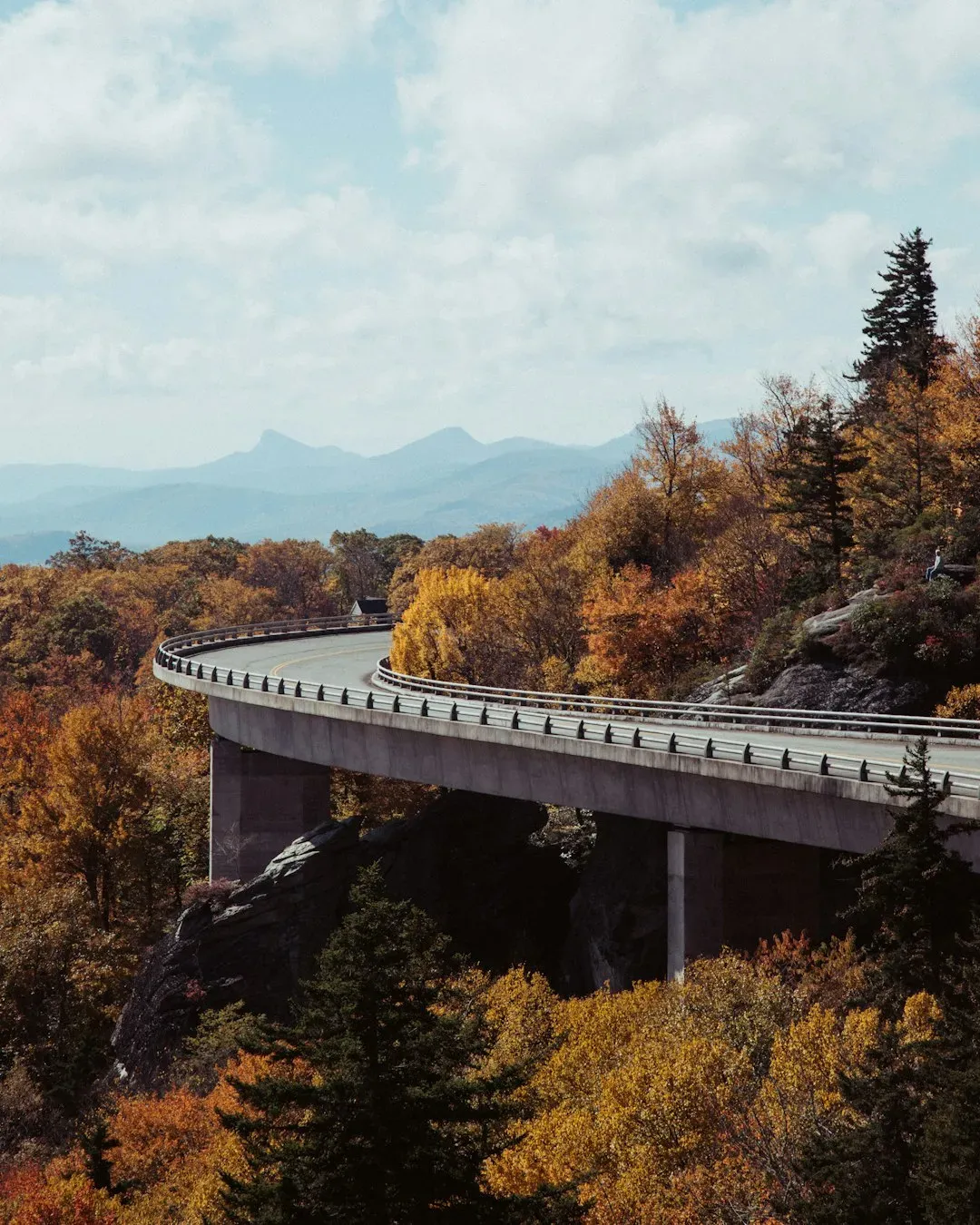
The Blue Ridge Parkway stretches 469 miles through the Appalachian Mountains and is often referred to as “America’s Favorite Drive.” This isn’t just marketing speak. Honestly, when you’re navigating those curves with mountain vistas unfolding on both sides, it feels earned.
What sets this parkway apart is its deliberate pace. The route features 272 overlooks, with an overlook appearing roughly every 1.7 miles on average. Each one offers a slightly different perspective – some face valleys bathed in morning mist, others look out over peaks that seem to go on forever. Winding through North Carolina and Virginia, the scenic byway attracts nature lovers, photographers, and anyone seeking a peaceful escape into the mountains. During fall, the entire corridor transforms into a cascade of golds and reds. It’s almost too beautiful to feel real.
I think what surprises people most is how accessible it is. You don’t need special permits or hardcore 4×4 vehicles. Just time and maybe a willingness to stop more than you planned.
Trail Ridge Road: Where the Sky Meets Alpine Tundra
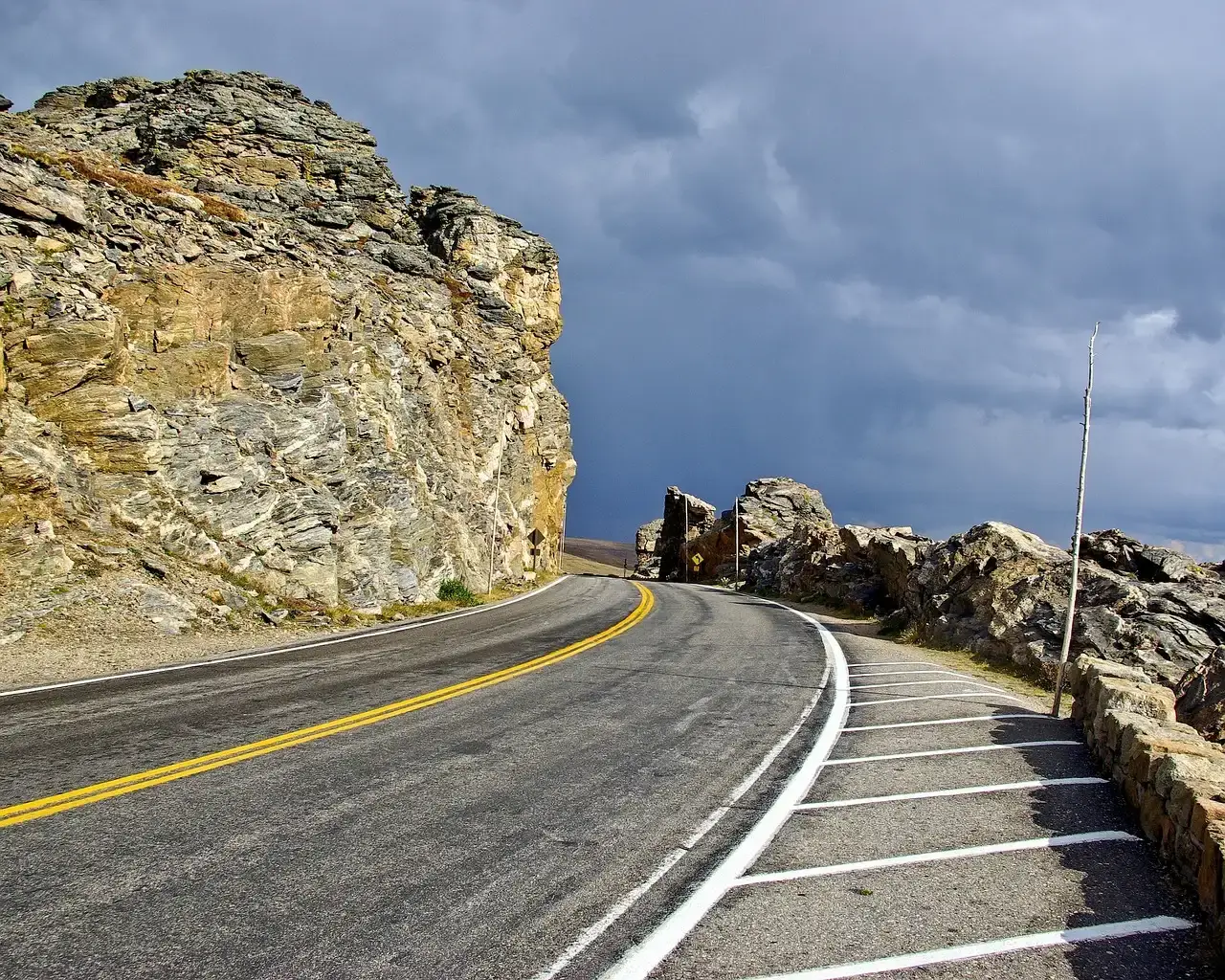
Soaring to an elevation of 12,183 feet, Trail Ridge Road seems to leave the earth behind as it slices through the heart of Rocky Mountain National Park. It stands as the highest continuous paved road in the United States, with eight miles running through alpine tundra where it’s too cold for trees to grow. Up there, the air feels thinner, sharper, and the landscape looks almost lunar.
Sharp-eyed observers can usually spy elk, bighorn sheep, mule deer, moose, and many other species of wildlife traversing the meadows and crags. The wildlife doesn’t just appear in the distance, either. Sometimes a bighorn sheep will stand right by the roadside, watching you with an expression that seems to say, “You’re in my territory now.” Distant peaks loom in all directions, while fragrant wildflowers blanket the tundra in mid-summer.
The road typically opens from late May through mid-October, depending on snowfall. Missing that window means waiting another year, so timing matters here more than most drives.
Historic Route 66: The Nostalgic Backbone of American Road Culture
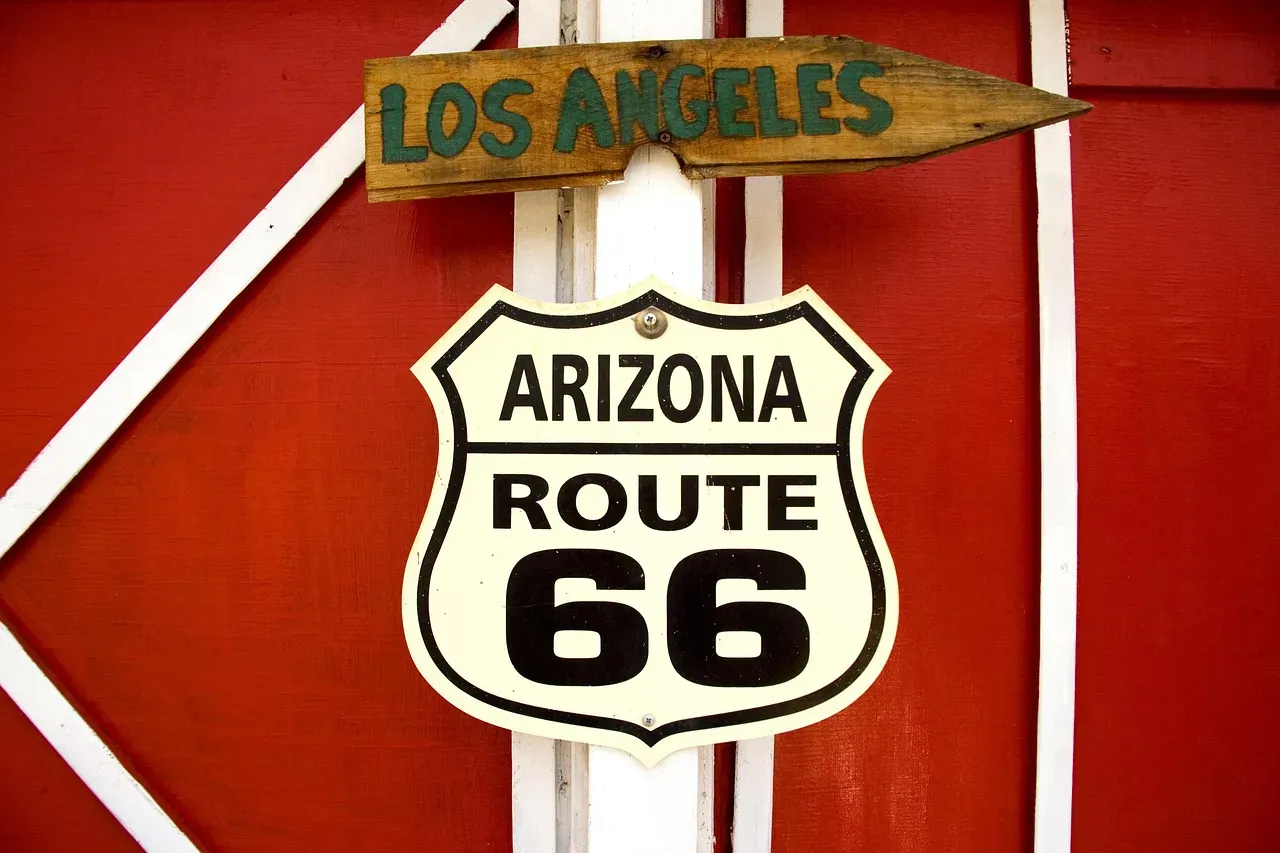
Route 66 holds a special place in the American imagination, even though much of it has been bypassed by faster interstates. It’s not just a road – it’s a time capsule. Stretching from Illinois to California, this legendary route captures a sense of classic American road trip culture that feels almost rebellious in today’s hurried world.
You’ll find vintage diners with neon signs, roadside attractions that verge on the absurd, and small towns that seem frozen in the 1950s. Some stretches are rough around the edges, honestly. Cracked pavement, faded paint, motels that have seen better decades. Yet that worn quality is part of the charm. It’s a reminder that not everything has to be polished to be meaningful.
Driving Route 66 means accepting a slower pace and embracing the quirks. You might stumble upon a giant blue whale sculpture in Oklahoma or a preserved Wigwam Motel in Arizona. These oddities are what make the journey memorable.
Talimena Scenic Drive: Autumn’s Hidden Gem in the Ouachita Mountains
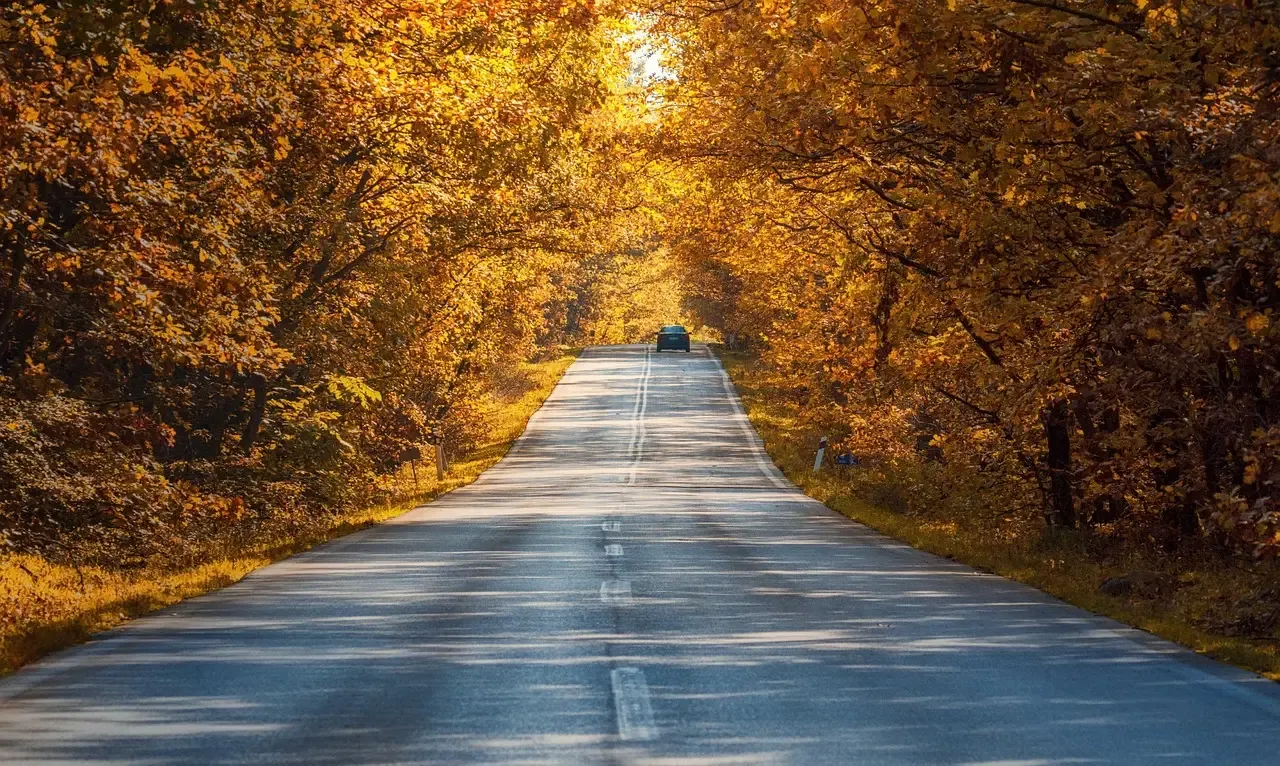
The Talimena National Scenic Byway, a breathtaking 54-mile route in southeast Oklahoma, is designated by the U.S. Department of Transportation as an official National Scenic Byway and was built specifically to highlight the area’s beautiful foliage. It spans one of the highest mountain ranges between the Appalachians and the Rockies.
Awash in vibrant shades of red and gold, the forested slopes surrounding Talimena Drive make this scenic byway an autumn hot spot and regional crown jewel. The drive travels across Rich Mountain and Winding Stair Mountain in the Ouachita National Forest, with more than 15 scenic vistas located along Oklahoma’s stretch. Peak foliage typically arrives during the last week of October through the first week of November, when the mountains seem to catch fire with color.
What I find appealing about Talimena is how under-the-radar it remains. Sure, it gets busy during fall weekends, yet it lacks the overwhelming crowds you’ll find on more famous routes. It feels like a secret shared among locals and savvy travelers.
The Alpine Loop: A Rugged Journey Through Colorado’s Mining Past
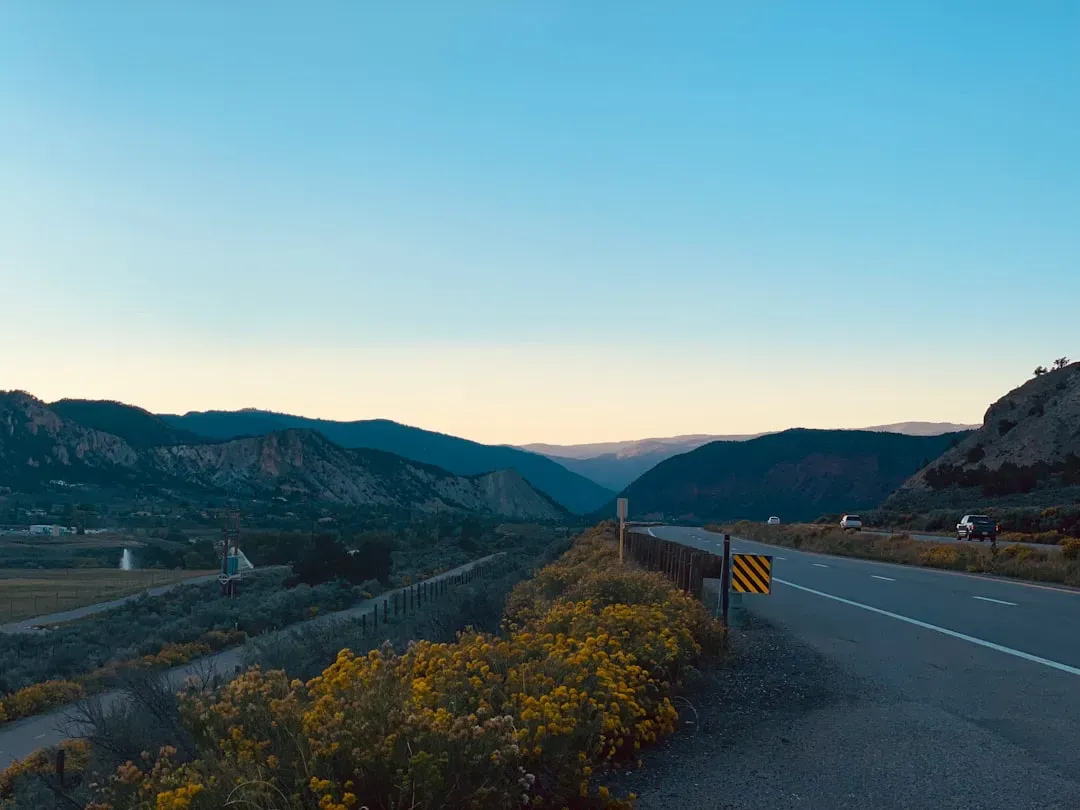
The Alpine Loop covers 65 miles of roads between Lake City, Ouray, and Silverton, Colorado, and depending on winter snow, opens in late May or early June and closes in late October. The loop leaves pavement and people behind, crossing the remote, rugged heart of the San Juan Mountains and requiring a high-clearance four-wheel-drive vehicle to navigate two mountain passes that reach over 12,000 feet.
Traveling primarily through backcountry, this 4×4 route passes numerous ghost towns, including Animas Forks, where an astounding 25 feet of snow fell in 23 days in 1884. These rocky roads were first used by 19th-century miners who carted their ore off to Silverton, Ouray, and Lake City in mule-drawn wagons, and today visitors can explore abandoned town sites, structures, and other former mining haunts. Rusty machinery and weathered wooden buildings stand as reminders of the boom-and-bust cycles that shaped this region.
It’s hard to convey just how wild the scenery is up here. Alpine meadows burst with wildflowers in July. Rocky peaks jut skyward with sharp, dramatic angles. The air is so clear that distant mountains feel close enough to touch.
Crowley’s Ridge Parkway: An Unexpected Treasure in the Heartland
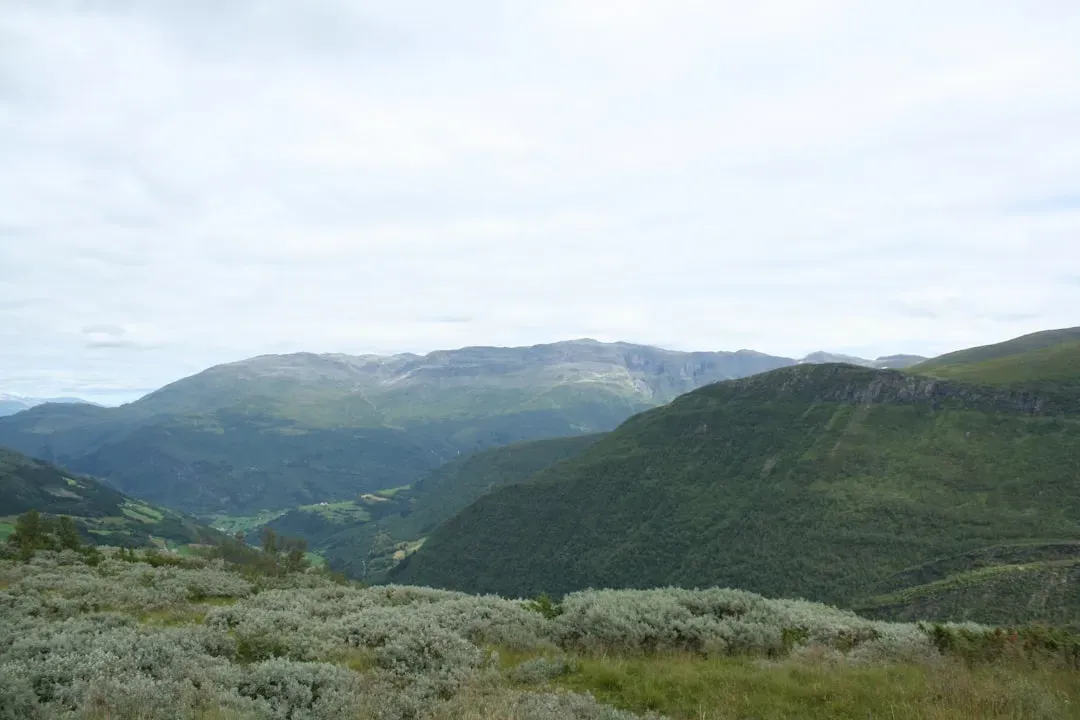
Crowley’s Ridge Parkway might not appear on most bucket lists, yet it deserves more attention. This route covers over 200 miles along a unique sedimentary ridge crossing northeastern Arkansas and southeastern Missouri, known for its rolling hills, wooded landscapes, and small historic towns. The ridge itself rises unexpectedly from the surrounding flatlands, creating a landscape that feels out of place in the best possible way.
The parkway winds through dense forests and farmland, passing through small communities where the pace of life slows to a crawl. You’ll find family-run diners, antique shops housed in century-old buildings, and locals who actually wave as you drive by. It’s the kind of place where you stop for directions and end up hearing someone’s life story.
What strikes me most is the sense of isolation despite being relatively accessible. You won’t encounter tour buses or crowded overlooks. Just quiet roads and landscapes that feel untouched by the rush of modern life.
The International Selkirk Loop: A Cross-Border Scenic Adventure
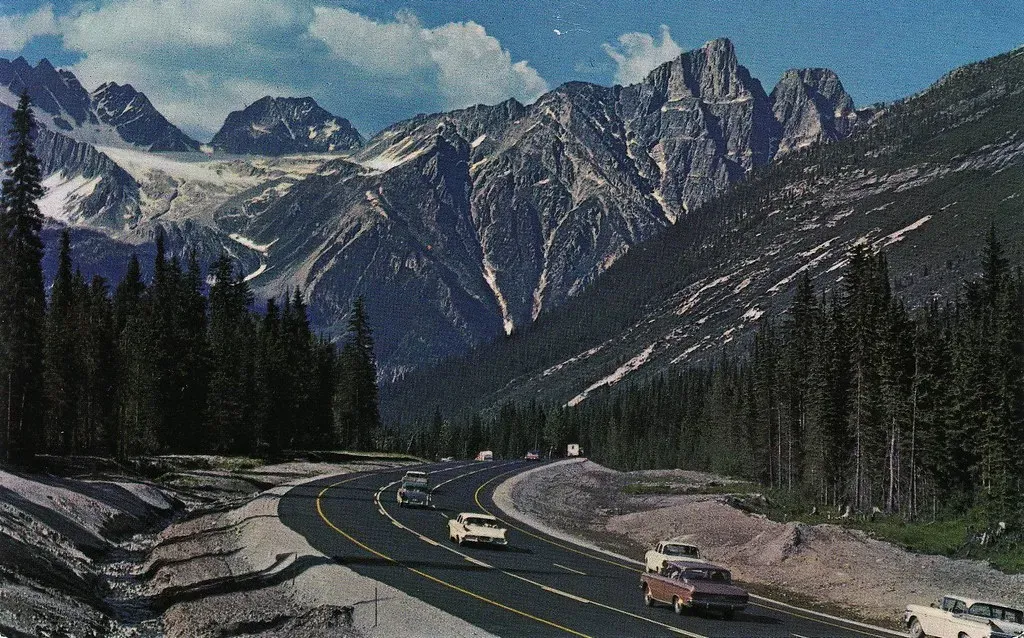
The International Selkirk Loop spans about 280 miles across Idaho, Washington, and into Canada, circling the Selkirk Mountains and providing a quieter yet dramatic alternative to main thoroughfares. This route takes you through dense forests, past glacial lakes, and over mountain passes that offer sweeping views of peaks stretching toward the horizon.
The loop crosses international borders, which adds a layer of adventure to the journey. You’ll need a passport, obviously, yet the border crossings along this route tend to be less hectic than major entry points. The Canadian portion introduces you to charming mountain towns and a slightly different flavor of wilderness.
Wildlife sightings are common here. Black bears, elk, and deer roam freely, and if you’re lucky, you might spot a moose wading through a roadside marsh. The loop encourages exploration at your own pace, with plenty of opportunities to pull over and simply absorb the stillness.
National Scenic Byways: America’s Network of Designated Beauty
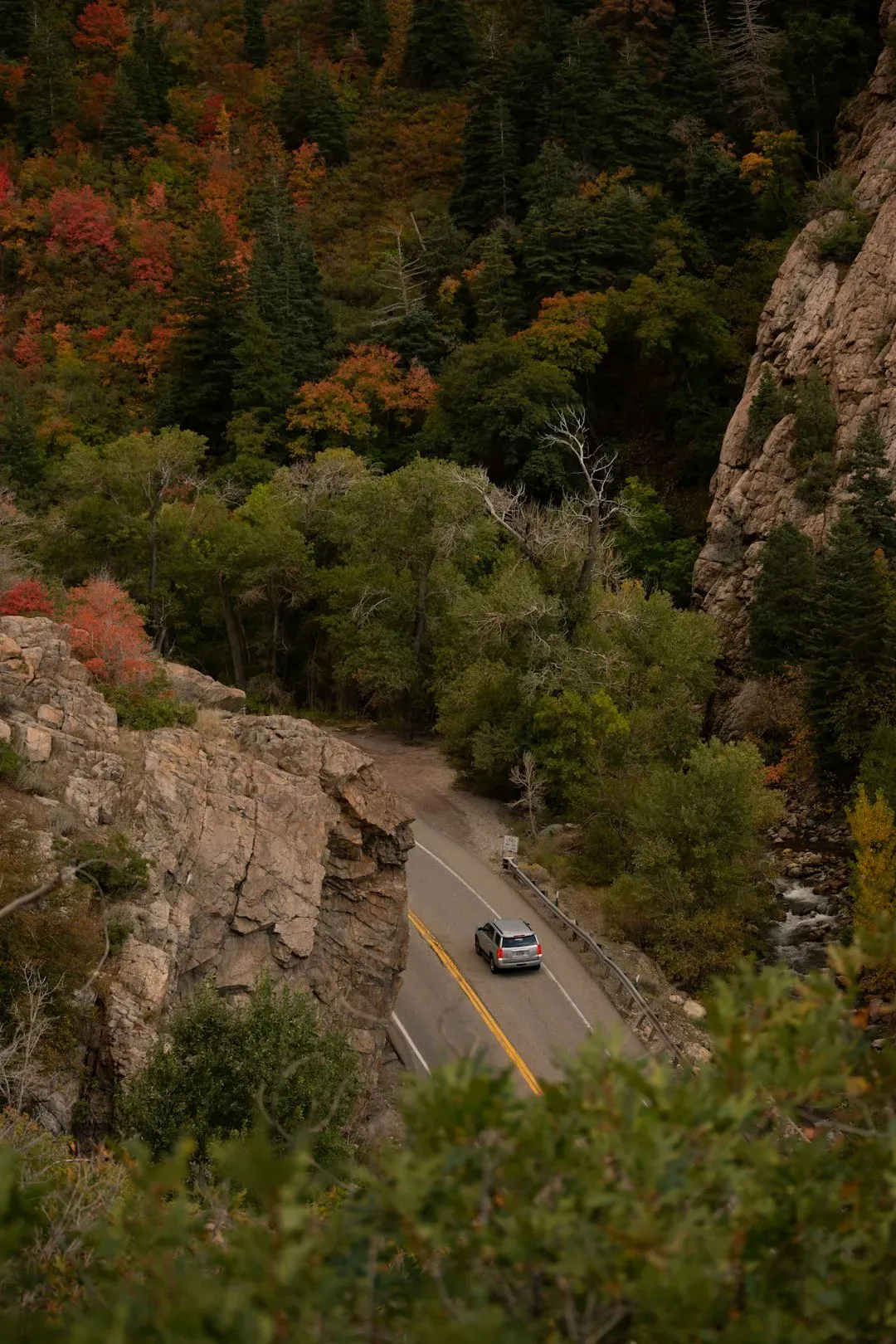
There are 184 federally designated scenic byways in the United States, known as National Scenic Byways and All-American Roads, offering backroad experiences with remarkable landscapes and cultural sites off the interstate highway system. These routes have earned their designation by meeting specific criteria related to scenic, historic, cultural, natural, recreational, or archaeological qualities.
The designation process ensures that these roads genuinely offer something special. It’s not just about pretty views – though those are certainly part of the package. Many byways tell stories about the people who shaped the land, from indigenous tribes to pioneer settlers to miners seeking their fortunes. In addition to America’s Byways, most states have additional scenic drives, with North Carolina offering over 60 routes beyond the Blue Ridge Parkway, New Hampshire featuring 17 scenic drives, Wyoming hosting 22, and West Virginia maintaining 20.
These byways are maintained with care, often featuring interpretive signs and pull-offs that provide context. They’re designed to encourage slower travel and deeper engagement with the landscape.
Wildlife Encounters and Natural Wonders Beyond the Highways
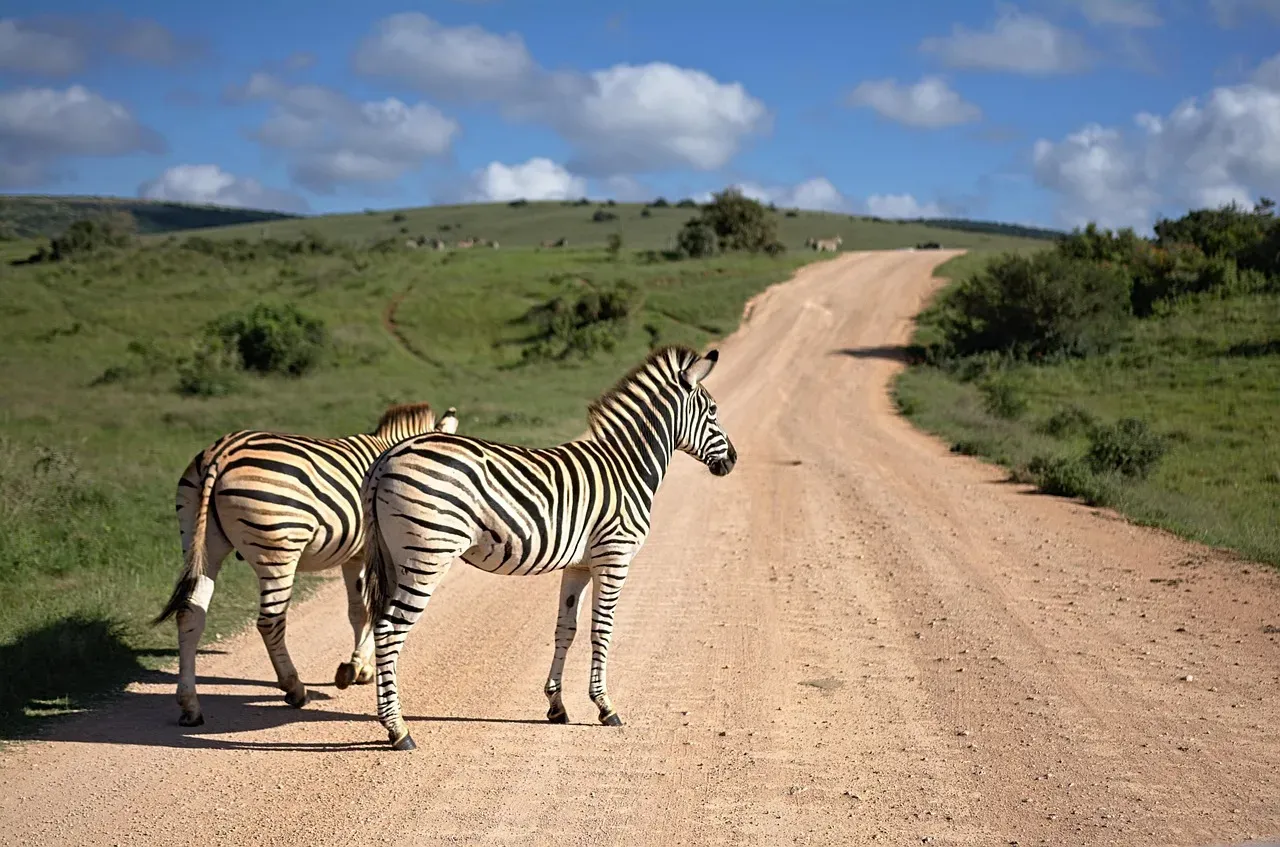
There are countless “hidden” scenic roads beyond official byways, including local favorite routes that connect rural landscapes, wildlife habitats, and historic landmarks, often shared in travel communities and guides. These lesser-known routes offer some of the best opportunities for wildlife encounters and natural discoveries.
On backroads, animals behave differently than they do near major highways. They’re less skittish, more likely to linger. I’ve watched elk graze in meadows just feet from the roadside, completely unbothered by my presence. Deer cross at their own leisurely pace, and birds perch on fence posts like they’re posing for photographs.
The natural features you encounter on these routes often feel more intimate than those along interstates. Waterfalls tucked into narrow canyons. Hot springs steaming in cold mountain air. Rock formations that have been sculpted by wind and water over millennia. You have time to stop and actually experience these places rather than just glimpsing them from a speeding car.
The Growing Trend Toward Slower, More Intentional Travel
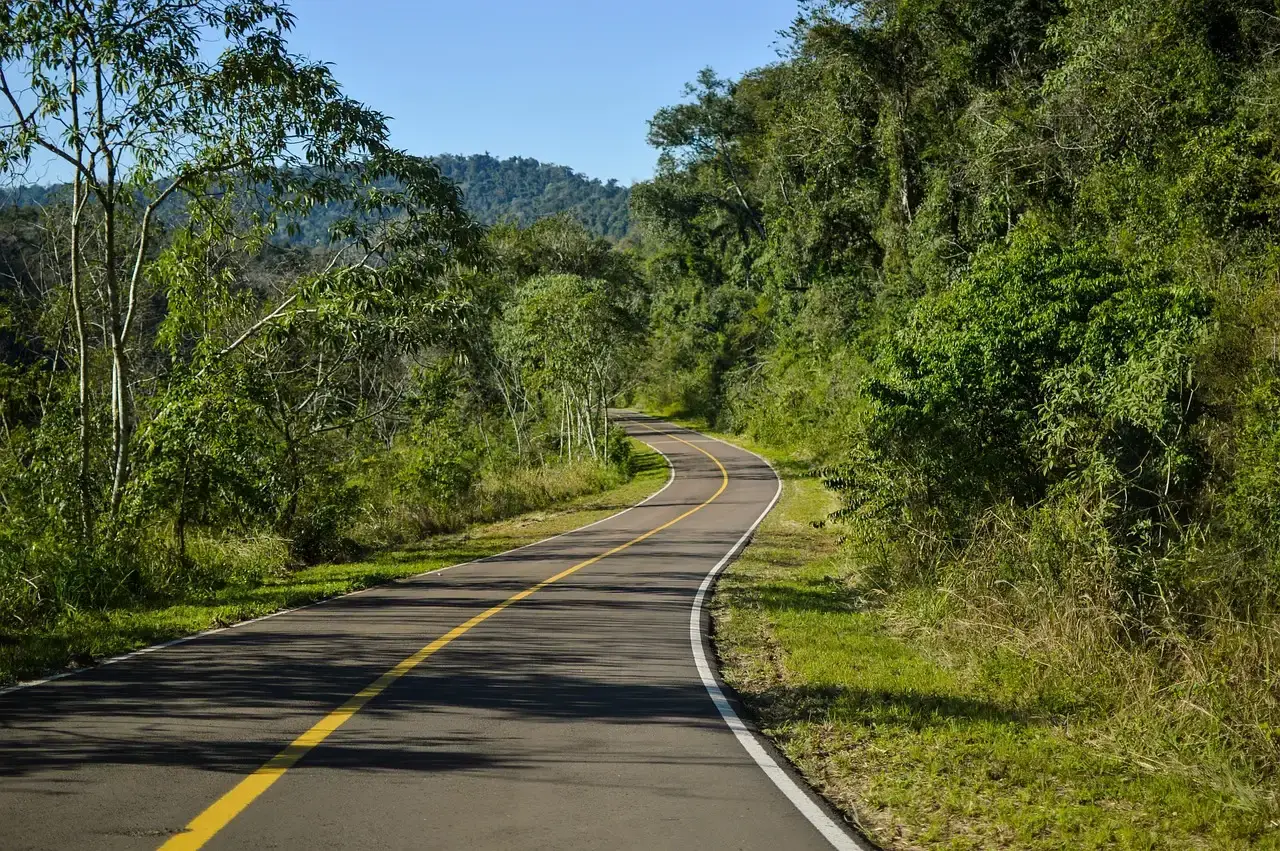
Scenic backroads encourage slower travel and deeper exploration, a trend seen in U.S. road-trip culture between 2023 and 2025, with travelers increasingly seeking routes where natural beauty, local culture, and solitude are focal points rather than just getting from point A to B. More people are seeking unique and adventurous outdoor experiences, with the demand being met by offering even more choice in more destinations for all kinds of travelers.
This shift makes sense when you think about it. After spending hours on Zoom calls and scrolling through endless social media feeds, people crave something real. Backroads deliver that in ways interstates simply can’t. There’s no rush, no pressure to make the next exit in 10 minutes. Just you, the road, and whatever you discover along the way.
The trend extends beyond just millennials seeking Instagram-worthy moments. Families, retirees, and solo travelers are all embracing this slower approach. It’s about reclaiming time and attention in a world that constantly demands both.
Final Thoughts
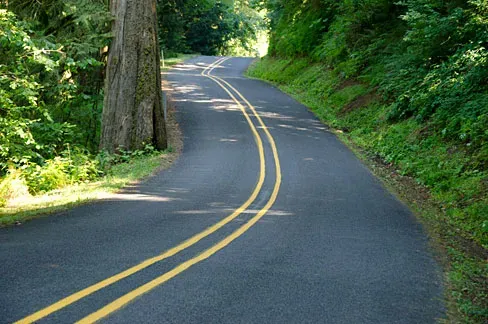
Hidden scenic backroads remind us that the journey really can matter more than the destination. Sure, interstates serve their purpose – they’re essential for commerce and efficient travel. Yet when you’re looking for something more than just arrival, when you want to remember not just where you went but how it felt to get there, backroads are where the magic happens.
These routes require patience and a willingness to let go of rigid schedules. They reward curiosity and offer experiences that stick with you long after you’ve returned home. Whether it’s the alpine majesty of Trail Ridge Road or the nostalgic pull of Route 66, each backroad tells a story that you become part of by simply showing up and paying attention.
So next time you’re planning a trip, consider skipping the fastest route. Take the backroad instead. What moments of beauty are you willing to miss by staying on the interstate?