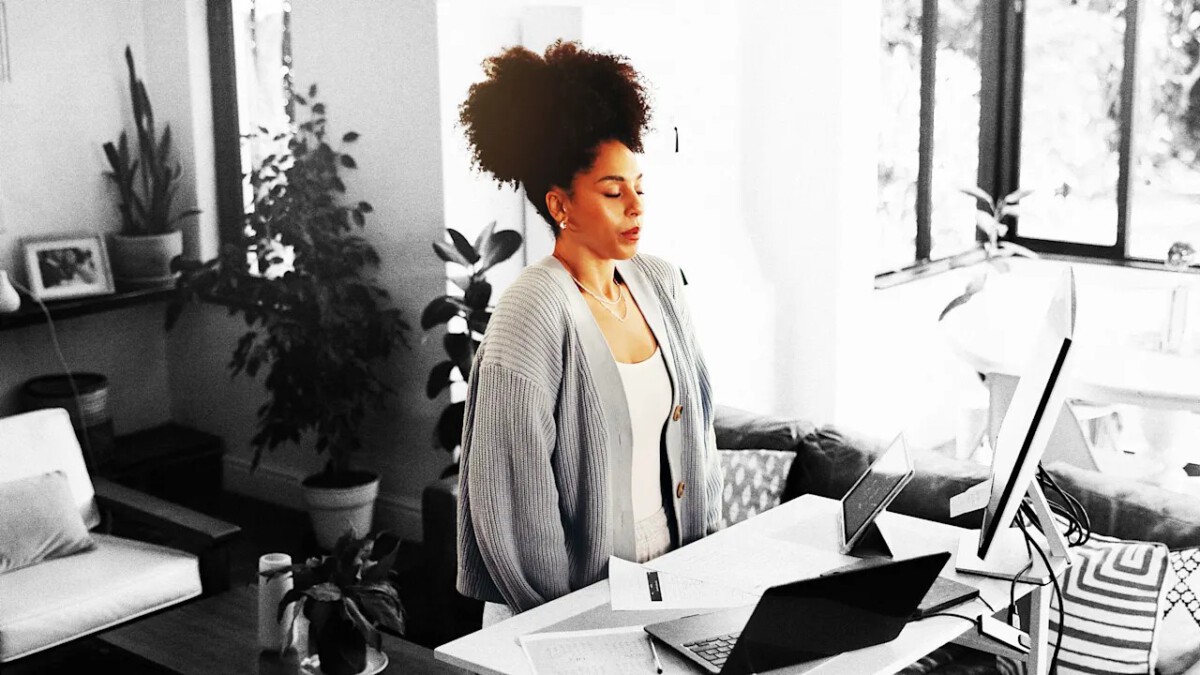
Videos Explode as Burnout Hits Record Levels (Image Credits: Images.fastcompany.com)
Workers turned to short-form videos on TikTok to share quick rituals aimed at easing the relentless tension of modern office life.
Videos Explode as Burnout Hits Record Levels
The hashtag #nervoussystemhealing amassed 178,500 videos, capturing a collective pushback against daily stressors that mimic life-threatening dangers.
Creators depicted frantic shakes in office bathrooms or deliberate slowdowns at desks, highlighting how notifications and deadlines hijacked the body’s ancient survival mechanisms. Glassdoor crowned “fatigue” its word of the year for 2025, while trend forecasters at WGSN foresaw 2026 as the era of “Great Exhaustion.” These clips revealed a workforce grappling with chronic activation, where minor pings felt like predator pursuits.
Understanding the Science Behind the Shakes
The nervous system toggles between high-alert fight-or-flight mode and restorative rest-and-digest states, a balance essential for resilience.
“‘Nervous system regulation’ refers to our body’s ability to shift between stress (fight or flight) and calm (rest and digest) in a healthy and balanced way,” Dr. Jair Olivares, clinic director at SHA Mexico, explained. When dysregulated, people experienced unexplained anxiety, fatigue, or irritability. Constant digital barrages, sedentary postures, and skipped breaks perpetuated this cycle, depriving the body of safety cues.
Workplace Triggers Fuel the Trend
Perfectionism and hyper-vigilance served evolutionary purposes but backfired in cubicles, where Slack alerts provoked outsized responses.
“When this system is dysregulated, we may feel anxious, fatigued, irritable, or burned out even without obvious causes,” Dr. Olivares noted. Poor ergonomics, dim lighting, and erratic eating amplified the strain. The trend’s popularity underscored broader burnout epidemics, prompting employees to reclaim control through accessible hacks rather than waiting for systemic fixes.
Simple Techniques Gaining Traction
TikTok users popularized micro-interventions to signal calm to the brain, often demonstrated in under 30 seconds.
Common methods included:
- Deep belly breathing to activate the parasympathetic response.
- Vagus nerve stimulation via humming, gargling, or gentle neck taps.
- Body shakes or wrist flutters to discharge pent-up energy.
- Mindful posture shifts, like upright sitting or paced walking meetings.
- Affirmations reframing tasks: “Your urgency is not my emergency.”
These drew from established practices, offering immediate relief without equipment. Experts urged starting with breathwork before pursuing deeper habits, such as scheduled unplugging. For more on breathing tactics, see guidance from Fast Company.
Key Takeaways for a Calmer Workday
- Prioritize micro-breaks to reset stress responses amid packed schedules.
- Recognize non-emergencies like emails to prevent chronic dysregulation.
- Integrate movement and breathwork for sustained mental resilience.
This TikTok surge signals a pivotal shift: employees innovating self-care amid exhaustion. Businesses that ignore it risk higher turnover and dips in productivity. What techniques have you tried to steady your nerves at work? Share in the comments.