
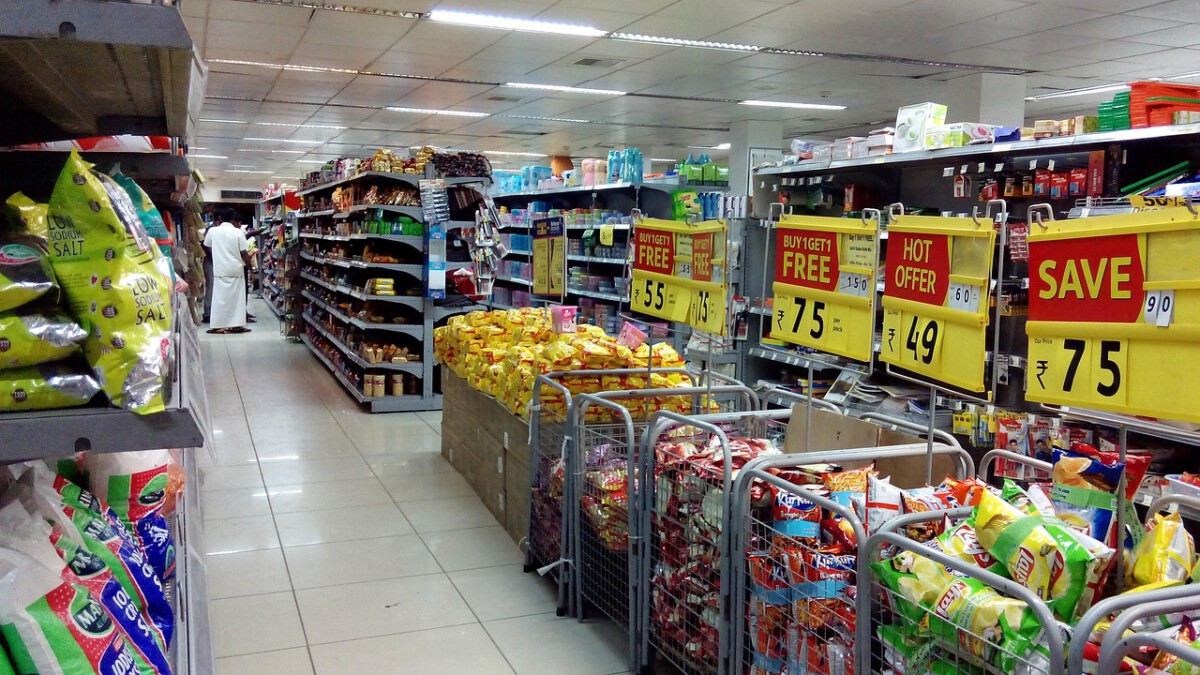
Promotions Backfire on Profitability (Image Credits: Pixabay)
Retailers faced intensified pressure to discount inventory throughout the 2025 holiday season, which surpassed $1 trillion in sales according to the National Retail Federation, even as unit sales declined amid higher prices.
Promotions Backfire on Profitability
Kohl’s provided a stark example in its third-quarter fiscal 2025 results, where gross margins edged higher year-over-year but operating income fell alongside weaker sales, as detailed in the company’s investor report.
This pattern extended beyond one chain. Target resorted to aggressive markdowns and order cancellations in 2022 to address excess stock in categories like apparel and home goods, a move that stabilized inventory but hammered short-term profits, per industry analysis.
Lululemon encountered similar headwinds more recently, ramping up promotions amid softening U.S. demand and fiercer competition in athleisure from rivals such as Vuori and Athleta, according to Retail Dive.
These cases illustrate a common retail struggle: discounts clear shelves quickly but rarely enhance operating efficiency or customer retention over time.
The Self-Reinforcing Cycle of Deeper Cuts
Consumers increasingly conditioned to hunt bargains created mounting urgency for retailers in 2025, with data from Circana showing weakened holiday momentum due to price sensitivity from factors like tariffs, as reported here.
This environment fostered a predictable loop that undermines sustainability.
- Buyers hold off on purchases, anticipating sales events.
- Retailers respond with steeper reductions to spur volume.
- Shrinking margins necessitate even more aggressive tactics in future periods.
Eventually, brand choice hinges solely on price, eroding the emotional ties that drive repeat visits.
Shifting Focus to Experience-Driven Bonds
True loyalty emerges from interactions that leave customers feeling valued, not just from temporary price relief.
Brands that emphasize recognition and seamless fulfillment after the sale foster deeper connections, contrasting with discount-heavy tactics that prioritize checkout over ongoing relationships.
Many strategies still overload channels with pre-sale offers, leaving lifetime value untapped despite abundant data on shopper preferences.
Strategies That Prioritize Value Over Volume
Forward-thinking retailers are pivoting to stable pricing models that discourage habitual deal-waiting.
Post-purchase perks, such as tailored recommendations or exclusive access, build affinity without eroding margins.
Personalization treats individuals as priorities, reinforcing relevance in a fragmented market.
These approaches position brands as partners in the customer’s journey, promising steadier revenue streams into 2026.
- Discounts deliver immediate inventory relief but often at the expense of margins and loyalty.
- A feedback loop of escalating promotions traps retailers in price competition.
- Experience-focused tactics, like personalization, cultivate enduring customer relationships.
Retail leaders who temper discounting with investments in meaningful engagements will secure advantages in a value-conscious era. Discounts suit peak seasons, yet as a core strategy, they reshape expectations destructively. What strategies have you seen succeed in balancing promotions with loyalty? Share in the comments.