
The Constitution Almost Came Without Your Rights
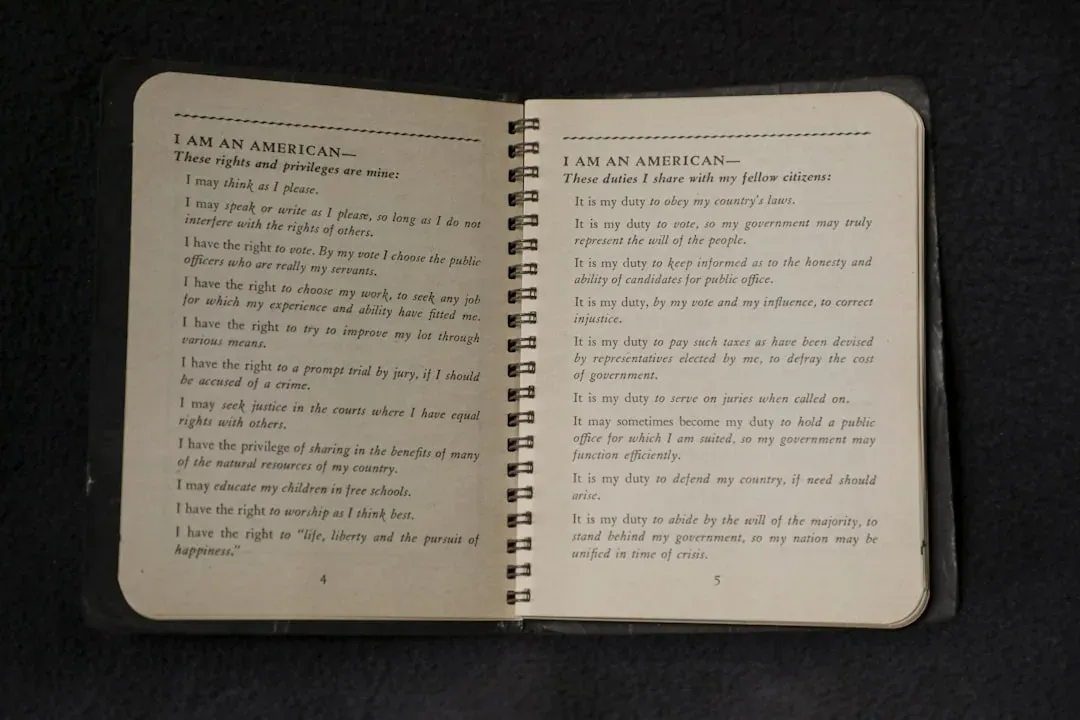
The 1787 Constitutional Convention considered and rejected a Bill of Rights. It’s hard to believe now, considering how sacred those first ten amendments feel to American identity. Many Federalists actually argued that listing rights was dangerous, believing people might assume they only had the rights written down.
They thought no list of rights could be complete and that therefore it was best to make no list at all. Only after pressure from opponents of the new national government were the first 10 amendments adopted. Imagine if Anti-Federalists hadn’t pushed back so forcefully. Freedom of speech, freedom of religion, the right to bear arms – none of these protections would have been explicitly guaranteed in our founding document.
Washington Never Got a Popular Vote
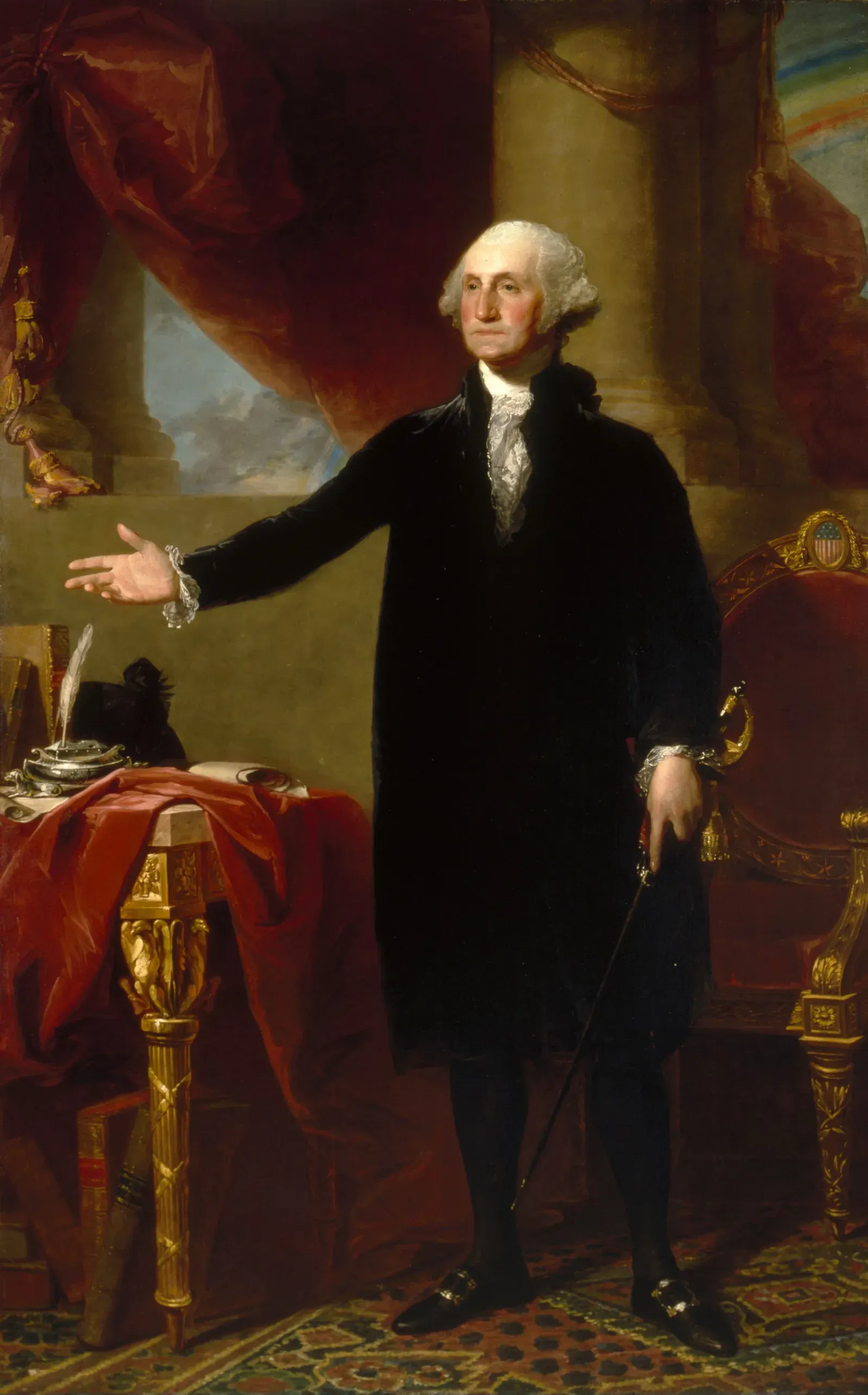
George Washington was unanimously elected president of the United States with 69 electoral votes. Sounds democratic, right? Not exactly. The reality is that ordinary Americans had virtually no say in choosing the first president.
Only six of the 11 states eligible to cast electoral votes chose electors by any form of popular vote, less than one percent of the population voted, and those states that did choose electors by popular vote had widely varying restrictions on suffrage via property requirements. White male property owners controlled the process. In many states, legislatures simply appointed electors without asking citizens at all. Washington’s unanimous victory wasn’t really a reflection of public will – it was a decision made by a tiny, privileged group.
Independence Day Is Actually the Wrong Date
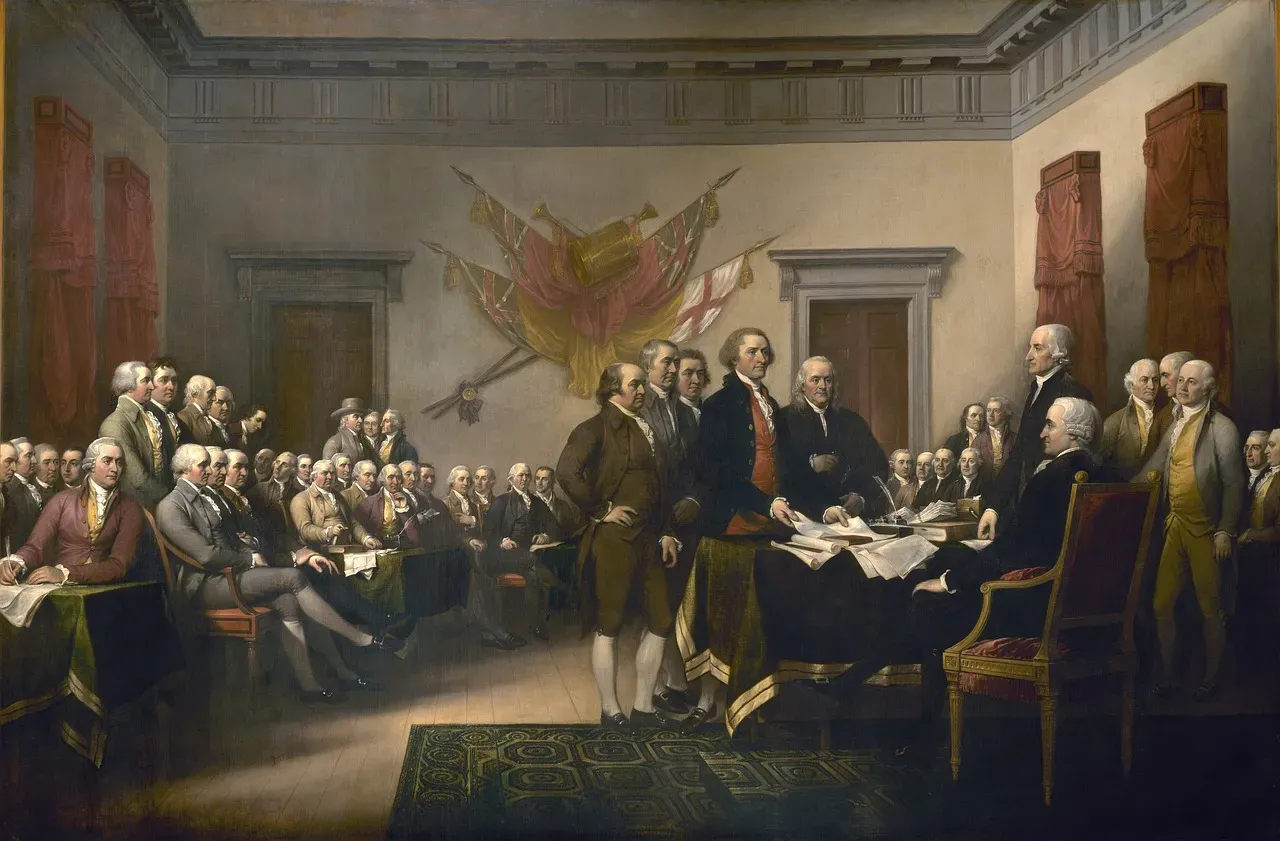
July fourth is sacred in America. Fireworks, barbecues, celebrating freedom – we’ve been doing it wrong. Well, not wrong exactly, just celebrating the adoption rather than the actual signing.
Most historians have concluded that it was signed on August 2, 1776, nearly a month after its adoption, and not on July 4 as is commonly believed. On August 2, 1776, members of the Second Continental Congress, including John Hancock, began signing the engrossed copy of the Declaration of Independence in Philadelphia. The fourth of July marked when Congress approved the text, nothing more. Subsequent research has confirmed that many of the signers had not been present in Congress on July 4, and that some delegates may have added their signatures even after August 2.
Northern States Kept Slaves for Decades After Independence
Here’s the thing most textbooks gloss over: slavery wasn’t just a Southern institution. Northern states practiced it enthusiastically, and they didn’t end it quickly.
New York passed a 1799 law for gradual abolition that freed no living slave, after that date children born to enslaved mothers were required to work for the mother’s enslaver as indentured servants until age 28 for men and 25 for women, and the last enslaved persons were freed on July 4, 1827. That’s more than fifty years after the Declaration proclaimed all men created equal. New York was the first state to pass a law for the total abolition of legal slavery. New Jersey was even slower. Think about that – states we consider “free” were actively enslaving people well into the nineteenth century.
Enslaved People Built the White House
The iconic symbol of American democracy, the residence of every president, was constructed largely through forced labor. Officials turned to African Americans – enslaved and free, but primarily enslaved – to provide the bulk of labor that built the White House, the United States Capitol, and other early government buildings.
Enslaved laborers participated in every stage of building construction, from the quarrying and transportation of stone to the construction of the Executive Mansion. Most of these enslaved laborers were hired out from slave owners from southern Maryland, northern Virginia, and Washington, D.C. on a contract basis. The government didn’t technically own them, just rented their bodies. Roughly over two hundred known enslaved individuals worked on these projects. Their contributions were deliberately excluded from official narratives for generations.
America’s Capital Moved Nine Times
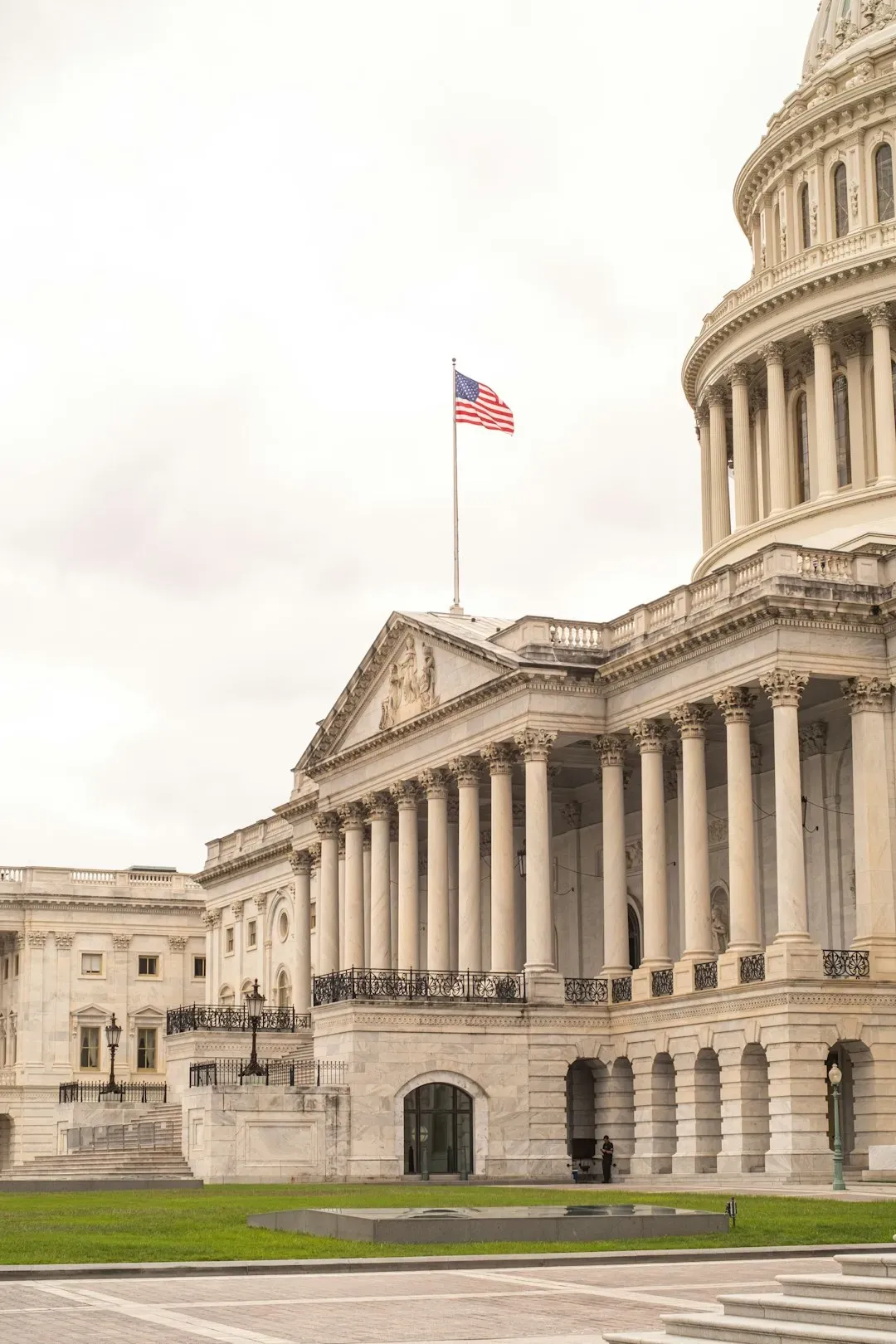
Washington, D.C. feels eternal, like it was always meant to be the nation’s heart. Reality? The government bounced around like a tourist without a plan.
Before settling on the Potomac, Congress met in Philadelphia, New York City, Annapolis, and several other locations between 1774 and 1800. Political disputes, military threats, and practical concerns kept the capital shifting. Philadelphia served as capital for a decade while Washington was under construction. New York City hosted George Washington’s inauguration. The idea of a permanent federal district was actually controversial – states fought over where it should be, who would control it, and what it would mean for regional power.
Women Fought for Workers’ Rights Before They Could Vote
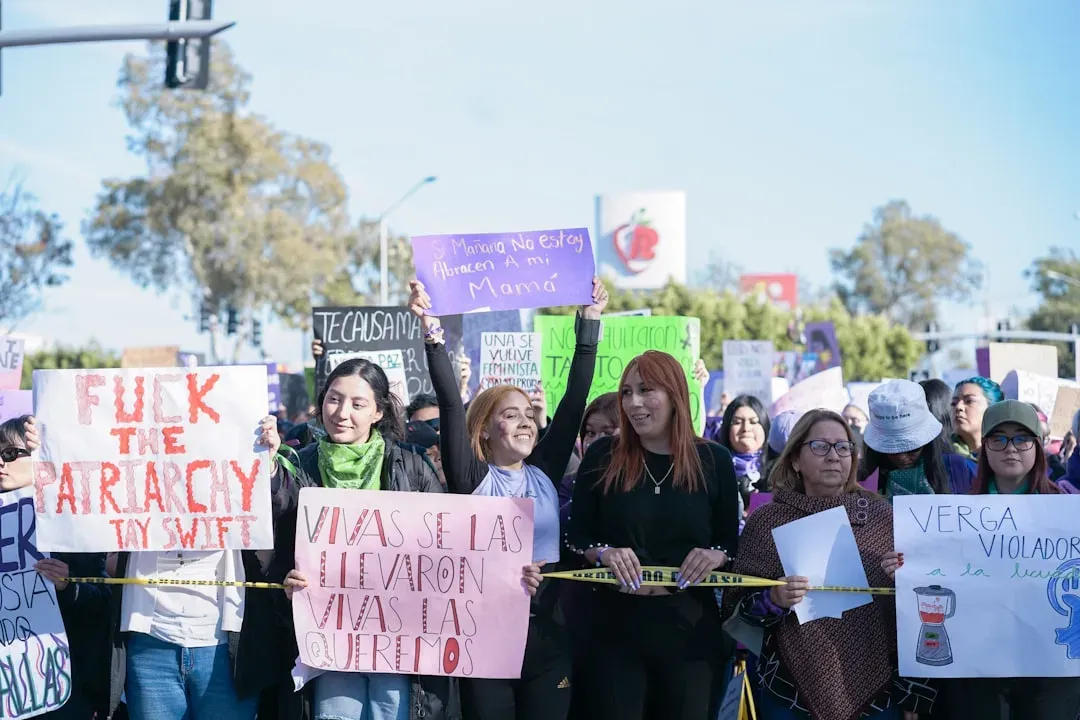
Decades before suffrage, women were organizing massive labor protests. The Lowell Mill Girls in the eighteen thirties walked off their factory jobs demanding better wages and working conditions. These weren’t isolated incidents either – they were coordinated strikes that challenged the entire industrial system.
These women understood their exploitation and refused to accept it silently. They published their own newspapers, formed labor associations, and pushed back against mill owners who treated them as disposable. They did all this without the right to vote, without legal standing in many contracts, without most of the protections we take for granted. Their activism laid groundwork for labor movements that followed, proving you don’t need official political power to demand justice.
The Civil War Was Always About Slavery
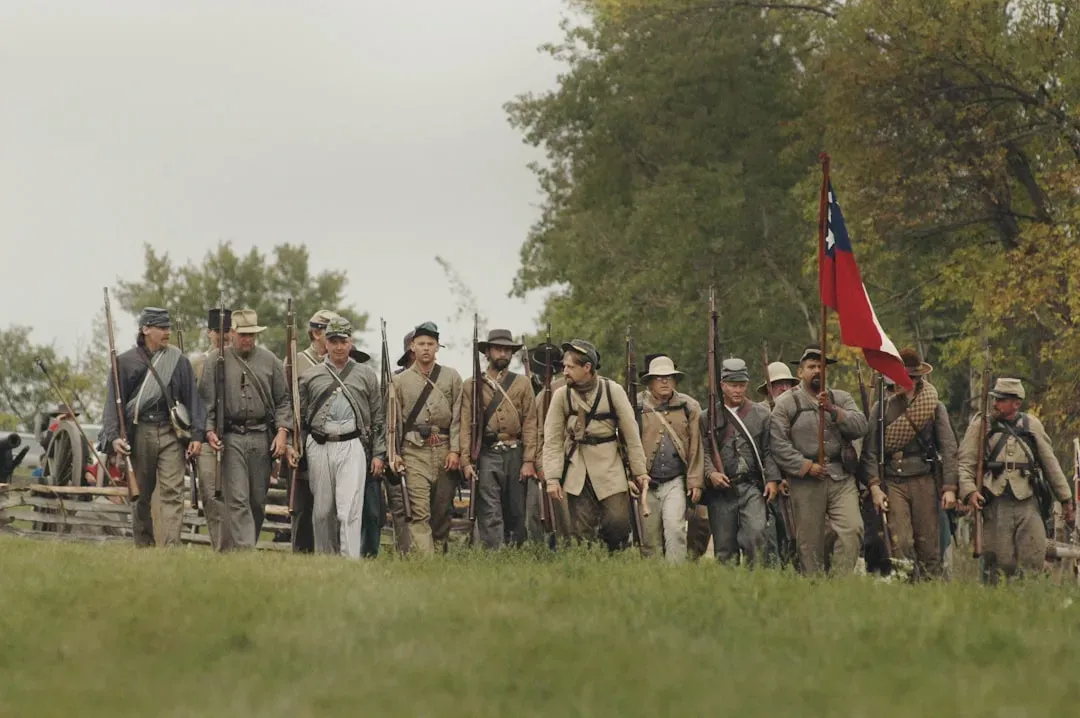
Let’s be real – there’s still debate about whether the Civil War was fought over slavery or states’ rights. Modern historians have settled this conclusively. Confederate states themselves said it was about slavery.
Secession declarations from Southern states explicitly cited preservation of slavery as their primary motivation. Mississippi’s declaration stated that their position was “thoroughly identified with the institution of slavery.” South Carolina’s convention declared that non-slaveholding states had denounced slavery as sinful. Georgia, Texas – they all said the same thing. The “states’ rights” argument emerged later as historical revisionism. The right they were defending was specifically the right to enslave other human beings.
Native Americans Weren’t Citizens Until Nineteen Twenty-Four
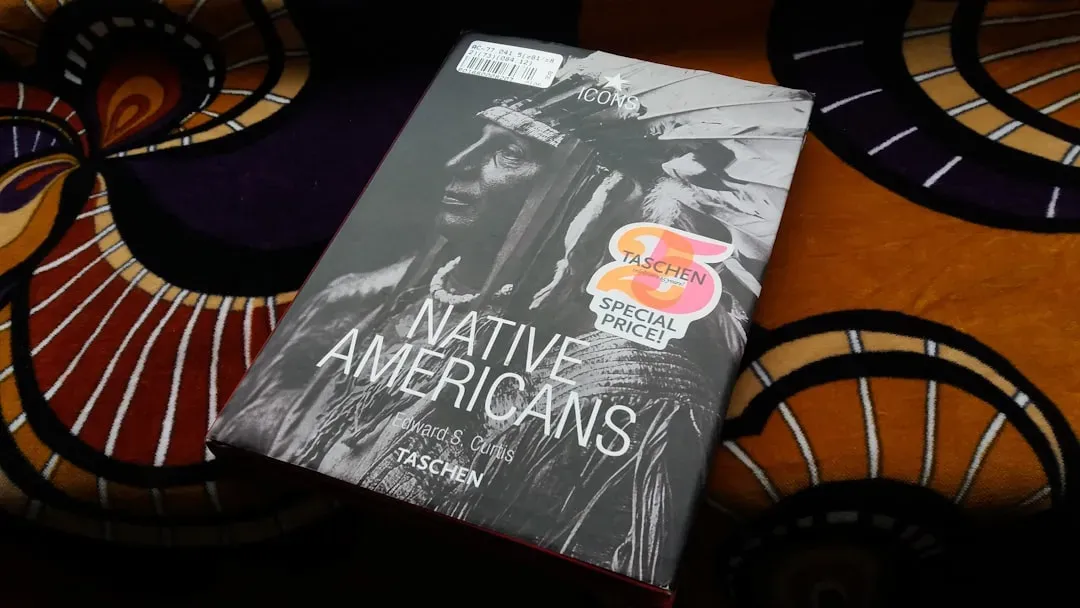
Indigenous peoples lived on this land for thousands of years before Europeans arrived. Yet the country built on their territory refused to recognize them as citizens until the twentieth century. The Indian Citizenship Act of 1924 finally recognized Native Americans as citizens.
Even then, citizenship didn’t guarantee rights. Many states continued denying Native Americans the vote through discriminatory laws and literacy tests. Some states didn’t fully extend voting rights to Indigenous people until the nineteen sixties. Think about that timeline – the same government that claimed to spread democracy worldwide denied basic citizenship to the continent’s original inhabitants for nearly one hundred fifty years after independence.
The Government Poisoned Alcohol During Prohibition
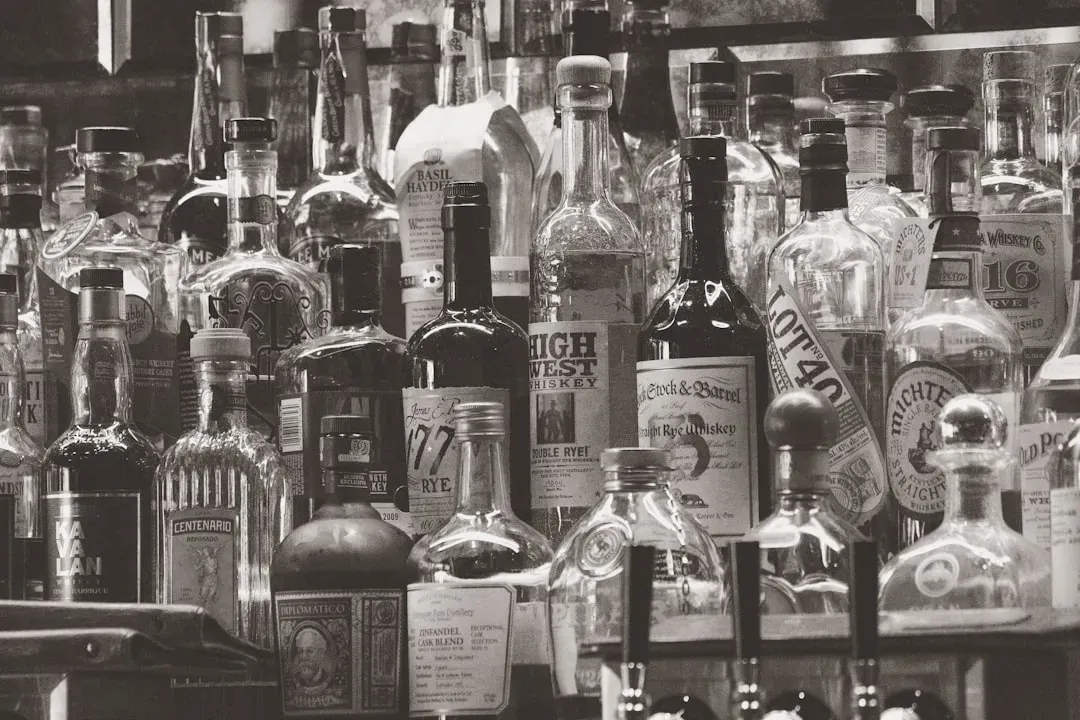
Prohibition was supposed to eliminate the evils of drinking. Instead, the federal government decided to make industrial alcohol lethal to discourage consumption. This wasn’t an accident or unintended consequence – it was deliberate policy.
Federal officials ordered manufacturers to add poisonous chemicals to industrial alcohol supplies, knowing people would drink it. Thousands died from this policy. The government essentially weaponized alcohol against its own citizens. Public outrage eventually contributed to Prohibition’s repeal, though the ethical questions lingered. Imagine contemporary debates if the government intentionally poisoned a substance to prevent its use. The parallels to modern drug policy debates are unsettling.
What surprised you most? These facts reveal how much complexity gets erased from the sanitized version of history we often learn in school. The real story is messier, more troubling, and ultimately more human than the myths we’ve constructed. Which of these lesser-known truths do you think more people should know about?