
A Once-Disruptive Brand Faces Steep Challenges (Image Credits: Unsplash)
Allbirds seeks to reclaim its place in a crowded sneaker market by embracing bolder designs rooted in sustainability.
A Once-Disruptive Brand Faces Steep Challenges
Allbirds’ stock plunged about 80% since its 2021 public debut, reducing its market capitalization to roughly $32 million by early 2026. Revenue dropped to $190 million in 2024 from $254 million the prior year, with losses persisting. The company revealed plans in January to shutter all 20 full-price U.S. stores by month’s end, retaining just two outlets in California and Massachusetts. This move formed part of wider cost-cutting measures amid shifting consumer tastes. Sustainability, once a unique selling point, now serves as an industry baseline. Vintage-inspired sneakers from brands like New Balance and Saucony gained traction, leaving Allbirds’ minimalist styles feeling outdated. Customers signaled fatigue with the unchanging aesthetic.
Executives recognized the urgency for evolution. The design team pursued relevance without sacrificing core values. This reset targeted fashion-forward appeal, particularly among women, to broaden the audience.
Varsity Collection Breaks New Ground
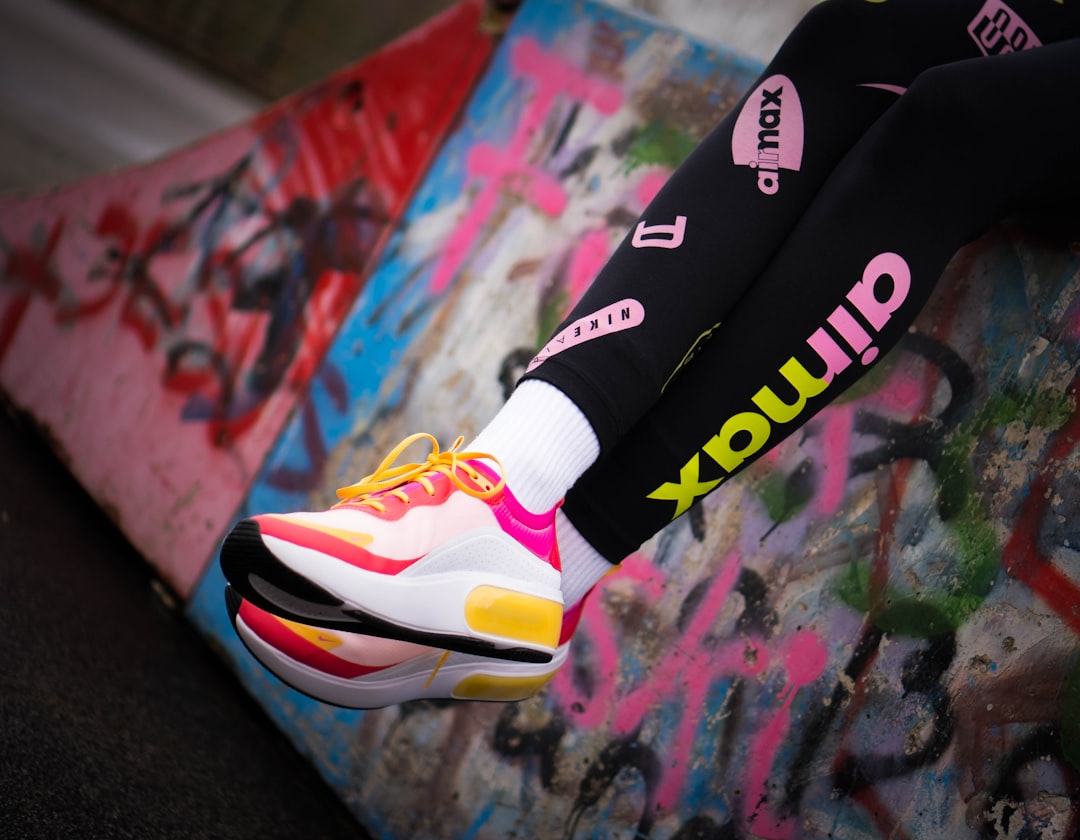
The Varsity line marks Allbirds’ most ambitious style departure, channeling 1970s runners with a slim rubber sole and colors like pink, olive green, mustard, and brick red. Erin Sander, vice president of product and merchandising who joined from Sorel last year, captured the challenge: “The question we’ve been wrestling with is how to stay true to what Allbirds is while pushing into new spaces and becoming more relevant to more people.” Unlike bulkier rivals, Varsity maintains a streamlined silhouette lined with familiar wool. Its upper blends organic cotton and hemp, a carbon-negative material. Leather accents derive from recycled scraps, while the sole uses sugarcane-based plastic.
This formula – retro shapes retrofitted with eco-materials – guides further innovation. Allbirds explored leather alternatives for versatile sneakers that pair with dressier outfits. Partnership with Modern Meadow yielded Innovera, a suede-like fabric from plant proteins, biopolymers, and recycled rubber. Debuted in the Terralux collection, it spans skater, runner, and heritage styles. These efforts position Allbirds against high-end names like Valentino and Celine through sustainable twists.
Marketing Shift Prioritizes Women
Though rooted in male-heavy Silicon Valley, Allbirds’ buyers tilt slightly female. New chief marketing officer Kelly Olmstead, formerly of Adidas, highlighted the opportunity: “Women control north of 80% of the purchase decisions in a household.” Campaigns now feature richer palettes – dusty reds, earthy blues, warm yellows – that enhance outfits without overpowering them. The spring push stars actress Justine Lupe, editor Elaine Welteroth, makeup artist Nikki DeRoest, and entrepreneur Grace Cheng. These women represent busy professionals seeking all-day comfort in polished looks.
Olmstead views this maturation as timely. After a decade, the brand sheds startup vibes for broader maturity. “Ten years in, it kind of feels like we’re coming through our teenage years,” she noted. “Now it’s about growing up.”
Key Takeaways
- Varsity sneakers fuse ’70s retro aesthetics with hemp, recycled leather, and sugarcane soles.
- Terralux introduces plant-based “leather” for elevated, versatile footwear.
- Women-led marketing addresses the core buyer base with expressive colors and real-life ambassadors.
Allbirds’ pivot blends timeless sustainability with timely fashion, offering a lifeline amid declines. Success hinges on translating store closures into online gains and style wins into loyalty. Will these changes restore the disruptor spark? Share your thoughts in the comments.