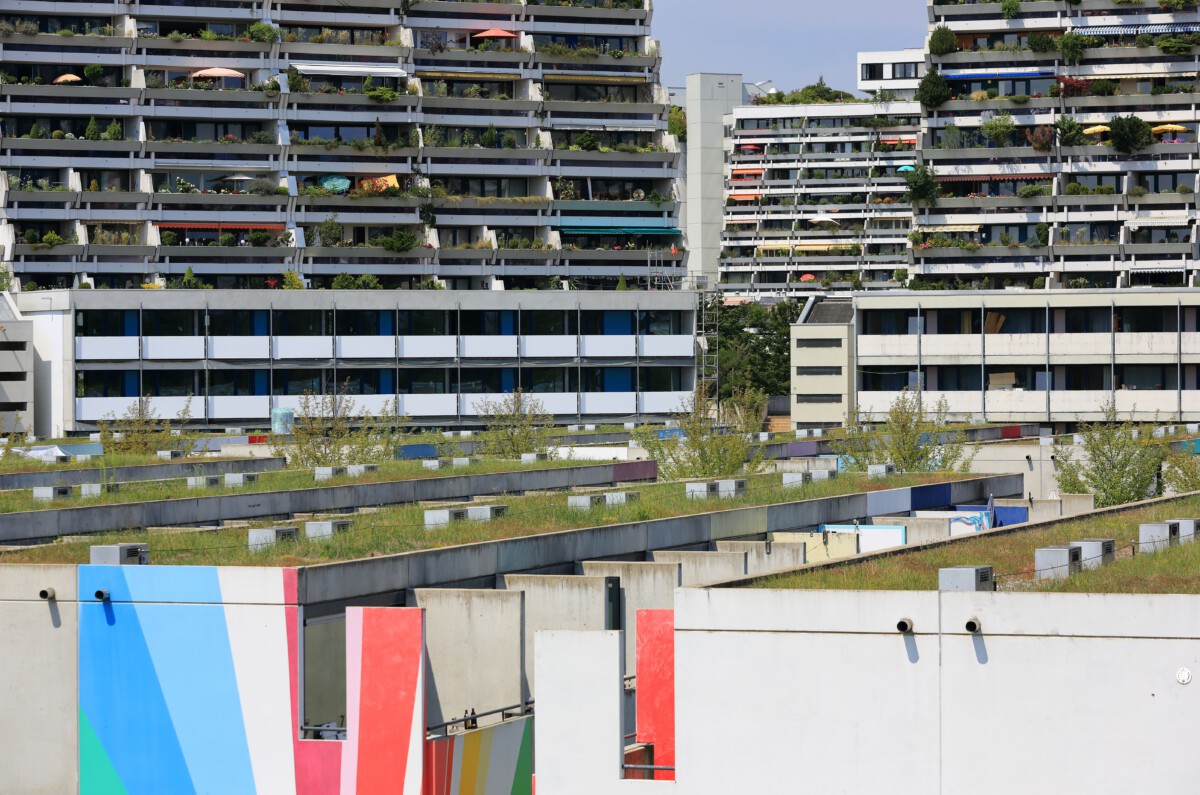
A Bustling Enclave of Modular Homes and Wellness Spots (Image Credits: Upload.wikimedia.org)
Milan – Reporters secured exclusive access to the Olympic Village days before the 2026 Winter Olympics opening ceremony, revealing a hub designed for peak performance amid global anticipation.[1]
A Bustling Enclave of Modular Homes and Wellness Spots
The village sprawled across modular structures and high-rise apartments, where national flags fluttered from balconies and windows, creating a vibrant tapestry of international unity. Visitors navigated past key landmarks that supported athletes’ routines. An Olympic rings statue stood prominently, while a fitness center offered cardio machines and weight racks for off-ice training.
Other facilities catered to mental recovery. A mindfulness room provided yoga mats, coloring tables, and postcard stations, with coaches on hand to guide relaxation sessions. The centerpiece remained the expansive dining hall, where athletes gathered for meals tailored to their needs. Just 72 hours after opening, the site buzzed with journalists, volunteers, and competitors from dozens of nations.[1]
Team USA’s Compact Yet Supported Footprint
Daniel Smith, Team USA Olympic Village director, shared insights from the ground floor of the seven-story building shared with Japanese athletes. He noted that roughly 70 U.S. Olympians resided there throughout the Games, focusing on speedskating, figure skating, and ice hockey events in Milan. An additional 40 support staffers assisted operations.
Over three weeks, the village accommodated about 1,500 athletes and team members worldwide. Daily choices – from meal plans and sleep schedules to roommate assignments – fell to individual sports and athletes. U.S. Olympic and Paralympic Committee staff prioritized removing obstacles. “Mitigate distractions,” Smith described their role, citing examples like arranging transport or resolving locked-room issues. “I think the feedback that we get is a lot of gratitude,” he added, reflecting on his third Games experience.[1]
- 70 U.S. Olympians in residence
- 40 U.S. support staff
- 1,500 total residents over three weeks
- Focus on three winter disciplines in Milan
Dining Hall Priorities: Nutrition First, Flavor Second
Lunchtime drew the longest queue for pasta with meat sauce, amid options like yogurts, meats, vegetables, pizza, and bread. Standard cafeteria fare appeared unremarkable to non-athletes, yet Smith emphasized its deliberate design. “We’re here in Italy, in one of the capitals of gastronomy in the world, but here in the Olympic Village, the food is very catered to be sports-specific,” he explained. Limited condiments ensured minimal flavor interference, leaving athletes to customize as needed.
Early days offered no viral sensations akin to Paris 2024’s themed condoms or famed chocolate muffins. Smith anticipated potential dessert buzz: “We’re waiting on the desserts to kind of hit.” The approach favored performance fueling over indulgence, even in a culinary powerhouse like Italy.[1]
Panettone Ties Tradition to Olympic Timing
A local custom added cultural depth. Milan residents traditionally saved Christmas panettone – the city’s iconic raisin-studded fruitcake – for February 3, feast day of San Biagio, patron saint of throat ailments. Legends linked the practice to protection against illnesses like strep or sleep apnea, stemming from tales of fishbones and forgotten blessings.
Diners encountered fresh panettone that evening, warm from the oven and recommended by staff who affirmed the rite. Though not a holiday leftover, its soft texture delighted tasters, bridging Olympic intensity with Milan’s heritage.[1]
Key Takeaways
- The village prioritizes distraction-free environments with fitness and mindfulness amenities for 1,500 residents.
- Team USA staff handled logistics for 110 members, earning athlete appreciation amid sports-specific routines.
- Bland, functional meals contrasted Italy’s food fame, while panettone evoked timely local lore.
The Milan Olympic Village emerged as a microcosm of disciplined preparation laced with subtle cultural nods, setting the stage for medal pursuits. What element of Olympic life intrigues you most? Share in the comments.