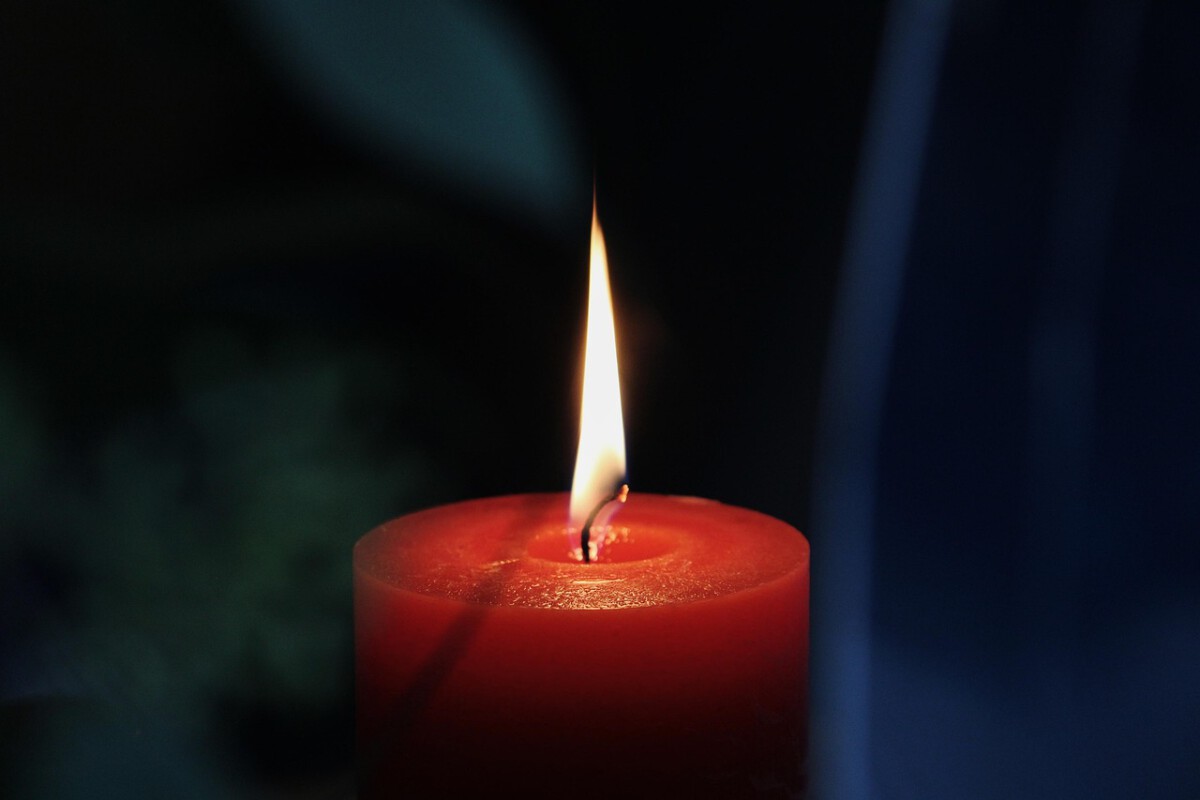
A Flicker in the NPR Bureau (Image Credits: Pixabay)
Kyiv – Prolonged power cuts amid Russia’s targeted strikes on Ukraine’s energy infrastructure force residents to rely on ingenuity before reaching for candles.[1]
A Flicker in the NPR Bureau
Last month, NPR correspondent Joanna Kakissis lit a candle at the bureau after a lengthy outage plunged the office into cold darkness. That moment underscored a harsh reality for the city. Many households faced outages stretching into days, far beyond the hours endured by the media outpost. Emergency power sources held firm in most cases, pushing candles to the periphery of daily coping mechanisms.[1]
This fourth winter of the full-scale invasion marked the harshest yet. Russian forces intensified attacks on the energy grid, turning winter’s bite into a strategic weapon. Temperatures plummeted, amplifying the disruptions to heat and electricity.
Weaponized Winter: Attacks on the Grid
Russia repeatedly hammered Ukraine’s power infrastructure throughout the season. These strikes aimed to cripple civilian life as much as military efforts. Blackouts became routine, testing the limits of urban endurance in the capital.[1]
Early Tuesday morning brought another blow. The grid suffered a fresh hit when the mercury dipped to minus 21 degrees Celsius, or 6 degrees Fahrenheit – a new seasonal low. Such assaults persisted without respite, leaving communities in repeated peril.
Candles as Symbols of Sorrow
Candles emerged not just as practical tools but as poignant reminders of hardship. They activated only when backup generators and other alternatives faltered completely. This reluctance highlighted deeper layers of meaning in Ukrainian experience.
Ukrainian poet Iya Kiva captured the essence in her words from 2022, the year the invasion escalated: “February… is sobbing… and the candle drips on the table, burning and burning.” Her verse evoked the “damned winter,” linking personal grief to collective struggle.[1]
Adaptive Survival Tactics
Families across Kyiv devised practical responses to the unrelenting cold and dark. They bundled up in coats for sleep, layering blankets for extra warmth. Infants received careful tending with insulated wraps heated by hot water bottles.
Communal meals sustained spirits. Groups gathered around portable campfire stoves to prepare borsch, the hearty beet soup central to Ukrainian tradition. These methods preserved normalcy amid chaos.[1]
- Sleep clad in winter coats beneath heavy blankets.
- Warm babies using hot water bottles in protective layers.
- Cook family meals on compact outdoor stoves.
- Depend on generators until absolute failure.
- Reserve candles strictly for final light needs.
Key Takeaways
- Russia’s grid attacks define Kyiv’s fourth war winter as the toughest.
- Emergency backups delay candle use, showcasing resourcefulness.
- Cultural resilience shines through poetry and family rituals like borsch-making.
Ukrainians affirmed their determination to outlast this grueling phase of conflict. Their adaptive measures and unyielding spirit offered a testament to endurance. What strategies would you employ in such conditions? Share your thoughts in the comments.