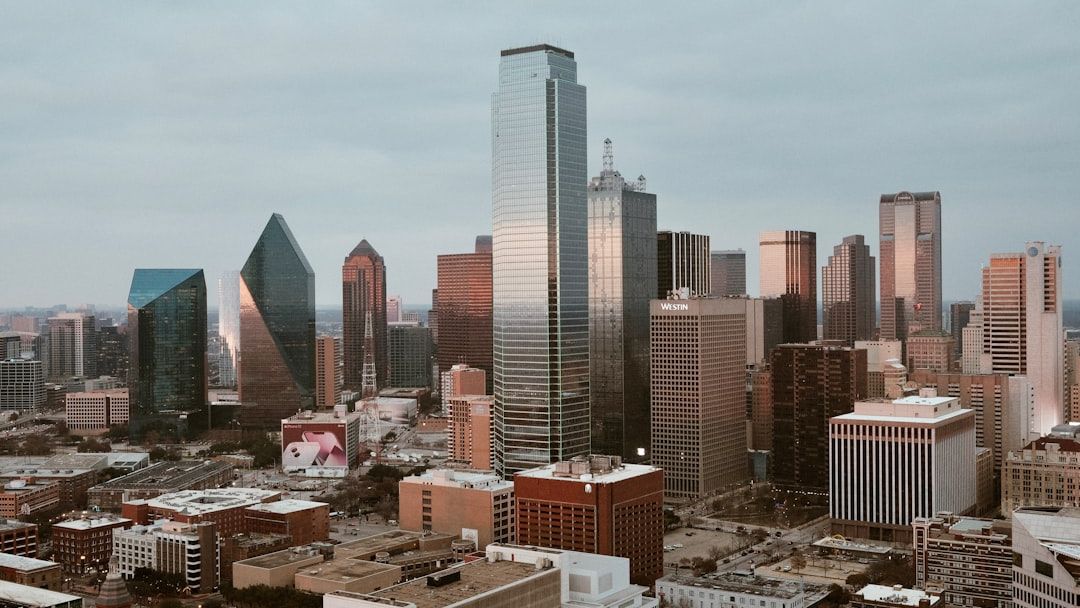

People are flocking to Sun Belt cities in record numbers, chasing affordable housing and lower taxes. The irony? Nothing about city life is actually free, and residents of booming metros are learning that lesson the hardest.
Think about it. When you drive on smooth roads, drink clean water, or send kids to a new school, someone has to pay for it. That someone is usually you, through a complicated web of property taxes, fees, utility bills, and municipal debt that most people never think about until the bills arrive. In America’s fastest-growing cities, the illusion of free parks and libraries is colliding with the reality of who foots the bill.
Texas Towns Are Exploding, and So Are the Bills
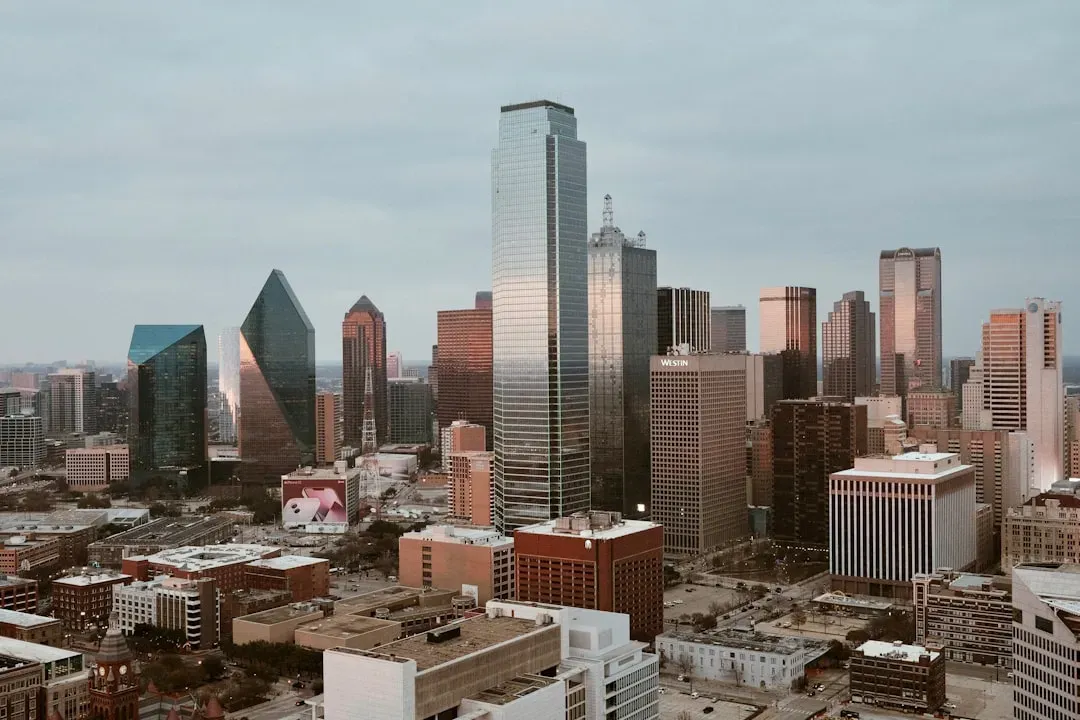
Princeton, Texas topped the nation with a remarkable 30.6% growth rate between 2023 and 2024, according to the U.S. Census Bureau. The Dallas suburb has more than doubled its population since 2020, going from roughly 17,000 to 37,000 residents. That kind of growth sounds exciting on paper, but here’s the thing: every single one of those new residents expects roads, water, emergency services, and schools.
Texas cities filled nine of the top ten fastest-growing slots, including Fulshear at 26.9%, Celina at 18.2%, and Anna at 14.6%. Florida rounded out the list with places like Leesburg showing similar explosive expansion. The South isn’t just growing – it’s transforming at a pace that would have been unthinkable a generation ago.
All this growth creates an uncomfortable paradox. Houston added 43,217 people, San Antonio added 23,945, and Fort Worth added 23,442 between 2023 and 2024. Each of those newcomers needs clean water, functioning sewers, police protection, and schools. The question nobody wants to ask out loud is: who’s really paying for all of that?
City Budgets Are Tightening Even as Populations Boom
Here’s where things get messy. Cities saw general fund spending increase 7.5% in FY2024, but that growth slowed dramatically to just 0.7% in FY2025, while revenues were projected to decline 1.9% as federal aid phases out, according to the National League of Cities. Let’s be real – that’s a squeeze.
Public safety accounts for 60% of general fund budgets in FY2025, which means police and fire departments eat up the vast majority of every dollar. What’s left over for everything else? Parks, libraries, road maintenance, community centers. Those services people think of as free get whatever crumbs remain after the essentials are covered.
Only 45% of city finance officers feel optimistic about meeting fiscal needs in FY2026, down from 64% in 2024. Translation: the people balancing city budgets know the good times are ending. Federal pandemic money has dried up, and cities are now realizing they promised more services than they can sustainably afford.
Property Taxes Follow People to the Sun Belt
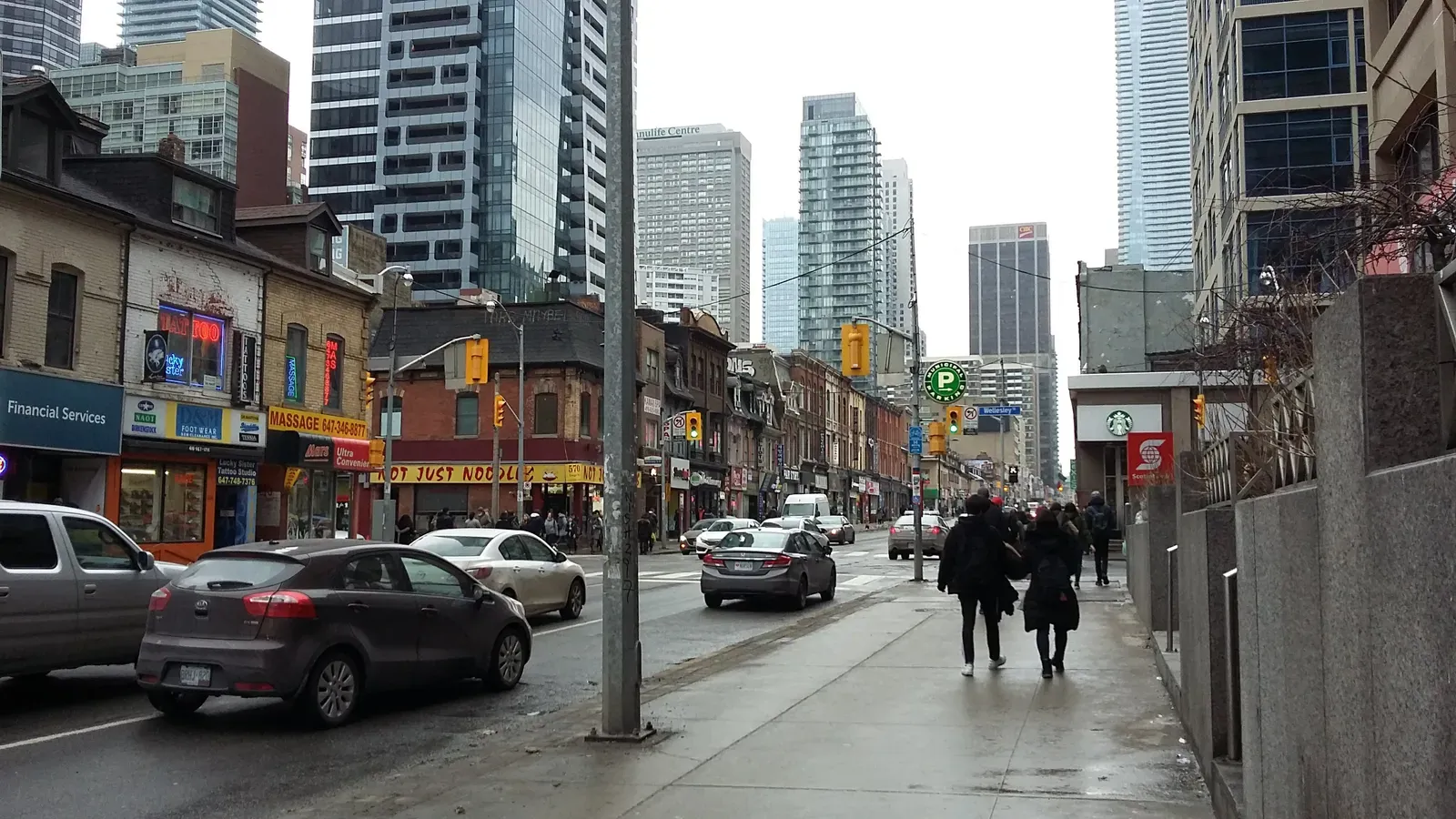
One of the biggest selling points for Texas and Florida has always been low taxes. That promise is starting to crack under pressure. Counties in Florida, California, and Texas have seen property taxes rise over 30% in recent years as people continue moving in and pushing housing prices up by more than 40%.
In Maricopa County, Arizona, where Phoenix is located, home prices climbed 64.3% since 2019, and property taxes followed suit, now 15.4% higher than before the pandemic. Even with relatively low tax rates compared to the Northeast, the absolute dollar amounts are climbing fast. A low rate on a house that doubled in value still means a significantly bigger check to the county tax office.
Property taxes saw the largest total increase among major tax categories from 2022 to 2024, rising more than $96 billion – a 13.7% jump – from $703 billion to $800 billion. Somebody has to build the roads and sewers for all those new subdivisions, and property taxes are the go-to tool. Growth may attract people, but it also attracts tax bills.
Your Water Bill Is About to Get A Lot More Expensive

Water and sewer rates have increased by over 24% in the past five years alone, and analysts expect annual increases of 4% to 5% to persist. That’s not a one-time jump – it’s a structural shift that’s going to keep accelerating. Almost all of these costs are borne by ratepayers, with a funding gap estimated at more than $1 trillion over the next two decades.
Let me put this in perspective. The EPA estimated national wastewater infrastructure needs at $630 billion over 20 years in its 2024 assessment, an increase of about 45% since 2016. That’s just for wastewater. Add in drinking water, and the numbers get truly staggering. The EPA estimates the nation will have to invest $1.25 trillion over the next 20 years to maintain safe water and sewer systems.
In cities like Birmingham, Alabama, and Cleveland, Ohio, combined water and sewer bills now exceed the EPA’s affordability threshold of 4.5% of median household income. Fast-growing cities aren’t immune. They’re building new systems, which is expensive, while older cities are replacing century-old pipes, which is also expensive. Either way, local ratepayers are picking up the tab.
Federal Money Isn’t Paying for Local Infrastructure Anymore
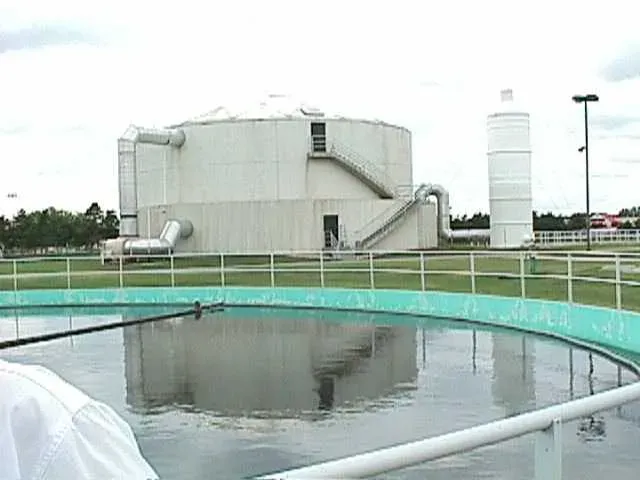
The federal government used to shoulder a bigger share of water and sewer costs, but those days are long gone. Since at least the 1950s, state and local governments have contributed the vast majority of public funding for wastewater infrastructure, with the state and local share at 92% in 2023 while the federal share was just 8%.
This matters because it means when a city like Princeton or Fulshear doubles in size, the feds aren’t rushing in with grants to build the new water treatment plant. The city borrows the money through municipal bonds, then passes the debt service costs on to residents through higher utility rates and fees. It’s a pay-as-you-grow model, and growth is very expensive.
Capital expenditures are often driven by the need to replace or upgrade infrastructure due to age and increased demand from population or industrial growth. In hyper-growth areas, cities are building infrastructure for populations that don’t exist yet, betting that new residents and their tax dollars will arrive to pay off the bonds. When growth slows or stops, that bet can go very bad very quickly.
Cities Rely on Borrowing to Pay for Everything

Municipal bonds typically provide more than 70% of state and local financing for infrastructure projects, such as road repairs, sewer system maintenance, and school construction. That’s not a small footnote – it’s the foundation of how American cities function. Every new fire station, every repaved road, every expanded water treatment plant is usually paid for with borrowed money.
As of November 2025, more than $500 billion in municipal bonds had been issued, surpassing total 2024 issuance with a month and a half left in the year, representing a 45% increase over the historical average from 2004 through 2024. Cities are borrowing at a historic pace, largely because infrastructure costs keep rising and federal help keeps shrinking.
Here’s the uncomfortable truth: debt isn’t free, even when interest rates are low. Debt service made up 3% of city spending in recent years, which might not sound like much until you realize that’s money going to bondholders instead of filling potholes or hiring librarians. Every dollar spent on interest is a dollar not spent on actual services.
Aging Infrastructure Collides with New Demand
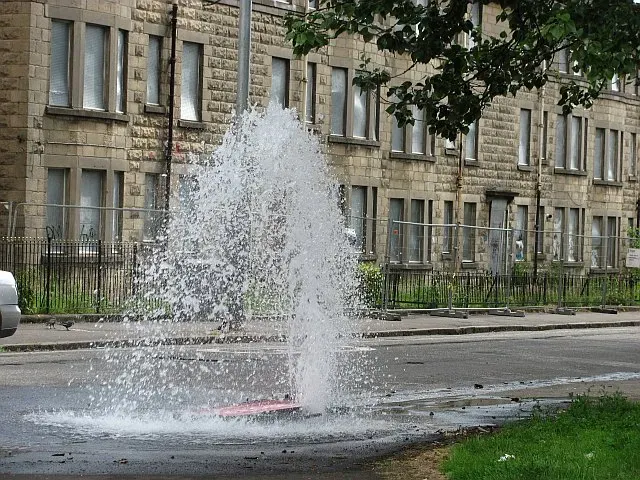
The U.S. experiences an estimated 240,000 water main breaks each year, wasting over 6 billion gallons of treated water daily. That’s not a fast-growing city problem – that’s an everywhere problem. The difference is that booming metros have to fix old systems while simultaneously building new ones to keep up with population growth.
Many of the nation’s wastewater treatment facilities were built in the 1970s and 1980s after the passage of the 1972 Clean Water Act, with the federal government spending $41 billion on clean water projects in the biggest civilian public works program since the Interstate Highway System. Those plants are now fifty years old, and the feds aren’t writing big checks anymore.
Fast-growing cities face a double whammy: they inherit older core infrastructure that needs expensive repairs, while simultaneously building new infrastructure at the edges where all the growth is happening. Replacing a mile of water main pipe costs $1 million, and sometimes double that. Multiply that across hundreds of miles of pipe, and you start to understand why water bills are spiking.
The Growth-Pays-for-Itself Myth Is Falling Apart
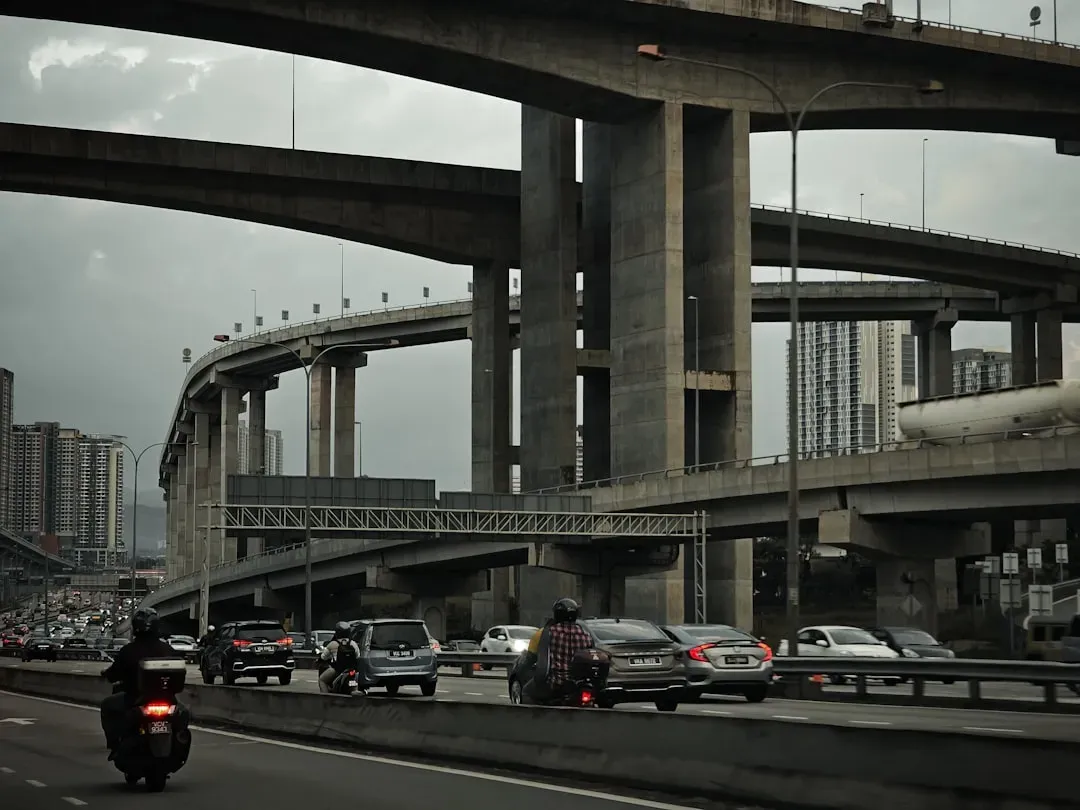
City leaders love to say growth pays for itself. New residents mean new taxpayers, new businesses, new economic activity. That’s true in the long run, but the long run can take decades, and in the meantime, somebody has to front the money for all those new roads and schools and sewer lines.
Approximately 88% of metro areas gained population between 2023 and 2024, up from around 64% between 2020 and 2021. Growth is back, but so are the bills. Fast-growing cities and towns like Princeton, Celina, and Leander would not have been allowed to exceed proposed 3.5% spending caps in the years following the COVID-19 pandemic, suggesting their costs grew much faster than any reasonable limit.
Local governments like cities and counties are deeply reliant on property taxes to help pay for services like public safety, libraries, and parks. When growth accelerates, cities often borrow heavily to build infrastructure upfront, betting that future tax revenue will cover the debt. If growth slows or demographics shift, those bets can leave cities – and taxpayers – holding the bag. Phoenix, Las Vegas, and parts of Florida learned this lesson the hard way during the 2008 housing crash. Many Sun Belt cities are walking the same tightrope today.
The hard truth is that the parks, libraries, pools, and fire stations that make cities livable are never free. Somebody always pays. In fast-growing cities, the bill is just coming due a lot faster than anyone expected, and residents are waking up to the fact that low taxes and booming growth don’t mix as well as the brochures promised. What would you have guessed before reading this?