Russia’s “Foreign Agents” Label Sparks a Media Crisis (Image Credits: Unsplash)
Julia Loktev captured the final days of independent journalism in Moscow as Kremlin pressures mounted ahead of the Ukraine invasion.
Russia’s “Foreign Agents” Label Sparks a Media Crisis
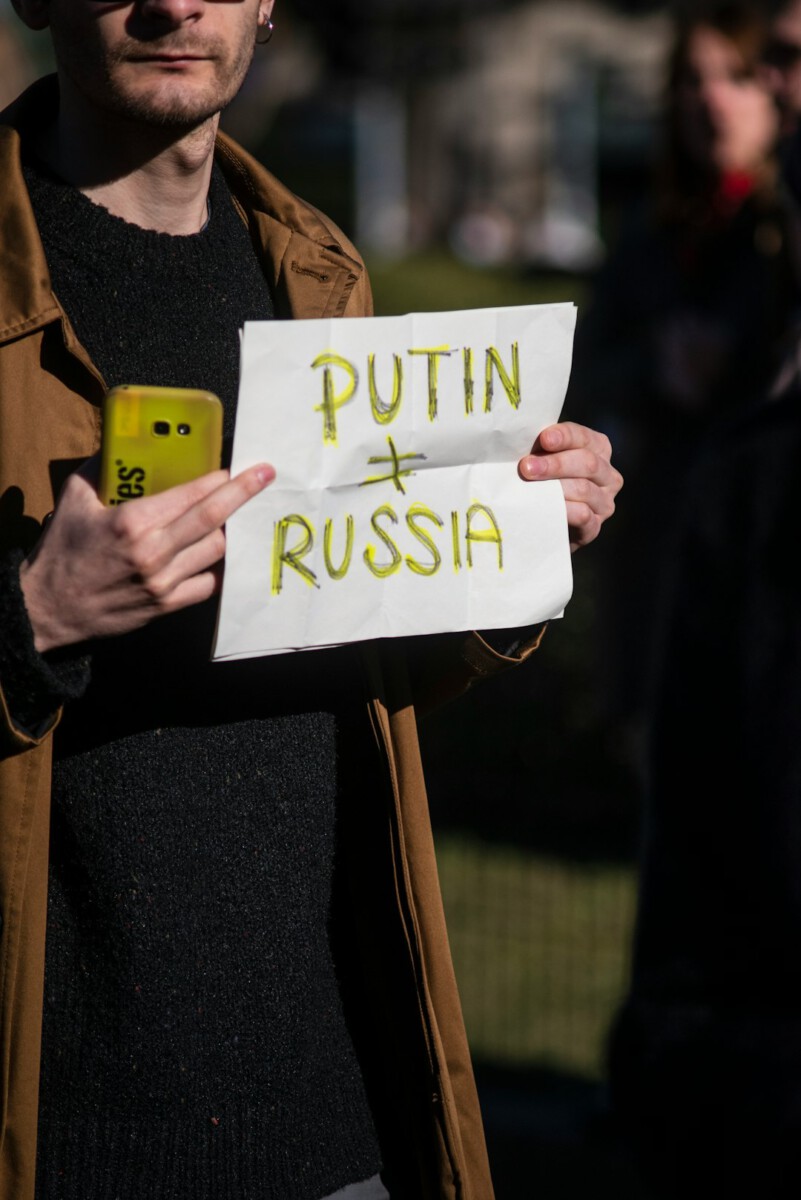
The Russian government in 2021 designated more than 100 reporters, bloggers, and rights groups as “foreign agents,” a label rooted in Soviet repression tactics. This forced them to disclose their status in every publication, marking them as outsiders in their own society. Loktev, an American filmmaker born in the Soviet Union, arrived in Moscow that fall to document the impact on young journalists at TV Rain, the nation’s last major independent TV channel.
These reporters faced daily hurdles to broadcast facts amid escalating state control. The designation turned routine work into an act of defiance, as outlets like TV Rain navigated threats of shutdown.
Intimate Filming Captures Chaos in Real Time
Loktev relied on her iPhone for most shots, allowing unprecedented access without the barriers of a full crew. Her native Russian fluency helped build trust quickly with subjects like Ksenia Mironova, who profiled events under intensifying scrutiny. This approach created an intimate portrait of journalists scrambling to report during the invasion’s early days in February 2022.
Four months before the full-scale war, Loktev sensed the noose tightening. As tanks rolled into Ukraine, her subjects broadcast bombed apartment buildings, then added required disclaimers claiming only military targets were hit – a grim workaround to skirt censorship.
Exile Becomes the Only Path to Continue Reporting
TV Rain journalists issued anti-war statements but soon confronted stark choices: report from jail or flee abroad. They chose exile, relocating the channel to the Netherlands to evade extremism charges leveled against its anchors. Loktev followed their harrowing decisions, highlighting how prison would silence them permanently.
“If you’re in jail, you’re not much use to anyone as a journalist,” Loktev noted in a recent NPR interview. The film portrays these reporters as modern Sisyphus figures, persisting despite futility.
U.S. Echoes in a Story of Resistance
Loktev embeds subtle parallels to America, from journalist arrests to curbs on satire and historical reckoning. The shutdown of Russia’s Memorial human rights group, justified by a judge rejecting WWII shame, mirrors debates over sanitized narratives here. “Easter eggs in the film become more relevant every day,” she observed.
Yet resilience shines through. Journalists clung to joy and laughter as weapons against despair, refusing to yield completely.
- Workarounds like visual proof followed by state disclaimers.
- Anti-war broadcasts risking immediate shutdowns.
- Daily status markings branding them as suspects.
- Relocation abroad to sustain operations.
- Personal threats prompting airport dashes.
Key Takeaways
- Russia’s “foreign agent” label eroded independent media, forcing exile for survival.
- Journalists resisted through ingenuity and humor, embodying unyielding truth-seeking.
- Growing U.S. tensions amplify the film’s urgency on press freedoms everywhere.
Julia Loktev’s “My Undesirable Friends: Part I – Last Air in Moscow” stands as a testament to journalism’s fragility and fortitude. In an era of rising authoritarian echoes, it urges vigilance to protect those who speak truth to power. What steps can societies take to safeguard free press? Share your thoughts in the comments.