

Walk into almost any store today and you might notice something odd. That favorite cereal variety? Gone. The shampoo you’ve bought for years? Vanished without explanation. It’s not just you.
Across the United States right now, hundreds of familiar brands and products are silently vanishing from retail shelves in numbers we haven’t seen in years. This isn’t about one or two struggling companies. Honestly, it’s a sweeping transformation affecting everything from your local pharmacy to the grocery aisle where you buy milk. Some disappearances happen because entire chains shut down forever, closing thousands of locations. Others fade away more quietly when retailers decide certain brands no longer earn their spot on increasingly valuable shelf space.
Let’s be real, this isn’t a temporary blip. Multiple forces are converging at once, reshaping what Americans can actually buy in physical stores.
Record Store Closures Are Erasing Familiar Shopping Destinations

U.S. store closures in 2024 totaled 7,325, which was the highest number of store closures seen since 2020. That staggering figure represents real businesses shutting doors in communities nationwide.
The situation worsened considerably this year. More than 8,000 stores closed across the U.S. in 2025, according to retail industry data. Coresight Research expects closures to escalate further this year, to approximately 15,000. When stores disappear, so do all the brands they carried.
Household names like Party City liquidated roughly 700 locations, while Joann shut all 800 craft stores permanently after a second bankruptcy. National pharmacy chain Rite Aid in October announced the closure of all of its locations after filing for bankruptcy twice in two years, with Rite Aid founded in 1962 facing sluggish sales and high costs linked to opioid-related lawsuits. When an entire retail chain vanishes, hundreds of brands lose crucial distribution overnight.
Private Label Brands Are Aggressively Stealing Shelf Space
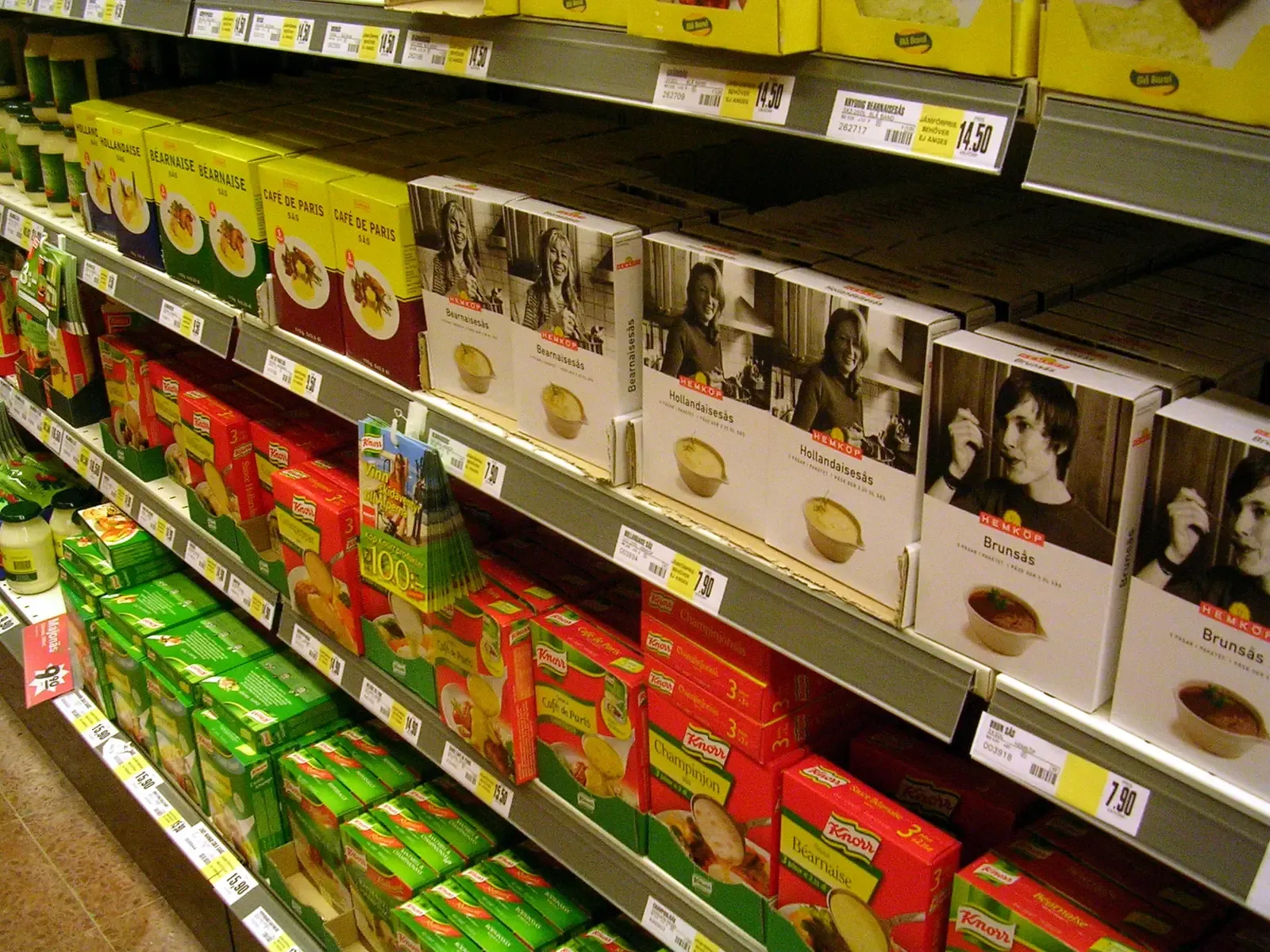
Sales of store brands increased $9 billion to a record $271 billion in 2024 compared to 2023, representing a 3.9% rise in dollar sales. This remarkable growth came at someone’s expense.
Private label growth outpaced national brands, which grew 1% in dollar sales. Store brands are growing roughly four times faster than the iconic national labels you grew up with. Private brands rose to 25.5% of total unit sales in 2023 from 24.7% in 2022, including gains in general food, shelf-stable beverages and refrigerated foods.
Here’s the thing: retailers make higher margins on their own brands. They have every incentive to push national brands aside and replace them with house labels. Circana’s CPG Private Brands Update report showed private label dollar sales up 6% and unit sales up 0.9% year over year for 2023. This isn’t just inflation driving the numbers; actual unit volume is shifting toward store brands, meaning shoppers are genuinely buying more of them instead of familiar name brands.
Inflation Is Forcing Consumers to Trade Down
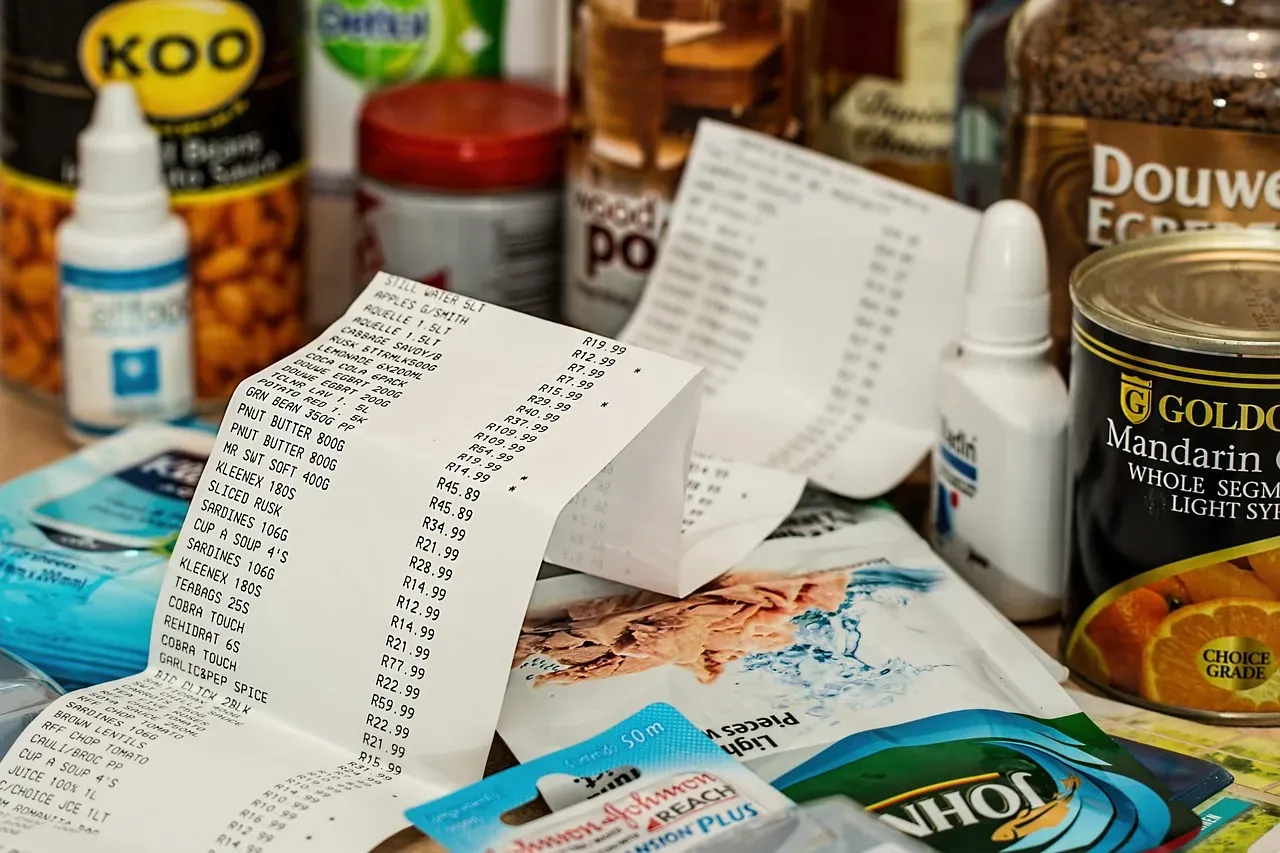
Food costs have climbed relentlessly in recent years, fundamentally changing what people put in their shopping carts. Consumers faced continuous price pressures that made budget considerations paramount.
Retailers responded by prioritizing products that move quickly and offer better value. Coresight Research CEO Deborah Weinswig noted that inflation and a growing preference among consumers to shop online to find the cheapest deals took a toll on brick-and-mortar retailers in 2024, with retailers unable to adapt supply chains and implement technology to cut costs being significantly impacted. Premium and niche brands became harder to justify for stretched household budgets.
The shift affected where people shopped too. Dollar stores, discount chains, and warehouse clubs gained customers while traditional supermarkets and department stores struggled. When shoppers move to simpler, cheaper retail formats, they encounter fewer brand choices and more generic alternatives. I think this represents a permanent change in American shopping behavior, not a temporary crisis response.
Retailers Are Ruthlessly Cutting SKU Counts
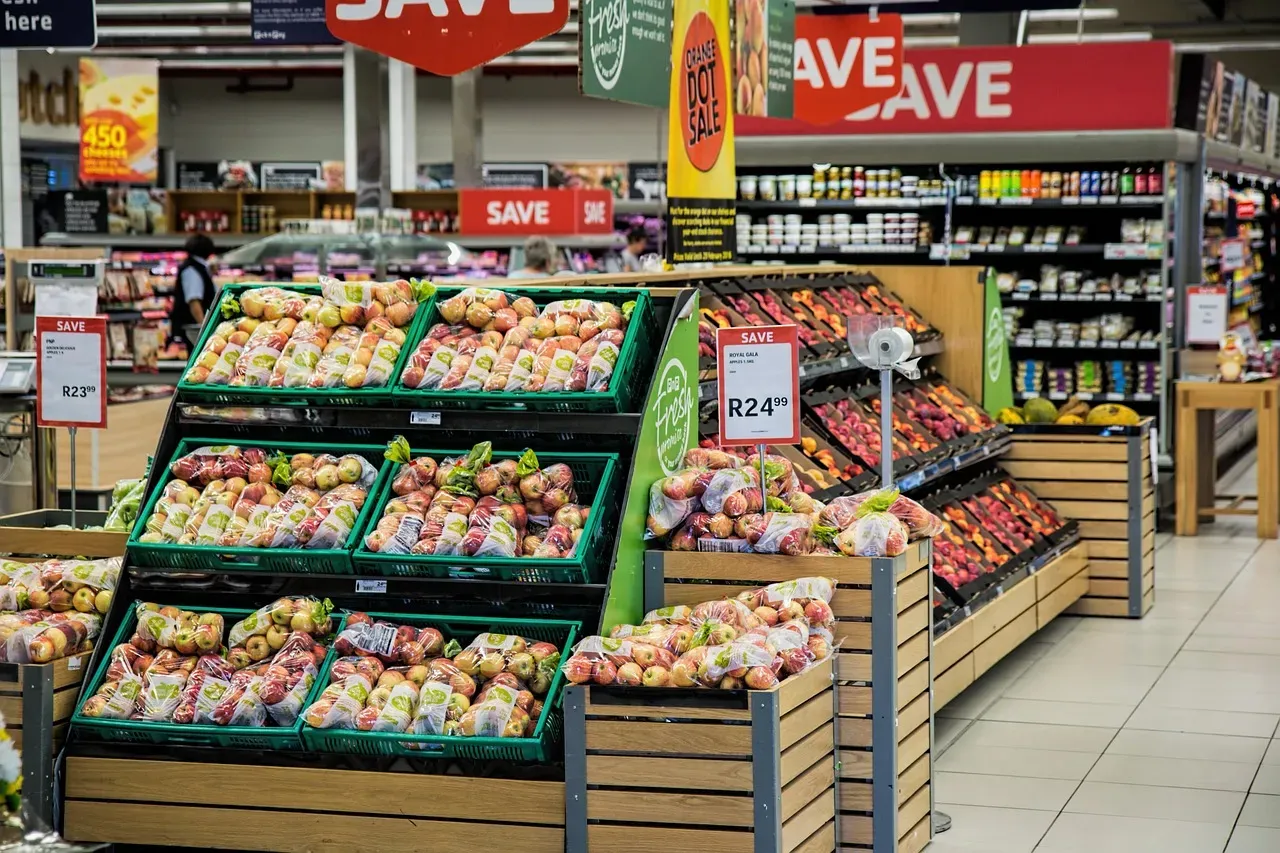
SKU rationalization became the industry’s favorite buzzword, but it means something real: stores are carrying fewer product variations. Retailers discovered they could increase profits by stocking less variety.
Mondelez International announced it would remove a quarter of its SKUs from production, with CEO Dirk Van de Put noting that given the consumer is driven more to core offerings, it is an ideal moment to simplify the portfolio. When major manufacturers cut their own product lines, those items disappear from shelves permanently. The practice spread rapidly across the industry.
Companies claim they’re “focusing on core products,” which sounds strategic. Really, they’re eliminating slower-selling items that add complexity to their supply chains. In 2020, Coca-Cola Co. consolidated 17 business units into 9 and discontinued some SKUs. Many flavors and variations simply ceased to exist after that restructuring.
Retailer Delistings Happen Behind Closed Doors
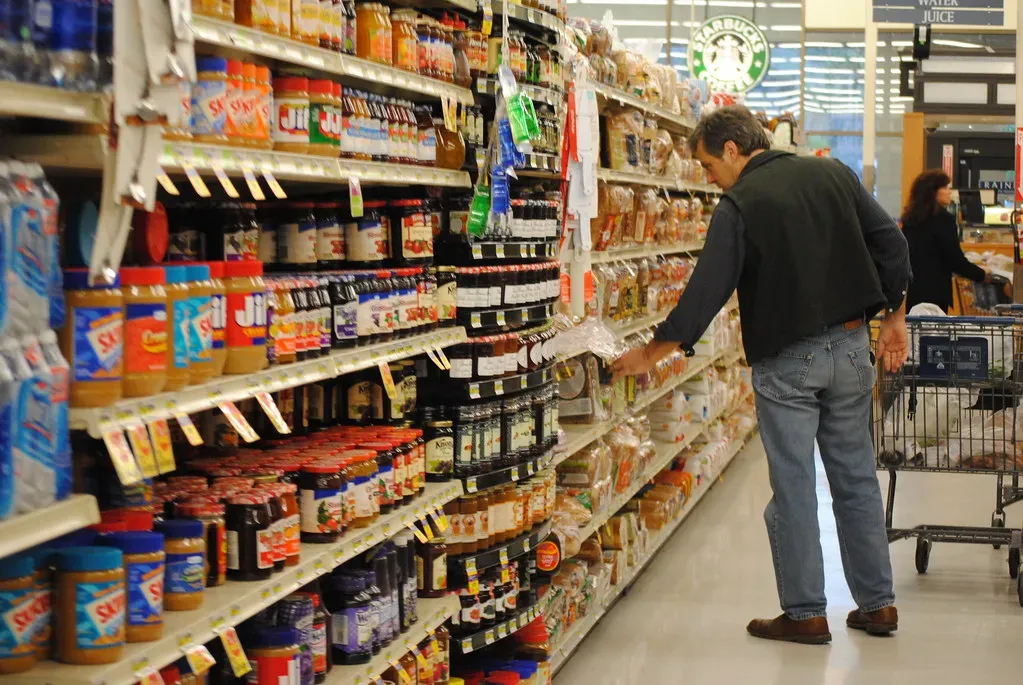
Sometimes brands don’t disappear because manufacturers stop making them. They vanish because retailers choose not to carry them anymore.
Retailers constantly evaluate which products deserve their limited shelf space. Products that don’t meet minimum sales thresholds get delisted without fanfare or customer notification. According to Assosia, 13,794 grocery products were delisted from the UK’s top 6 supermarkets since March 2020, which represents a 9% decline, with Asda’s range alone cut by 3,847 lines. Similar trends are accelerating in the United States.
The decisions often come down to cold financial calculations. Retailers prioritize products with the best combination of sales velocity, margin contribution, and promotional support. Brands that can’t justify their shelf space get replaced, often by private label alternatives that generate better returns for the store. There’s no conspiracy here, just business math that doesn’t favor smaller or slower-moving brands.
Supply Chain Chaos Made Complexity Unaffordable
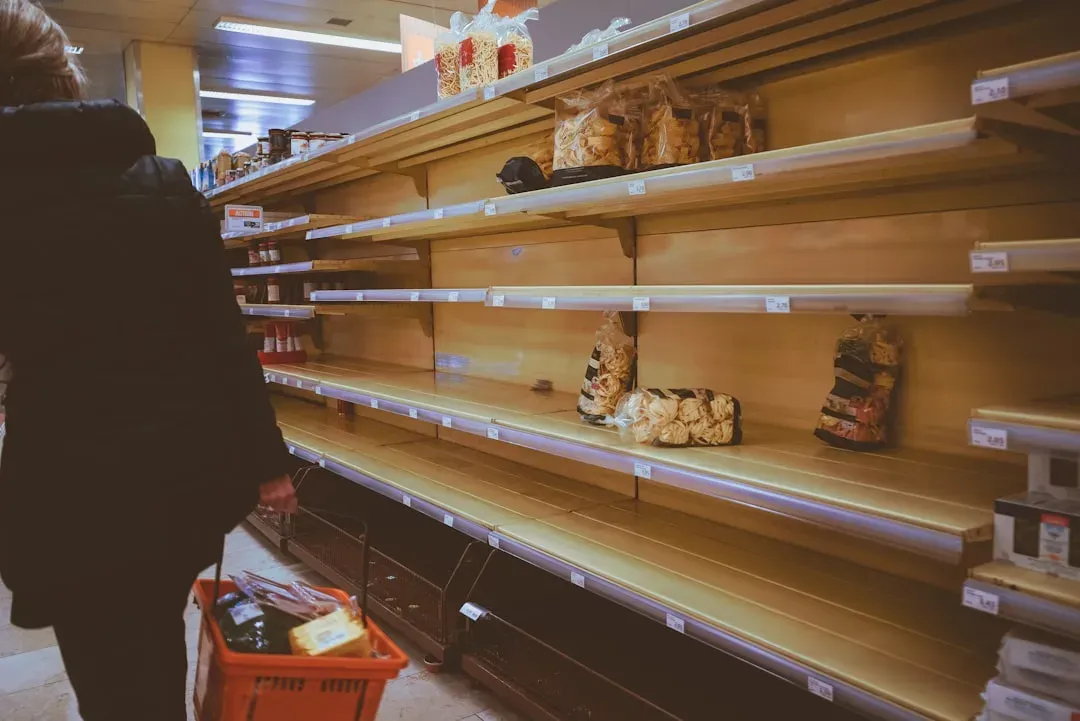
The pandemic exposed just how fragile global supply chains really were. Companies carrying hundreds or thousands of product variations suddenly couldn’t source ingredients, packaging, or components reliably.
Many manufacturers made emergency cuts to their product portfolios just to keep core items in stock. Some of those “temporary” discontinuations became permanent. SKU rationalization has transitioned into standard operating procedure as consumer goods companies navigate the challenges of meeting unprecedented consumer demand with an uneven supply chain, with the practice playing a vital role in improving the supplier/retailer relationship during an especially complex moment.
Simpler portfolios meant fewer suppliers, less complex logistics, and reduced warehousing needs. Companies discovered they could operate more efficiently with less variety. The financial benefits were too compelling to reverse course even after supply chains stabilized.
Bankruptcies Are Taking Entire Brand Families Down
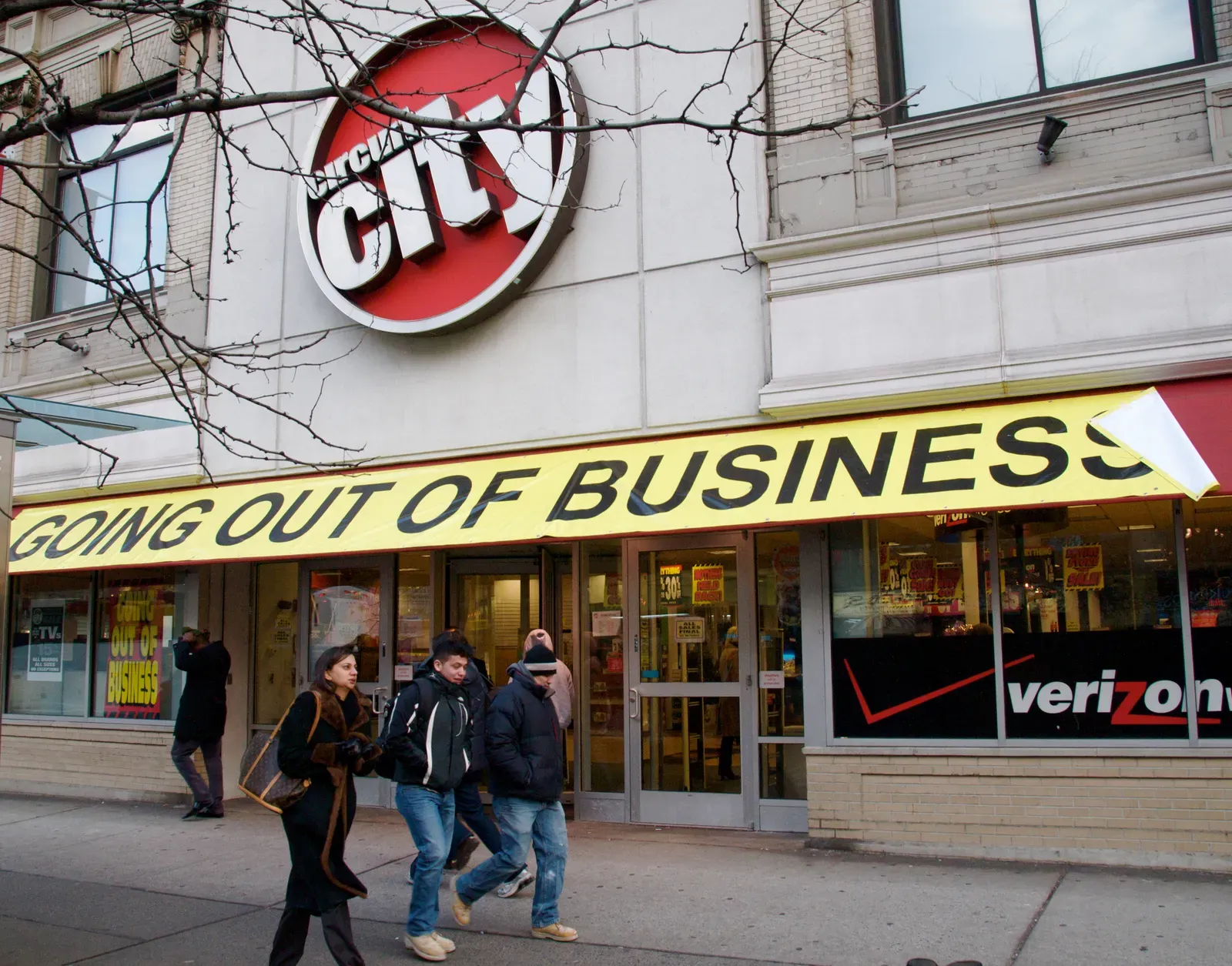
The number of retailer bankruptcies was higher in 2024 and 2023 as excessive inventory plagued retailers large and small, with discretionary retail categories largely dominated the distressed list leading to bankruptcy filings from Bed Bath & Beyond, Conn’s, Big Lots, Joann stores, 99 Cents Only Stores, True Value and Rue 21. Each bankruptcy erases dozens or hundreds of brands from store shelves.
When retailers fail, they often take exclusive brands down with them. Private label products from bankrupt chains disappear entirely. Brands that relied heavily on failed retailers struggle to find new distribution channels quickly enough. The fabric and craft retailer Joann filed for bankruptcy in March, falling victim to customers cutting back on spending, with Joann’s stock delisted from the Nasdaq and the company becoming privately owned.
Some bankruptcies happen surprisingly fast. Party City filed for Chapter 11 bankruptcy protection in late December 2024 with a liquidation plan to wind down its entire U.S. store base of about 700 locations, and by early 2025 all corporate-owned retail locations were closed. Within weeks, an entire category of party supplies and seasonal decorations became harder to find in physical retail.
Margin Pressures Are Forcing Portfolio Cleanup
Manufacturers face relentless pressure to improve profitability. Carrying too many marginally profitable products drags down overall financial performance.
Industry analysis shows that portfolio simplification delivers measurable benefits. Companies that successfully reduce SKU complexity can boost sales growth while simultaneously improving margins. The math is compelling for CFOs looking to satisfy shareholders.
Low-volume products often require the same manufacturing setup costs as bestsellers but generate a fraction of the revenue. They tie up working capital, complicate inventory management, and increase the risk of obsolescence. Finance teams increasingly demand that every SKU justify its existence with solid contribution margins. Products that can’t pass that test get discontinued, even if they have loyal niche followings.
Changing Consumer Behaviors Accelerated the Trend

Consumer behaviors continued to shift away from goods into experiences and travel in the first part of the year, and even though wages largely increased in 2024, consumers were value-conscious, looking for deals and savings on everything from weekly groceries to apparel. This fundamental shift in spending priorities hurt goods-based retailers across categories.
Americans rediscovered experiences after pandemic lockdowns ended. They spent more on travel, dining out, and entertainment instead of accumulating more stuff. Retailers found themselves competing not just with each other but with completely different spending categories. The brands that suffered most were those positioned as discretionary nice-to-haves rather than necessities.
E-commerce also changed expectations. Shoppers grew accustomed to near-infinite selection online, so they tolerated narrower in-store assortments. We have seen Shein and Temu capture market share as consumers choose to shop online to save time, money, and avoid frustration. Physical stores couldn’t match online breadth, so they focused on depth in fewer categories, which meant dropping marginal brands.
The Future Promises Even Fewer Choices
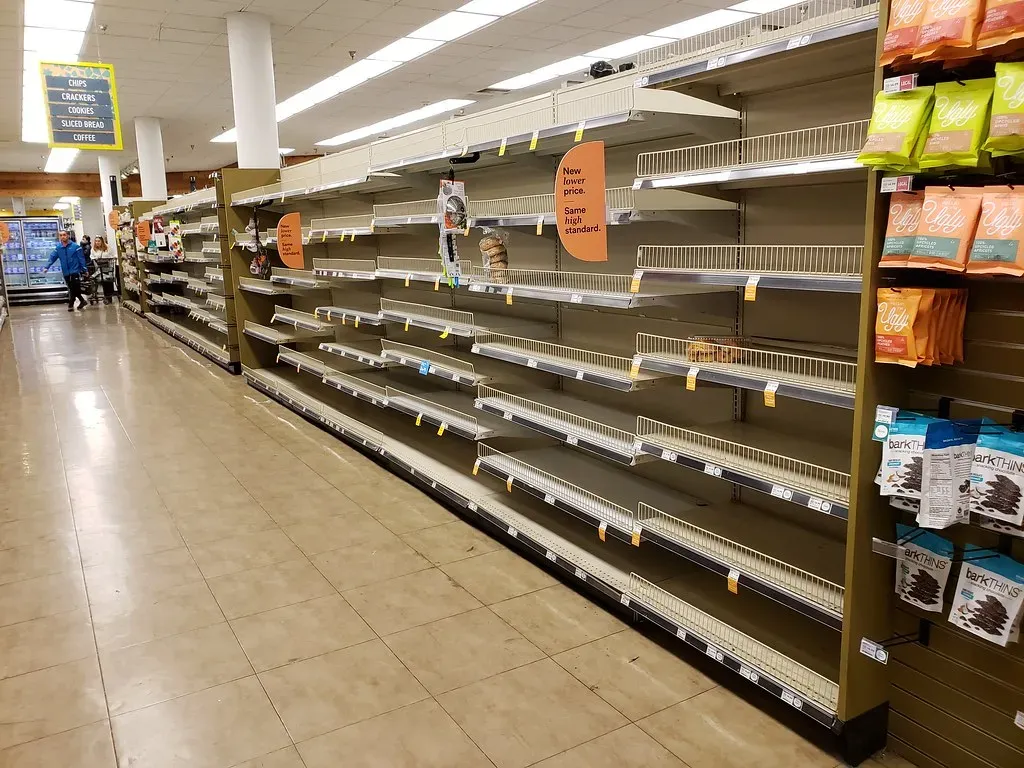
Retail advisory firm Coresight Research predicts that closures will escalate to approximately 15,000 this year, with store openings expected to remain steady at approximately 5,800, representing a net loss of more than 9,000 stores. That staggering projected deficit means the trend is accelerating, not slowing.
The forces driving brand disappearances aren’t temporary disruptions. They represent structural shifts in retail economics. Retailers will continue prioritizing high-velocity products and private labels. Manufacturers will keep simplifying portfolios to protect margins. Consumers will remain price-sensitive and willing to substitute alternatives.
Technology might accelerate the changes further. Artificial intelligence tools are making SKU rationalization decisions more data-driven and aggressive. Retailers can now identify underperforming products faster and replace them more confidently. The era of carrying something “just in case” a customer wants it is ending. Shelf space has become too valuable to waste on sentiment.
Walk through your local store while you still can and notice what’s there today. Some of those familiar packages may not survive the next category review. The American retail landscape is being quietly redrawn, one delisting at a time, and most shoppers won’t even realize their choices have narrowed until they reach for something that’s no longer there. Have you noticed your favorite products vanishing yet?