
Something’s shifting in American travel. The crowds squeezing through Times Square or battling for elbow room at the Grand Canyon might not represent the future anymore. Instead, travelers are discovering that the real magic often lives in places you’ve probably never heard of. Picture a Texas town with fewer residents than your high school graduating class, suddenly buzzing because Google Maps started routing people through it. Or a barbecue hamlet that just made a prestigious magazine list. These aren’t your typical vacation hotspots, yet they’re quietly becoming tomorrow’s must-visit destinations.
Over 740,000 visitors came to Gillespie County in 2024, with tourism generating $175 million in visitor spending and creating 1,200 local jobs. Small town tourism isn’t just a passing trend anymore. Let’s explore ten obscure American towns that might just be gearing up for their moment in the spotlight.
Fredericksburg, Texas: The Hill Country Town That Went Global
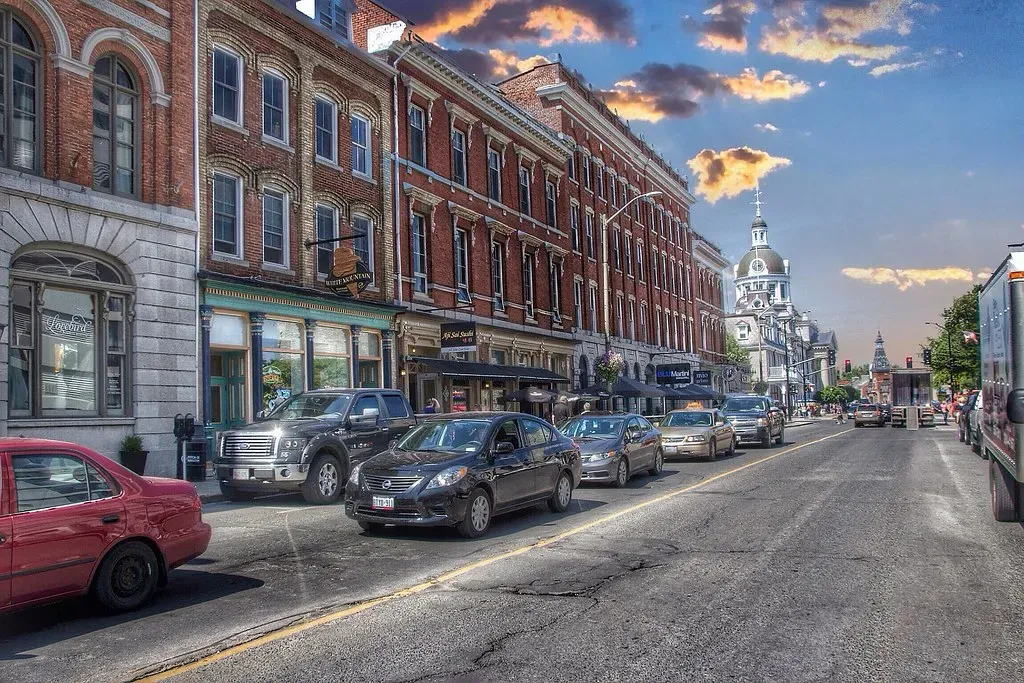
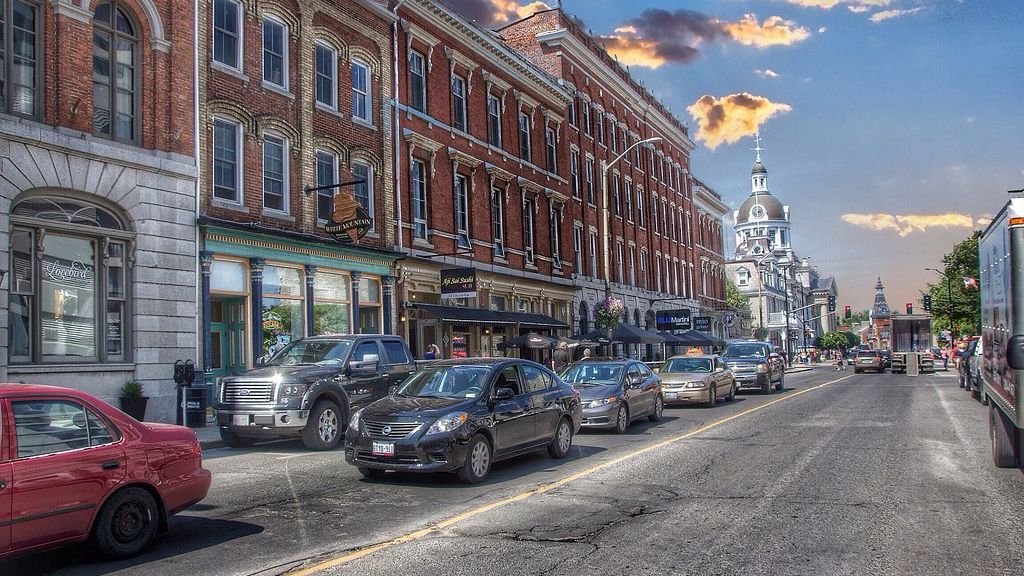
Located about an hour from both Austin and San Antonio, Fredericksburg has quietly transformed from a quaint German settlement into one of America’s most talked-about small destinations. The town retains its 1846 heritage through architecture, festivals, and food, all wrapped in genuine Texas hospitality.
More than 740,000 visitors came to Gillespie County in 2024 alone, with tourism generating $175 million in visitor spending. That’s honestly staggering for a town of this size. The wineries scattered across the Hill Country draw sophisticated travelers, while historic Main Street offers over 150 locally owned shops and galleries.
What really sets Fredericksburg apart is the immersive experience. You’re not just passing through; you’re stepping into a living community where German heritage meets Texas charm. Luxury resorts like Waldorf Astoria are expected to open in 2027, signaling that high-end hospitality has noticed what travelers already discovered.
Lockhart, Texas: Where Barbecue Became a Travel Magnet
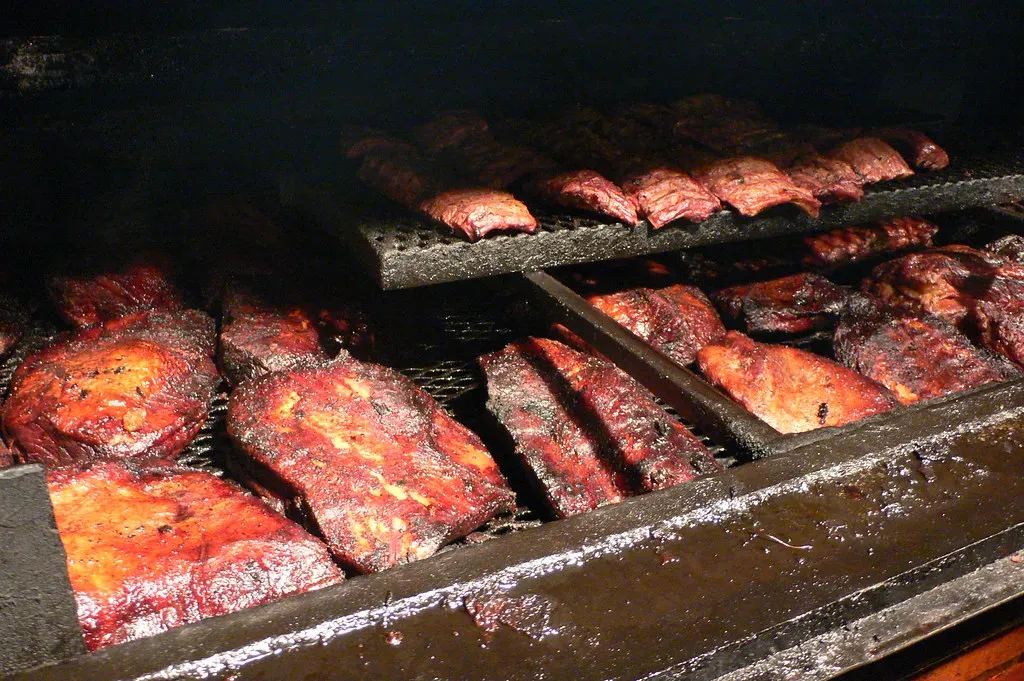
Smithsonian Magazine named Lockhart, Texas, one of the 15 best small towns to visit in 2025. This recognition isn’t random. Lockhart earned the official title of Barbecue Capital of Texas from the state legislature back in 1999, yet it’s only recently gaining serious national tourist attention.
The town sits about 35 miles south of Austin and has a population hovering around 15,000. Lockhart is home to iconic barbecue joints including Black’s Barbecue, Smitty’s Market, and Kreuz Market, with Smithsonian Magazine crowning it one of the best small towns in the U.S. The first-ever Michelin Guide Texas even added Lockhart’s Barbs B Q to its listings as a recommended restaurant.
Here’s the thing though: Lockhart isn’t just about brisket. The town’s historic downtown doubled as 1920s Fort Worth in the Yellowstone prequel series “1923.” Lockhart State Park offers hiking trails and wildlife sightings, giving visitors reasons to stick around beyond lunch. Texas Monthly hosts its annual BBQ Fest here every November, transforming this small community into a mecca for smoked meat enthusiasts nationwide.
Valley Ford, California: The Tiny Town Google Maps Made Famous
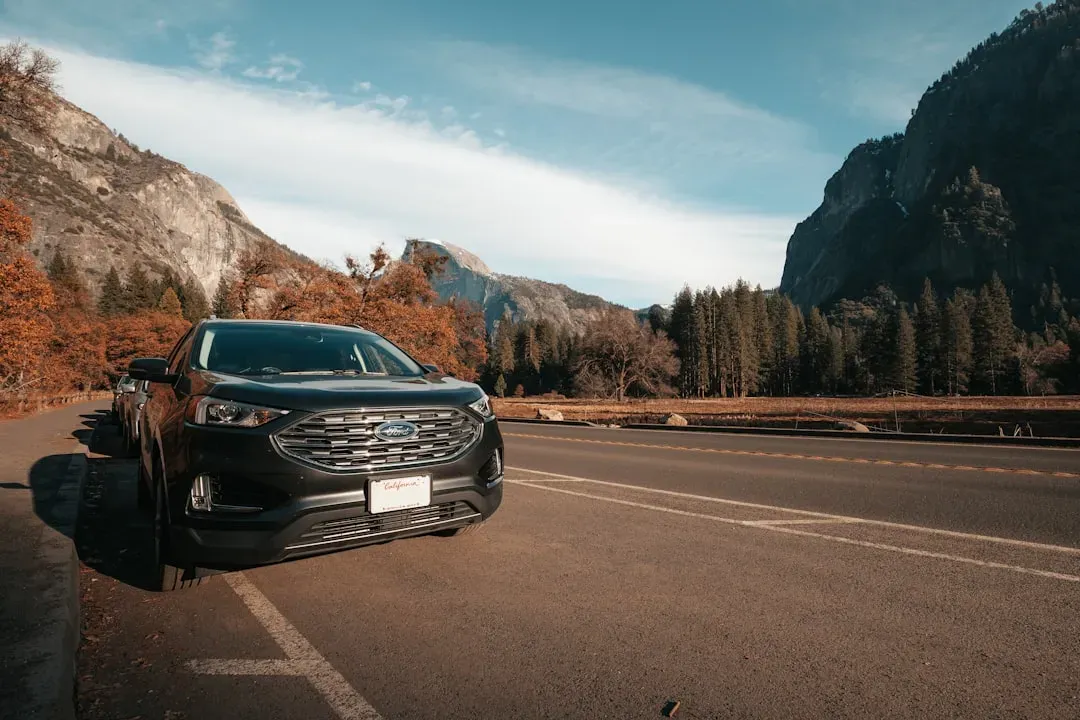
Let’s be real, this story is wild. Valley Ford, a small town in Sonoma County, California, has only 148 residents but is quickly becoming a popular tourist destination in 2026. The reason? An alleged Google Maps routing change that now directs travelers straight through Valley Ford instead of the neighboring town of Bodega.
Sometime in recent years, Google Maps began rerouting more drivers through Valley Ford, directing them along Valley Ford Road and Highway 1 as the ‘fastest route’ to the coast. What was once a sleepy pass-through became an accidental tourist attraction. Drivers who never planned to stop find themselves drawn in by the charming storefronts.
The town sits about an hour north of San Francisco, surrounded by rolling hills, oyster farms, and dairy country. Historic buildings like the 1864 Valley Ford Hotel give the area quaint appeal. Artists Christo and Jeanne-Claude installed their 18-foot-high white nylon ribbon, Running Fence, which stretched 24.5 miles across the landscape, cementing Valley Ford’s place in art history. Valley Ford Cheese and Creamery offers artisan products that food lovers travel specifically to find.
Bluff, Utah: Where Dark Skies Meet Ancient History
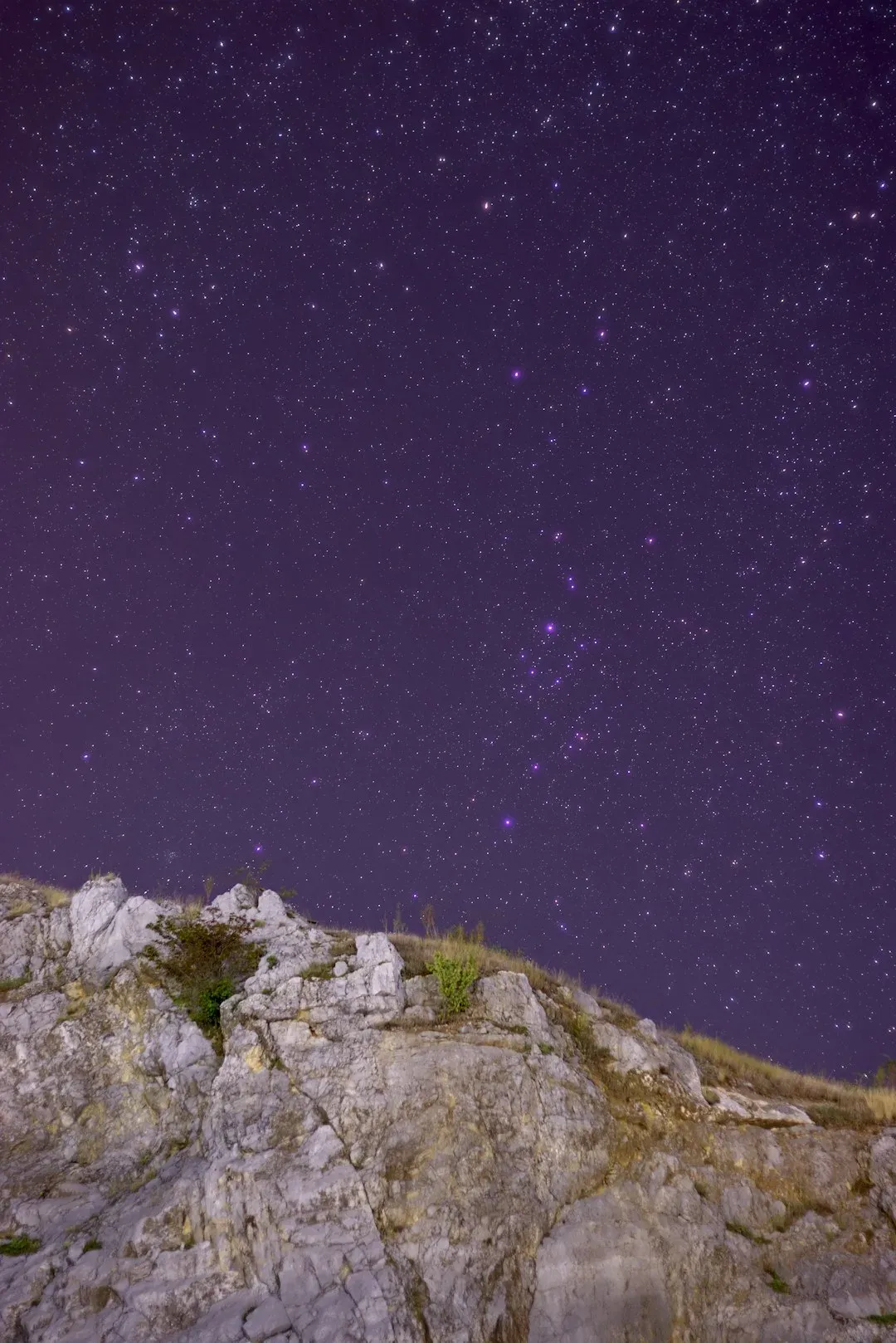
Tucked between sandstone cliffs and the San Juan River, Bluff represents a different kind of draw. The town is rich in human and natural history along the Trail of the Ancients National Scenic Byway, and was named an International Dark Sky Community in 2025. This certification matters more than you’d think.
Astrotourism is exploding as a niche travel category. Following the 2024 solar eclipse, more young travelers are looking for destinations that provide optimal stargazing opportunities, with one in four Gen Z consumers expressing interest in traveling for celestial events. Bluff’s community dedicated itself to preserving dark skies through improved outdoor lighting ordinances.
The surrounding landscape offers adventures during daylight too. Ancient petroglyphs, river rafting, and access to multiple national monuments make Bluff a base camp for exploration. It’s the kind of place where silence feels profound, and the night sky genuinely takes your breath away.
Paonia, Colorado: The New Dark Sky Darling
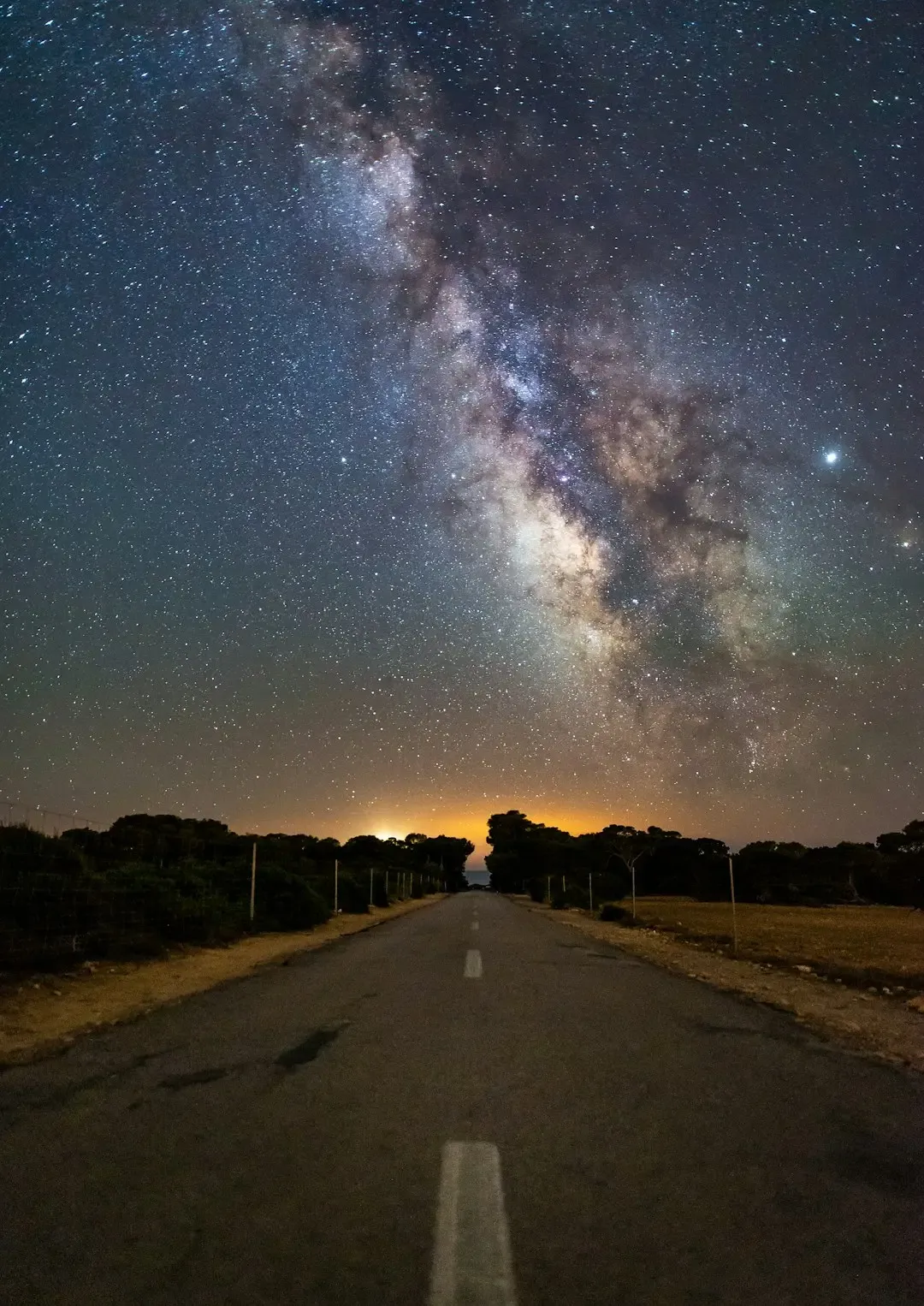
Paonia, Colorado, was certified as an International Dark Sky Place in September 2024, surrounded by a national forest, park, recreation area and conservation area which keeps light pollution to a minimum. This tiny town is known for farms, fruit, and wine during the day, but at night the Milky Way steals the show.
The timing couldn’t be better. Travelers increasingly seek experiences that feel restorative rather than exhausting. Paonia offers exactly that blend of agricultural charm and cosmic wonder. It’s not flashy or overdeveloped, which honestly might be its greatest asset right now.
The surrounding public lands provide hiking, camping, and outdoor recreation opportunities year-round. Local wineries and farm stands give visitors reasons to explore during daylight hours. Then when darkness falls, you’re treated to one of the clearest views of the cosmos available anywhere in the Lower 48.
Helper, Utah: The Former Mining Town Finding New Life
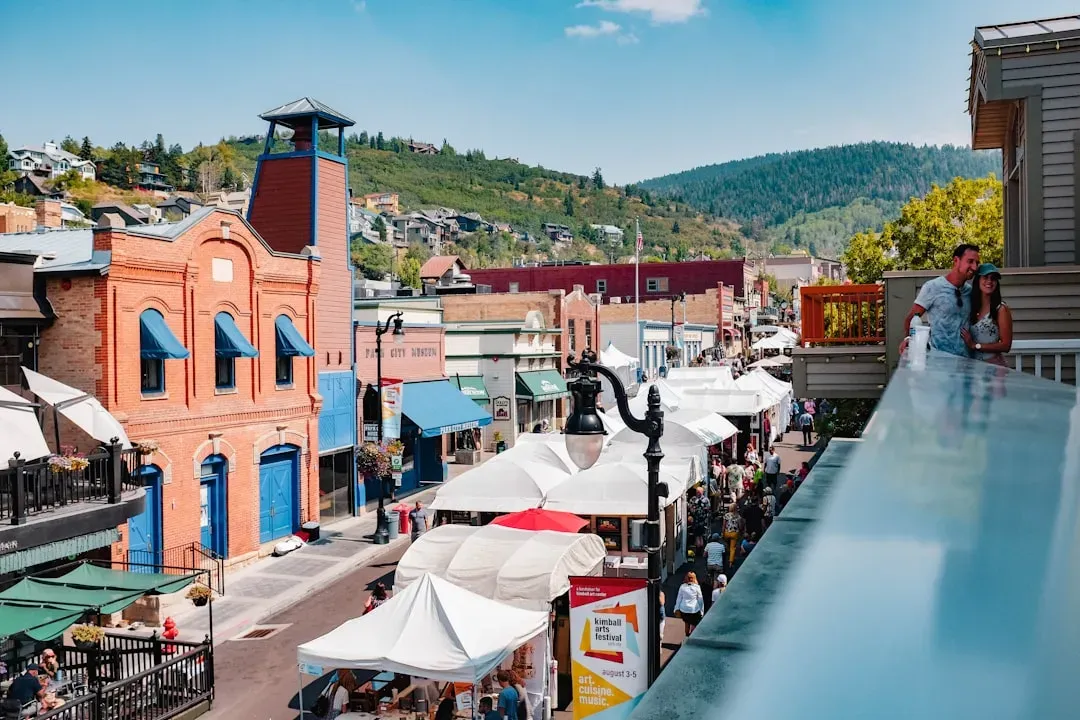
Located near Nine Mile Canyon, this former mining and railroad town was certified as an International Dark Sky Community, with Helper’s nearby Dark Sky Observers leading regular astronomy programs and special events. Helper represents the kind of transformation happening across rural America as towns reimagine their identities.
The town’s name comes from the “helper engines” that once pushed trains over steep mountain grades. Today, that industrial heritage blends with art galleries, quirky shops, and a tight-knit community that welcomes curious travelers. The downtown historic district tells stories of boom-and-bust cycles that shaped the American West.
Helper sits along the route to more famous Southern Utah destinations, making it an ideal stopping point. Yet increasingly, visitors are choosing Helper as their main destination rather than just a waypoint. The combination of history, art, and those internationally certified dark skies creates an experience you simply can’t replicate in bigger cities.
Castle Valley, Utah: Red Rock Meets Starlight
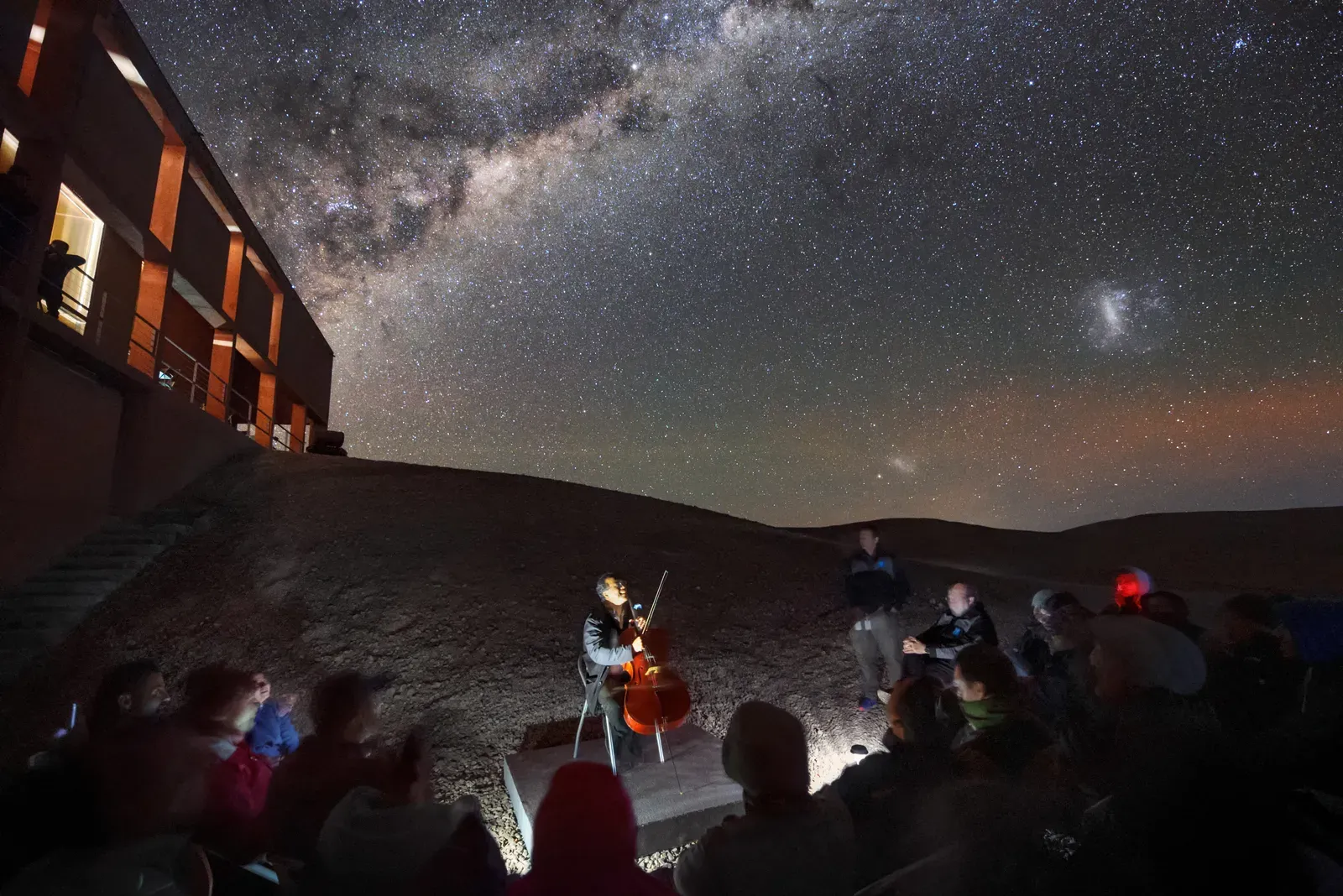
Just north of Moab, Castle Valley joined the ranks of Utah’s Dark Sky Communities at the beginning of 2024. This sculptured red rock landscape already had natural appeal, yet the dark sky designation adds another dimension to its allure.
Castle Valley embodies the “townsizing” trend that’s reshaping travel patterns. About 67% of Gen Z travelers prefer visiting charming villages, lesser-known countryside escapes, or emerging second cities instead of crowded tourist hotspots. Castle Valley delivers that authentic small-town experience without feeling commercialized or overrun.
The surrounding red rock formations glow during sunset, then transform into silhouettes against star-filled skies. It’s the kind of place that reminds you how vast the universe actually is. Hikers, mountain bikers, and photographers are discovering Castle Valley offers Moab’s stunning landscapes with a fraction of the crowds.
Beverly Shores, Indiana: Lake Michigan’s Hidden Stargazing Gem
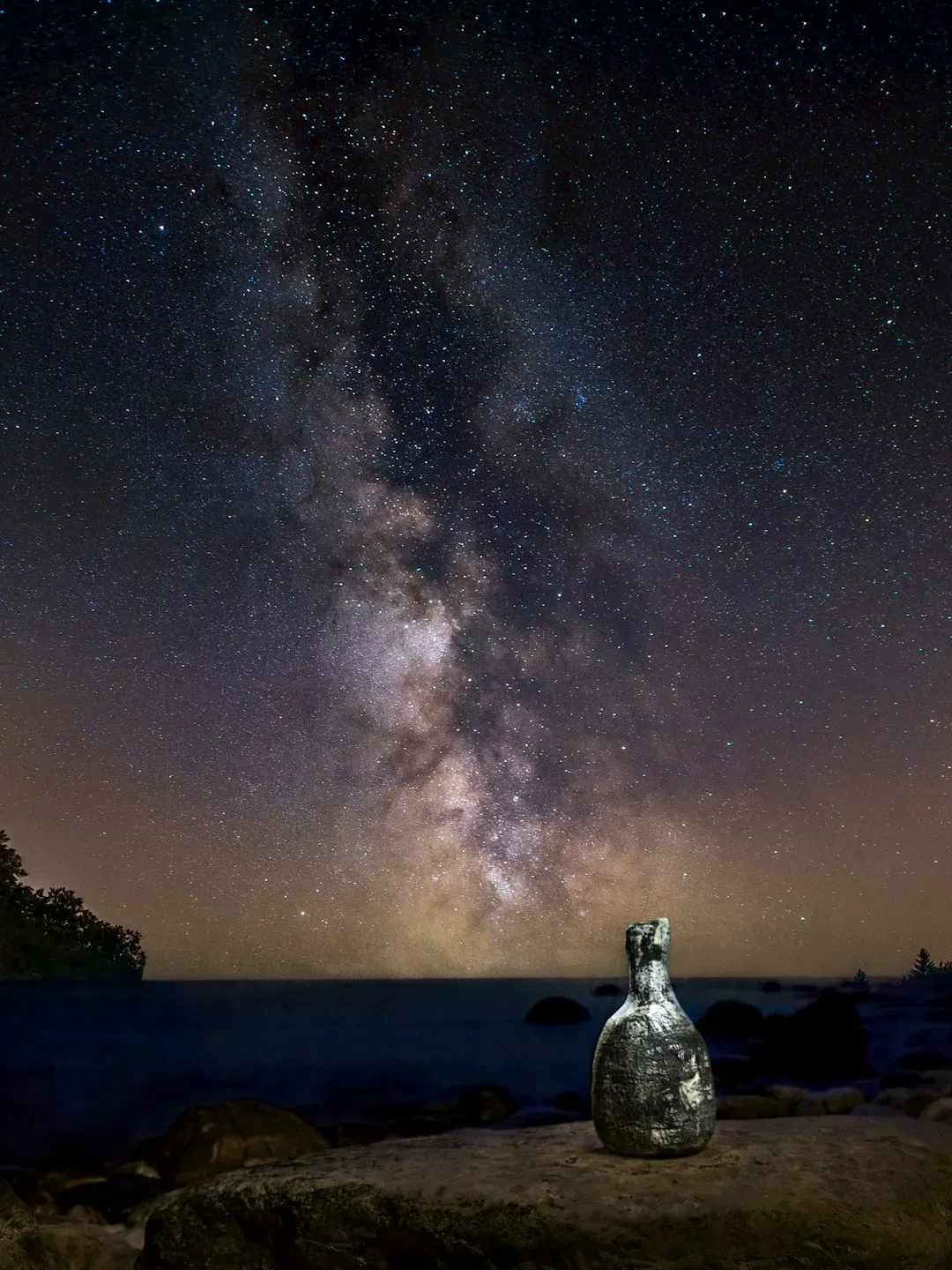
With a population of about 600, Beverly Shores, Indiana is surrounded on three sides by Indiana Dunes National Park and is an easy hour drive south from Chicago. The town makes up in starlight what it lacks in luxury accommodations, offering an accessible escape for Midwestern city dwellers.
This tiny spit of residential area along Lake Michigan’s shoreline surprises visitors who don’t expect world-class stargazing this close to Chicago. In winter months, starlight glitters over the frosty lake surface as early as 4:30 PM, while summer is ideal for late-night picnics and stargazing on the beach. The South Shore rail line even provides public transit access, making Beverly Shores remarkably convenient.
Indiana Dunes National Park provides the protected buffer that keeps light pollution minimal. The combination of accessible location, affordable lodging options, and genuine dark skies positions Beverly Shores perfectly for the growing domestic tourism market. Sometimes the best destinations are hiding in plain sight, just an hour from a major metropolitan area.
Torrey, Utah: Gateway to Capitol Reef’s Celestial Show
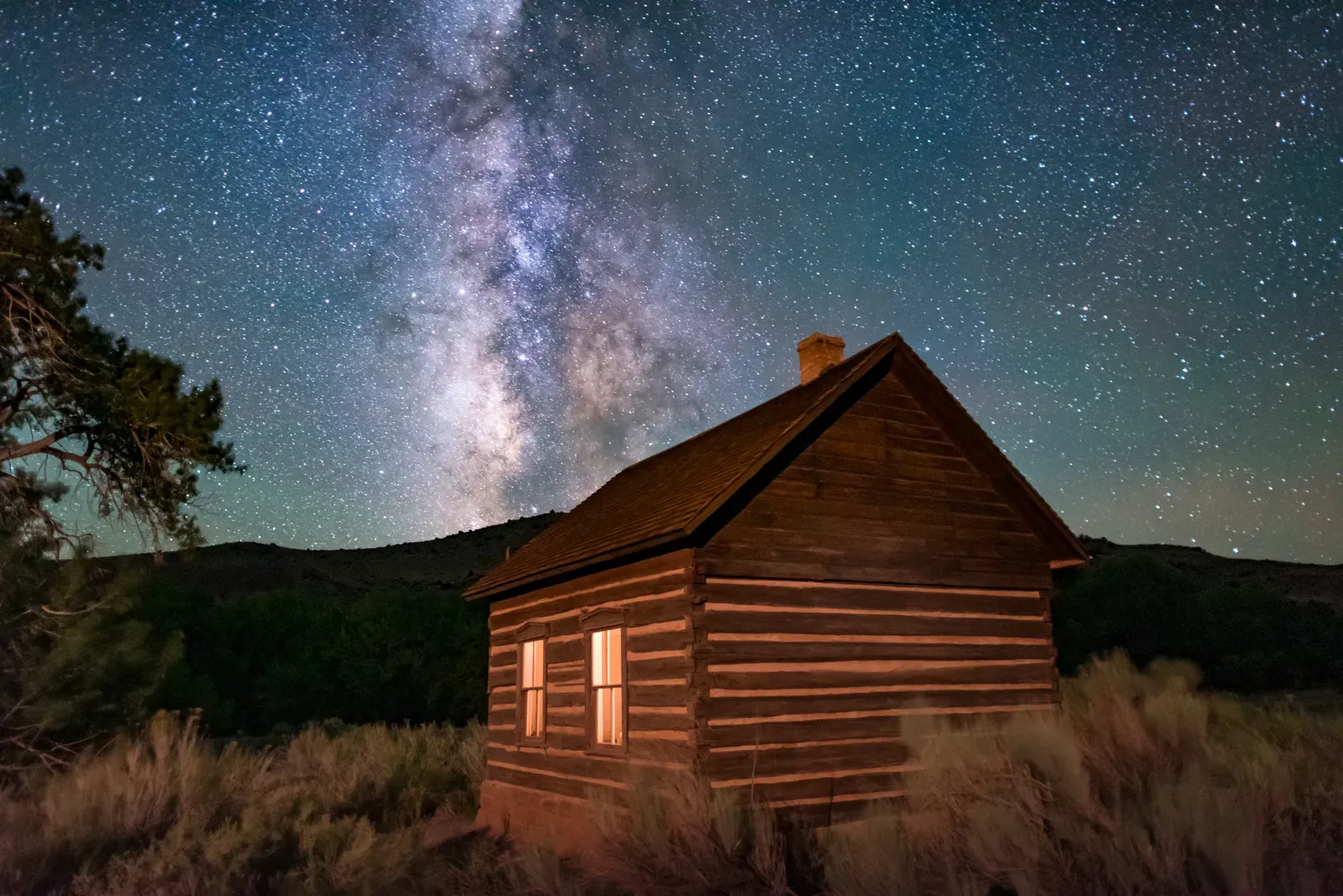
After Capitol Reef National Park was named an International Dark Sky Park in 2015, the gateway town of Torrey shot for the stars too, with the entire area now transforming into a starlit natural wonderland each night. Torrey understood something crucial: proximity to a certified dark sky park creates tourism opportunities for the whole community.
The town sits along Highway 24, making it a natural base for exploring Capitol Reef. During the day, visitors wander through the Fruita Rural Historic District with its heirloom apricot orchards left by 1880s pioneers. When fruit is ripe, you’re welcome to pick your own trail snacks before hiking Hickman Bridge Trail or Gooseneck Overlook.
After sunset, Torrey becomes something else entirely. The lack of ambient light reveals layers of stars invisible to most Americans. It’s this day-to-night contrast that makes Torrey compelling. You’re not choosing between outdoor adventure and stargazing; you’re getting both in one destination that remains genuinely off the beaten path.
Ketchum, Idaho: Ski Town Embracing Astrotourism
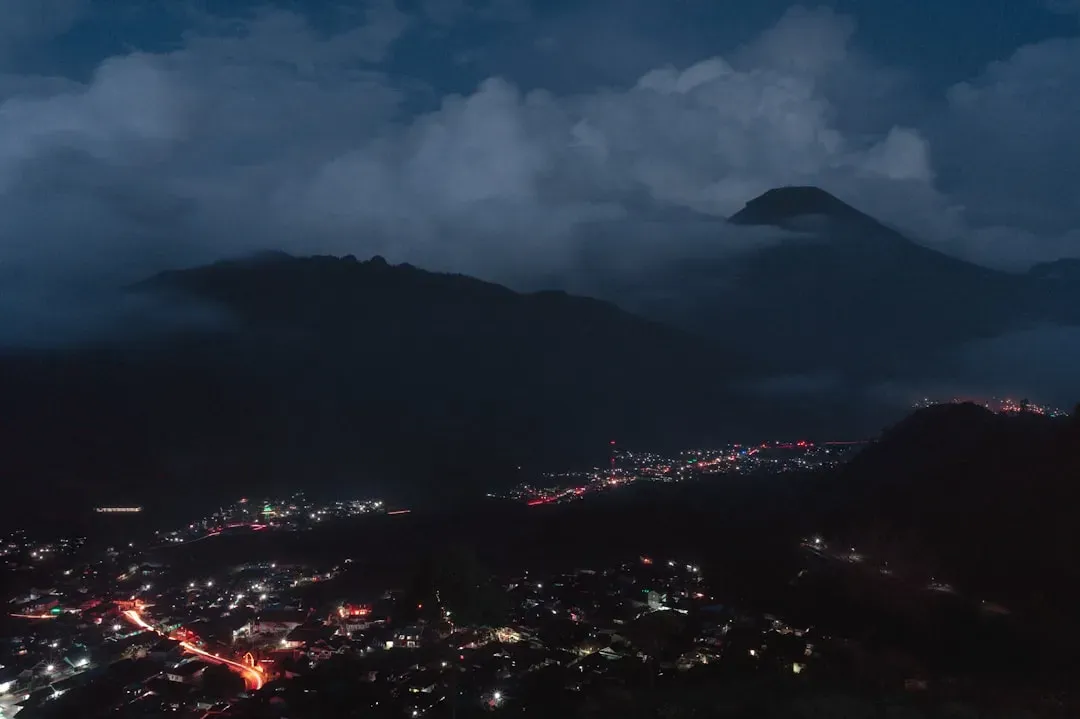
Already growing in popularity as an outdoor playground, Ketchum is also starting to attract astrotourists interested in viewing clear night skies, enfolded in the ski slopes of Idaho’s Rocky Mountains. This represents smart destination evolution rather than complete reinvention.
Ketchum has long attracted winter sports enthusiasts to its surrounding slopes. Yet the town realized that dark skies offer a year-round attraction that extends the tourism season beyond powder months. Summer visitors can hike, mountain bike, and explore during daylight, then stargaze after dark. Fall and spring shoulder seasons gain new appeal when celestial events are factored into trip planning.
The infrastructure already exists to support tourism: quality lodging, restaurants, and amenities that cater to discerning travelers. Adding astrotourism simply gives visitors another reason to choose Ketchum over competing mountain destinations. It’s a model other resort towns are watching closely as they seek to diversify their tourism offerings and extend peak seasons.