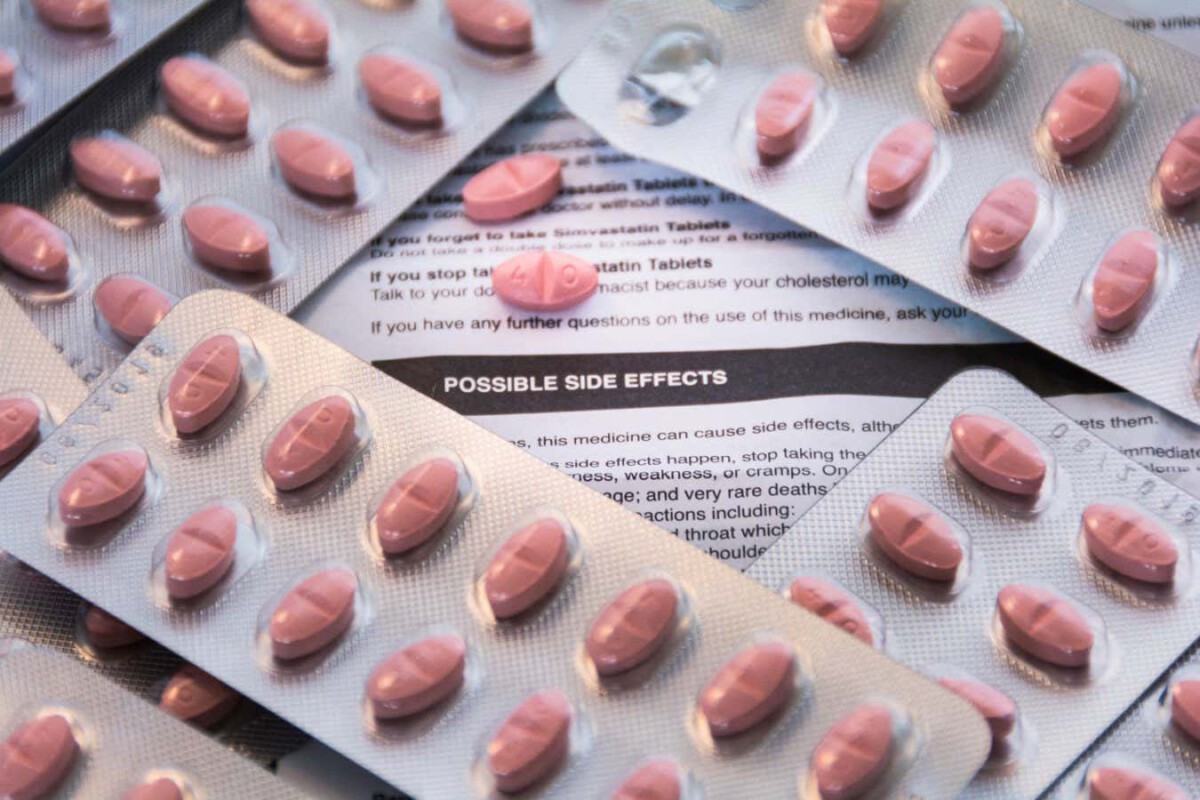
Decades of Data Deliver Clear Verdict (Image Credits: Images.newscientist.com)
A sweeping analysis of clinical trials has determined that statins trigger far fewer adverse effects than their packaging suggests, offering reassurance to millions who rely on these heart-protecting medications.
Decades of Data Deliver Clear Verdict
Scientists examined 19 randomized controlled trials involving more than 120,000 participants tracked for an average of 4.5 years.[1][2]
The Cholesterol Treatment Trialists’ Collaboration reviewed five widely prescribed statins against placebos. They scrutinized 66 potential side effects commonly noted on labels.
Results showed no meaningful excess risk for the vast majority of these issues. Participants on statins reported problems like dizziness, fatigue, headaches, and memory loss at rates matching those on dummy pills.[3]
Lead author Christina Reith at the University of Oxford stated, “We can now be confident that statins do not cause the vast majority of medical issues listed as potential side effects in statin patient information leaflets.”[1]
Real Risks Remain Rare and Manageable
Four side effects did link to statins, though risks stayed minimal. These included elevated liver enzymes, minor liver abnormalities, excess protein in urine, and limb swelling from fluid buildup.[2]
Such changes occurred in small percentages and rarely led to serious harm. For instance, abnormal liver tests rose by about 0.1 percent more than in placebo groups, without boosting rates of hepatitis or liver failure.[3]
Prior research confirmed other known concerns: muscle pain affected roughly 1 percent of users, while a slight blood sugar rise nudged some toward diabetes. The new review excluded these from its main analysis, as separate studies already addressed them.
| Side Effect | Statin Risk Excess | Clinical Impact |
|---|---|---|
| Liver enzyme changes | ~0.1% | Minimal; no disease increase |
| Urine protein | Small | No kidney harm |
| Limb swelling | <1.5% yearly | Low |
| Muscle pain (prior data) | 1% | Rarely severe |
Nocebo Effect Fuels Patient Fears
Many reported symptoms likely stem from expectations rather than the drugs themselves. Experts pointed to the nocebo effect, where warnings prompt perceived harm.
Jeffrey Berger at New York University Langone Health noted, “It may arise due to the nocebo effect, where the expectation of harm leads to someone experiencing it.”[1]
Senior author Rory Collins recalled his own doctor hesitating to prescribe statins due to side effect worries. Such doubts contribute to low adherence, even among high-risk patients.
Statins slash LDL cholesterol by half and cut heart attack and stroke risks by 25 percent. Cardiovascular disease claims 10 million lives yearly worldwide.
Calls Grow for Label Overhauls
Researchers urged regulators to revise packaging. Karol Watson at UCLA said, “Drug regulators should now update statin labels. For instance, labels could make clear which side effects are actually caused by statins and which seem to occur at similar rates among people on a placebo.”[1]
- Memory loss or dementia: No excess risk
- Depression: Matching placebo rates
- Sleep disturbances: Unlinked
- Erectile dysfunction: No causation
- Weight gain: Not elevated
- Nausea or fatigue: Common but unrelated
Reith emphasized, “This allows us to be confident in saying that the benefits of statins really do significantly outweigh their risks.”[1]
Key Takeaways
- Statins match placebos for 62 of 66 listed side effects.
- True risks are tiny and rarely harmful.
- Updated labels could boost life-saving use.
Armed with this evidence, doctors can better reassure patients, potentially saving more lives from preventable heart events. Have you experienced statin side effects, or hesitated to start them? Tell us in the comments.