Cleaner Skies with a Climate Catch (Image Credits: Images.newscientist.com)
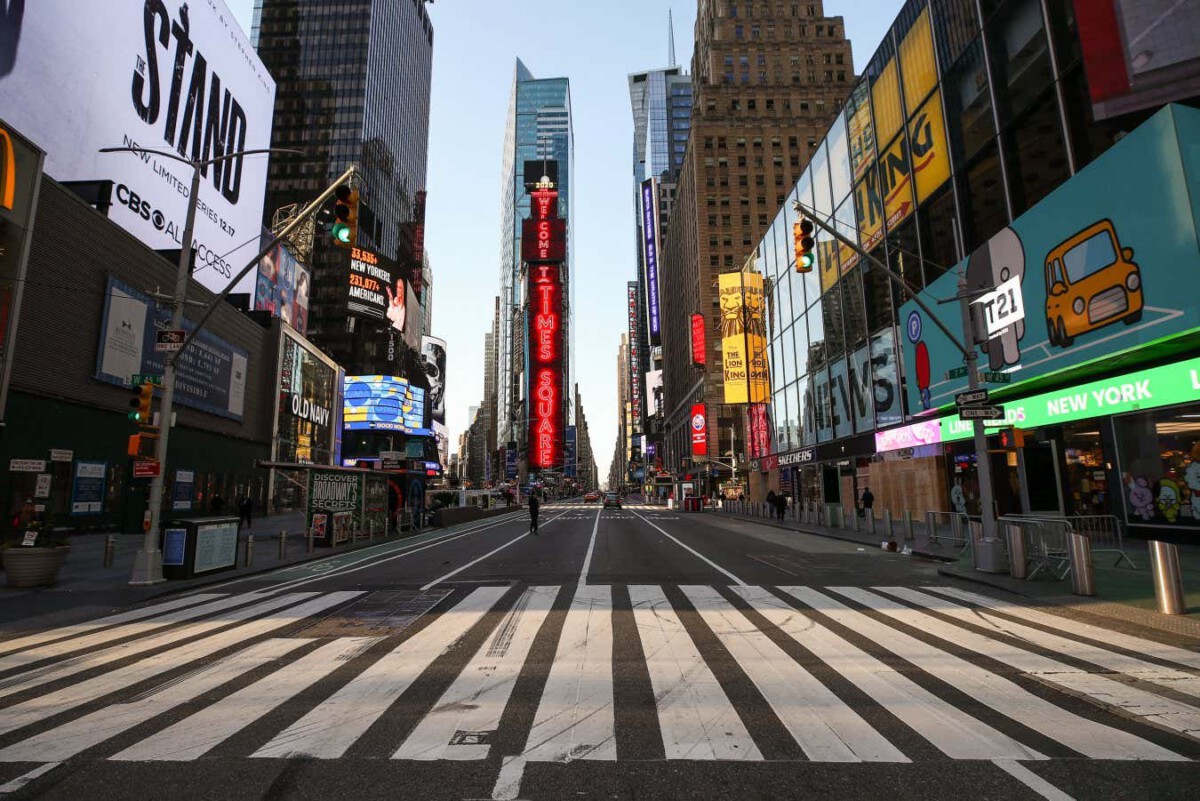
A temporary drop in pollution during 2020 lockdowns reshaped atmospheric chemistry and propelled methane levels to record highs.[1]
Cleaner Skies with a Climate Catch
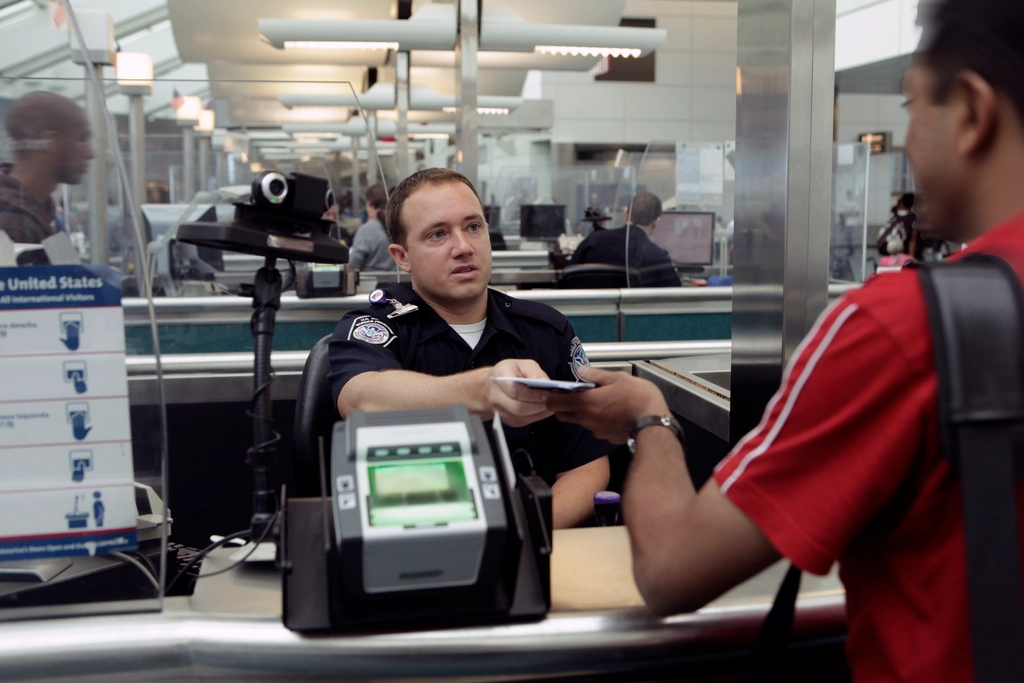
Reduced traffic, flights, and shipping slashed nitrogen oxide emissions worldwide. These pollutants normally help generate hydroxyl radicals, nature’s primary tool for breaking down methane in the atmosphere. Fewer radicals meant methane lingered longer, amplifying its warming effect.[1]
Researchers modeled this chain reaction and found it explained much of the anomaly. Matthew Johnson at the University of Copenhagen likened it to a hangover from fossil fuel dependence: cutting the “catalyst” lets pollution dominate. The effect peaked as economies slowed, with aviation and transport slow to recover even into 2021.[1]
Methane’s Dramatic 2020-2022 Spike
Atmospheric methane growth doubled from about 20 million tonnes per year before 2020 to roughly 40 million tonnes by 2022. Levels then eased back in 2023 as activity normalized. Shushi Peng’s team at Peking University quantified how an 83 percent shift tied directly to fluctuating hydroxyl radical concentrations.[1]
Satellites tracked gases feeding radical production, while models matched real-world methane readings. Peng noted transportation and shipping rebounds lagged, prolonging the dip. This built on their earlier work blaming equal parts chemistry and wetlands for 2020 alone.[1]
Wetlands Step Up Amid La Niña
Climate patterns amplified the problem. La Niña delivered extra rain to central Africa from 2020 to 2022, swelling the Sudd and Cuvette Centrale wetlands and boosting microbial methane release. Wetter conditions also juiced emissions from rice paddies in South and Southeast Asia.[1]
- Arctic wetlands emitted more as temperatures rose, spurring microbe activity.
- Inland waters and reservoirs contributed via expanded flooded zones.
- Tropical Africa and Southeast Asia saw the biggest jumps.
- South American wetlands bucked the trend in 2023 due to El Niño drought.
These natural sources filled the remaining gap after chemistry’s dominant role.[2]
Lessons for a Greener Future
As nations like China and India shift to electric vehicles, nitrogen oxides will fall further. Peng warned this could weaken the methane sink again, demanding steeper cuts in human emissions from fossil fuels, waste, and agriculture. Paul Palmer at the University of Edinburgh called for re-examining radical controls, noting overestimates might hide true emission rises.[1]
Euan Nisbet and Martin Manning highlighted quick fixes: capture vented methane from coal mines, landfills, and sewage in developing economies. Johnson urged action as climate feedbacks gain speed. Models differ on future radical trends, underscoring measurement challenges.
Key Takeaways
- Lockdown-driven NOx cuts reduced hydroxyl radicals, driving 83% of the methane surge variation.
- La Niña-fueled wetlands added the rest, signaling rising climate feedbacks.
- Target fossil leaks, waste, and agriculture to counter cleaner-air side effects.
Methane’s short life belies its outsized warming punch, making swift reductions essential amid intertwined pollution and climate fights. How can global pledges adapt to these surprises? Tell us in the comments.