

If you’ve ever caught your grandchild glued to their phone, mumbling about an app you’ve never heard of, or watching something on their tablet that looks like nothing you recognize, you’re not alone. The digital landscape kids navigate today moves at a dizzying pace. One minute it’s all about one platform, the next they’ve pivoted to something completely new. Honestly, keeping up can feel like learning a new language every few months. The goal here isn’t to turn you into a tech expert overnight, but to help you understand what’s actually happening on those glowing screens. Let’s dive in.
Always Online: The New Normal for Today’s Teens

Nearly half of U.S. teens (46%) say they’re on the internet almost constantly, according to a Pew Research Center survey conducted in fall 2024. Think about that for a moment. Not just frequently. Constantly. That smartphone isn’t just a gadget to them. It’s their social lifeline, their entertainment hub, and their homework helper all rolled into one sleek device.
The share of teens who report being online almost constantly has roughly doubled since 2014-15, when only about one quarter felt that way. It’s easy to feel alarmed by those numbers, yet it’s also worth understanding why this is their reality. For many teens, being connected means staying relevant with their friend groups, keeping up with school communication, and frankly, not feeling left out.
The practical decoding here is simple: this isn’t a phase or a fad. It’s how their world works now. When talking to your grandchild about their online time, avoid starting with judgment. Instead, ask them what they do when they’re online and why it matters to them. You might be surprised to learn it’s not all mindless scrolling.
YouTube Reigns Supreme Across All Ages

Nine-in-ten teens report using YouTube, making it the most widely used platform among this age group by far. Whether it’s tutorial videos, gaming streams, music, or comedy sketches, YouTube has something for everyone. Overall, 73% of teens say they go on YouTube daily, with many visiting multiple times throughout the day.
Here’s the thing. YouTube isn’t what it was when you might have used it to watch a funny cat video a decade ago. Today it’s a massive ecosystem where kids can learn anything from coding to cooking, but also encounter misleading information or inappropriate content depending on what the algorithm serves up. As in past years, YouTube was the single most popular platform teenagers used, with 90% saying they watched videos on the site.
A smart conversation starter? Ask what channels they follow and why. Watch a video or two with them. You’ll get insight into their interests, and you might actually find it entertaining. Plus, it opens the door to gently discussing how to evaluate whether a creator is trustworthy or just chasing views.
TikTok, Instagram, and Snapchat: The Big Three Social Apps
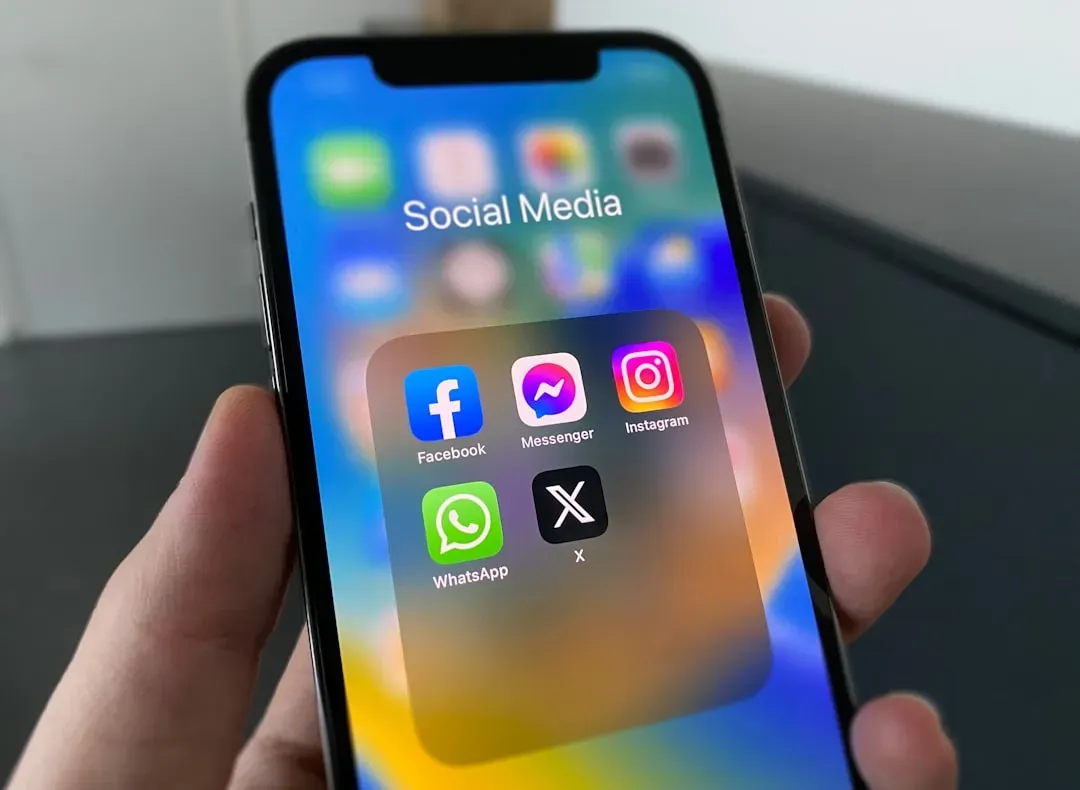
Roughly six-in-ten teens say they use TikTok and Instagram, and 55% say the same for Snapchat, according to the Pew Research Center’s 2024 data. These three platforms have become core parts of teen social culture, each serving a slightly different purpose. TikTok is where creativity and trends collide, Instagram is visual identity and aspiration, and Snapchat is casual, ephemeral communication with close friends.
What’s tricky is that each platform has its own unwritten rules and culture. A post on Instagram might be carefully curated, while a Snap is meant to disappear in seconds. About six-in-ten visit TikTok daily, including 16% who report being on it almost constantly. Some teens describe the pull of these apps as almost magnetic, which makes sense when you understand how the algorithms work to keep users engaged.
When you talk to your grandchild about these apps, focus on how they’re using them rather than condemning them outright. Are they creating content, or just consuming? Are they connecting with real friends, or strangers? These nuances matter far more than blanket screen time limits.
UK Children Are Online Earlier Than Ever

Ofcom’s 2024 report states that 96% of children aged 5-7 go online, and that number climbs to over 99% once children reach the 12 to 15 age group. This isn’t just a US phenomenon. Across the pond in the UK, internet use among children is nearly universal. Even very young kids are increasingly present in digital spaces.
Overall use of social media sites or apps among all 5-7s has increased year-on-year (30% to 38%), with WhatsApp, TikTok, Instagram and Discord seeing particular growth among this age group. Let that sink in for a second. Five year olds on TikTok. It’s a reality that many parents and grandparents find unsettling, yet it reflects how early digital exposure begins in 2026.
A key conversation point: age limits exist for a reason. Most social media platforms officially require users to be 13 or older, yet enforcement is patchy at best. Discussing why these limits are in place, and the risks of early exposure, can be more effective than simply saying no.
Social Media Use Among UK Teens Is Nearly Universal

Around two in five parents of 5-7 year-olds (42%) say they use social media sites and apps together with their child, while a third (32%) report that their child uses social media independently. Even more striking, Ofcom’s 2025 report reveals that social media use jumps dramatically as children get older, with the vast majority of 13 to 17 year olds actively using these platforms.
The upward trend is sharp. What starts as supervised viewing or messaging with family quickly evolves into independent accounts, group chats, and exposure to a much wider digital world. Kids are savvy. They know how to navigate privacy settings, how to avoid parental oversight, and how to access content that might not be age appropriate.
The smart way to approach this? Co-viewing and co-use when they’re younger builds trust and opens dialogue. As they get older, that foundation makes it easier to have honest conversations about what they’re seeing, who they’re talking to, and how to handle uncomfortable situations online.
Screen Time for Young Kids Holds Steady

For children aged eight and under, the average screen time is about 2 hours 59 minutes a day across smartphones, tablets, and computers, according to research tracking UK children’s media habits. In the US, Common Sense Media’s 2025 census found similar patterns, with children aged 0 to 8 averaging about 2 hours 27 minutes of daily screen media use in 2024.
What’s interesting is that this number has remained relatively stable over recent years, even as access to devices has increased. The real question isn’t just how much time they’re spending, but what they’re doing during that time. Are they passively watching content, or engaging in creative or educational activities? The distinction matters.
Here’s the thing: not all screen time is created equal. Thirty minutes of video chatting with grandparents is vastly different from thirty minutes of mindless app scrolling. When discussing screen habits with parents or grandchildren, focus on the quality and context of use, not just the raw minutes.
Kids Get Devices Younger and Younger

Almost a quarter of children aged five to seven now own a smartphone, according to Ofcom’s 2024 findings. Meanwhile, Common Sense Media reports that roughly 40% of children have a tablet by age 2, and nearly one in four have a personal cellphone by age 8. The age of first device ownership keeps creeping downward.
Parents often give kids devices for practical reasons: staying in touch, educational apps, or simply keeping them occupied. Yet early device ownership comes with risks that many families aren’t fully prepared to manage. Young children lack the impulse control and critical thinking skills to navigate digital spaces safely on their own.
The conversation to have here is about readiness, not just age. Does the child understand basic online safety? Can they come to a trusted adult when something feels wrong? Have clear rules been established about what apps are okay and which are off limits? These questions matter far more than hitting some arbitrary age milestone.
AI Chatbots Have Exploded Among Teens

Roughly two-thirds report using chatbots, including about three-in-ten who do so daily, according to a groundbreaking Pew Research Center survey from December 2025. This was the first time Pew asked teens specifically about AI chatbot use, and the results reveal just how quickly this technology has been adopted. ChatGPT was the most-used AI app among teens, with 59% saying they had ever used it.
Here’s where it gets complicated. AI chatbots can be genuinely useful for homework help, answering questions, or learning new skills. Yet they can also give confidently wrong information, lack emotional nuance, and in some troubling cases, provide harmful advice. Teens are turning to these tools not just for schoolwork, but for companionship, mental health support, and advice on personal problems.
The smart approach? Acknowledge that AI is here to stay, but emphasize critical thinking. Ask your grandchild if they fact check what the chatbot tells them. Do they understand that it’s a machine, not a person? Encouraging healthy skepticism can help them use these tools wisely without becoming overly dependent.
Cyberbullying Remains a Persistent Threat

Cyberbullying isn’t a relic of the past. It’s an ongoing reality. According to the Cyberbullying Research Center’s 2023 data, roughly one quarter of boys and nearly 29% of girls said they had been cyberbullied in the past 30 days. Lifetime rates are even higher, and girls consistently report experiencing more cyberbullying than boys.
What makes online bullying different from traditional bullying is its reach and permanence. A mean comment or embarrassing photo can spread to hundreds of people in minutes, and screenshots mean nothing truly disappears. The psychological impact can be severe, contributing to anxiety, depression, and in extreme cases, self harm.
When talking to kids about cyberbullying, make it clear you’re a safe person to come to. Many kids don’t report being bullied online because they fear losing device privileges or being seen as weak. Emphasize that it’s not their fault, that you won’t overreact, and that together you’ll figure out the best response. Sometimes that’s blocking someone, sometimes it involves the school, and sometimes it means taking a break from the platform entirely.
Racial and Ethnic Patterns in Platform Use

Roughly one-quarter of Black or Hispanic teens say they visit TikTok almost constantly, compared to just 8% among White teens, according to Pew’s research. Similarly, Black and Hispanic teens are more likely than White teens to say they constantly use YouTube or Instagram. These patterns reveal meaningful differences in how young people from different backgrounds engage with digital platforms.
Why does this matter? Because it highlights that tech use isn’t uniform. Cultural factors, economic considerations, and community norms all shape how kids interact with technology. Lower income teens are also more likely to use certain platforms like Facebook and TikTok compared to their higher income peers.
Understanding these nuances can help you have more informed conversations. Rather than assuming all teens use technology the same way, recognize that your grandchild’s specific context, their friends’ habits, and their cultural background all play a role. Tailor your guidance to their reality, not a one size fits all stereotype.
What Parents and Grandparents Can Actually Do

So where does this leave you? The digital world your grandchildren are growing up in is fundamentally different from anything previous generations experienced. That doesn’t mean you’re powerless. Far from it. The most important thing you can offer is engaged, nonjudgmental curiosity about their online lives.
Ask them to show you what they’re into. Learn the names of the apps they use and what makes each one different. When something concerns you, approach it as a conversation, not an interrogation. Set boundaries that make sense for your family, whether that’s no phones at the dinner table, co-viewing content with younger kids, or regular check ins about who they’re talking to online.
Remember, the goal isn’t to eliminate technology from their lives. That ship has sailed. The goal is to help them develop healthy, balanced, and safe relationships with the digital tools that are now an inextricable part of growing up. Your role as a grandparent or parent is to guide, support, and stay connected, even when the tech landscape feels overwhelming. What do you think about the digital world your grandchildren are navigating? Do any of these trends surprise you, or do they match what you’ve observed?