A Swift Comeback After Technical Hurdle (Image Credits: Cdn.mos.cms.futurecdn.net)
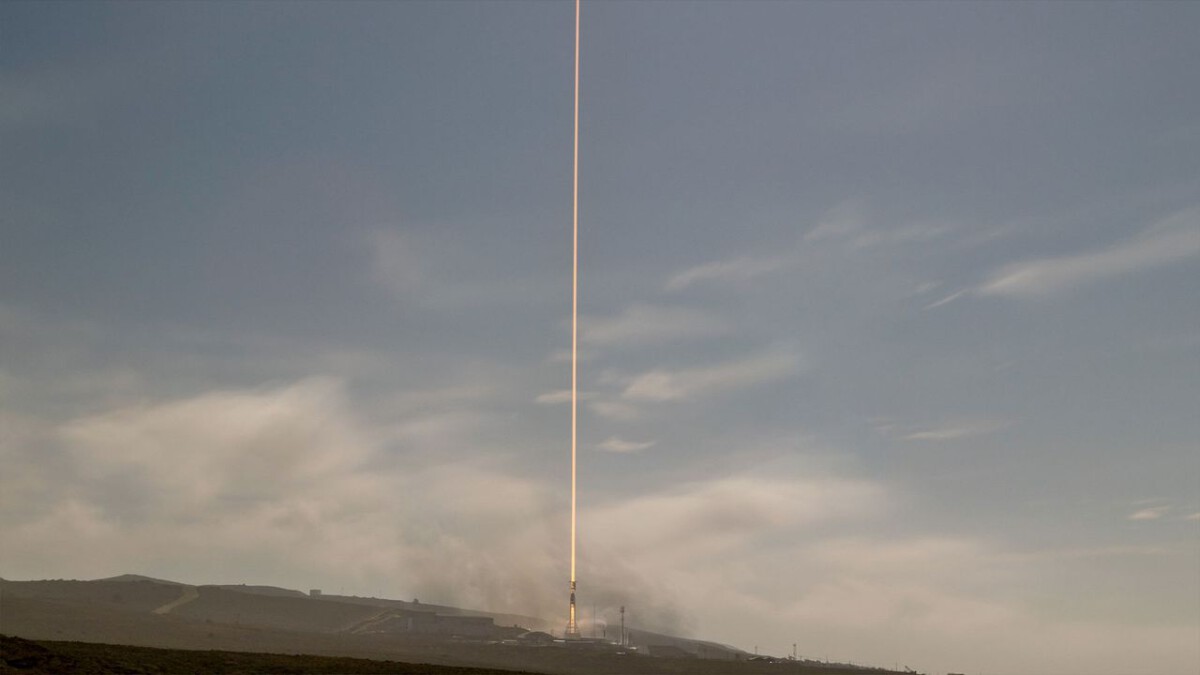
Vandenberg Space Force Base, California – SpaceX executed a flawless Falcon 9 launch carrying 25 Starlink satellites into orbit on February 7, signaling the end of a brief operational pause.[1]
A Swift Comeback After Technical Hurdle
The mission lifted off successfully at 12:58 p.m. local time from Space Launch Complex 4, propelling the satellites toward low Earth orbit. This marked SpaceX’s 15th Falcon 9 flight of 2026 and demonstrated rapid resolution of prior issues.[1][2]
Engineers addressed concerns from a February 2 launch, where the upper stage encountered an off-nominal condition. The first stage booster separated cleanly and touched down on the Of Course I Still Love You droneship stationed in the Pacific Ocean. All systems performed nominally during ascent and deployment.[2]
Root Cause of the February 2 Anomaly
During the earlier Starlink mission, the second stage failed to reignite for its deorbit burn because of a gas bubble in the transfer tube. SpaceX pinpointed this as the likely culprit and implemented corrective measures. The stage passivated as designed and reentered over the Southern Indian Ocean roughly 10.5 hours later, avoiding uncontrolled debris risks.[1][3]
Company representatives detailed the incident on their website. SpaceX promptly submitted a mishap report to the Federal Aviation Administration, outlining the probable cause and preventive steps. Regulators reviewed and accepted the findings, granting clearance for resumed operations on February 6.[3]
This episode represented the fourth upper stage challenge in 19 months, yet turnaround times continue to shorten compared to prior groundings.
Veteran Booster Powers the Mission
Booster 1088, a battle-tested first stage, handled the liftoff with precision. It previously supported high-profile payloads including NROL-126, Transporter-12, SPHEREx, and NROL-57, alongside eight Starlink deployments. Such reusability underscores SpaceX’s efficiency in reducing launch costs.[1]
- NROL-126 national security satellite
- Transporter-12 rideshare mission
- SPHEREx astrophysics observatory
- NROL-57 reconnaissance payload
- Eight prior Starlink batches
The booster’s successful recovery reinforces the Falcon 9’s reliability profile.
Boosting the Starlink Network
These 25 satellites joined the growing Starlink constellation, which now exceeds 9,600 active spacecraft according to independent trackers. The network aims to deliver global broadband internet, particularly to remote regions. Each addition enhances coverage and capacity for users worldwide.[1]
SpaceX maintains a rigorous cadence of Starlink missions from multiple sites, including Vandenberg for polar orbits. Another batch awaits launch from the same base as early as Wednesday, targeting a morning window.[2]
Key Takeaways
- Falcon 9 flights resumed after just five days following FAA approval.
- 25 Starlink satellites deployed successfully to low Earth orbit.
- Booster 1088 achieved another precise droneship landing.
SpaceX’s quick pivot from anomaly to success highlights maturing rocket operations amid intensifying launch demands. Future missions, including NASA’s Crew-12 astronaut flight on February 11, now proceed without delay.[3] What are your thoughts on SpaceX’s rapid recovery? Share in the comments below.