
Anticipated Testimony Meets Silence (Image Credits: Upload.wikimedia.org)
Washington – Rep. Raja Krishnamoorthi addressed Ghislaine Maxwell’s congressional deposition during an NPR interview, highlighting tensions in the ongoing probe into Jeffrey Epstein’s network.[1][2]
Anticipated Testimony Meets Silence
The House Oversight Committee convened a closed-door virtual deposition with Maxwell on February 9, 2026. Lawmakers sought details on Epstein’s associates and operations.[3]
Maxwell, serving a 20-year sentence for sex trafficking, appeared from a low-security federal prison camp in Texas. Her legal team indicated she would invoke the Fifth Amendment, a move Krishnamoorthi discussed amid expectations of limited cooperation.[4]
Committee Chair James Comer pressed forward despite warnings. The session marked months after a subpoena compelled her participation.
Key Refusals Center on Epstein’s Network
Questions targeted unnamed co-conspirators and individuals linked to Epstein’s abuses. Lawmakers referenced four co-conspirators and 25 men involved in secret settlements, as noted in Maxwell’s prior legal filings.[3]
Maxwell declined to respond to any inquiries. Her attorney, David Oscar Markus, explained the decision stemmed from a pending habeas petition challenging her conviction.[5]
- Details on Epstein’s client list or records naming associates.
- Identities of co-conspirators beyond Epstein.
- Information on settlements with victims.
- Any records of high-profile figures’ involvement.
- Maxwell’s prior interactions with federal officials.
Markus emphasized Maxwell’s willingness to speak if granted clemency by President Trump.
Bipartisan Pushback Emerges
Republicans expressed disappointment over the lack of answers. Comer called the refusal unfortunate, noting missed opportunities for the investigation.[5]
Democrats questioned the process. Rep. Robert Garcia accused Maxwell of protecting others and alleged special prison treatment under the Trump administration. He vowed to uncover any White House cover-up.[3]
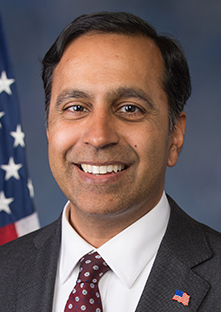
Krishnamoorthi, a Democratic member of the committee, joined NPR’s Leila Fadel to contextualize the event. His comments underscored the deposition’s role in broader transparency efforts tied to the Epstein Files Transparency Act.[2]
| Figure | Statement |
|---|---|
| David Oscar Markus (Attorney) | “Ms Maxwell is prepared to speak fully and honestly if granted clemency by President Trump.” |
| James Comer (R-Ky., Chair) | “She chose to invoke her Fifth Amendment right.” |
| Robert Garcia (D-Calif.) | “Who is she protecting?” |
Clemency Offer Ties to Trump Era
Markus highlighted a previous two-day interview with Deputy Attorney General Todd Blanche, where Maxwell answered freely. He asserted both Presidents Trump and Clinton bore no wrongdoing.[3]
The overture for clemency drew criticism. Democrats viewed it as a bid for pardon, complicating the probe. Republicans focused on future depositions, including those of Bill and Hillary Clinton scheduled later in February.[6]
Maxwell’s stance prolonged uncertainties around Epstein’s full network.
Key Takeaways:
- Maxwell invoked the Fifth on all questions, citing legal risks.
- Her team seeks presidential clemency for full disclosure.
- Investigation continues with more depositions planned.
The deposition exposed persistent barriers in unraveling Epstein’s operations, leaving lawmakers to pursue alternative paths. What steps should Congress take next to expose the full truth? Tell us in the comments.