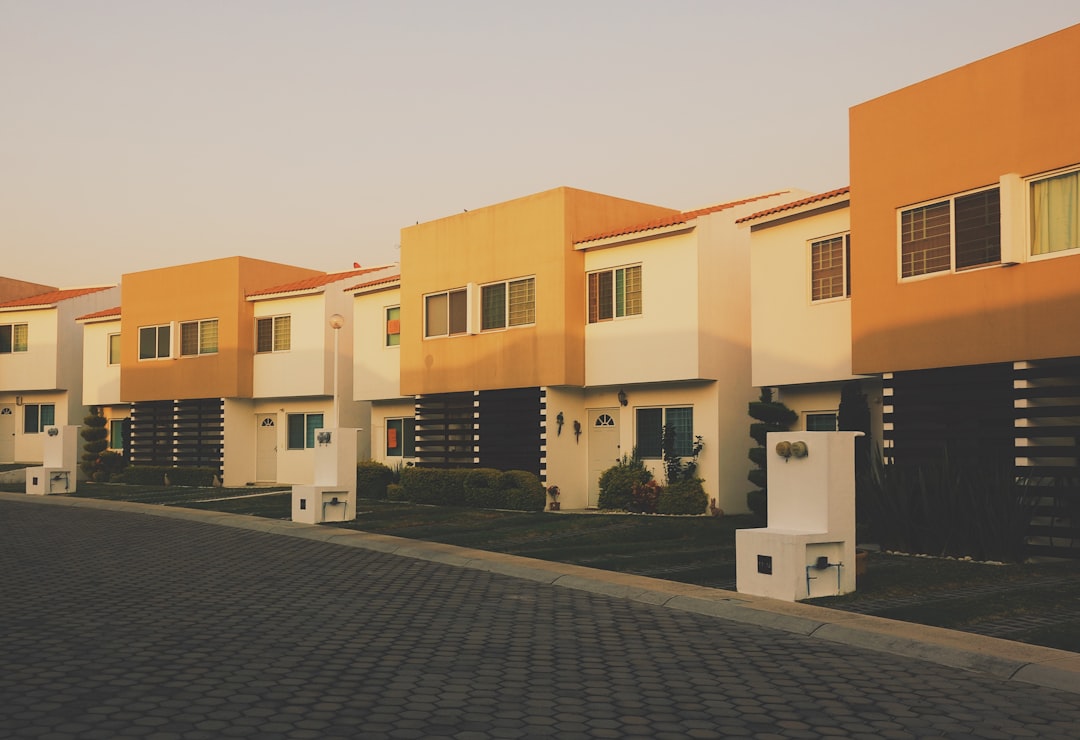
The Ambitious Sunnyside Vision (Image Credits: Unsplash)
Queens – A vast rail yard in Sunnyside stands as a rare opportunity to ease New York City’s chronic housing shortage through a massive infusion of affordable units.
The Ambitious Sunnyside Vision
Architects at the Practice for Architecture and Urbanism unveiled a master plan in early 2020 for the 180-acre Sunnyside Yards site, owned by Amtrak, the Metropolitan Transportation Authority, and General Motors.
The proposal called for decking over active rail lines to create space for 12,000 fully affordable residential units, alongside 60 acres of public parks, a new commuter rail station, 10 schools, two libraries, and dozens of childcare and health facilities.
Commercial and manufacturing space totaling five million square feet would support middle-class jobs. City officials estimated the deck’s construction at $5 billion, a price tag justified by the site’s unparalleled scale in a city starved for developable land.
Vishaan Chakrabarti, PAU’s founder, highlighted the plan’s resilience. “This is part of why you do master planning… You don’t know something like this is going to happen. But it tees things up for the future,” he explained.
Mayoral Pledges Meet Historical Context
Newly inaugurated Mayor Zohran Mamdani pledged to triple production of publicly subsidized, permanently affordable homes, targeting 200,000 new units over the next decade, plus another 200,000 using city capital funds.
His call for a rent freeze on one million stabilized apartments echoes freezes under former Mayor Bill de Blasio in 2015, 2016, and 2020. De Blasio’s administration reported creating or preserving 200,000 units, while Eric Adams claimed 33,715 for fiscal year 2025 and aimed for 425,000 overall.
Mamdani appointed Leila Bozorg as deputy mayor for housing and planning, drawing on her experience from prior administrations. The “City of Yes” rezoning under Adams projects 82,000 new homes over 15 years through infill and smaller units.
Experts note continuity matters. Marc Norman of NYU’s Schack Institute observed that outcomes often build on predecessors’ foundations.
Persistent Barriers to Progress
The Sunnyside project stalled after its 2020 debut amid the Covid-19 shutdown, needing rezoning, MTA action on a rail station, and federal grants for the platform – opportunities missed under Adams with Biden-era infrastructure funds.
Chakrabarti lamented the funding gap: “There’s no way to build a platform without a federal grant… Mayor Adams could have applied for Biden infrastructure money.” Trump’s return further dimmed prospects.
Affordable housing development faces byzantine processes, including the 1998 Faircloth Limit capping public housing units and reliance on low-income tax credits sold to investors.
Andrea Kretchmer of Xenolith Partners described a 95-unit project in Brooklyn that took 11 years. “We are losing units faster than we can replace them with new construction… It’s like we are running on a treadmill that’s going faster than you can run,” she said.
Small-Scale Paths Forward
While Sunnyside represents a grand vision, experts push smaller projects on underutilized land like parking lots and vacant sites.
PAU’s 2023 analysis for The New York Times identified 1,700 acres suitable for housing without rezoning. Firms like Xenolith, Type A Projects, and Kalel target 50-unit builds.
Inclusionary zoning mandates affordable shares in new towers, but critics call it inadequate. Jonathan F.P. Rose of Jonathan Rose Companies urged streamlining regulations: “Get out of the way. We have a whole series of ridiculous regulations that just waste a whole lot of time.”
Key project elements include:
- 12,000 affordable residential units
- 60 acres of public open space
- New Sunnyside rail station
- 10 schools and extensive community facilities
- Five million sq ft of job-creating commercial space
Key Takeaways:
- Sunnyside Yards offers unmatched scale but demands federal funding and political momentum.
- Mayors inherit pipelines; Mamdani’s goals build on de Blasio and Adams efforts.
- Small developers on parking lots provide quicker wins amid regulatory hurdles.
New York City’s 1.4 percent rental vacancy rate underscores the urgency for supply-focused action. Incremental builds on overlooked sites could accumulate into real relief over time. What steps should the city prioritize next? Share your thoughts in the comments.