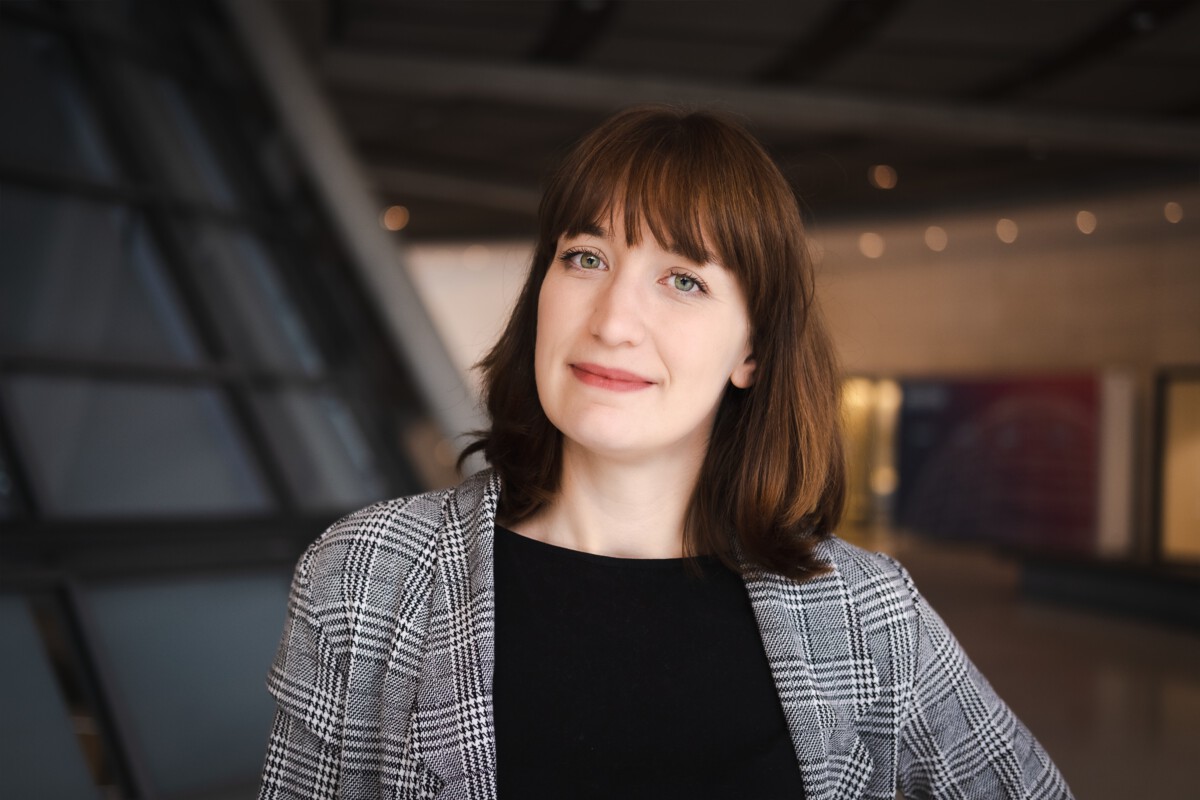
A Viral Stand That Ignited a Comeback (Image Credits: Upload.wikimedia.org)
Germany’s political landscape shifted dramatically in early 2025 when Die Linke, long on the brink of irrelevance, surged back into contention under the leadership of Heidi Reichinnek.[1][2]
A Viral Stand That Ignited a Comeback
Die Linke polled below 3 percent ahead of the February 2025 federal elections, teetering on the edge of parliamentary exclusion after Sahra Wagenknecht’s 2023 departure to form her own alliance. Reichinnek’s late January parliamentary speech changed everything. She declared, “We are the firewall” against the far right, a line that racked up 6.5 million TikTok views and nearly 30 million shares across platforms.[1]
The address targeted conservative leader Friedrich Merz’s immigration proposals and rallied progressives with calls to “fight back, resist fascism… To the barricades!” Protests erupted, and Die Linke captured nearly 9 percent of the vote, securing seats and topping polls in Berlin. Among women under 25, support reached 34 percent – more than double that of any rival. The party tied with the Greens as Germany’s fourth-largest force by early 2026.[1]
From East German Roots to Party Helm
Born in 1988 in Merseburg, East Germany, Reichinnek grew up in a working-class family scarred by post-reunification changes. Her father worked at a synthetic-rubber plant that shifted to foreign ownership, yet her parents welcomed the end of socialism. She studied Middle Eastern politics, lived through the Arab Spring in Cairo, and joined Die Linke in 2015 amid the refugee crisis while teaching German to newcomers.
Her ascent proved meteoric. By 2019, at age 30, she became the youngest chair of the party’s Lower Saxony branch with 86 percent of delegate votes. In November 2024, amid party lows, she won election as co-leader alongside Ines Schwerdtner, a former Jacobin editor. Reichinnek’s tattoos – one of Rosa Luxemburg, another of Nefertiti in a gas mask – signaled her blend of historical reverence and activist edge.[1]
Youth Mobilization and Bold Policies
Reichinnek’s team targeted young voters through social media, simplifying messages to a fifth-grade reading level and embracing aesthetics like Taylor Swift tracks at rallies. A January 29, 2025, event in Berlin’s Kreuzberg drew 700 mostly youthful supporters, where she and Schwerdtner danced to “…Ready for It?” Campaigners knocked on 600,000 doors, and apps helped users check rent overcharges.
Core demands included rent caps, a higher minimum wage, taxing the wealthy, and nationalizing Deutsche Bahn. Die Linke pushed to halt arms to Israel – achieving a brief suspension in August 2025 – and defended asylum rights unequivocally. The party appealed to queer communities, with Reichinnek joining Leipzig’s Christopher Street Day parade in June 2025. Here are key pledges that resonated:
- Rent controls to combat housing costs.
- No domestic flights for rail executives until nationalization.
- Unwavering support for migrants and LGBTQ+ rights.
- Stronger welfare state against economic precarity.
- Opposition to far-right coalitions.
Confronting the AfD’s Relentless Advance
While Die Linke revived, the Alternative for Germany (AfD) soared past 20 percent in 2025 – its best result yet – and hit nearly 26 percent in early 2026 polls, eclipsing the CDU. Reichinnek acknowledged the alarm: “The AfD is growing stronger… But I see people standing their ground.” Eastern voters, once Die Linke’s base, fueled AfD gains amid immigration debates and attacks by some former asylum seekers.
Western skepticism lingered, with Die Linke at 11 percent in places like Osnabrück. Conservatives blocked her from an intelligence oversight role in June 2025. Still, she rejected SPD-Green coalitions as insufficiently left-wing and focused on channeling anger constructively: “We want to include them… We want to change something, and we want to show them there is hope.”[1]
Key Takeaways
- Die Linke’s 9 percent surge defied near-collapse projections.
- Social media propelled Reichinnek’s firewall message to millions.
- AfD’s rise demands sustained left-wing alternatives amid polarization.
Reichinnek’s charisma has restored Die Linke as a vibrant opposition, but sustaining youth enthusiasm against AfD dominance will test her resolve. As Germany grapples with division, her vision offers a progressive bulwark – if it can translate protests into lasting power. What do you think of Die Linke’s path forward? Share in the comments.