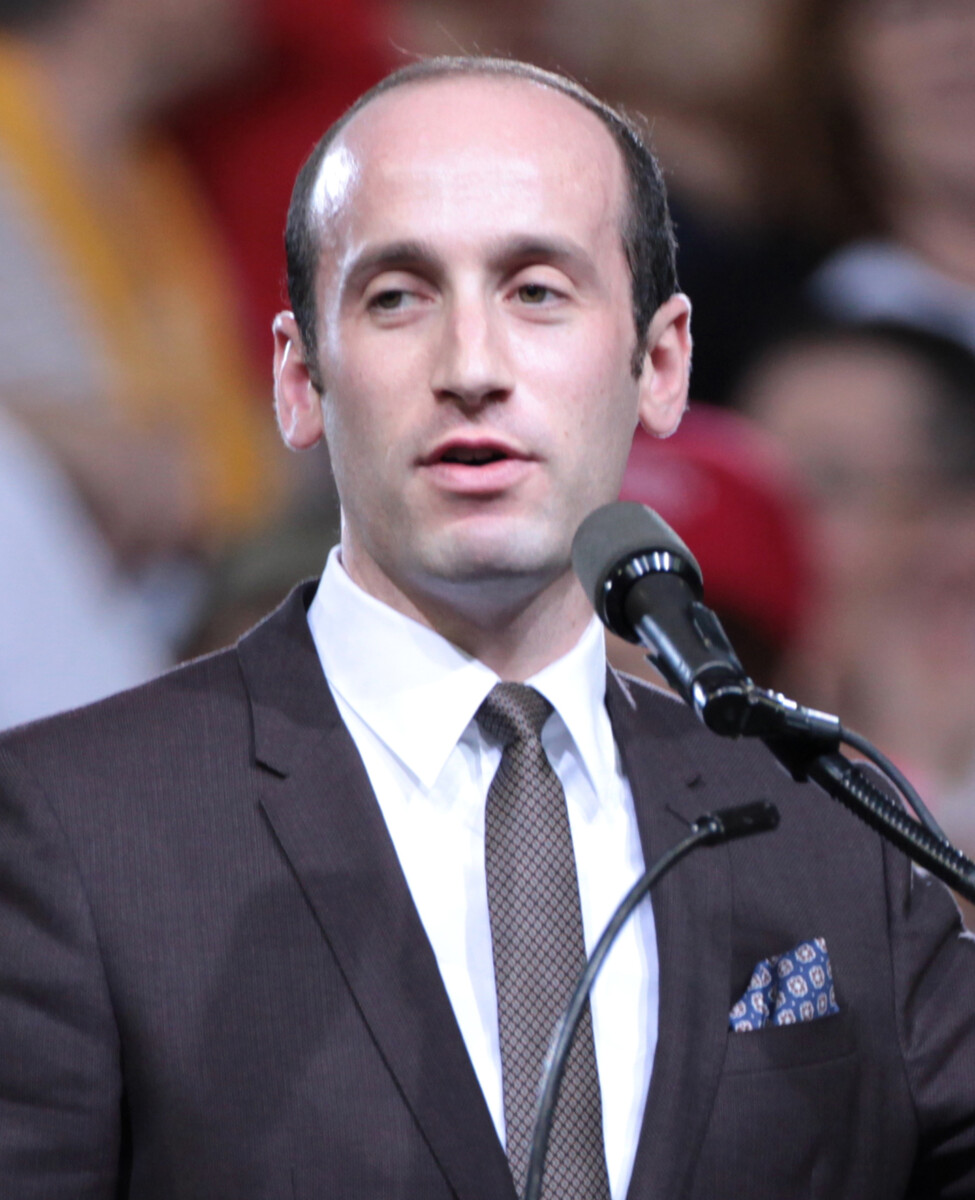
A Force No Voter Chose (Image Credits: Upload.wikimedia.org)
Stephen Miller directs much of the Trump administration’s agenda from behind the scenes, channeling extreme views into concrete actions despite his lack of electoral legitimacy.
A Force No Voter Chose
Steve Bannon labeled him Trump’s “prime minister.”[1]
Miller occupies a central role as White House deputy chief of staff, overseeing policies across the board. Observers note his hand in immigration crackdowns and bold foreign initiatives. His influence persists even as public support wanes. Voters prioritized economic pressures in the 2024 election, not his signature issues. Yet Miller steers the presidency toward maximalist goals rooted in hardline ideology.
Biographers highlight his early flair for provocation, honed on shock-jock radio as a teen. Loyalty to Trump propelled him through internal rivalries. He cultivated allies like Jared Kushner and Ivanka Trump, despite their milder stances on key matters. This blend of cunning and commitment sets him apart in a crowded field of advisors.
Policies Defined by Ruthless Execution
Immigration enforcement emerged as the administration’s hallmark under Miller’s guidance. ICE agents deployed to major cities, sparking controversy after fatal encounters in Minneapolis involving Renee Good and Alex Pretti. Authorities sent dozens of immigrants to facilities in El Salvador absent due process. Efforts targeted birthright citizenship, aiming to redefine constitutional protections for millions born on U.S. soil.
Foreign policy bore his imprint too. Operations included the seizure of Venezuelan leader Nicolás Maduro. Threats to claim Greenland signaled expansive ambitions. Miller framed these moves as responses to global power dynamics. His vision draws from fringe texts like The Camp of the Saints, prioritizing demographic shifts.
- ICE urban operations and related deaths
- Mass deportations without hearings
- Challenges to birthright citizenship
- Unilateral actions in Latin America
- Annexation rhetoric toward territories
Mastery of White House Intrigue
Miller excels at internal maneuvering, turning dogma into deliverables. He thrives on controversy, a tactic common in right-wing circles. Unlike media-focused peers, including his wife, he prioritizes policy wins. Cutthroat navigation on Capitol Hill built his base. Competence meets ideology in his profile, rare among extremists.
White House press secretary Karoline Leavitt affirmed his broad oversight in a recent interview.[1]
This clout endures amid political headwinds. Rivals pale beside his output. He controls access to Trump, amplifying his voice. Such dominance echoes past influencers like Henry Kissinger or Dick Cheney.
Polling Perils and Economic Shadows
Trump’s approval sank from plus 4 percent to minus 19 percent in his first year back. Tariffs fueled persistent inflation, eclipsing immigration in voter minds. Midterm forecasts favor Democrats reclaiming the House. Harsh enforcement drew bipartisan criticism, especially post-Minneapolis.
Miller defended the approach on CNN, insisting strength governs international affairs.[1]
“We live in a world…governed by strength, that is governed by force, that is governed by power,” he told Jake Tapper. Markets and allies resist these thrusts. Domestic pushback mounts from citizens facing enforcement directly.
Key Takeaways
- Miller’s unelected status belies his policy dominance.
- Immigration and foreign boldstrokes define his legacy.
- Declining popularity signals risks to the agenda.
Miller reshapes reality through presidential levers, but history warns of overreach – much like the Bush era’s imperial overconfidence. Resistance from voters, economies, and global actors tempers unchecked power. As midterms loom, his trajectory tests the limits of influence without broad consent. What do you think of his role? Share in the comments.
Analysis from The Nation details his ascent.