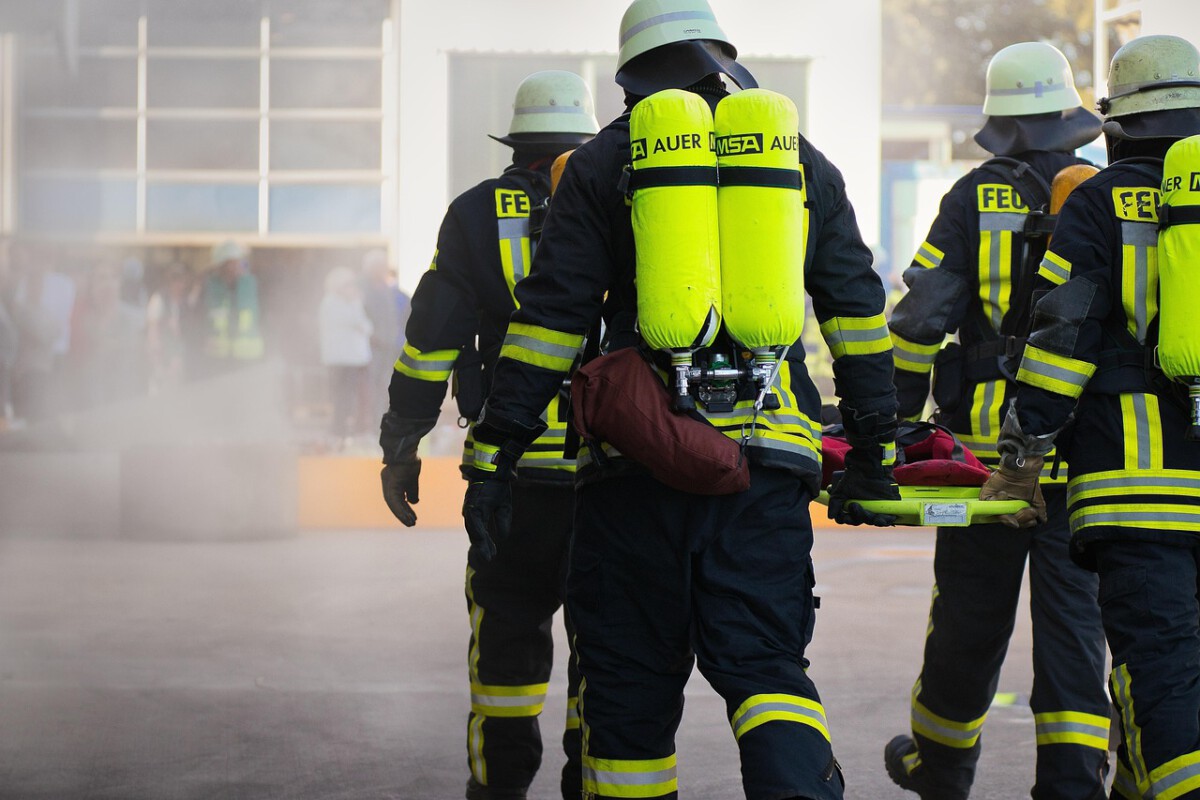
Knowledge Surfaced in 2021 (Image Credits: Pixabay)
Wildland firefighters equipped themselves with pants, hoods, and gloves treated with PFAS chemicals for years, even as U.S. Forest Service officials learned of the contamination and opted against widespread warnings.[1]
Knowledge Surfaced in 2021
A Forest Service equipment specialist reached out to supplier TenCate that year after public scrutiny intensified around PFAS in firefighting apparel. TenCate confirmed the presence of short-chain PFAS in its Shelltite finish on Advance fabric pants, a Kevlar blend used by wildland crews. The company also mentioned work on a PFAS-free alternative. Officials noted the chemicals provided oil and water repellency, though experts later questioned the necessity for wildland operations.
Congress had directed the National Institute of Standards and Technology to examine PFAS in gear samples, including those from wildland use. Internal emails revealed concerns about potential hazards and obligations to notify employees. Yet the agency held back, pending further research on skin absorption from the National Institute for Occupational Safety and Health.
Persistent PFAS in Protective Equipment
PFAS, dubbed forever chemicals for their environmental longevity, appeared in various wildland items. The NIST analysis in 2024 detected the substances in pants, hoods, and gloves at levels comparable to structural firefighting gear in some cases. Short-chain variants, with six or fewer fluorinated carbon atoms, featured in TenCate’s treatments for resistance to hydrocarbons and gasoline.
Wildland gear endures extended wear in remote areas, sometimes for weeks, amplifying potential exposure. TenCate assured the Forest Service in 2023 that no known health effects stemmed from its fabrics. Still, the agency did not confirm a full switch to PFAS-free options.
Health Risks Echo Long-Standing Fears
Firefighters already face elevated cancer rates compared to the general population. PFAS exposure links to certain cancers and developmental delays in children, with short-chain types persisting in the body for months. Blood tests show higher PFAS levels among structural firefighters; data for wildland personnel remains sparse.
The NIST findings underscored modest to high PFAS concentrations in tested wildland samples. Bryan Ormond, an associate professor of textile engineering at North Carolina State University, argued that wildland gear lacked a compelling need for such treatments.[1]
- PFAS in fabrics for oil repellency, despite limited wildland relevance.
- Short-chain chemicals bioaccumulate less but degrade slowly.
- Potential skin absorption during prolonged gear use.
- Higher cancer risks already plague the profession.
- Unclear long-term effects from wildland-specific exposure.
Agency Silence Draws Criticism
By April 2022, senior official David Haston queried colleagues on notification duties. Discussions within a risk management committee, involving Forest Service and Interior Department representatives, weighed the issue’s severity. The group deferred action until studies concluded. Grassroots Wildland Firefighters sought information but received no response absent a formal request.
Former Forest Service employee George Broyles described the approach as obfuscation, with leaders burying their heads in the sand. Riva Duncan, president of Grassroots Wildland Firefighters and ex-agency fire chief, faulted high-level managers for neglecting employee health over years. The Forest Service declined recent comment requests and issued a general 2024 statement on risk mitigation.
Key Takeaways:
- Forest Service learned of PFAS in gear by 2021 but prioritized studies over alerts.
- NIST confirmed contamination levels akin to urban firefighting equipment.
- Critics urge proactive phase-out of unnecessary chemical treatments.
Years of delay highlight tensions between precaution and evidence in federal oversight. Wildland firefighters continue battling blazes amid unresolved questions about their gear. What steps should agencies take next to protect those on the front lines? Share your thoughts in the comments.