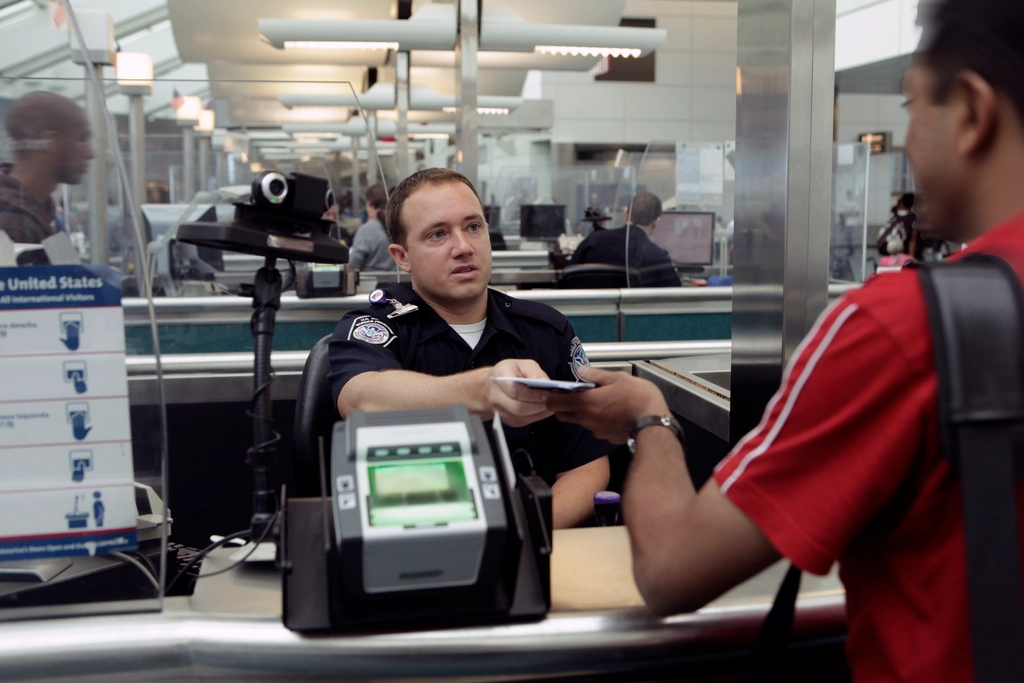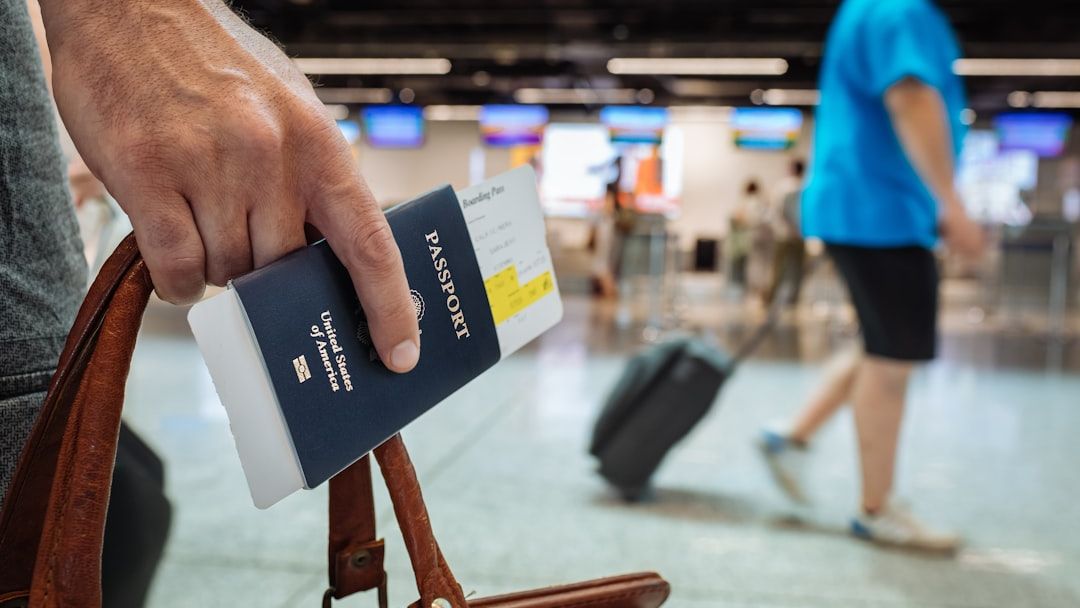

The world of U.S. travel rules has changed dramatically over the past few years, and honestly, it’s easy to feel confused. If you’re planning a domestic flight or entering the United States from abroad, chances are you’ve heard whispers about REAL ID, passport backlogs, and shifting entry requirements. These aren’t idle rumors. The rules have actually changed, and some of them kicked in recently enough that not everyone’s caught up yet.
Here’s the thing: navigating the new landscape doesn’t have to feel like decoding a government manual. Whether you’re figuring out which ID you can actually use at the airport or wondering how long it’ll take to get that passport renewed, understanding what’s required now will save you headaches, missed flights, and wasted money later. Let’s dive into what you really need to know to travel smoothly in 2026.
The REAL ID Deadline Is No Longer Coming – It’s Here

On May 7, 2025, U.S. travelers must be REAL ID compliant to board domestic flights and access certain federal facilities. This is not a drill. The deadline that kept getting pushed back for years finally arrived, which means your old driver’s license might not cut it anymore at the airport.
As of May 7, 2025, state-issued driver’s licenses and IDs that are not REAL ID compliant are no longer accepted as valid forms of identification at airports. If your card doesn’t have that little star in the corner, it’s now considered insufficient for TSA screening. You’ll need to either get a REAL ID or use an acceptable alternative like a passport.
The good news? All states, the District of Columbia, and the 5 territories are REAL ID compliant and issuing REAL ID compliant driver’s licenses and IDs. So getting one is simply a matter of visiting your state’s DMV with the right documents. Bring your birth certificate, Social Security card, and proof of address, and you’re on your way.
What to Do If You Don’t Have a REAL ID Yet
Let’s be real: not everyone has rushed to the DMV in the past year. If you’re one of the many who still don’t have that star on your license, don’t panic just yet. Passengers should either travel with an acceptable alternative form of ID, like a passport, or enroll for a state-issued REAL ID through their state DMV offices.
Starting February 1, 2026, if you are unable to provide the required acceptable form of ID at a TSA checkpoint, you will have the option to pay a $45 fee to use TSA ConfirmID. This new system lets TSA verify your identity through a biometric or biographical process. It’s not ideal, though. TSA advises passengers using Confirm.ID to expect up to 30 minutes of additional processing time.
Keep in mind that a non-refundable $45 payment is required to use Confirm.ID, and the fee covers a 10-day travel period, allowing round-trip or multiple flights within that window. It’s a workaround, not a long-term solution. Getting a proper REAL ID is still your best bet.
Acceptable Alternatives You Might Already Have
You might be sitting on a perfectly valid form of ID without even realizing it. Other forms of approved identification accepted at TSA checkpoints include valid U.S. passports or U.S. passport cards; DHS trusted traveler cards such as Global Entry, NEXUS, SENTRI, or FAST; Department of Defense IDs; permanent resident or border crossing cards; photo IDs issued by a federally recognized tribal nation; and more.
If you’ve got a passport tucked away in a drawer somewhere, you’re already set for domestic flights. A passport is an acceptable form of identification and may be used in lieu of a REAL ID Drivers License or ID to board domestic flights and visit federal facilities. The same goes for passport cards, which are smaller and easier to carry around if you fly often.
Enhanced Driver’s Licenses (EDL) issued by Washington, Michigan, Minnesota, New York, and Vermont are considered acceptable alternatives to REAL ID-compliant cards and will also be accepted for official REAL ID purposes. These special licenses work just fine at TSA checkpoints. If you live in one of those five states, check whether you already have one.
Kids Don’t Need ID for Domestic Flights
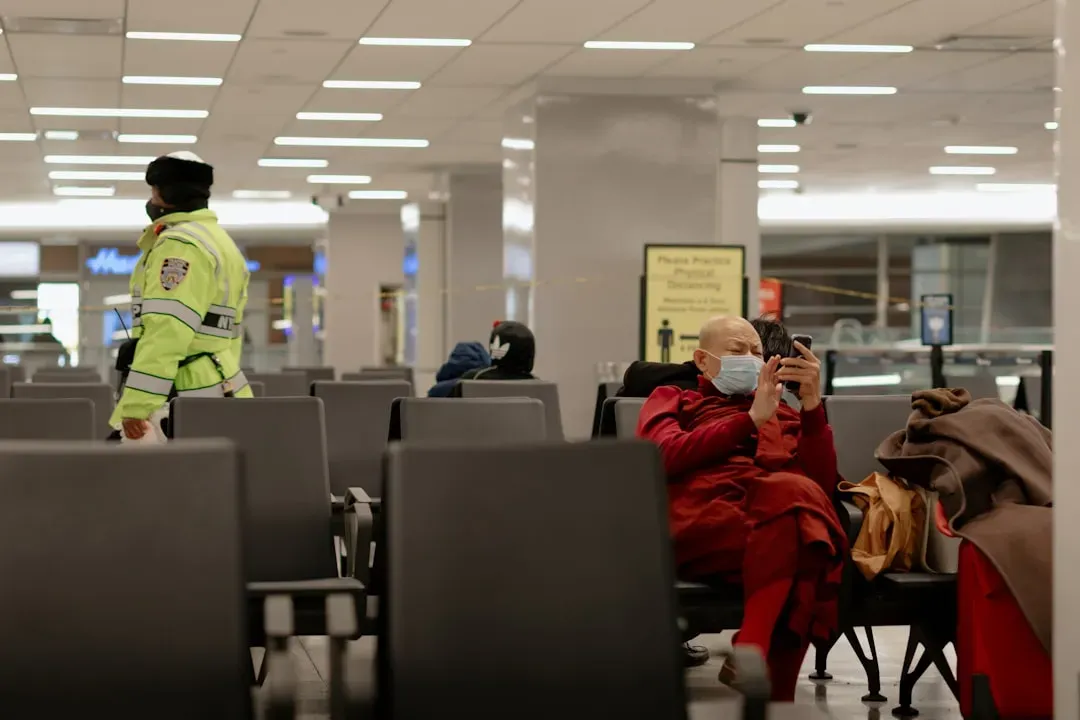
Traveling with children can be stressful enough without worrying about their identification. Here’s a relief: TSA does not require children under 18 to provide identification when traveling within the United States.
That’s right. If you’re flying domestically with your kids, they don’t need a REAL ID, passport, or any form of government-issued ID at all. TSA does not require children under 18 to provide identification when traveling within the United States. Contact the airline for questions regarding specific ID requirements for travelers under 18. It’s worth double-checking with your airline just to be safe, but generally speaking, the adult traveling companion’s ID is enough to cover the whole family.
This rule makes life easier for parents and guardians, especially when juggling carry-ons, strollers, and the usual chaos of airport security. One less thing to stress about.
How Long It Really Takes to Get a U.S. Passport
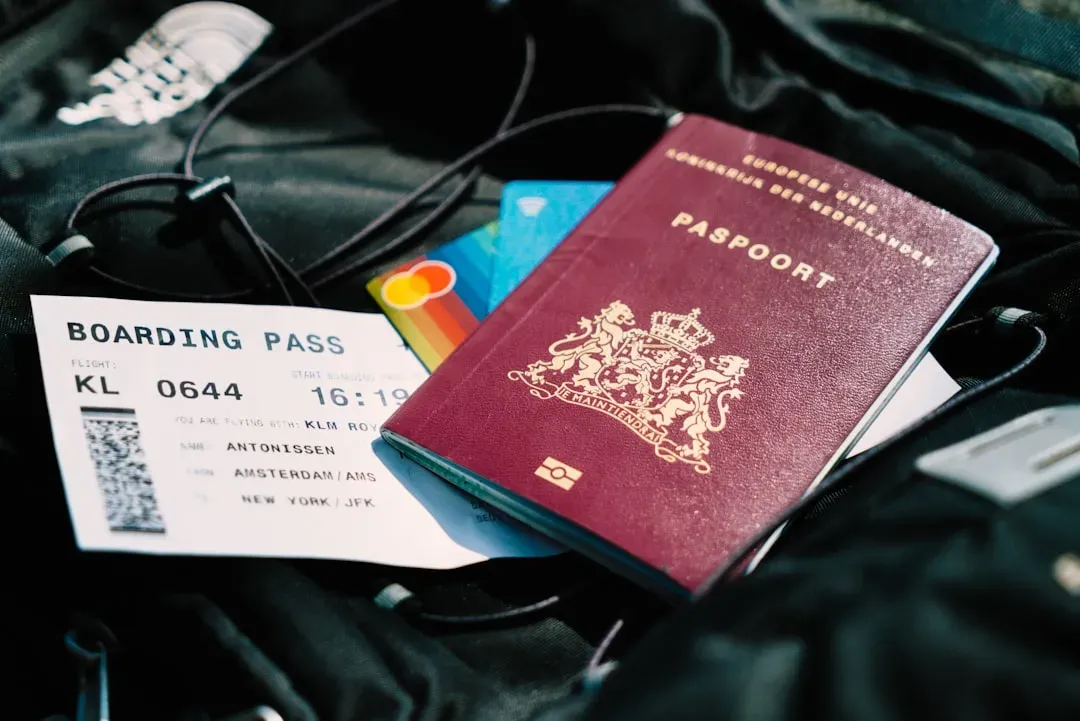
Planning an international trip? You’ll want to factor in some serious time to get your passport sorted out. Routine: 4-6 weeks* Expedited: 2-3 weeks and an extra $60* Those are the official processing times from the State Department, but there’s a catch.
It may take up to 2 weeks for applications to arrive at a passport agency or center. It may take up to 2 weeks for you to receive a completed passport after we print it. When you add up application mailing time, processing, and return mailing, you’re looking at closer to two to three months for routine service. If you have a trip planned, do not wait until the last minute.
Expedited service costs an additional sixty dollars, but it’s worth it if you’re working with a tighter timeline. Expedited service takes 2-3 weeks and does not include mailing times. Mailing times may add 2 weeks on to the total time to get your passport. Even with expedited processing, plan for roughly a month from start to finish.
Passport Processing Is Better Than It Was

If you’ve been hearing horror stories about passport delays, there’s some cautiously good news. Processing times have improved compared to the chaos of 2023, when backlogs left travelers stranded for months. The Government Accountability Office reported in March 2025 that wait times were decreasing after the major backlog crisis a couple years earlier.
Still, better doesn’t mean instant. The State Department publicly lists those four-to-six-week routine processing times for a reason. Routine processing of U.S. passports takes four to six weeks and expedited processing takes two to three weeks, not including mailing times. This is the baseline you should plan around when booking international travel.
If you’re in a true emergency – say, you have to travel internationally in the next two weeks – there are urgent travel services available. Make an appointment at a passport agency or center when you are within 14 calendar days of your international travel date, or 28 days if you need a foreign visa. These appointments are limited and competitive, so call early.
COVID-19 Vaccination Proof Is No Longer Required

Remember when you had to carry vaccine cards and upload proof of vaccination to fly internationally? That’s gone. This means that as of 12:01 a.m. eastern daylight time on May 12, 2023, noncitizen, nonimmigrant air passengers no longer need to show proof of being fully vaccinated with an accepted COVID-19 vaccine to board a flight to the United States.
The Administration will end the COVID-19 vaccine requirements for international air travelers at the end of the day on May 11, the same day that the COVID-19 public health emergency ends. This change happened back in spring 2023, and it applies to anyone flying into the U.S. from abroad. You also don’t need to show a negative COVID test anymore.
The elimination of these requirements makes it easier for international visitors and returning Americans alike. No more scrambling to find a testing site overseas or worrying about vaccine documentation timing. It’s one less layer of red tape to navigate.
Understanding the Visa Waiver Program and ESTA
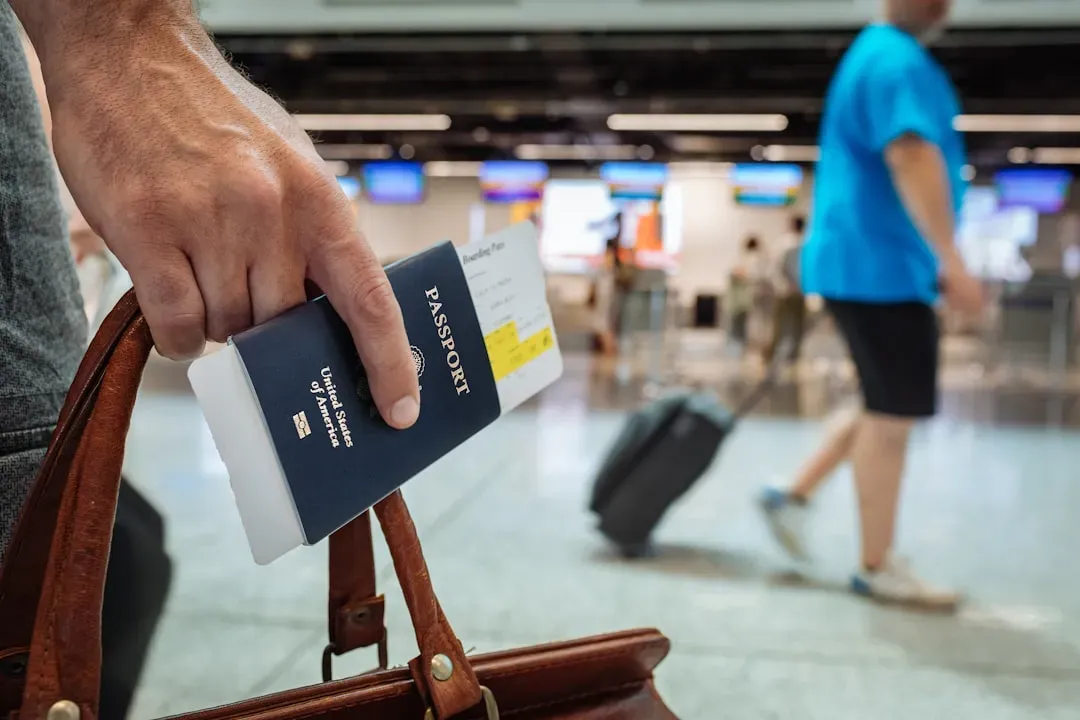
If you’re a citizen of one of the 41 countries participating in the Visa Waiver Program, you can visit the United States for up to 90 days without getting a traditional visa. Each entry under the Visa Waiver Program is only valid for a combined maximum stay of 90 days in the United States and its surrounding countries. It’s designed for tourism or short business trips, not long-term stays or work.
There’s a key requirement, though: you need to get ESTA authorization before you board your flight. The Electronic System for Travel Authorization (ESTA) is a pre-screening tool that most visa waiver program (VWP) travelers must obtain before boarding a flight or ship bound for the United States. Think of it as an online travel clearance that lets the Department of Homeland Security vet travelers before they even leave home.
The U.S. Customs and Border Protection (CBP) recommends that travelers apply for ESTA as soon as they begin planning their trip and no later than 72 hours before departure. It’s a quick online process, and most applications get approved within minutes. Once approved, your ESTA stays valid for two years or until your passport expires, whichever comes first.
ESTA Fees Have Gone Up – Significantly
Here’s where things get expensive. The cost of ESTA authorization used to be pretty reasonable, but that changed last year. The CBP has confirmed that the ESTA fee increased from $21 to $40 for any application filed on or after 30.Sep.2025. This higher fee applies to each new application as well as renewal applications submitted through the ESTA system.
The ESTA fee will rise from $21 (€18) to $40 (€34) on 30 September 2025. The ESTA is required for travellers entering the US through the Visa Waiver Program (VWP) and remains valid for two years. That’s nearly double the previous cost, and it’s not a trivial bump when you’re budgeting for a family trip or multiple travelers.
Why the increase? The fee hike came as part of broader budget and immigration legislation passed earlier in 2025. It’s now one of several travel fees that have gone up across the board, including land border entry costs.
How to Access Your I-94 Arrival and Departure Record
If you’re entering the United States as a nonimmigrant visitor, you’ll get something called an I-94 record. It tracks when you arrived and when you’re supposed to leave. Most people never think about this document until they need it for a job application, driver’s license, or immigration paperwork later.
The good news is that I-94 records are now mostly electronic. CBP provides an official online portal where you can view your arrival and departure history anytime. Just search for the CBP I-94 website, enter your passport and travel information, and you can download a copy of your record on the spot.
Keep an eye on your departure date listed on your I-94. Overstaying your authorized period, even by accident, can cause serious problems down the line. If you need to extend your stay or adjust your status, you’ll need to file the appropriate paperwork with U.S. Citizenship and Immigration Services well before that date passes. Don’t assume you’ll get a grace period.
The 3-1-1 Liquids Rule Hasn’t Changed
Even with all the new requirements and changing rules, one frustrating regulation remains exactly the same. TSA currently accepts expired ID up to two years after expiration, for the above listed forms of identification. Wait, wrong rule. Let me be clear: TSA’s liquids rule is still firmly in place.
You’re still limited to a quart-sized bag of liquids, gels, creams, and pastes in your carry-on luggage, with each container holding no more than 3.4 ounces (100 milliliters). This hasn’t budged since 2006, and it’s still one of the most common reasons travelers get held up at security. People forget about that half-full water bottle, the oversized sunscreen, or the fancy shampoo they picked up at the hotel.
The rule applies to everything from toothpaste to contact lens solution. If you want to bring larger amounts, pack them in your checked luggage. Otherwise, be prepared to toss that expensive moisturizer in the bin at the checkpoint. TSA agents see it every single day, and they’re not making exceptions.
Putting It All Together for Your Next Trip
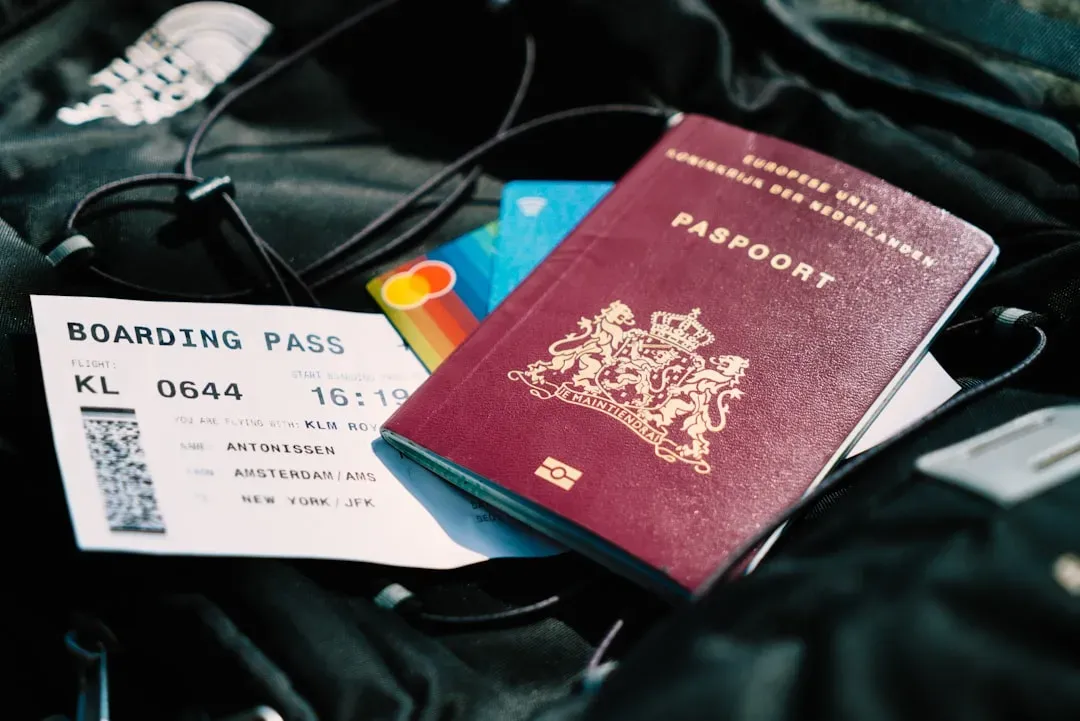
Navigating U.S. travel requirements in 2026 doesn’t have to be overwhelming. Start by checking your ID right now. Does it have that star marking? If not, either get your REAL ID sorted or make sure you have a valid passport or other acceptable alternative. Don’t wait until the week before your flight to realize your old license won’t work anymore.
If you’re traveling internationally, apply for your passport as soon as you book your trip. Factor in at least two to three months for routine processing, or pay the extra sixty dollars for expedited service if you’re cutting it close. International visitors using the Visa Waiver Program should apply for ESTA at least 72 hours before departure, and budget for that forty-dollar fee.
The rules have changed, and they’re not going back to the way they were. Take a few minutes now to get your documents in order, and you’ll breeze through the airport while everyone else is scrambling at the TSA checkpoint. What’s your biggest travel planning challenge right now? Tell us in the comments.