
You’ve probably used one of these phrases today without even realizing it. They roll off our tongues so naturally we barely stop to think about them. Yet each one carries a strange little piece of history tucked inside, a story that sounds almost too unusual to be true.
Think about where language comes from. It’s not just born from dictionaries and grammar books. It emerges from battlefields, from peculiar jobs that no longer exist, from voting rituals in ancient civilizations, and from places we’d never expect.
These eight sayings have traveled through centuries, changing shape slightly along the way, shedding their literal meanings but keeping their punch. Some come from painful realities. Others from practical necessities. Let’s get into them.
1. Bite the Bullet
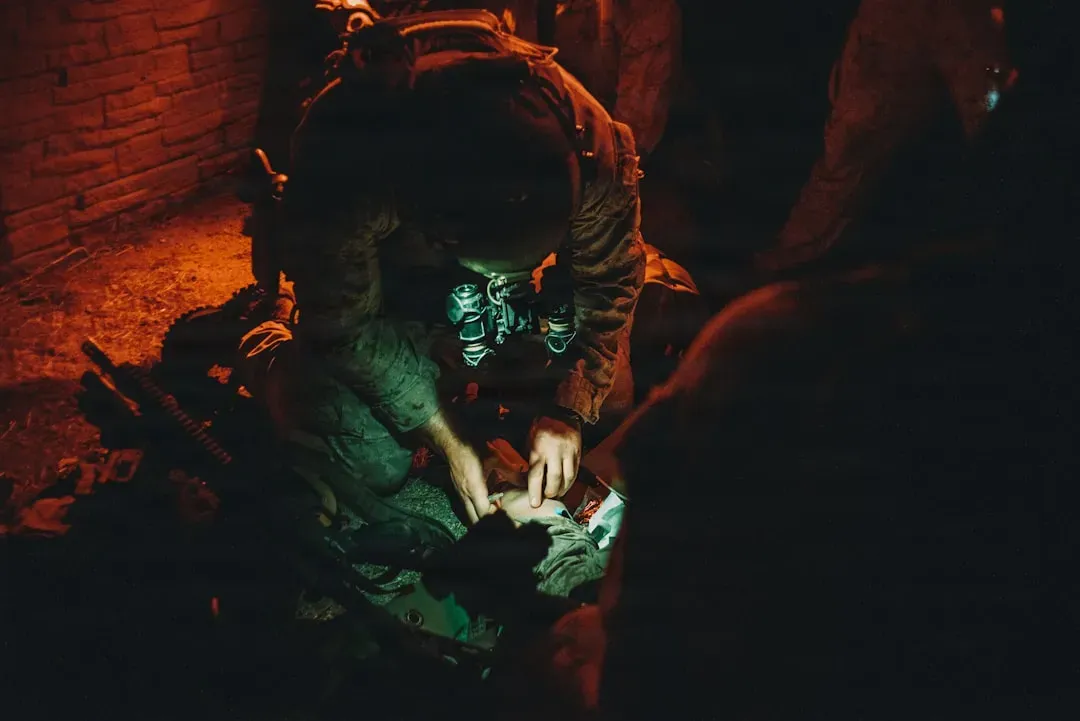
No evidence supports the oft-repeated tale that the phrase originated in the former practice of giving a wounded soldier a bullet to bite on when undergoing surgery without anaesthetic. That’s the popular story, sure. You hear it all the time. Yet the actual origin is grittier and more specific.
In some regiments, among the grenadiers, soldiers would chew a bullet to avoid crying out whilst under the discipline of the cat of nine tails. It wasn’t about surgery at all. It was about flogging. Francis Grose documented this practice in the late 1700s, showing soldiers biting bullets during corporal punishment rather than battlefield operations.
The first recorded figurative use appeared in 1891 in The Light That Failed by Rudyard Kipling. Kipling’s character says the line that would cement the phrase in everyday speech, moving it away from military brutality and into conversations about facing difficult situations. What strikes me is how we sanitized the phrase over time, turning a reference to physical punishment into something almost motivational.
2. Break the Ice

The metaphor made its first appearance in Shakespeare’s The Taming of the Shrew. That’s the mid-1590s, when the Bard had Tranio talk about approaching the icy Katherine. Originally, the term was used to describe ships taking their first voyage. Think about that image for a moment.
Before Shakespeare made it social, the phrase had a literal maritime meaning. We can imagine images like a fisherman having to break the ice in a river to gain access to the fish, or an icebreaker vessel cutting through the ice. The Elizabethans would have seen frozen rivers every winter, watched vessels literally breaking ice to move forward.
Shakespeare took that physical act and made it psychological. Tranio is implying that Kate is as cold as ice. The phrase stuck because everyone understood coldness as a metaphor for social distance. It’s fascinating how a physical necessity became a social strategy.
3. Spill the Beans

This one sounds charming until you dig deeper. Some sources attribute the phrase to a voting system used in ancient Greece, where council members would vote with either a white bean for yes or a brown bean for no, secretly put into a jar. Accidentally knocking over that jar would reveal the secret votes prematurely. Democracy through legumes.
Here’s where it gets interesting, though. If the first written occurrences of this idiom come from the 20th century, we can’t assume it survived thousands of years without leaving a trace. The Greek voting story might be folk etymology, a charming tale we tell ourselves because it sounds plausible.
The phrase appeared in print in the early 20th century, in the context of political figures upsetting stable situations, and by 1919 it had taken on the colloquial secret-revealing meaning it maintains today. Maybe beans were just common household items that made for good idioms, like cats in bags. Still, I want to believe the Greek story. It has poetry to it.
4. Mad as a Hatter
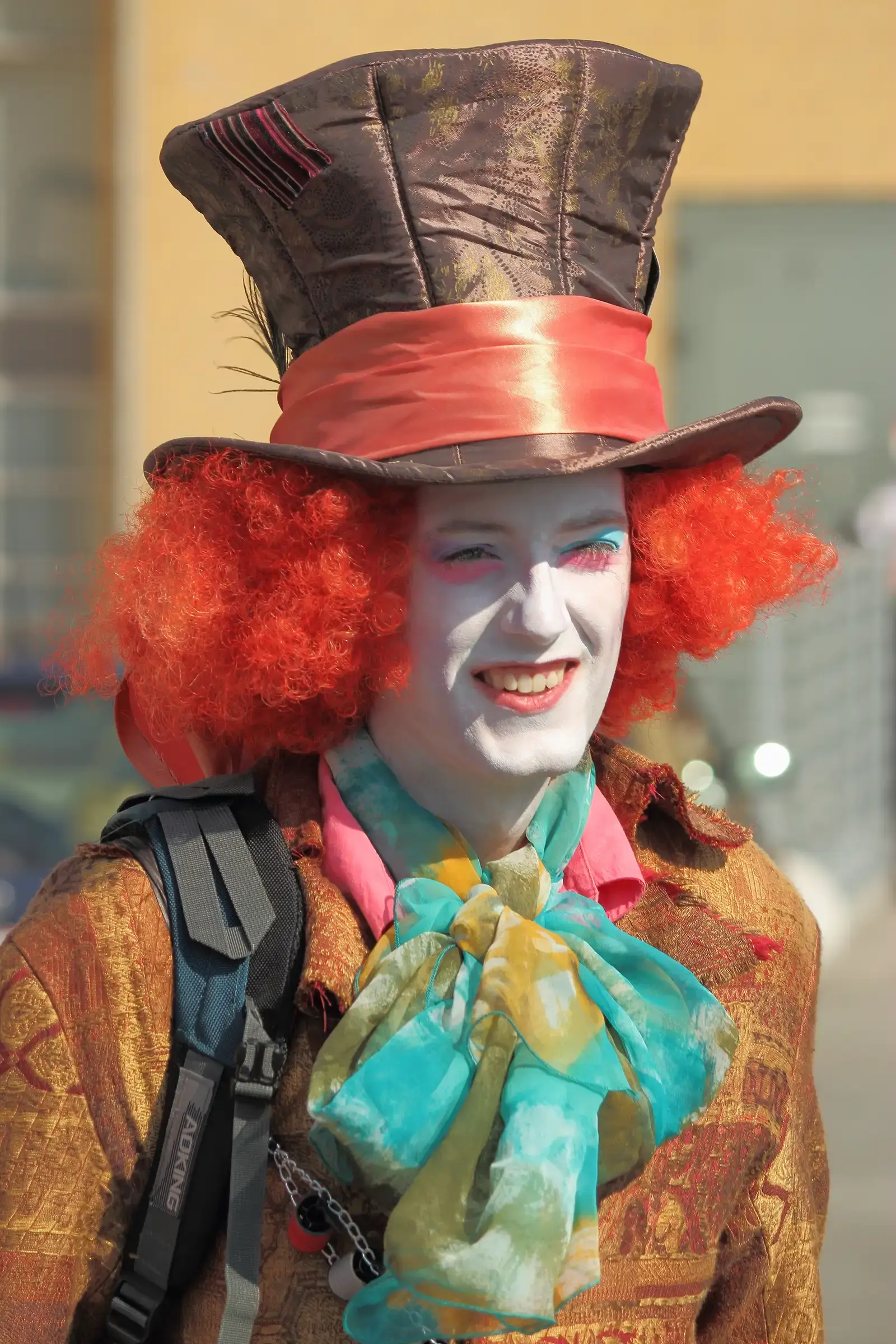
Hatters commonly exhibited slurred speech, tremors, irritability, shyness, depression, and other neurological symptoms, hence the expression. This wasn’t just colorful language. It was observation of actual occupational disease. Mercury use in hatmaking was adopted by Huguenots in 17th-century France, and the process was initially kept a trade secret.
The chemistry is straightforward but horrifying. Hatters toiled in poorly ventilated rooms, using hot solutions of mercuric nitrate to shape wool felt hats. The mercury vapors would accumulate in their bodies over years of work. Erethism, also known as mad hatter disease, affects the whole central nervous system and is characterized by behavioral changes such as irritability, low self-confidence, depression, and apathy.
In the United States, mercury was used in hat making until 1941. Think about that timeline. When your grandparents were young, workers were still being poisoned by their trade. Lewis Carroll’s Mad Hatter from Alice in Wonderland wasn’t just whimsy. It was social commentary wrapped in fantasy.
5. The Whole Nine Yards

This phrase drives etymologists absolutely mad. One explanation is that World War II aircraft machine gun belts were nine yards long, with many versions of this explanation regarding type of plane and nationality of gunner. People swear by this origin story. They’ll argue about it at dinner parties.
The problem? The earliest known idiomatic use of the phrase is from 1907 in Southern Indiana, and it’s related to the expression the whole six yards, used around the same time in Kentucky and South Carolina. So it predates World War II entirely. Its first usage was the punch line of an 1855 Indiana comedic short story.
Jesse Sheidlower and Fred R. Shapiro have argued that the phrase does not have a concrete meaning, pointing to the variance between six and nine yards. The number probably doesn’t refer to anything specific at all. It’s just phrase inflation, like how Cloud Seven became Cloud Nine. Still, the ammunition belt story persists because we want our idioms to have dramatic origins.
6. Saved by the Bell
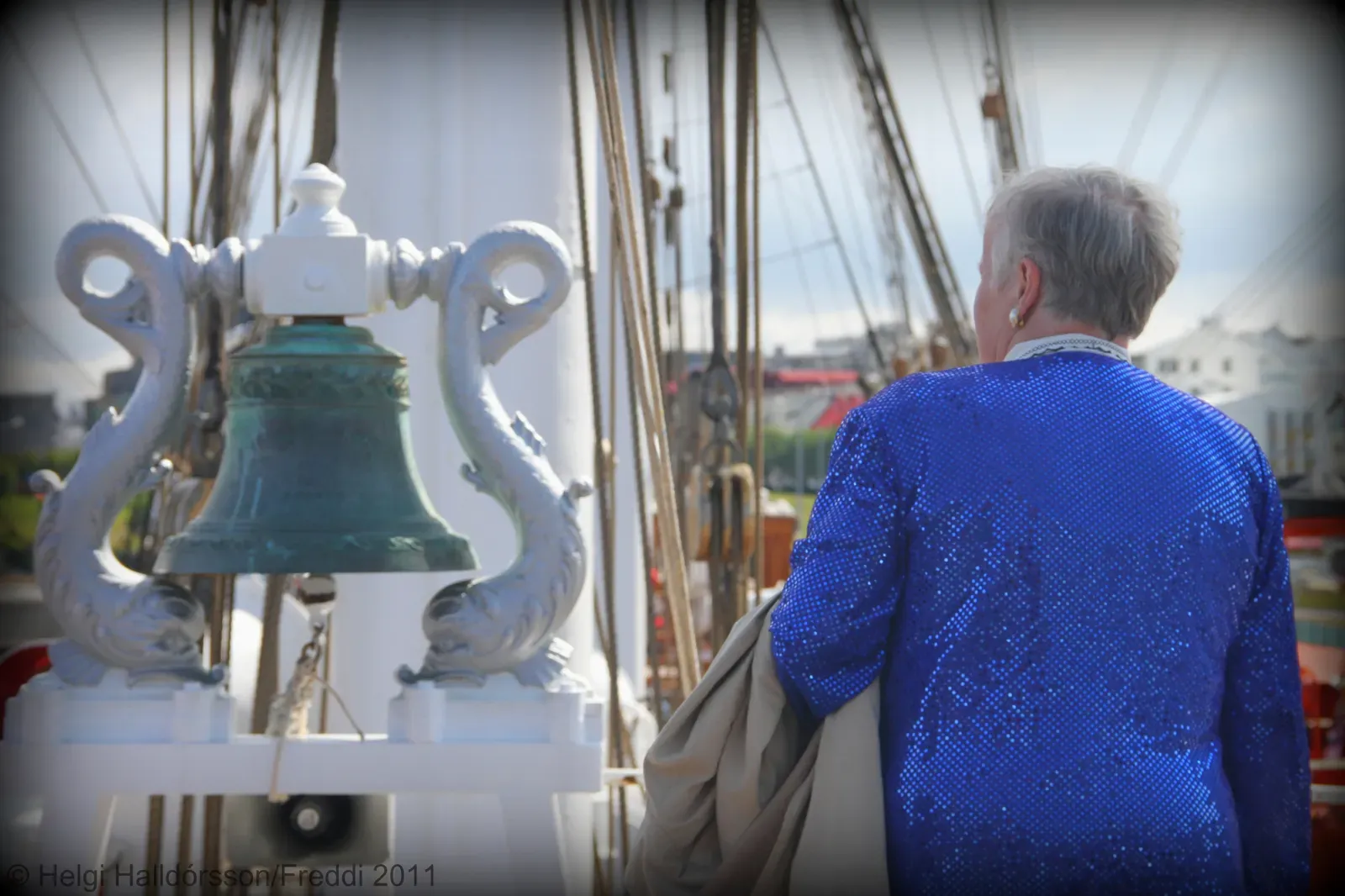
You’ve heard the coffin story, right? About Victorian-era safety bells installed in graves in case someone was buried alive? Linguistic evidence shows it comes from 19th-century boxing, where a boxer was saved from defeat by the end-of-round bell. The coffin tale is pure fiction, one of those persistent myths that sounds too good to check.
Boxing makes perfect sense when you think about it. A fighter getting pummeled, about to go down for the count, hears that bell and gets a reprieve. The round ends. He staggers back to his corner for water and advice. He’s been saved, literally, by the bell.
The phrase entered everyday speech from there, moving from the ring to any situation where timely intervention prevents disaster. It’s one of those rare idioms where the origin is straightforward and verifiable, yet people still prefer the Gothic horror version with buried-alive victims. We’re drawn to darkness, I suppose.
7. Raining Cats and Dogs

The myth is irresistible. Animals living on thatched roofs, falling down during heavy storms. It’s visual, memorable, and completely unsupported by evidence. The phrase appears in 17th-century English writing, including Jonathan Swift’s 1710 poem, and its exact origin is unclear. No animals fell from roofs.
Jonathan Swift used it in a satirical description of London during a rainstorm, suggesting the phrase was already in circulation. What’s remarkable is how we’ve searched for logical explanations where none exist. Maybe it’s just because heavy rain is chaotic and violent, and the image of cats and dogs tumbling from the sky captures that chaos perfectly.
No evidence supports the myth that animals fell from roofs during storms. Sometimes phrases emerge simply because they sound right, because the syllables fit together in a way that sticks in memory. The lack of a definitive origin doesn’t make the saying any less effective. If anything, the mystery adds to its appeal.
8. Turn a Blind Eye
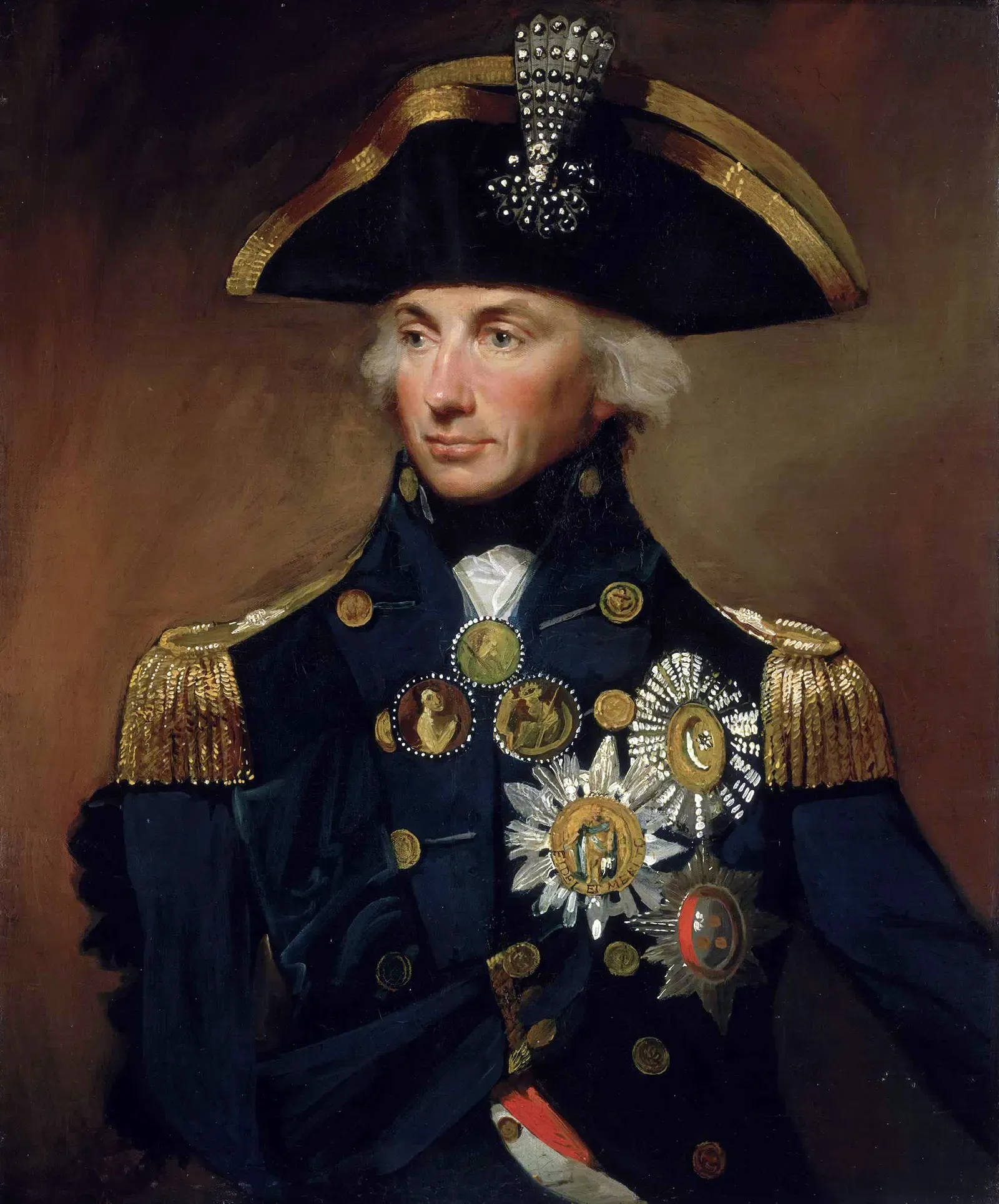
The expression is connected to British Admiral Horatio Nelson in 1801, who allegedly ignored a retreat signal by putting a telescope to his blind eye during the Battle of Copenhagen. This one has documentary evidence. Naval records confirm the story. Nelson had lost sight in one eye during an earlier battle, and when his superior signaled retreat, Nelson supposedly raised his telescope to that blind eye and claimed he saw no such signal.
The gesture was both defiant and clever. By pretending not to see the order, Nelson could continue the attack without technically disobeying. His gambit worked. The British won the battle. And the phrase entered the language as shorthand for deliberate ignorance.
What I find compelling is how specific this origin is compared to others. We can point to a moment, a person, a decision documented in historical records. Most idioms emerge from the fog of common usage, but this one has a birthplace. It reminds us that sometimes history and language intersect in ways we can actually trace.
Conclusion

Language is a living thing. These phrases traveled through time, shedding context, gaining new meanings, adapting to whoever spoke them. Some origins are documented and clear. Others dissolve into speculation and folk tales. What matters is that they endure.
We use them without thinking, these little fossils of experience embedded in our speech. They carry histories of work, war, sport, and social ritual. Next time one slips out, maybe pause for just a second. Consider where it came from. Consider all the mouths it passed through to reach yours.
Did any of these origins surprise you?