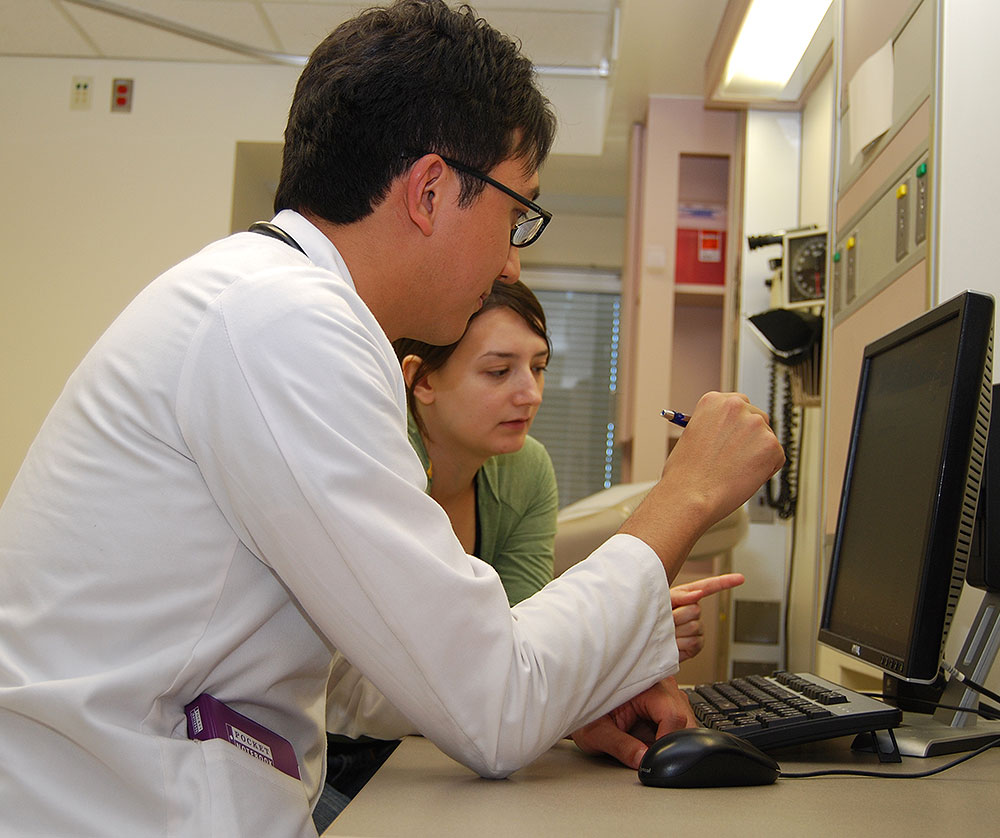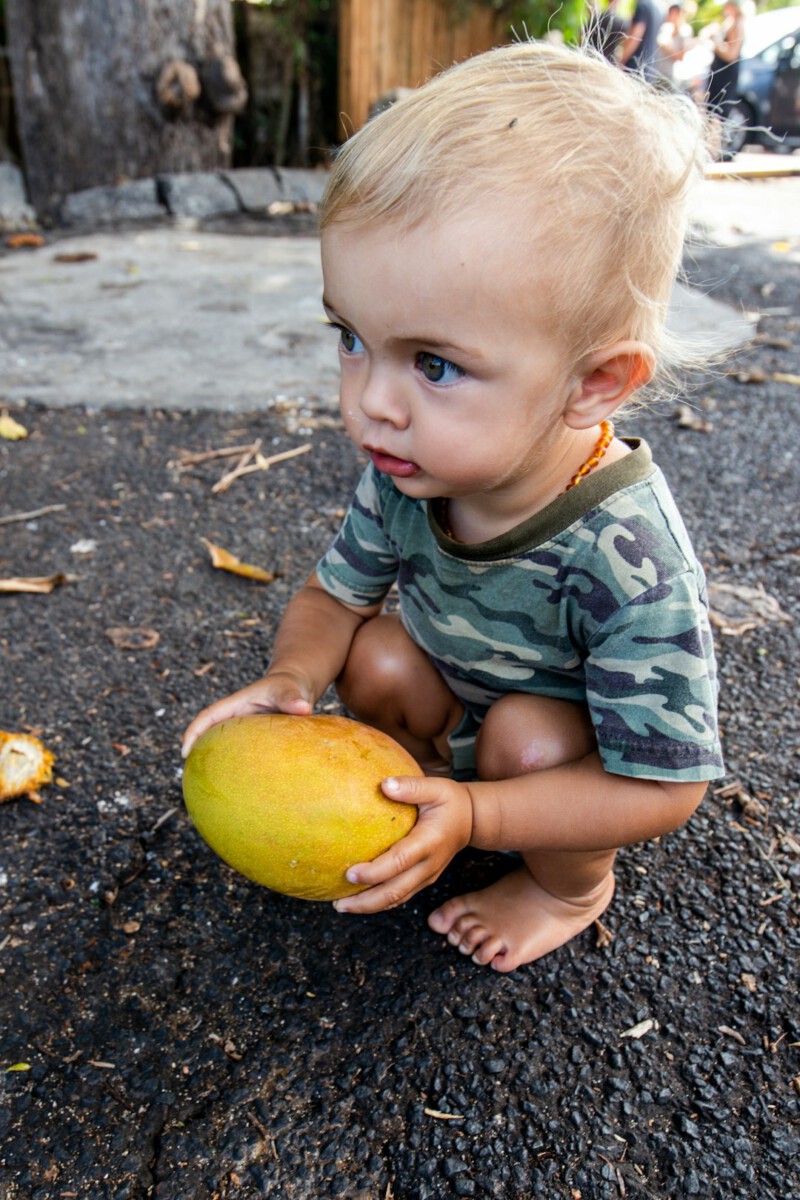
Vegan Babies Show Early Gains Despite Modest Start (Image Credits: Unsplash)
Israel – Health records from over 1.2 million infants revealed that children raised in vegan and vegetarian households achieved growth patterns comparable to those in omnivorous families by their second birthday.[1]
Vegan Babies Show Early Gains Despite Modest Start
Infants from vegan families weighed slightly less at birth, averaging 3.2 kilograms compared to 3.3 kilograms for omnivores.[1] Researchers noted a higher likelihood of underweight classification in the first months, with adjusted odds reaching 1.37 for vegans versus omnivores.[1] These differences proved small and temporary, however.
Stunting rates hovered around 7 percent across groups in early infancy, showing no major disparities. By 24 months, such concerns largely vanished. Growth trajectories for length, weight, and head circumference converged, with z-score differences falling below 0.2 – clinically insignificant levels. The study highlighted how initial gaps closed as children progressed.
Massive Dataset Draws from Real-World Records
Scientists drew from Israel’s national health databases, covering 2014 to 2023 and about 70 percent of the country’s children.[1] The cohort included 1,198,818 singleton infants born at or after 32 weeks gestation. Omnivorous households dominated at 98.5 percent, followed by 1.2 percent vegetarian and 0.3 percent vegan families.
Family diets came from reports submitted at least six months postpartum. Analysts used linear mixed-effects models and logistic regressions, adjusting for factors like maternal age, birth weight, breastfeeding duration, and socioeconomic status. Sensitivity checks in subgroups with ample measurements confirmed the robustness of results. This scale allowed detection of rare outcomes that smaller studies often missed.
Key Growth Metrics at a Glance
Prevalences of growth issues remained low overall. The table below summarizes rates at early infancy and 24 months:
| Metric | Omnivorous | Vegetarian | Vegan |
|---|---|---|---|
| Stunting (Early Infancy) | 7.1% | 7.0% | 7.0% |
| Stunting (24 Months) | 3.1% | 3.4% | 3.9% |
| Underweight (Early, Adjusted OR vs Omnivorous) | Reference | 1.21 | 1.37 |
Overweight rates stayed around 2 percent early on and did not differ significantly by diet. Monthly trajectories illustrated near-identical progressions after adjustments.[1]
Researchers Stress Planning and Further Scrutiny
Kerem Avital, lead author from Ben-Gurion University of the Negev, addressed lingering doubts in pediatric nutrition. “Despite the global shift toward plant-based living, considerable confusion persists in paediatric nutrition,” she stated.[2] Avital emphasized that modern vegan families often prioritize health, unlike older studies.
“Our findings reveal that infants from vegan and vegetarian households follow growth trajectories remarkably similar to omnivorous peers, with clinically minor differences,” Avital added.[2] She advocated for deeper dives into diet quality and biomarkers. “In the context of developed countries, these findings are highly reassuring,” Avital concluded in a related report.[3]
Key Takeaways
- Minor early differences in vegan infants resolve by 24 months, matching omnivore growth.
- Large-scale Israeli data (1.2M infants) provides strongest evidence yet on plant-based diets.
- Well-planned nutrition and counseling remain essential for optimal outcomes.
Parents embracing plant-based diets gained strong evidence that such choices need not compromise early development when managed thoughtfully. Access the full study in JAMA Network Open for complete details. What do you think about plant-based diets for young children? Share your views in the comments.