Strangers Unite on the Slopes Without a Drink in Sight (Image Credits: Unsplash)
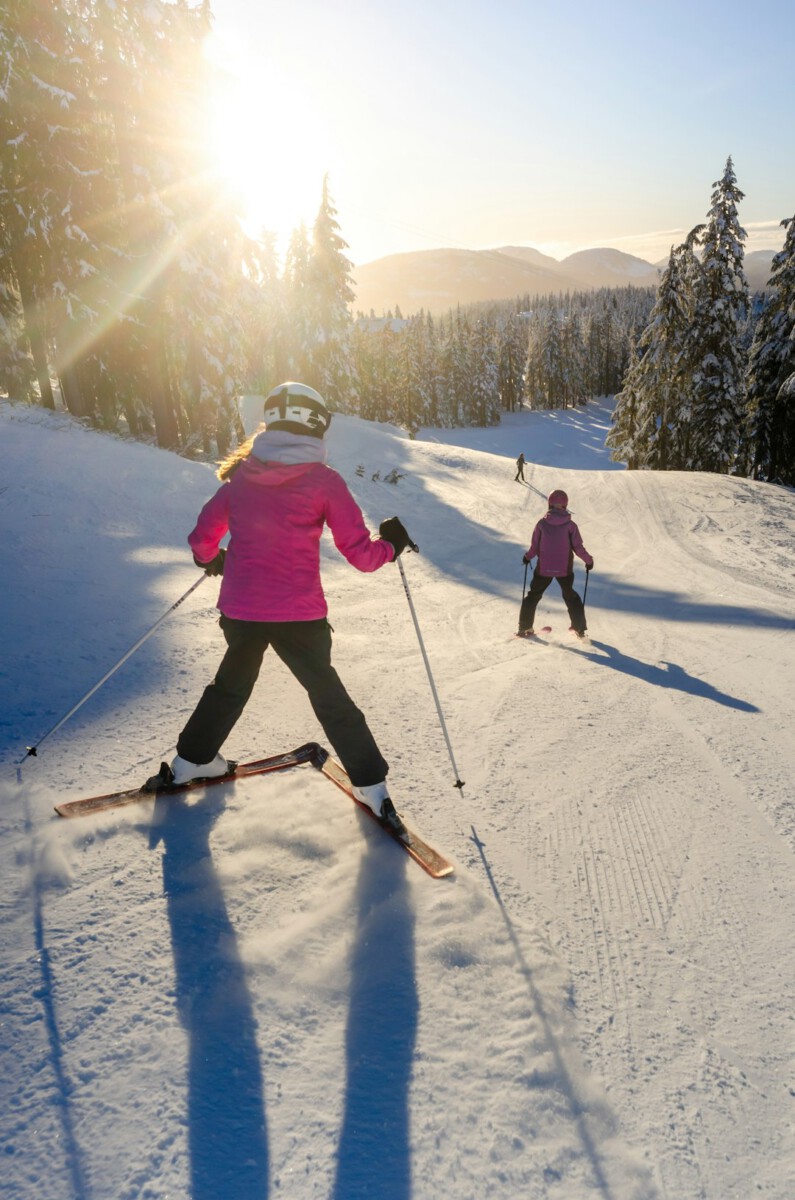
In the vast Three Valleys ski area, alcohol-free retreats like Soberski offered participants a fresh approach to winter getaways, emphasizing physical challenges and genuine connections over traditional après-ski revelry.
Strangers Unite on the Slopes Without a Drink in Sight
Nine individuals arrived as newcomers to Méribel in late January, yet by week’s end they departed as a bonded group, energized by shared exertion and candid exchanges. This inaugural Soberski retreat spanned seven nights in the renowned Three Valleys region, which boasts over 600 kilometers of pistes across Méribel, Courchevel, and Val Thorens.
Organized by Soberski founder Ben Coombes, the program matched skiers by ability for daytime runs, followed by communal meals prepared by a private chef and extended evening discussions around the chalet fireplace. More than 20 guided wellness sessions filled the schedule, fostering an atmosphere described as ambitious, curious, and quietly electric.
Daily Rhythm Fuels Recovery and Performance
Participants embraced a structured routine that integrated adventure with introspection. Mornings began with yoga and breathwork, while afternoons brought mobility exercises and mindset workshops tailored to enhance physical recovery.
Cold water immersion sessions tested resolve before dinners, where conversations delved into careers, personal hurdles, and aspirations. Coombes noted the rapid team spirit: people pushed each other on steeper terrain and shared late-night stories, proving that physical demands paired with honest dialogue create lasting bonds.
- Skiing in ability-matched groups
- Daily yoga and breathwork
- Cold water immersion
- Mobility and strength work
- Mindset workshops for reflection
- Chef-prepared meals and fireside talks
Experts Highlight Mental and Social Gains
Dr. Blen Tesfu, a general practitioner at Welzo, praised the retreats for their emphasis on predictable routines and positive interactions. She explained that such environments allow participants to connect meaningfully, free from alcohol’s influence, leading to focused relationships built on shared interests.
Krista Walker, clinical director at The Ohana Luxury Addiction Treatment Center, pointed to broader appeal. These programs offer joy and social ties without relapse risks for those in recovery, while demonstrating to others that well-being can anchor fun. Walker observed that removing alcohol often boosts confidence and sharpens thinking in social settings.
Attendees echoed these views, reporting better sleep, renewed self-assurance, and clearer minds. Several booked future spots and spread word in their networks.
Growing Demand Signals Cultural Shift
The success of Soberski’s debut prompted a second retreat, set for March 21 to 28 in Méribel. This momentum reflects evolving leisure preferences, where health-conscious travelers seek structured activities over nightlife.
Coombes envisioned more than a typical ski trip: a mountain experience centered on adventure, performance, reflection, and community. He reflected on the launch as intensely rewarding, validating the concept’s potential.
Key Takeaways
- Alcohol-free retreats prioritize routines, activity, and reflection for mental clarity and bonds.
- Soberski’s model in the French Alps blends elite skiing with 20+ wellness sessions.
- Experts see prevention benefits, appealing to recovery seekers and wellness enthusiasts alike.
Alcohol-free ski retreats illustrate how leisure can actively support recovery and vitality, challenging old norms in popular destinations. As demand rises, they invite a rethink of winter escapes focused on lasting gains. What experiences have shaped your approach to wellness travel? Share in the comments.