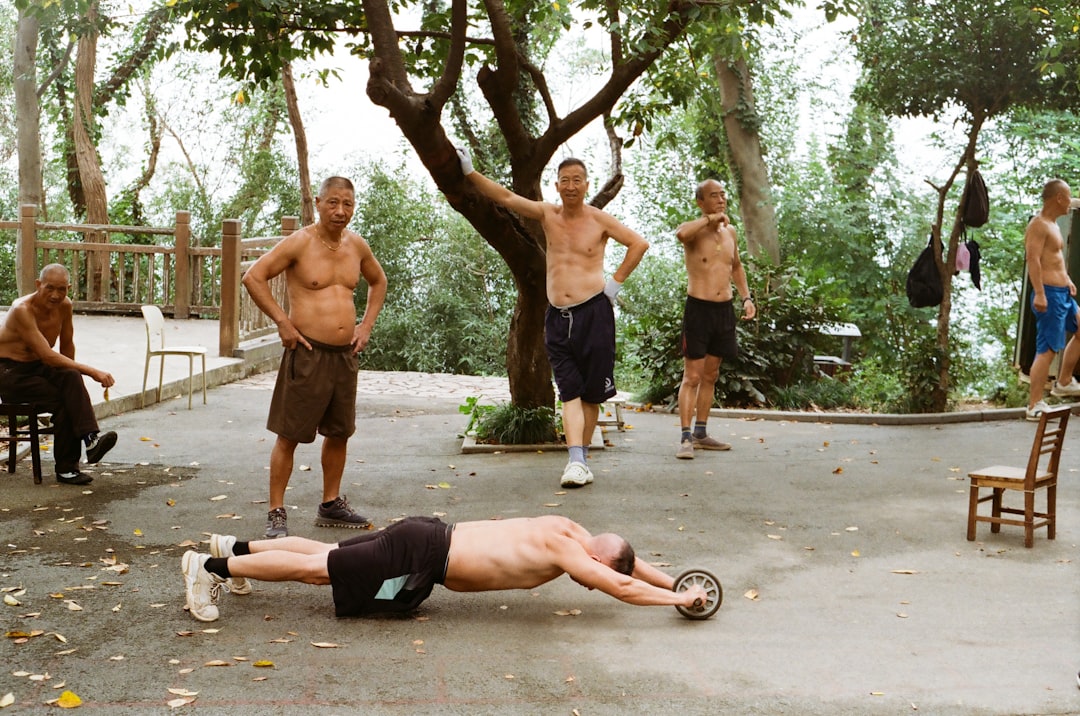
Muscle Loss Accelerates, Demanding a Training Overhaul (Image Credits: Unsplash)
Midlife professionals often turn to running and cycling for quick fitness wins, but these cardio staples alone fail to counter the body’s evolving demands.
Muscle Loss Accelerates, Demanding a Training Overhaul
Professionals who logged miles effortlessly in their thirties confront a stark reality after 40: their bodies prioritize survival over speed.[1]
Muscle mass declines naturally, metabolic rates slow, and bone density dips, while stress hormones from intense sessions linger far longer. Recovery stretches out, turning routine workouts into sources of fatigue rather than fuel. Cardio excels at conditioning the heart and lungs, yet it overlooks the structural reinforcements essential for enduring high-stakes days. Leaders notice stubborn weight gain, persistent aches, and waning stamina despite consistent effort.[1]
This mismatch leaves executives feeling depleted amid mounting responsibilities.
The Trap of Doubling Down on Cardio
Busy founders frequently respond to these signs by ramping up their runs or rides, chasing the familiarity of past successes. Longer sessions and higher intensities promise results, but they deliver diminishing returns. Elevated cortisol disrupts sleep, heightens burnout risk, and amplifies exhaustion without rebuilding what time erodes.[1]
Excessive endurance work compounds the very issues it aims to fix, creating a cycle of soreness and reduced capacity. Instead of resilience, it fosters fragility under pressure.
Strength Training Emerges as the Sustainable Foundation
Resistance work shifts the focus from calorie burn to capability preservation, directly tackling midlife vulnerabilities. It safeguards muscle to steady metabolism, bolsters joints against wear, and enhances insulin sensitivity for steady energy.[1]
For leaders, this builds infrastructure-like durability: better stress handling, faster recovery between demands, and sustained mental sharpness. Strength becomes a quiet multiplier, allowing wisdom and experience to shine without physical drag.
Five Ways Strength Elevates Professional Longevity
- Muscle stabilizes blood sugar and focus, curbing mid-afternoon crashes during critical meetings.[1]
- Enhanced tolerance absorbs the toll of prolonged decision-making without breakdown.
- Joint and bone support minimizes downtime from injuries, keeping schedules intact.
- Smarter programming outpaces cardio in promoting true recovery.
- Physical prowess bolsters posture, confidence, and commanding presence in the boardroom.
These advantages compound over years, turning fitness into a leadership lever.[1]
Balancing Cardio in a Strength-First Routine
Heart-pumping activities retain value for cardiovascular health and mental reset, yet they thrive as complements, not the core. Prioritize durability over intensity to align training with leadership’s marathon nature.
Executives who adopt this balance report calmer responses to chaos and sharper focus amid chaos.[1]
Key Takeaways
- Cardio fueled early hustle; strength powers enduring success.
- Train for capacity, not just output.
- Post-40 fitness safeguards your most valuable asset: leadership potential.
Strength training after 40 equips leaders to thrive for decades, transforming physical upkeep into a strategic edge. What fitness shift are you considering? Tell us in the comments.