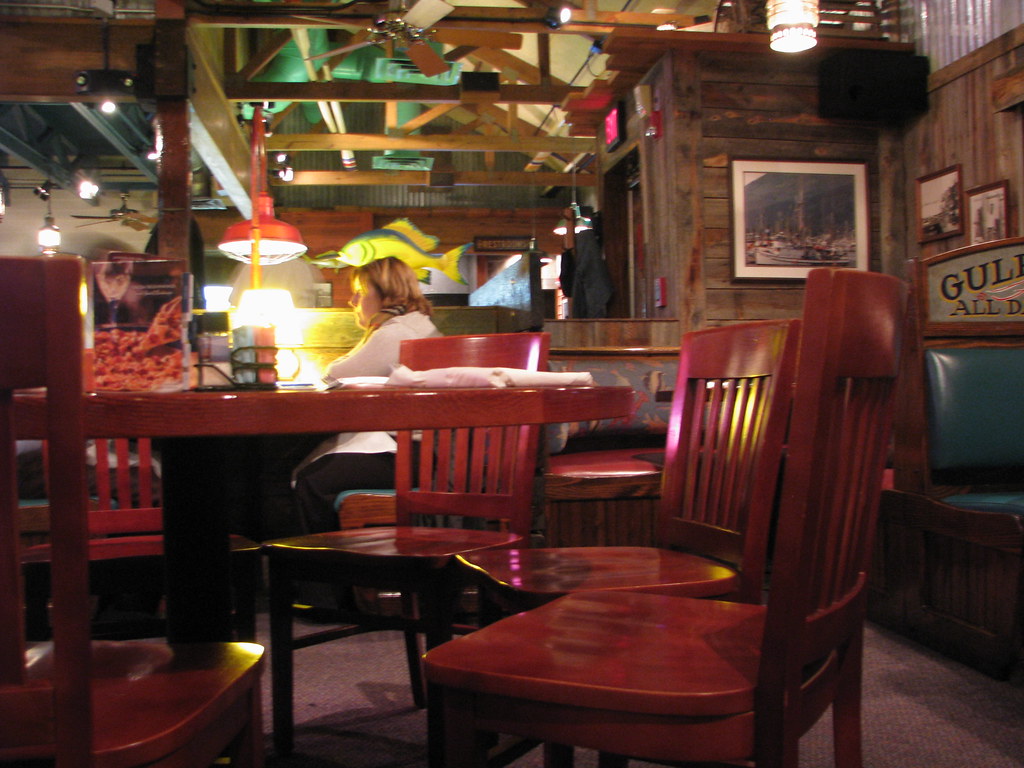
A Young Gun Leads the Charge (Image Credits: Flickr)
Red Lobster has achieved a 10 percent sales increase over the previous year under the guidance of its new chief executive, even as the seafood restaurant chain continues to navigate the aftermath of its 2024 bankruptcy.
A Young Gun Leads the Charge
Damola Adamolekun, the 36-year-old CEO, stepped into the role shortly after the company’s financial restructuring. His arrival marked a pivotal shift for the brand, which had closed 130 locations during the bankruptcy proceedings.[1][2]
Adamolekun brought experience from previous executive positions, including at P.F. Chang’s. The chain reported an 18 percent traffic surge in July, fueled by viral social media buzz around its Seafood Boils. Customer sentiment has risen sharply, drawing in a younger demographic. Recent layoffs affected dozens of managers and 10 percent of corporate staff. Negotiations with vendors addressed rising seafood costs due to tariffs.
Streamlining Operations for Efficiency
Adamolekun focused on cost reductions from the outset. The leadership team reviewed leases across the portfolio to identify underperforming sites. Such measures aimed to create a leaner operation capable of sustained profitability.
Corporate streamlining complemented on-site improvements. Training programs emphasized “red carpet hospitality” to elevate service standards. Happy hour promotions encouraged repeat visits. These steps built on the bankruptcy-era closures. The CEO acknowledged further strategic cuts remained necessary.[1]
Menu Revamps Spark Guest Interest
A refreshed menu played a central role in the turnaround. Innovations like the Seafood Boils captured widespread attention online, boosting foot traffic significantly. Traditional favorites received updates to appeal to modern tastes.
- Streamlined offerings reduced complexity in the kitchen.
- New happy hour specials targeted value-conscious diners.
- Hospitality training enhanced the overall dining experience.
- Viral dishes drove an 18 percent traffic increase in key months.
Eyeing Expansion Amid Prudent Growth
With core improvements underway, plans now extend to selective expansion. Target markets include upstate New York and New England regions. International franchising opportunities could broaden the footprint further.
Retail products, such as Cheddar Bay Biscuit mixes, offer additional revenue streams. Adamolekun stated, “The chain still needs strategic cuts… Red Lobster could close more locations beyond the 130 it shuttered during bankruptcy.”[1] These efforts position the brand for long-term stability.
Key Takeaways
- Sales rose 10 percent year-over-year despite ongoing adjustments.
- 130 locations closed in bankruptcy; more may follow for optimization.
- Viral menu items and service upgrades lifted traffic by 18 percent.
Red Lobster’s trajectory under Adamolekun demonstrates that targeted pruning can pave the way for renewed vigor in a competitive industry. What strategies would you prioritize in a restaurant revival? Share your thoughts in the comments.