Camouflaged Devices Spark Investigation (Image Credits: Unsplash)
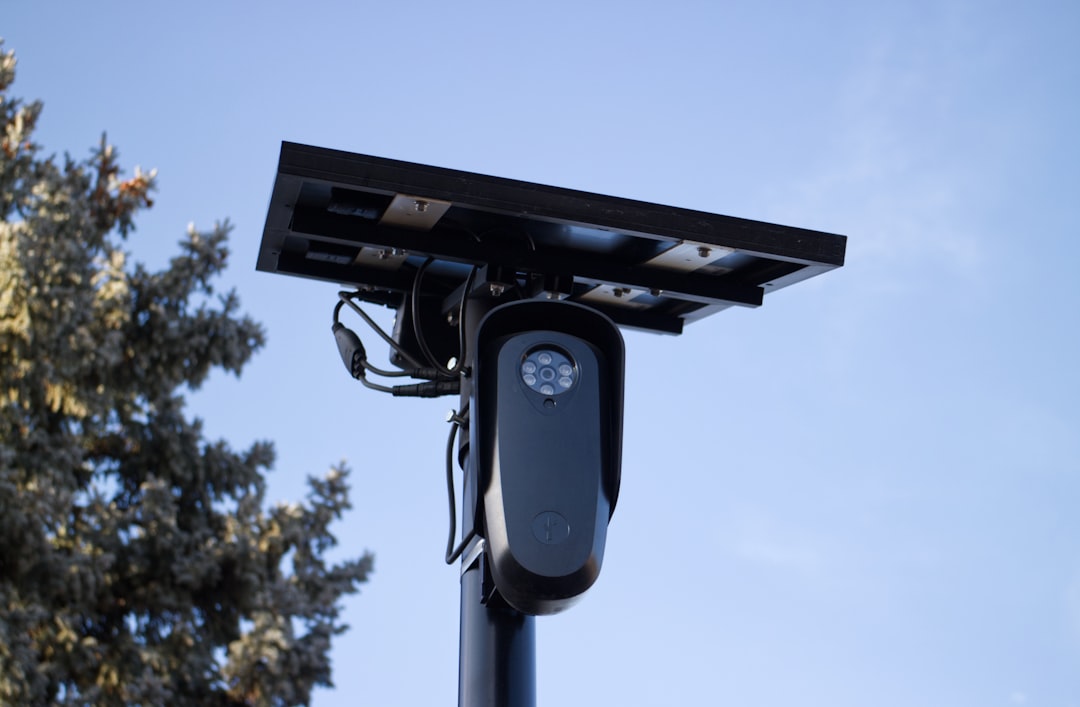
Southern California – Advocacy groups demanded that Governor Gavin Newsom probe and dismantle a concealed system of license plate readers stationed on highways near the Mexican border.
Camouflaged Devices Spark Investigation
Researchers pinpointed roughly 40 license plate readers in San Diego and Imperial counties, with over two dozen concealed within standard construction barrels along state routes.
These setups mirrored tactics exposed by an Associated Press investigation in Arizona, where federal agents disguised similar equipment in traffic safety gear. Groups including the Electronic Frontier Foundation and Imperial Valley Equity and Justice obtained California Department of Transportation permits revealing applications from the U.S. Border Patrol and Drug Enforcement Administration. The DEA routinely shares its reader data with Border Patrol operations. Such concealment raised immediate suspicions about the program’s scope and intent.
Feeding a Nationwide Predictive Network
The collected data flows into a Border Patrol intelligence system that scrutinizes millions of vehicles across U.S. roadways for unusual travel behaviors.
An algorithm analyzes origins, destinations, and routes to flag potential risks, such as brief ventures into border zones often linked to smuggling activities. Federal agents then coordinate with local police for traffic stops on pretexts like speeding. Drivers typically remain unaware of the underlying surveillance driving these encounters. This bipartisan initiative has operated quietly for years, expanding its reach through hidden infrastructure.
California Drivers Pulled into Federal Crosshairs
Court records highlighted at least two instances where California motorists faced scrutiny based on plate reader intelligence.
In one 2024 case, agents stopped a Nissan Altima driver in Oceanside after data showed a six-hour journey for a mere 50-mile stretch from the border, which they described as a smuggling hallmark. Another 2023 episode involved detaining a woman at a checkpoint for her indirect path between Los Angeles and Phoenix. Authorities pursued smuggling charges and asset forfeitures in both situations. These examples illustrated how routine drives could trigger federal intervention without prior notice.
Constitutional Questions Mount
The advocacy letter invoked evolving court rulings that question mass surveillance under the Fourth Amendment.
While public road plate reads have withstood challenges, persistent tracking akin to GPS or cellphone data faces stricter warrant requirements. Organizations argued that combining readers with predictive algorithms creates pervasive monitoring ripe for abuse. A California Department of Transportation spokesperson emphasized the balance between safety and privacy under state law. Governor Newsom’s office had not commented at the time of the letter’s release.
Federal agencies defended their methods as essential for countering threats while adhering to policies and constitutional limits. The Border Patrol stressed responsible use for security goals, and the DEA declined details on its tools. Courts continue to grapple with these technologies’ boundaries.
Key Takeaways
- Over 40 hidden readers operate in Southern California border counties, many disguised in construction barrels.
- Data fuels a predictive system flagging “suspicious” travel, leading to unrevealed traffic stops.
- Privacy groups cite Fourth Amendment risks, urging swift permit revocations and device removals.
This clash underscores the tension between border security and everyday mobility. Lawmakers and courts will likely shape the program’s future. What steps should states take to safeguard privacy on public roads? Share your views in the comments.