Billionaires Bet on Indian Creek’s Prestige (Image Credits: Images.fastcompany.com)
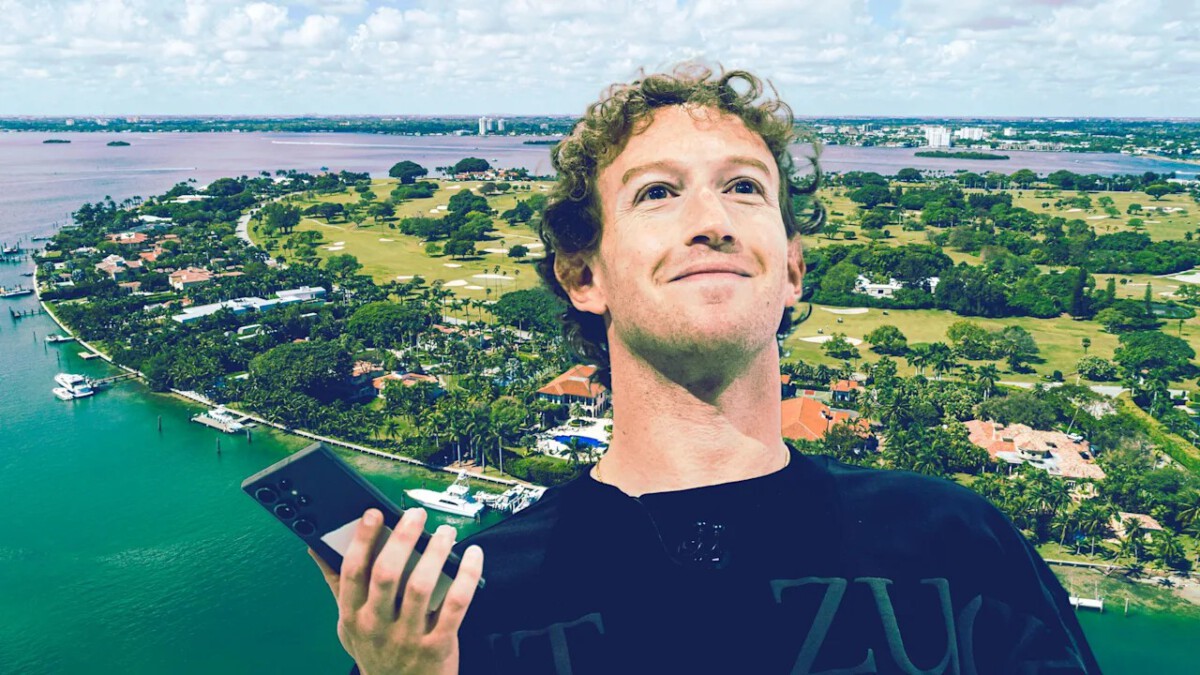
Miami Beach – Mark Zuckerberg and Priscilla Chan joined a roster of high-profile figures with a recent acquisition on Indian Creek, a secluded island prized for its exclusivity yet increasingly exposed to environmental hazards.
Billionaires Bet on Indian Creek’s Prestige
The private island in Biscayne Bay has emerged as a magnet for the ultra-wealthy. Jeff Bezos owns three properties there, while Carl Icahn, Ivanka Trump, and Jared Kushner count among the residents. Zuckerberg’s new home, valued between $150 million and $200 million, commands sweeping bay views from its waterfront perch.
This migration underscores a preference for South Florida’s lifestyle despite known vulnerabilities. The property represents a fraction of Zuckerberg’s vast fortune – mere 0.087% of his net worth. Such investments signal confidence in the area’s appeal, even as external pressures mount.
Climate Risks Elevate Concerns for the Island
Indian Creek stands at the forefront of Miami’s battle with rising waters. Sea levels in the region climbed eight inches since 1950, with projections indicating another 10 to 17 inches by 2040 compared to 2000 levels. Sunny-day flooding from high tides surged 400% over the past two decades in nearby Miami Beach.
Stephen Leatherman, an environmental professor at Florida International University, highlighted the dangers: “It’s very subject to flooding and rising seas.” The artificial island, dredged from bay sediment in the early 1900s atop former mangrove forests, now retains just 2% of those natural barriers. Homeowners have cleared mangroves for unobstructed vistas, inadvertently heightening exposure. At roughly seven feet above sea level, subsidence on the soft foundation remains a worry, alongside potential 15-to-20-foot hurricane surges.
Property Assessments Paint a Dire Picture
First Street, a climate risk analysis firm, rated a nearby home as facing severe flooding – up to 5.9 feet in extreme scenarios – along with 184-mile-per-hour hurricane winds and over three weeks of extreme heat annually. Data for Zuckerberg’s newly constructed residence remains unavailable.
Broader infrastructure strains compound these threats. Saltwater intrusion endangers drinking supplies, while power facilities grow more susceptible to inundation. Ed Kearns, First Street’s chief science officer, noted that fortified designs could counter some perils: “If you’re willing to build to a higher standard… and you raise that bunker up 10 feet, then you’re above the storm surge.” A Mexico Beach residence endured Hurricane Michael through such measures when surroundings were obliterated.A Mexico Beach residence endured Hurricane Michael through such measures when surroundings were obliterated.
Wealth Shields Some, Exposes Others
Affluent owners like Zuckerberg maintain options, including additional residences in California and Hawaii. The move may also sidestep California’s proposed 5% wealth tax, potentially a $11 billion liability.The move may also sidestep California’s proposed 5% wealth tax, potentially a $11 billion liability.
Ordinary Floridians confront soaring insurance costs or outright unavailability amid frequent storms. As housing prices rise with population growth, lower-income groups risk displacement to riskier zones. Indian Creek’s defenses starkly contrast citywide limitations.
- Elite fortifications prioritize private safety.
- Public investments lag in flood-prone districts.
- Insurance markets strain under repeated claims.
- Mangrove restoration could benefit all but faces resistance.
Key Takeaways
- Miami’s elite enclaves like Indian Creek amplify climate divides.
- Engineering solutions exist for the wealthy but burden taxpayers elsewhere.
- Natural buffers, once abundant, now dwindle due to development choices.
While billionaires fortify personal havens, the wider Miami community grapples with shared vulnerabilities that demand collective action. Allocating resources toward resilient public infrastructure could temper these risks more equitably than isolated bunkers. What steps should coastal cities prioritize next? Share your thoughts in the comments.