
The Economic Engine Behind Millions of Visits
Let’s be real. When you think of , you probably picture breathtaking landscapes and wildlife encounters. What doesn’t immediately come to mind is their staggering economic power.
In 2023, 325.5 million visitors spent $26.4 billion in communities near , a number that truly puts into perspective how much these protected spaces mean to local economies. This spending supported 415,400 jobs, provided $19.4 billion in labor income, and $55.6 in economic output to the U.S. economy, making far more than just pretty places to visit.
The trend continued upward into 2024. The National Park System received 331.9 million recreation visits, up 2% from 2023, and visitors spent an estimated $29.0 billion in local gateway regions, up 10% from 2023. That’s a serious contribution to communities that often depend heavily on park tourism for their survival.
One Park Crushes All Competition
Here’s something that might catch you off guard. The most visited national park isn’t Yellowstone, Yosemite, or the Grand Canyon.
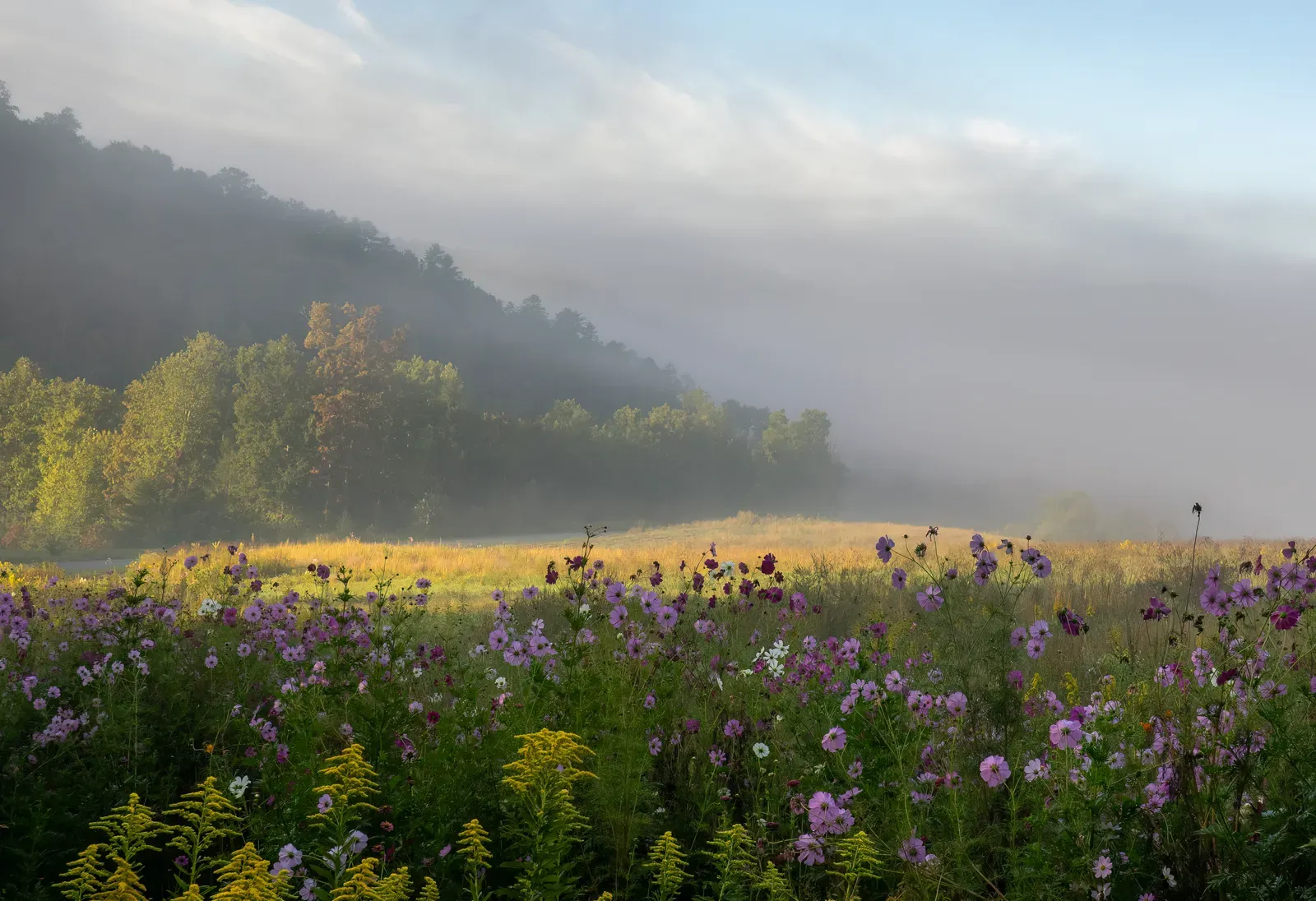
At Great Smoky Mountains National Park, 2023 visitation was 3% higher than 2022, with 13.3 million visits, making it the second highest year on record at the park, after 2021. The Smokies have held the top spot for years, and honestly, it makes sense when you consider the geography.
Unlike parks tucked away in remote wilderness areas, Great Smoky Mountains sits within a day’s drive of much of the eastern United States population. There’s another factor at play too. The park doesn’t charge an entrance fee, a quirk dating back to an agreement made when the park was established. June through October were the busiest months, with over 1 million visits each month, showing just how consistently popular this destination remains.
A Park Bigger Than Nine States Combined
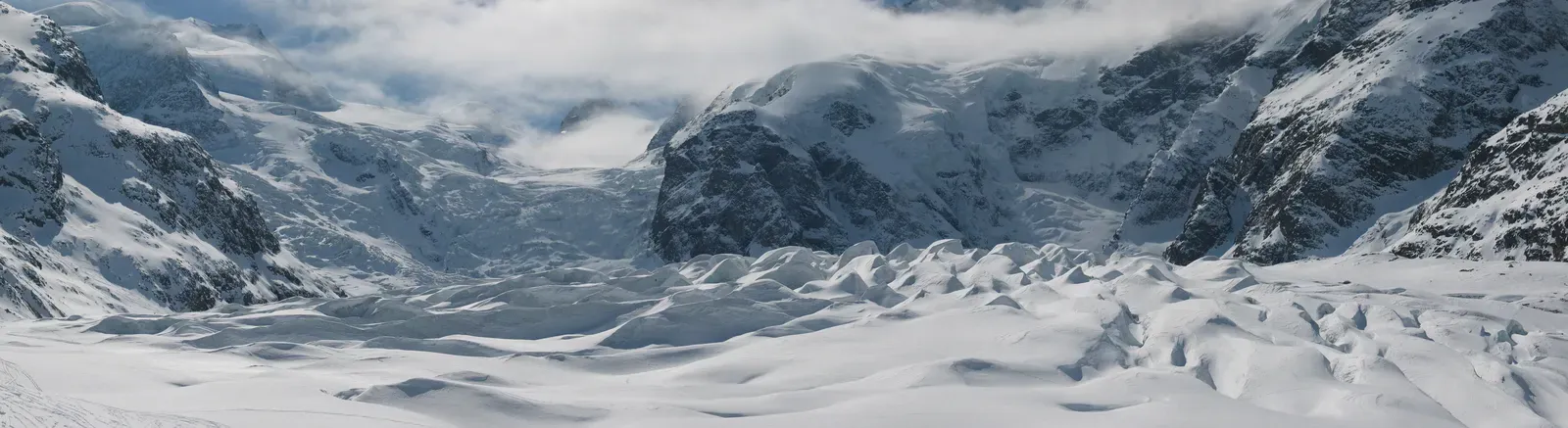
Think you know big? At 13.2 million acres, Wrangell-St. Elias National Park is the same size as Yellowstone National Park, Yosemite National Park, and Switzerland combined. That’s not a typo.
The park and preserve form the largest area managed by the National Park Service with a total of 13,175,799.07 acres, an expanse larger than nine U.S. states. It’s hard to truly grasp that kind of scale until you realize most people have never even heard of this place. Located in Alaska, it’s so vast and remote that accessing much of it requires a plane or serious backcountry skills.
The park is home to nine of the sixteen highest peaks in the United States and contains massive glaciers that dwarf entire states. Despite its immense size and stunning beauty, it draws relatively few visitors compared to more accessible parks, preserving its wild character.
Active Volcanoes Are Part of the Experience
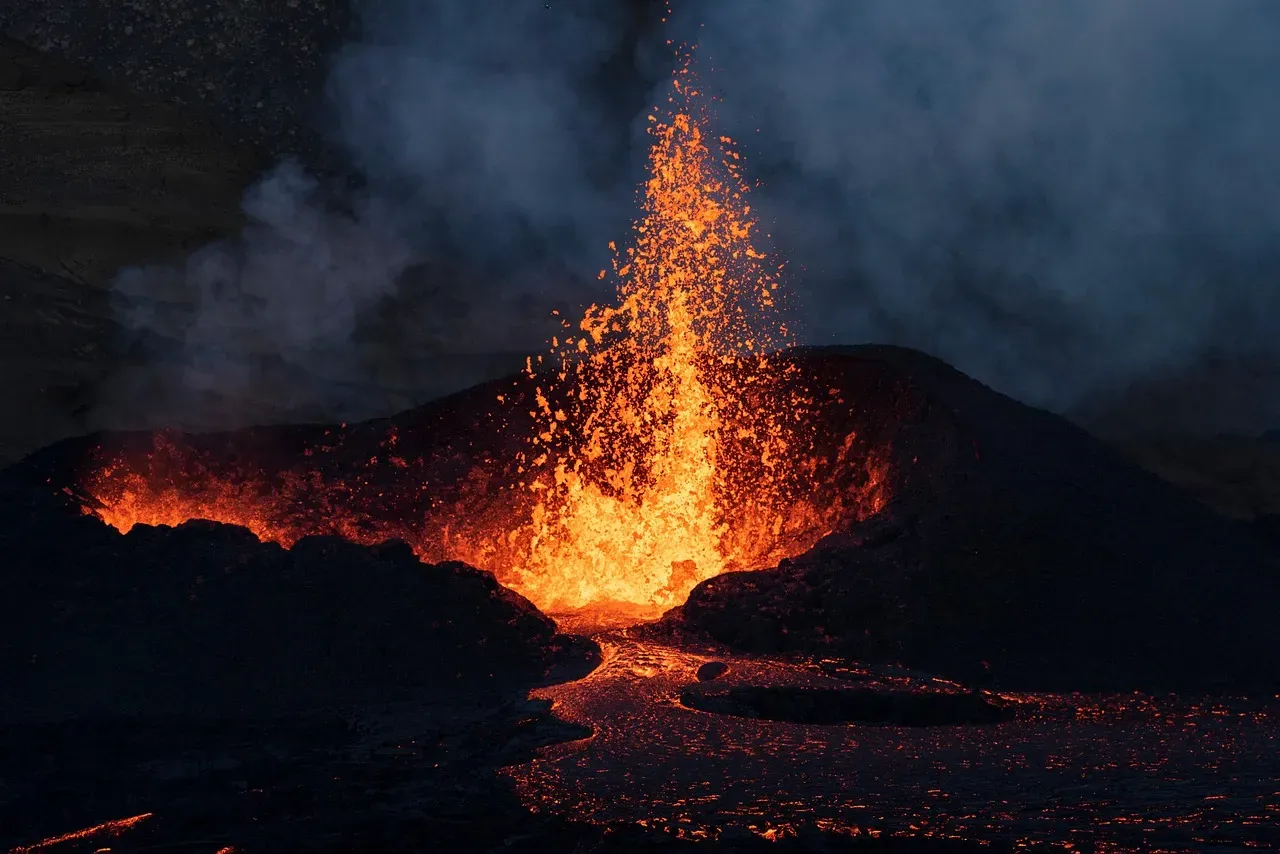
aren’t all serene meadows and peaceful trails. Some protect incredibly dynamic geological features that are very much alive.
The most recent eruption began in December 2024, with episodic lava fountains and flows continuing into 2026 at Hawai’i Volcanoes National Park, where Kīlauea volcano remains one of the most active on Earth. 2023’s third Halemaʻumaʻu eruption episode occurred from September 10 to September 16, 2023, when multiple vents opened, demonstrating the ongoing volcanic activity.
Shortly after midnight on June 3, 2024, an eruption occurred from a series of fissures on Kīlauea’s upper southwest rift zone, and the eruption lasted about 8.5 hours. Watching molten lava flow and fountain from the earth is a humbling reminder of the powerful forces that built these islands in the first place.
A Staggering Diversity Beyond Traditional Parks

When you hear “national park,” you might picture iconic places like Zion or Acadia. The reality is far more complex and fascinating.
The National Park Service actually manages 428 different sites across the United States as of 2024, covering more than 85 million acres. These aren’t all traditional parks with sweeping vistas and campgrounds. The system includes battlefields where pivotal moments in American history unfolded, monuments commemorating significant events, historic sites preserving cultural heritage, and recreation areas designed for public enjoyment.
Of the 433 parks in the National Park System, 404 parks counted visitors in 2024, showing the breadth and reach of these protected areas. This diversity means the National Park Service protects everything from Civil War battlefields to prehistoric archaeological sites, from coastal seashores to urban memorials.
Climate Change Is Rewriting the Rules
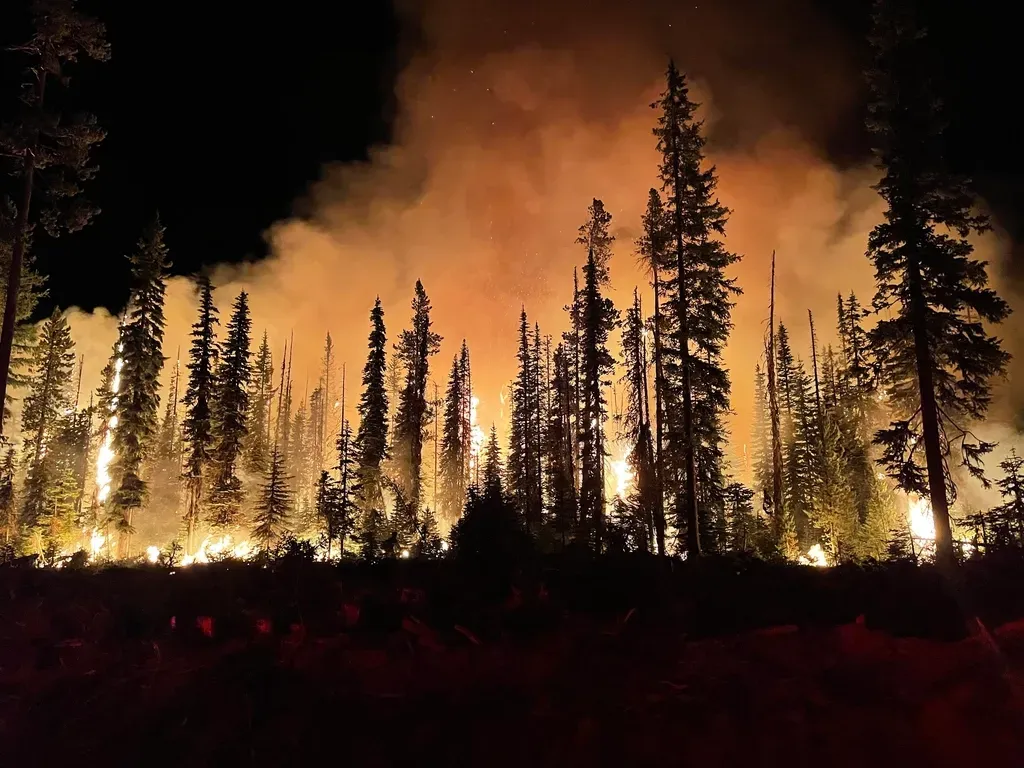
Parks in the western United States are facing a threat that’s reshaping landscapes faster than almost anything in recent history. Parks throughout the West are regularly at risk of wildfire, and those risks are becoming more severe because of climate change, with Yellowstone, Glacier and Rocky Mountain predicted to have the most significant increases in wildfires of all U.S. parks.
The combined area of the National Park System has warmed twice as fast as the U.S. as a whole from 1895 to 2010, reflecting how sensitive park ecosystems are to temperature shifts. Rising temperatures aren’t just an abstract concern. They’re triggering more intense fire seasons, threatening historic structures, altering wildlife habitats, and changing when and how people can safely visit.
Increasing temperatures and drought conditions attributed to climate change are predicted to exacerbate these wildfire conditions. Park managers are working hard to adapt, but the scale of the challenge is unprecedented in the history of the park system.
Billions Invested in Crumbling Infrastructure
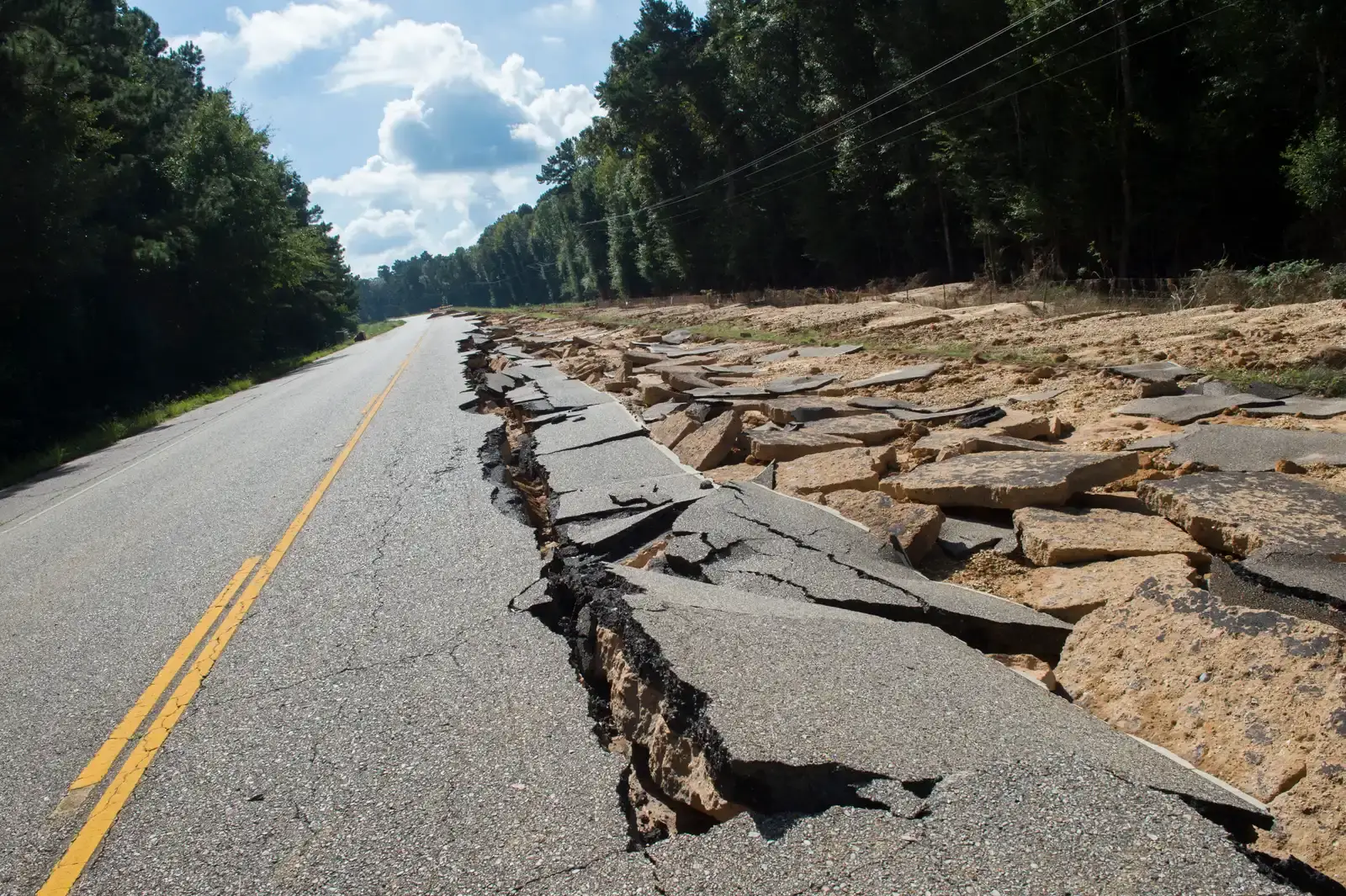
Behind the scenic beauty lies a less glamorous reality. Many parks are struggling with aging facilities, crumbling roads, and outdated visitor centers that desperately need repair.
In 2024, the National Park Service continued infrastructure improvements funded by the Great American Outdoors Act, aimed at reducing the multi billion dollar maintenance backlog across park facilities. This backlog had grown over decades as visitation increased but funding for upkeep didn’t keep pace. Everything from historic buildings to water systems to hiking trails requires constant maintenance, and for years, repairs were deferred.
The funding represents a major commitment to ensuring these places remain accessible and safe for future generations. It’s a reminder that preserving isn’t just about protecting wilderness. It’s also about maintaining the infrastructure that allows millions of people to experience these incredible places each year.
Conclusion
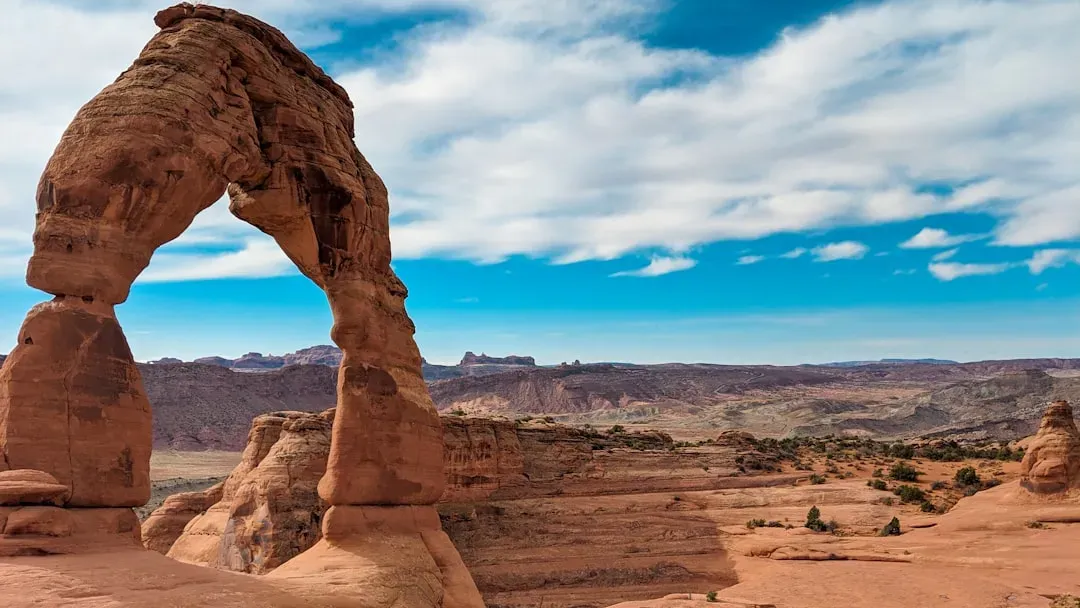
are far more complex and consequential than most people realize. They’re economic powerhouses generating billions of dollars and supporting hundreds of thousands of jobs. They protect active volcanic systems and landscapes larger than entire states. They’re warming faster than the rest of the country and facing unprecedented wildfire threats.
These seven facts only scratch the surface of what makes America’s so remarkable. They’re not just pretty places to take photos. They’re living laboratories, economic engines, climate barometers, and irreplaceable treasures all rolled into one. What surprised you most?