
History is taught as a neat collection of facts and dates. We learn about revolution, founding fathers, civil wars, and westward expansion. We memorize when amendments were ratified and wars were fought. Simple stuff, right?
Here’s the thing, though. The version of American history most of us learned in school glosses over some jaw-dropping truths. Some facts get buried in the footnotes, some get spun to sound more heroic, and others are just conveniently forgotten. So let’s be real, there are stories beneath the surface that would shock most people who think they know this country’s past.
Slavery in America Began Before America Existed
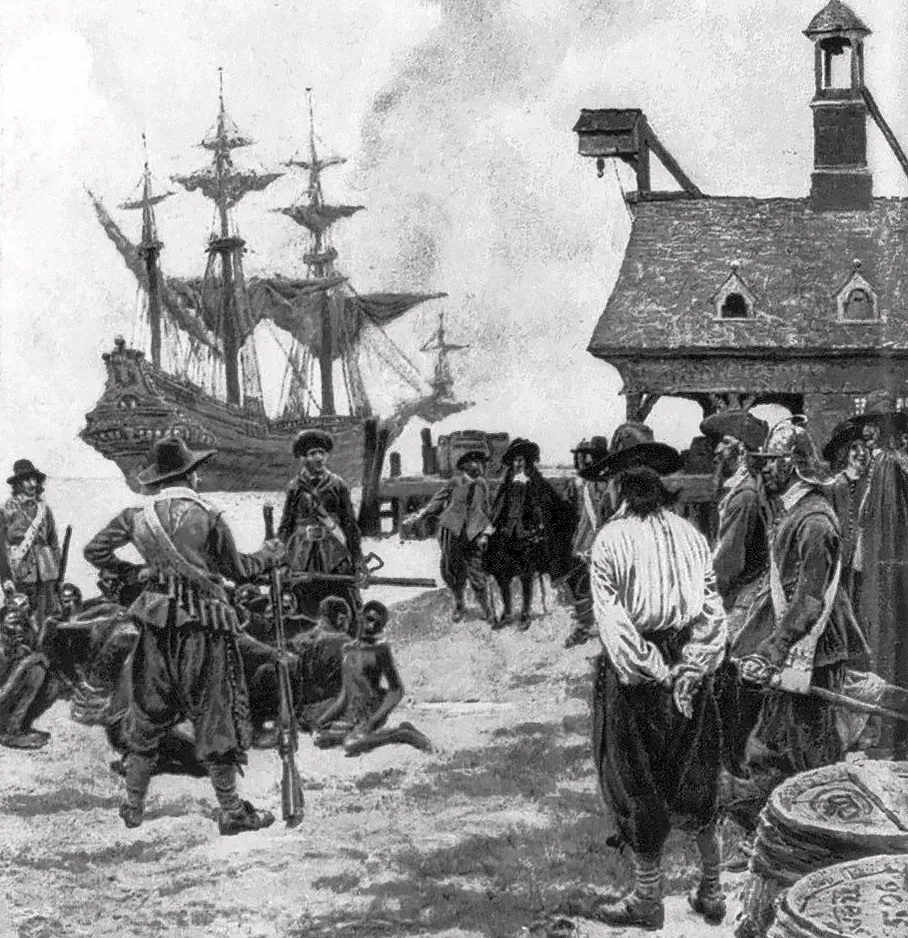
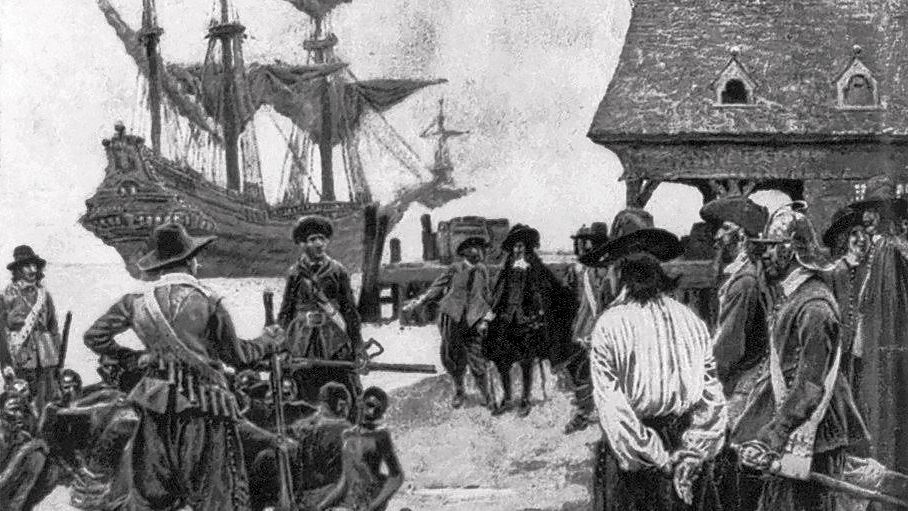
The first ship carrying enslaved Africans arrived at Old Point Comfort on August 25, 1619. That’s more than a century and a half before the Declaration of Independence. Let that sink in for a moment.
They came from the African kingdom of Ndongo in present-day Angola, among 350 Africans bound for a life of slavery and servitude in Spain’s New World colonies. These individuals were captured, traded like commodities, and set the stage for a brutal institution that would become woven into the fabric of colonial life long before the nation even had a name. The roots of slavery in what would become America run deeper and older than most people realize.
Only a Minority of Colonists Actually Wanted Independence
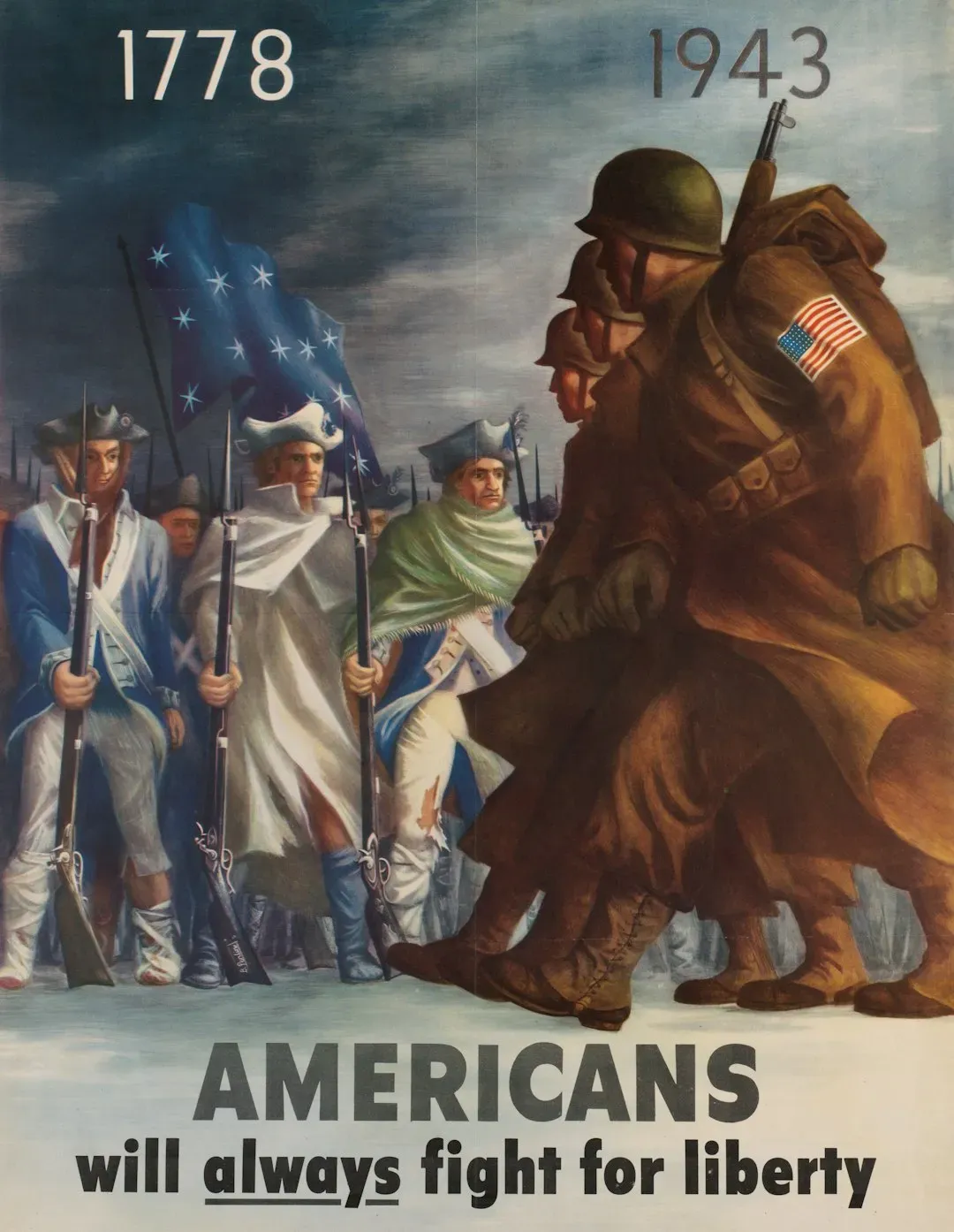
Popular myth would have you believe that colonists united as one against British tyranny. The reality? Most sat on the fence. Roughly 40 to 45 percent of the white population in the Thirteen Colonies supported the patriots’ cause, between 15 and 20 percent supported the Loyalists, and the remainder were neutral or kept a low profile regarding their loyalties.
That means active revolutionaries were never the majority. At no time did more than 45 percent of colonists support the war, and at least a third of colonists fought for the British. Unlike the Civil War, which pitted regions against each other, the war of independence pitted neighbor against neighbor. Families split down the middle. The American Revolution was as much a civil war as it was a fight for freedom from Britain.
The Constitution Didn’t Give Most Americans the Right to Vote
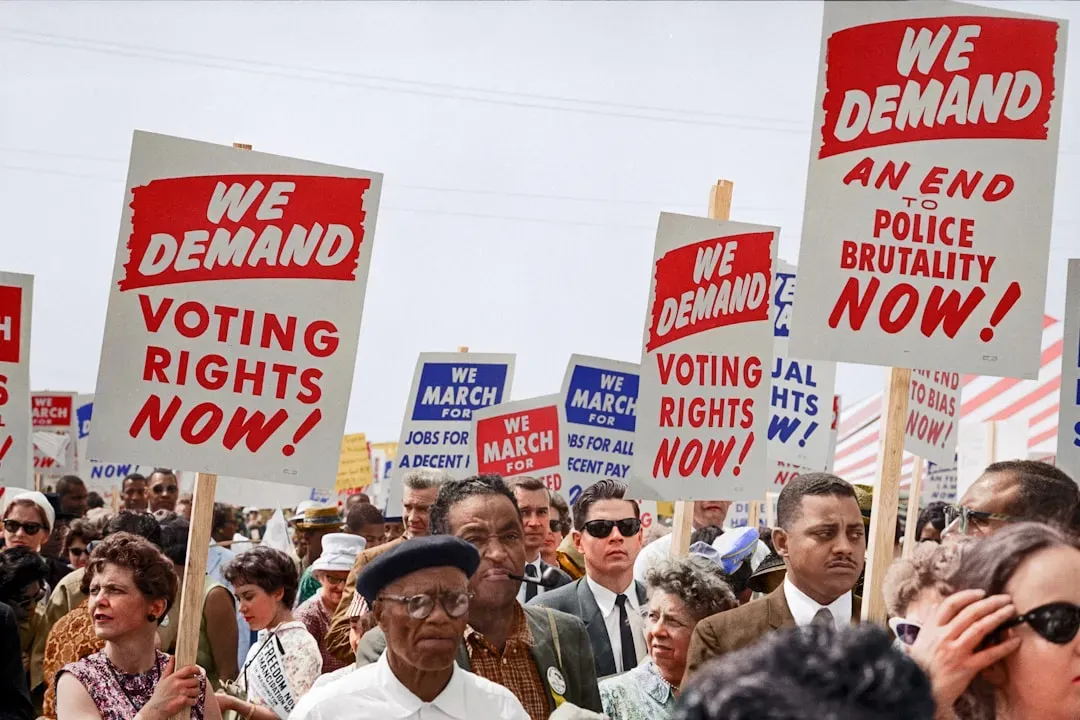
We celebrate the Constitution as the bedrock of democracy. Yet when it was ratified in 1787, it left voting rights almost entirely up to individual states. The U.S. Constitution refers to the election of members of Congress and of the President, but the document adopted in 1787 does not define who may cast those votes.
Generally, states limited this right to property-owning or tax-paying white males (about 6% of the population). Women, enslaved people, Native Americans, and men without property had no voice at the ballot box. It took amendments, legislation, and nearly two centuries of struggle to expand suffrage to all adult citizens. Universal voting rights? That’s a 20th century achievement, not an 18th century one.
The Civil War Killed More Americans Than Any Other Conflict
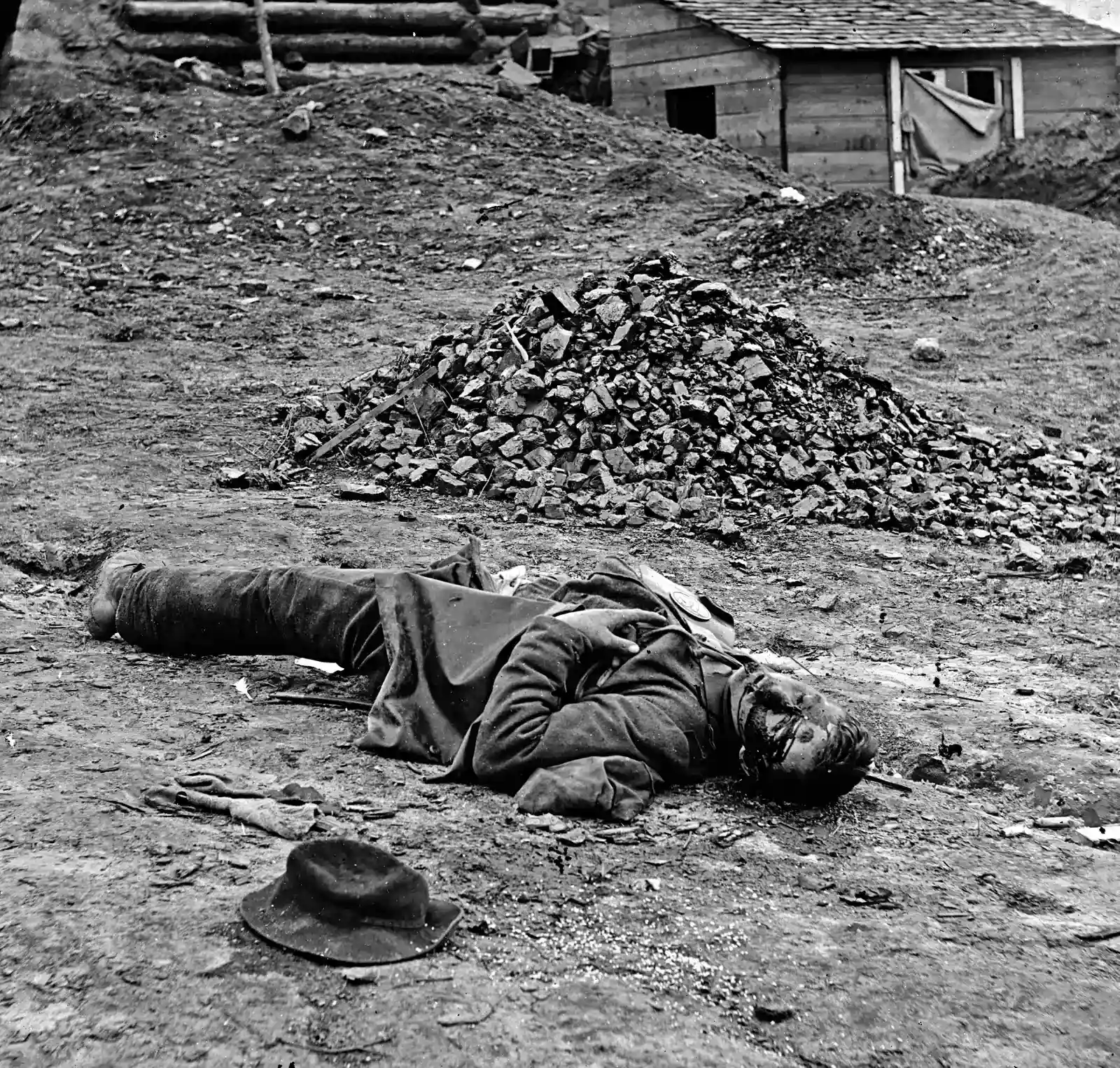
The number of soldiers who died between 1861 and 1865, generally estimated at 620,000, is approximately equal to the total of American fatalities in the Revolution, the War of 1812, the Mexican War, the Spanish American War, World War I, World War II, and the Korean War, combined. Honestly, I think most people today have no idea how devastating that was.
Recent scholarship has even pushed that figure higher, with some historians estimating closer to 750,000 deaths. The Civil War’s rate of death, its incidence in comparison with the size of the American population, was six times that of World War II. A similar rate, about two percent, in the United States today would mean six million fatalities. Brother fought brother, and the nation bled out on its own soil.
Chinese Workers Built the Transcontinental Railroad Under Brutal Conditions
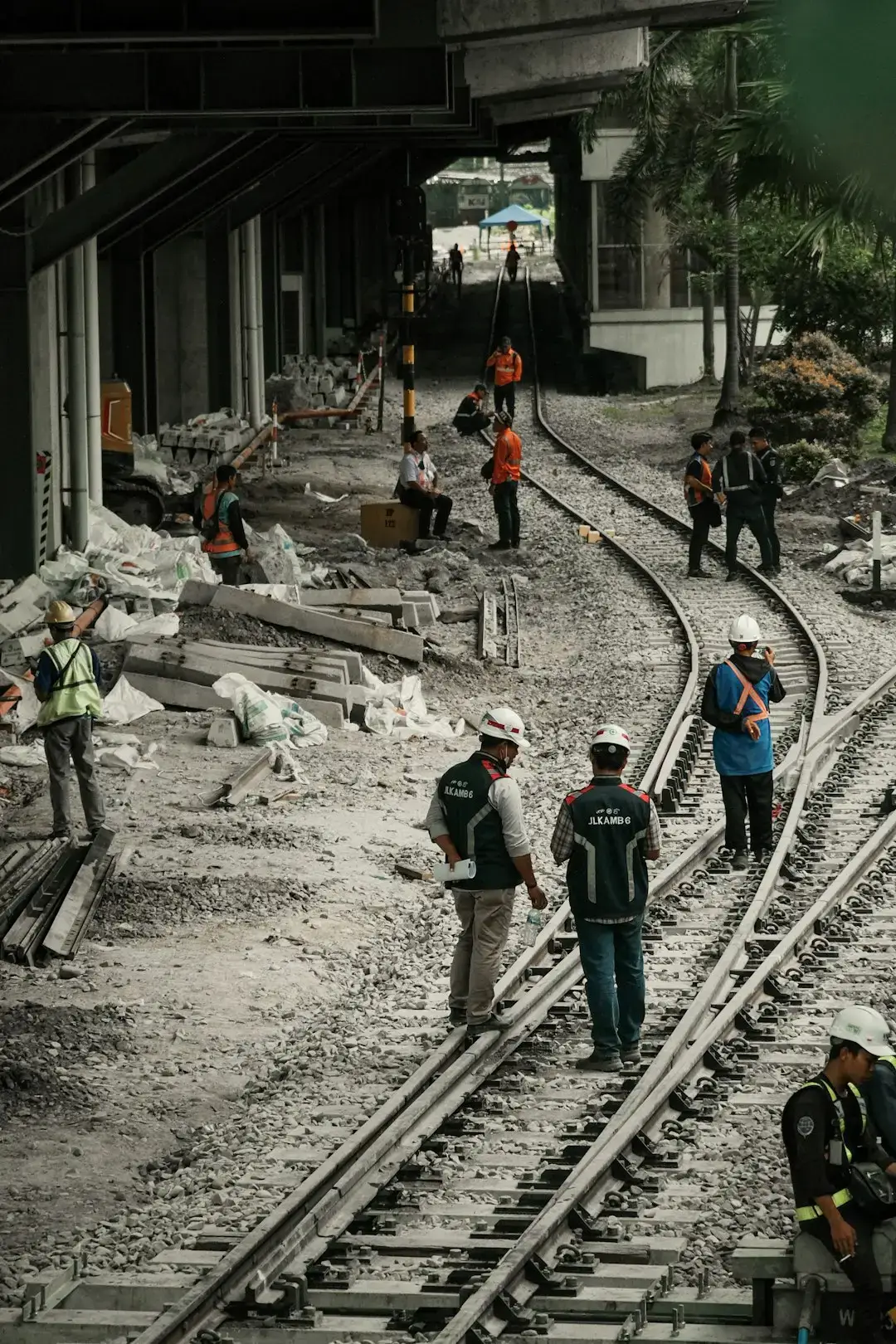
The completion of the Transcontinental Railroad in 1869 is celebrated as a triumph of American ingenuity. Rarely do textbooks dwell on who actually built it. Actually, 10,000 to 20,000 immigrant Chinese laborers had helped forge the Central Pacific’s path over the Sierra Nevada to its historic 1869 meeting with the Union Pacific.
Chinese crews were routinely marginalized, subjected to poor treatment, racist oversight and negligible support from their employers. According to the Central Pacific’s own disclosures, white workers earned $35 a month on top of full room, board and equipment. Chinese workers, by contrast, earned a salary of $30 and nothing else. They faced the most dangerous jobs, blasted through mountains, and endured horrific working conditions. Yet when the golden spike was driven at Promontory Summit, Chinese faces were conspicuously absent from the celebration photos.
Women Couldn’t Vote Until More Than a Century After Independence
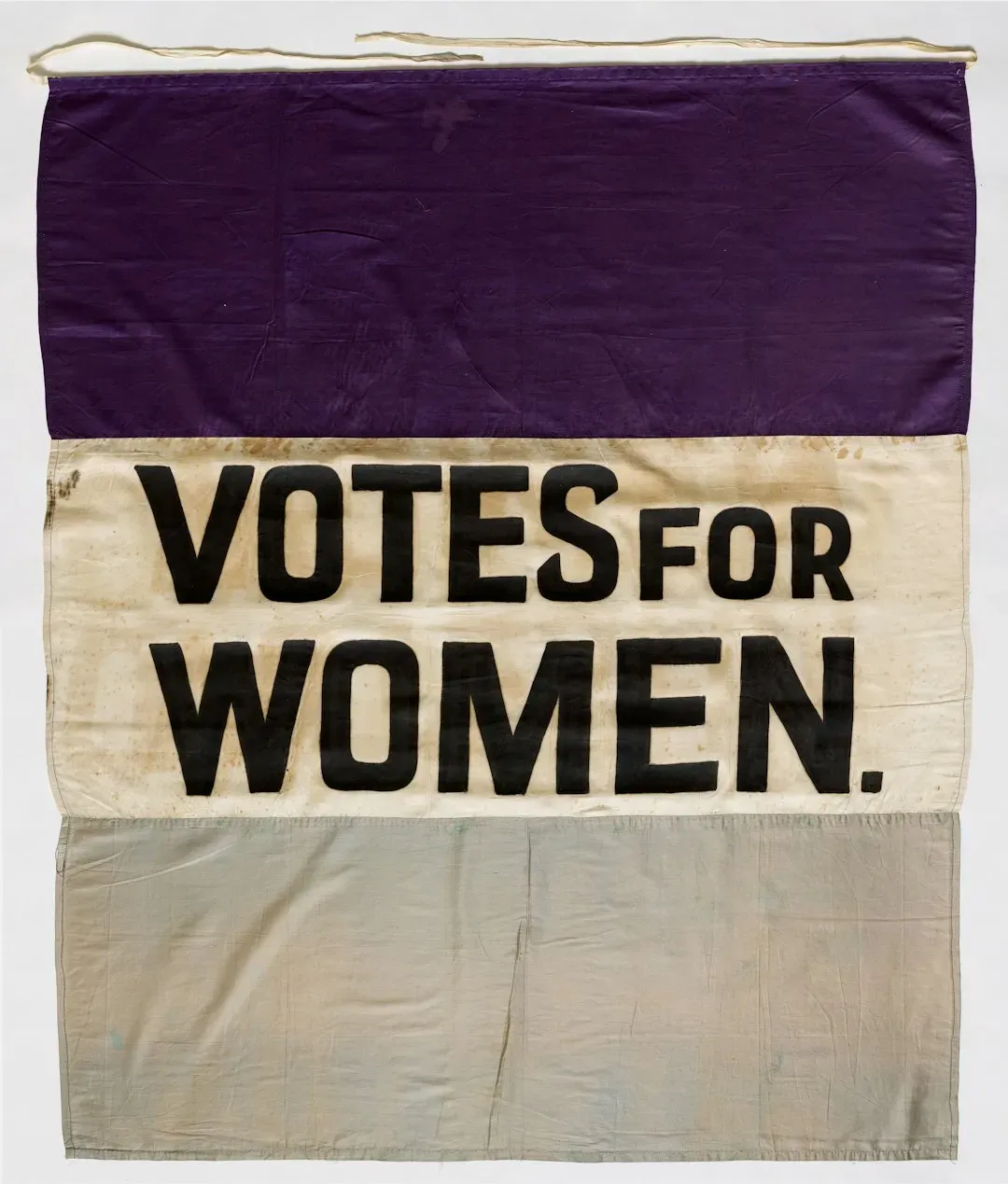
The 19th Amendment (1920) prohibited the states from denying the vote on the basis of sex. That was 144 years after the Declaration of Independence declared that “all men are created equal.” Notice the wording there. Men.
Women organized, marched, protested, and fought for generations to secure the franchise. Some states allowed women limited voting rights earlier, usually in local elections. Still, national suffrage came shockingly late considering America’s self-image as a democracy. It took more than 130 years from independence for women to gain full constitutional voting rights nationwide.
The Great Depression Sent Unemployment to Unprecedented Levels
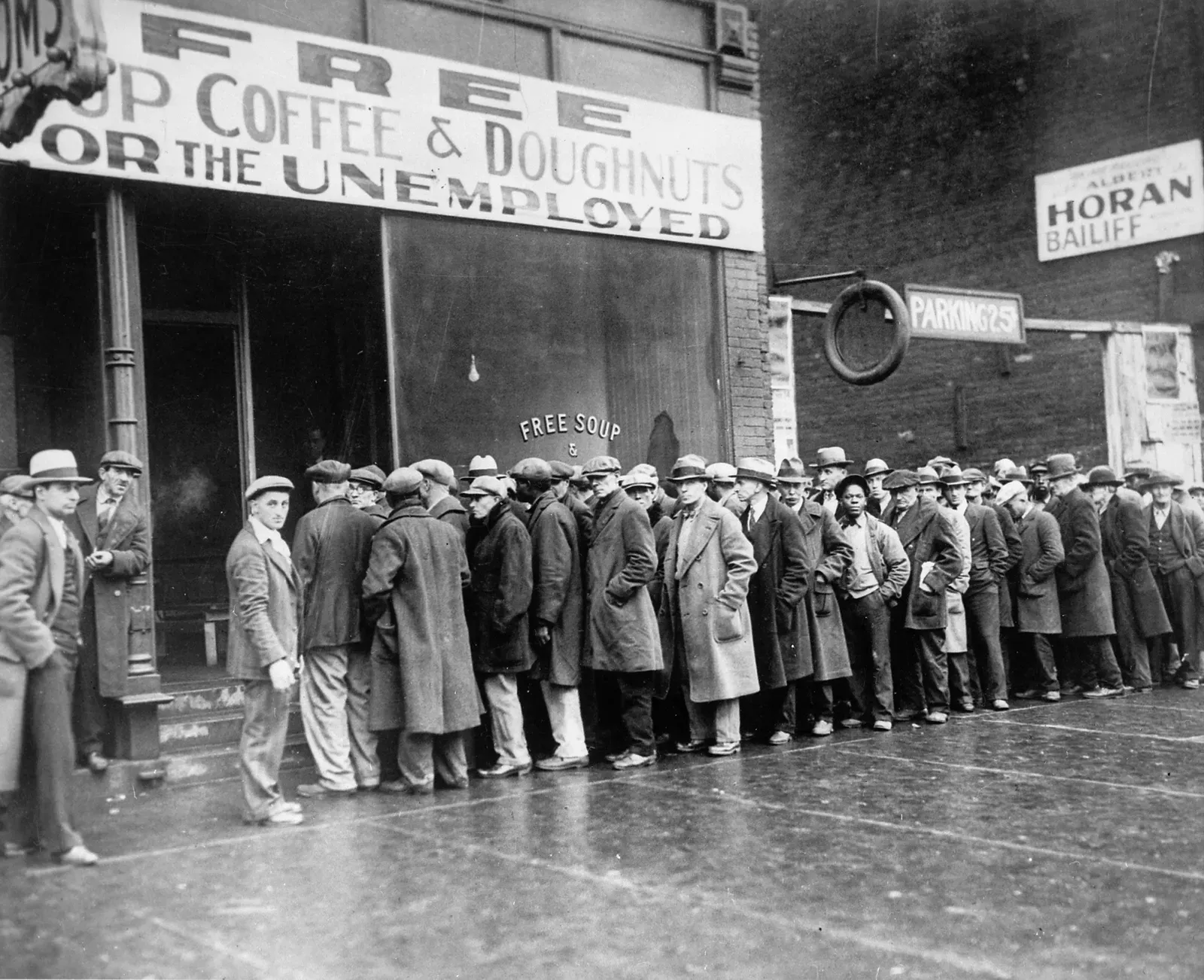
Economic downturns are part of life, but the Great Depression was in a league of its own. At its worst in 1933, unemployment in the United States reached roughly one quarter of the workforce. That figure represents millions of families plunged into poverty, hunger, and desperation.
The scale was staggering. Soup lines stretched around city blocks. Banks collapsed. Farms turned to dust. Though government intervention eventually helped pull the country out of the abyss, the trauma left deep scars on an entire generation. It remains the most severe economic crisis in U.S. history.
Over 120,000 Japanese Americans Were Imprisoned During World War II
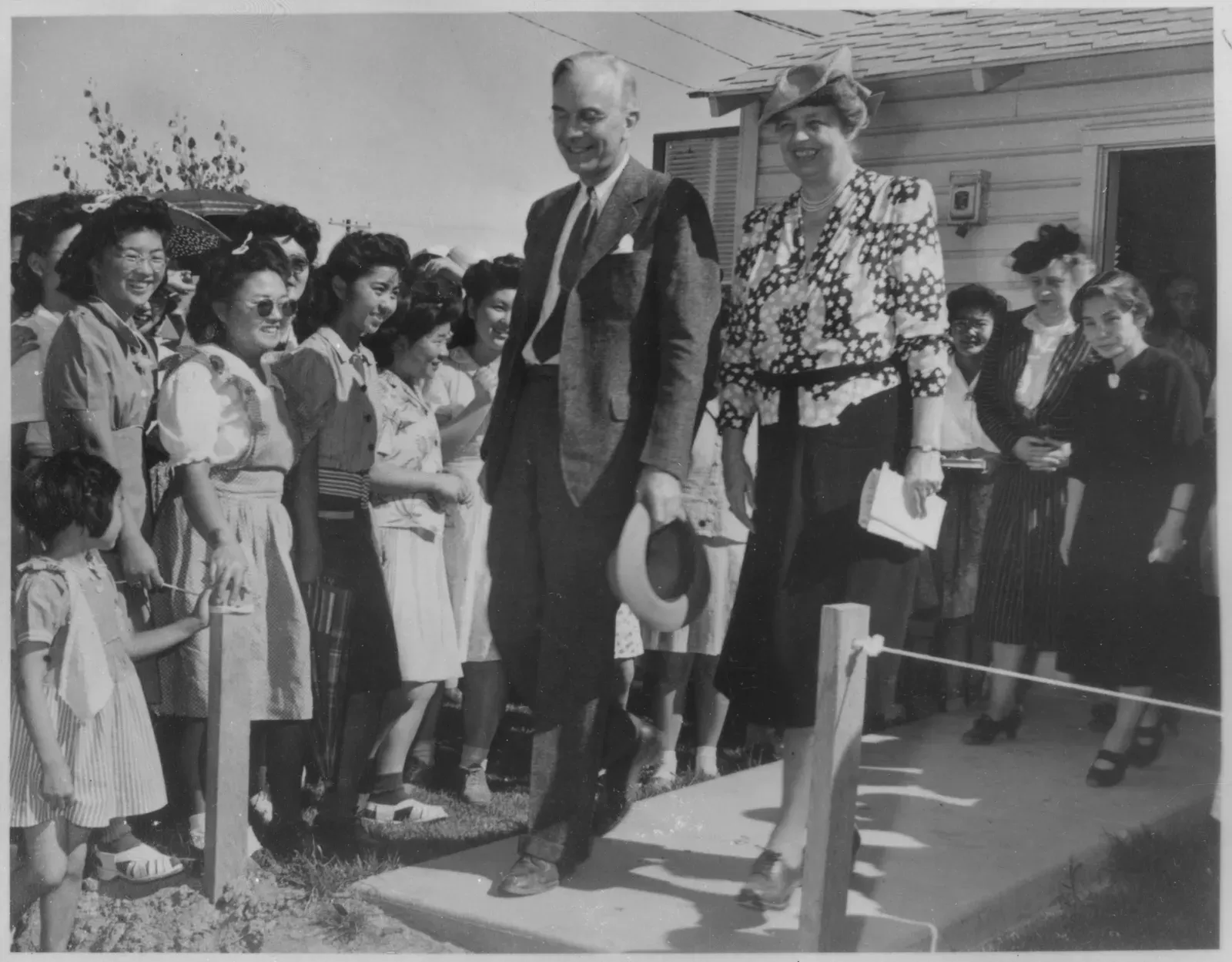
Fear and racism converged after Pearl Harbor. The U.S. government forcibly relocated and incarcerated more than 120,000 Japanese Americans during World War II. Two thirds of them were U.S. citizens, according to National Archives records.
Families were ripped from their homes, businesses shuttered, property seized. They were sent to remote camps surrounded by barbed wire and armed guards. No charges, no trials, just mass detention based on ancestry. It took decades before the government formally apologized and offered reparations for this violation of civil liberties.
The Civil Rights Act Passed, But Enforcement Took Years
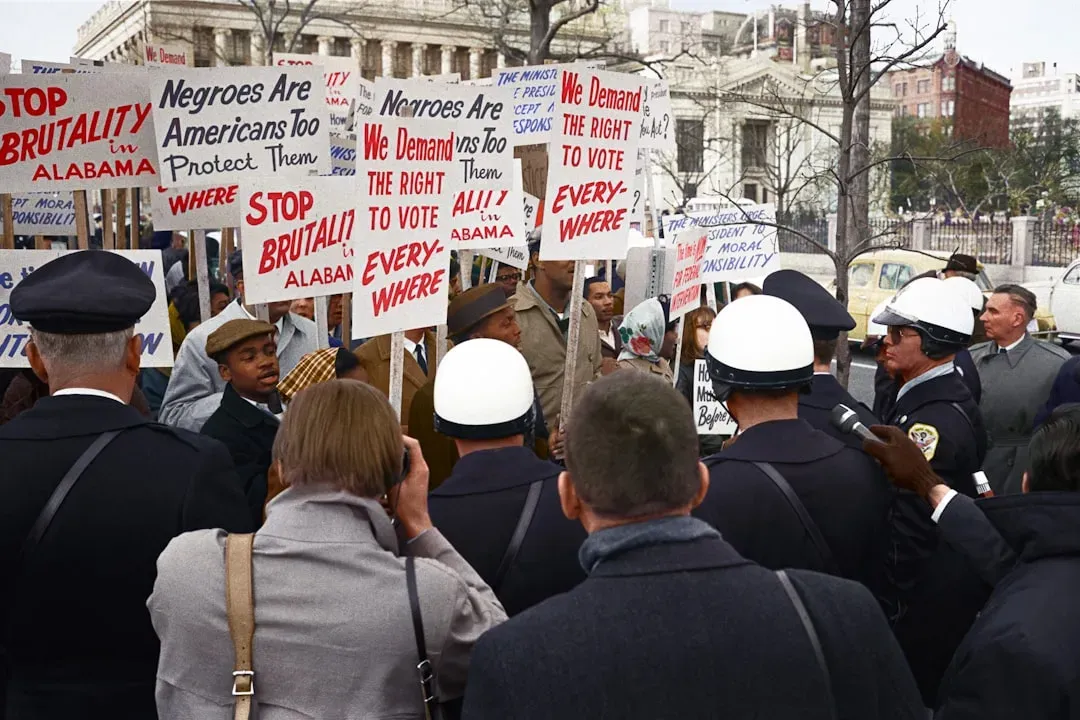
The Civil Rights Act of 1964 outlawed segregation in public places and banned employment discrimination based on race, color, religion, sex, or national origin. Landmark legislation, no doubt. Yet passing a law and enforcing it are two very different things.
Legal battles dragged on for years. Southern states resisted. Local governments found loopholes. Equal access to schools, housing, and jobs remained elusive despite the law’s noble intentions. True change came slowly, painfully, and only after continued activism, court rulings, and federal pressure. The Act was a crucial step forward, sure, but it was hardly the end of the struggle.
Native American Populations Were Far Larger Than Early Estimates
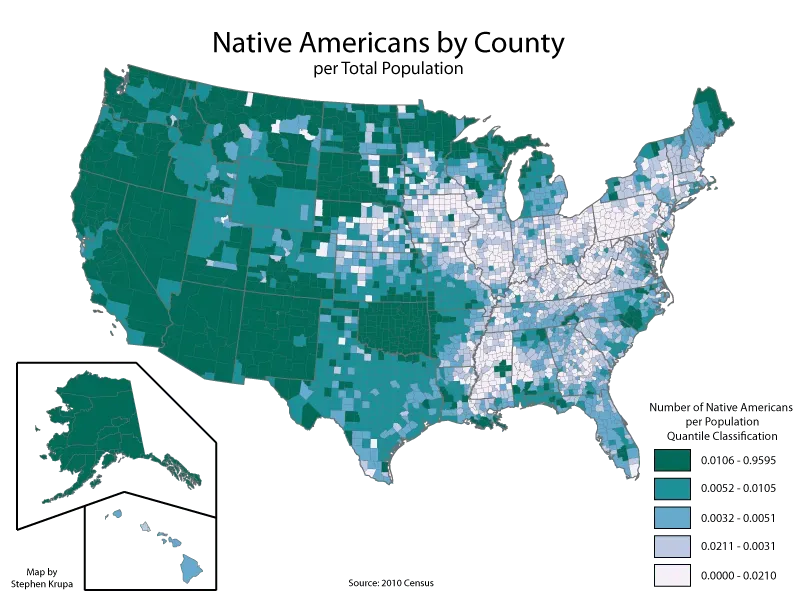
For decades, historians estimated that only a few million Native Americans lived in North America before European contact. Recent scholarship tells a dramatically different story. Modern research using advanced methods suggests the population was significantly higher, possibly many millions more than early 20th-century estimates indicated.
Disease, warfare, and displacement devastated indigenous communities after Europeans arrived. The scale of this catastrophe was downplayed for generations. As historians and scientists continue revising these numbers using evidence from archaeology and demographic modeling, the true scope of the loss becomes clearer. The history of Native Americans is one of survival against staggering odds.
Conclusion
American history is messier, more complicated, and far more unsettling than the sanitized version we often hear. Slavery predated the nation. The Revolution divided communities. Voting rights came piecemeal over centuries. Wars devastated populations. Immigrant labor built infrastructure under appalling conditions. Civil rights required relentless struggle long after laws were passed.
These facts don’t diminish America’s achievements. If anything, they make the story more human, more honest. Understanding the full picture, the uncomfortable truths alongside the triumphs, helps us reckon with the present and shape a better future. So, did any of these facts surprise you? What do you think should be taught differently in schools?