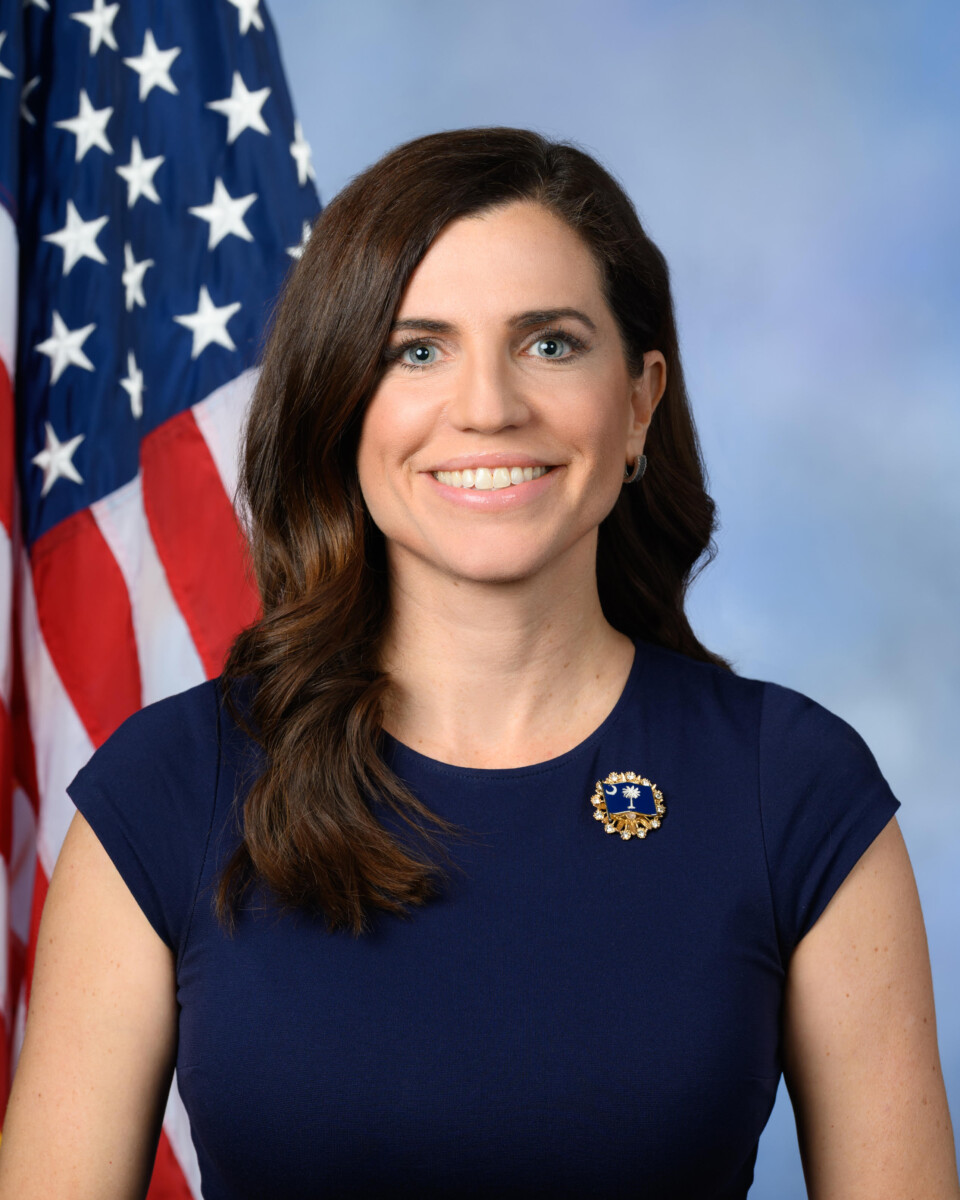
Delving into Restricted Documents (Image Credits: Upload.wikimedia.org)
Washington, D.C. – Representative Nancy Mace reviewed unredacted Jeffrey Epstein documents at the Department of Justice and emerged with a sharpened resolve to hold powerful figures accountable.[1][2]
Delving into Restricted Documents
Earlier this week, the South Carolina Republican gained access to sensitive Epstein files held by federal authorities. She examined materials that included redactions obscuring co-conspirator details and noted instances where key information appeared absent from the database. This review followed partial releases mandated under the Epstein Files Transparency Act, signed into law the previous November. Thousands of pages had already entered public view, yet gaps persisted. Mace described the omissions as deeply troubling during a public statement.[2]
Other lawmakers, such as Representatives Ro Khanna and Thomas Massie, conducted similar examinations. Their efforts highlighted ongoing demands for complete disclosure. The files encompass evidence from Epstein’s operations, though inclusion of names does not imply guilt. Mace’s session underscored persistent barriers to full transparency.
A Growing Roster of Names
Mace revealed she compiled a list of individuals for potential interviews by the House Oversight Committee. “I have more names today than I had yesterday,” she stated after the review.[2] The roster expanded beyond initial expectations, prompting plans for subpoenas if needed. She shared a specific example, advocating questions for Microsoft co-founder Bill Gates over his Epstein ties. This move signals her intent to probe deeper into associations documented in the files.
The congresswoman emphasized urgency, aiming for swift action through congressional channels. Her approach builds on prior votes to compel broader DOJ releases. Lawmakers like her accessed roughly half of the estimated six million pages now declassified.
Allies Among Survivors
Mace appeared publicly alongside Epstein survivors to amplify their voices. She urged media outlets to prioritize victim stories over political angles. “Don’t make this partisan. This is about the victims,” she declared.[2] This stance echoed her earlier support for legislation forcing file disclosures, a vote she described as emotionally charged.
Survivors have long pressed for unfiltered access to records, citing decades of obscured justice. Mace’s alignment with them reinforced calls for immediate unredacted releases. Her efforts coincide with survivor-led demonstrations at the Capitol.
Direct Warning to the Elite
In a bold address, Mace confronted high-profile figures potentially implicated. “The days of cover-up are over. I want the princes, the former presidents, the billionaires to know: your days are numbered,” she warned.[2] She criticized America’s perceived two-tiered justice system favoring the wealthy. Epstein’s 2019 death in custody intensified scrutiny over unprosecuted enablers.
Her rhetoric framed the issue as a historic reckoning. Mace positioned the Epstein case as one of the nation’s greatest cover-ups. Recent interviews, including on NPR, amplified her push for public awareness.[3]
Key Takeaways:
- Mace identified redacted or missing co-conspirator details in DOJ files.
- She plans House Oversight interviews and subpoenas for an expanded list of names.
- Emphasis remains on victims, with a challenge issued to global elites.
Representative Mace’s initiative promises to sustain pressure on unresolved Epstein questions, bridging survivor advocacy and legislative oversight. Full disclosure could reshape understandings of elite networks. What steps should Congress take next? Share your thoughts in the comments.