Seeds of Conflict in a Divided Kingdom (Image Credits: Pixabay)
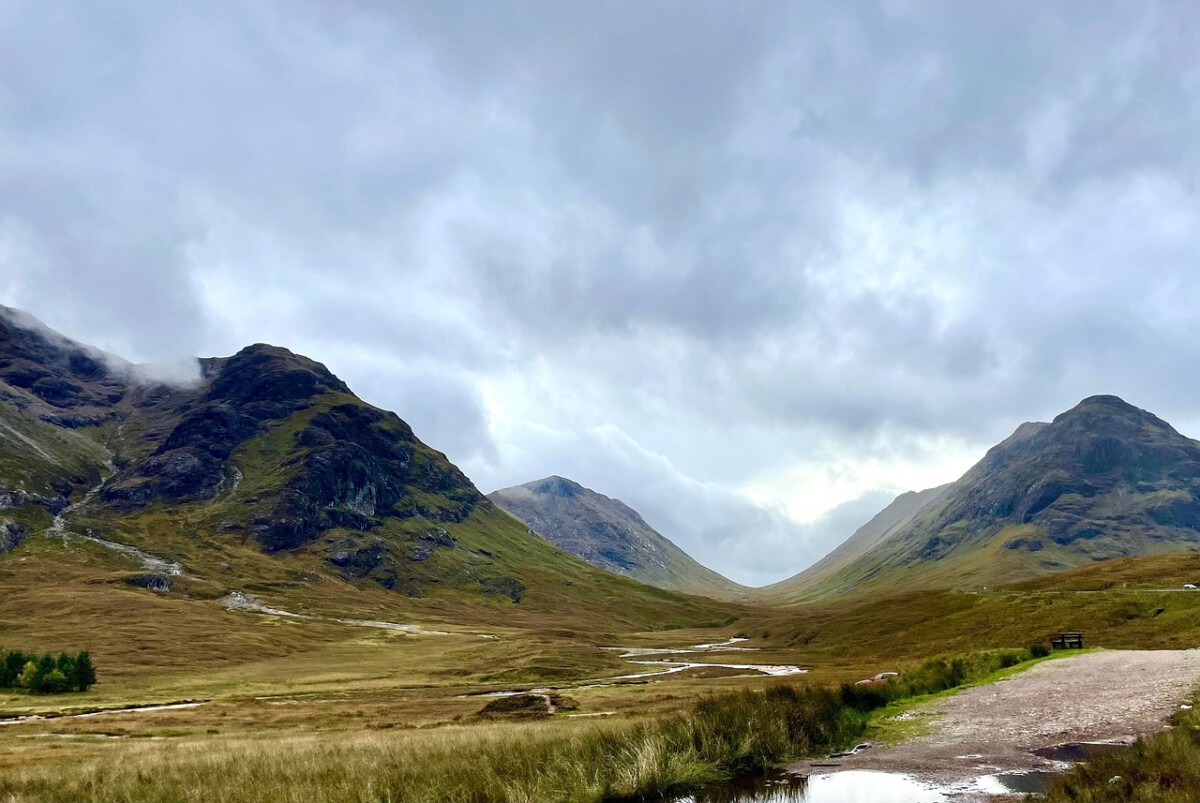
Glencoe, Scotland – A remote Highland glen became synonymous with treachery on February 13, 1692, when soldiers slaughtered their hosts in one of Scottish history’s darkest episodes.
Seeds of Conflict in a Divided Kingdom
William III’s ascension in 1689 left Scotland fractured. Jacobite clans in the Highlands resisted the new monarch, prompting a government ultimatum: swear allegiance by January 1, 1692, or face consequences. Iain MacIain, chief of the Glencoe Macdonalds, delayed his oath amid harsh winter conditions.
He trudged through snow to Fort William on the deadline day, only to find no official empowered to accept it. Six days later, officials finally processed his submission amid reports of his desperate pleas. Government hardliners viewed the Macdonalds as notorious raiders, perfect for a punitive example. This set the stage for tragedy in the isolated valley.
Unexpected Guests Under Highland Hospitality
On February 1, Captain Robert Campbell of Glenlyon led 120 Argyll regiment soldiers into Glencoe. They sought quarters in lieu of unpaid taxes, invoking ancient customs of shelter. The Macdonalds opened their homes despite longstanding feuds with the Campbells.
MacIain sensed danger. He dispatched young unmarried women to safety and concealed the clan’s weapons. For nearly two weeks, the troops shared meals and firesides with their hosts, masking the storm to come. Tension simmered beneath the fragile peace.
The Fatal Instructions Arrive
Secret orders reached Glenlyon on February 12. They commanded him to strike at 5 a.m. the next day, targeting all rebels under age 70 for the sword. Higher authorities, including Secretary of State John Dalrymple, orchestrated the plan to eradicate the clan.
William III himself had approved measures to “extirpate” such disobedient groups, though later interpretations claimed he intended legal proceedings only. The commander ensured his men received payments that night, steeling them for dawn’s grim task.
Horror Unfolds in the Snowy Glen
As dawn broke, soldiers barred the glen exits and turned on sleeping families. MacIain fell, shot in the back while rising to dress. His wife suffered a cruel fate: stripped bare, her rings torn from fingers by soldiers’ teeth before she succumbed to the cold.
Nine bound men faced execution by musket and bayonet, with Glenlyon delivering finishing thrusts. Around 44 perished directly, while others froze fleeing through blizzards. The glen, once a haven, ran red with blood.
Scandal, Inquiry, and Lingering Injustice
News of the slaughter ignited fury across Scotland. By 1695, William ordered an inquiry amid public outrage. It apportioned blame widely but cleared the king, ruling his “extirpate” directive meant judicial process.
Dalrymple bore the brunt, yet William pardoned him, citing his remote location precluded knowledge of the execution’s brutality. No soldiers faced punishment. The event scarred Highland trust in government authority.
Key Takeaways
- The Macdonalds submitted their oath late due to bureaucratic delays, not defiance.
- Traditional hospitality enabled the troops’ infiltration.
- 44 died, with no accountability for perpetrators.
| Key Figure | Role |
|---|---|
| Iain MacIain | Macdonald chief, first victim |
| Robert Campbell of Glenlyon | Commanding officer |
| John Dalrymple | Secretary of State for Scotland |
| William III | Monarch who approved action |
The Glencoe Massacre stands as a stark reminder of power’s cold calculus and broken trusts. Its legacy fuels debates on justice and clan loyalties centuries later. What lessons does this betrayal hold for today? Share your thoughts in the comments.