

Navigating Medicare can feel overwhelming, especially when you’re approaching 65 or dealing with a disability. Honestly, the system wasn’t designed to be simple. There are forms, deadlines, penalties, and options that seem to multiply every time you look.
Yet getting it right matters more than almost any other financial decision you’ll make in retirement. Missing a deadline or skipping a part of coverage can cost you hundreds of dollars every month for the rest of your life. Let’s walk through this together.
Who Qualifies for Medicare and When

Most people become eligible for Medicare when they turn 65, during what’s called the Initial Enrollment Period, which lasts for seven months – starting three months before you turn 65 and ending three months after the month you turn 65. That seven-month window is your golden ticket. Miss it, and things get complicated fast.
There are exceptions, though. Younger people may qualify for Medicare if they have a qualifying disability or condition such as end-stage renal disease (ESRD) or Amyotrophic lateral sclerosis (ALS), also known as Lou Gehrig’s Disease. People receiving Social Security Disability Insurance for 24 months also become eligible, regardless of age. If you fall into one of these categories, your enrollment timeline looks different, so it’s worth checking with Social Security directly.
Breaking Down the Four Parts of Medicare

Medicare isn’t one thing. It’s divided into four parts, and understanding each one helps you avoid gaps in coverage.
Part A covers hospital stays, skilled nursing facilities, and some home health care. Most people don’t pay a premium for Part A if they or their spouse worked and paid Medicare taxes for at least 40 quarters; for those who do pay, monthly premiums cost either $278 or $505 per month in 2024, depending on their or their spouse’s work history. Part B covers doctor visits, outpatient care, and preventive services. The standard monthly Part B premium for 2026 is $202.90, an increase of $17.90 from the 2025 premium of $185.00.
Part C, also called Medicare Advantage, is an alternative to Original Medicare offered by private insurers. Part D covers prescription drugs. Each part has its own enrollment rules, costs, and deadlines. Think of it like building blocks – you need the right combination for your health and budget.
Your Initial Enrollment Period Explained
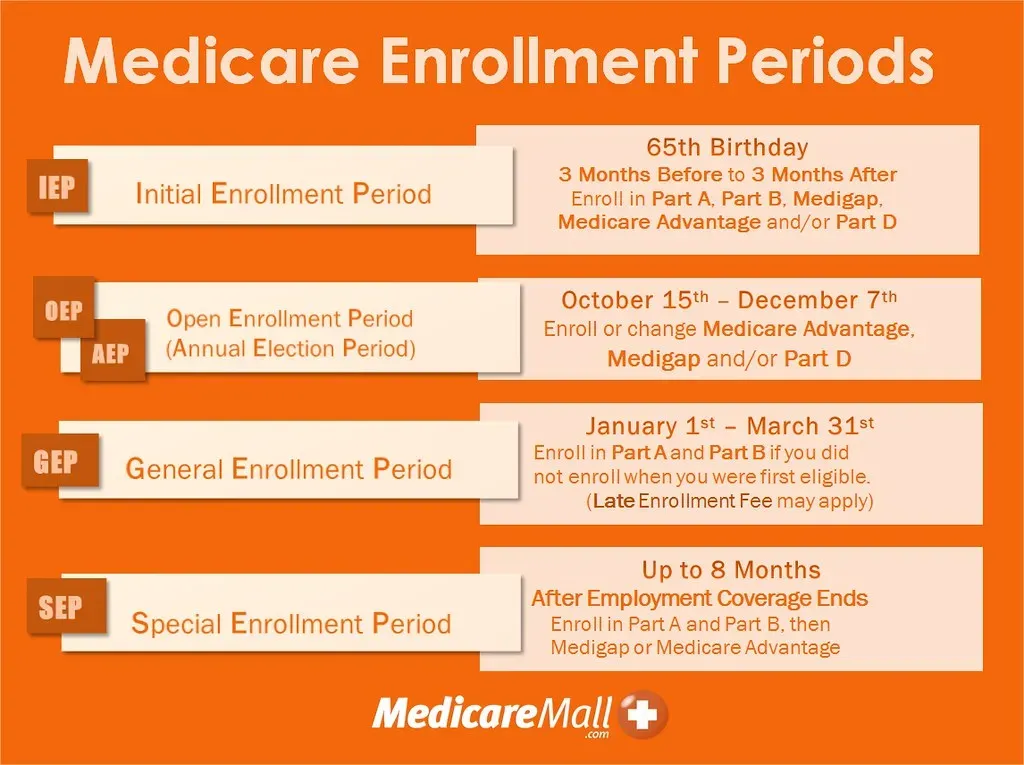
Your Initial Enrollment Period begins three months before the month of your 65th birthday, includes your birthday month, and continues for three months after your birthday month. That’s your best shot at getting enrolled without penalties or delays. Here’s the thing: when you sign up within that window matters for when your coverage actually starts.
The date your coverage starts depends on which month you sign up during your Initial Enrollment Period – coverage always starts on the first of the month, and if you qualify for premium-free Part A, your Part A coverage starts the month you turn 65. If you enroll during the three months before your birthday, coverage begins the month you turn 65. Wait until the month of your birthday or after, and coverage may not start until one to three months later. Timing is everything here.
The Annual Open Enrollment Period

Once you’re already enrolled in Medicare, you get a yearly chance to make changes. Open Enrollment happens from October 15 to December 7 and is the time each year when you can make changes to your coverage – changes you make during Open Enrollment are effective January 1 of next year. This is when you can switch from Original Medicare to Medicare Advantage, change drug plans, or drop coverage you no longer need.
Your plan will send an Annual Notice of Change in the mail each fall before open enrollment starts, outlining any changes to coverage and cost being made to your Medicare plan for the upcoming year. Don’t ignore that letter. Premiums, formularies, and provider networks can shift. What worked last year might not work this year.
Understanding Medicare Costs for 2026
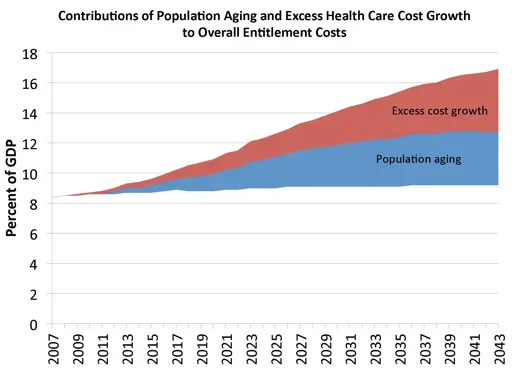
Let’s talk money. The standard monthly Part B premium for 2026 is $202.90. The annual deductible for all Medicare Part B enrollees in 2026 will be $283, an increase of $26 from the 2025 deductible of $257. These numbers creep up every year, and they add up quickly when you factor in coinsurance and other out-of-pocket expenses.
Higher earners pay more. Certain beneficiaries will continue to pay higher premiums based on their modified adjusted gross income – the monthly Part B premium that includes an income-related adjustment for 2026 will range from $284.10 to $689.90, depending on the extent to which an individual beneficiary’s modified adjusted gross income exceeds certain thresholds. If you earned over a certain amount two years ago, expect a surcharge. It’s not always intuitive, especially if your income has dropped since then. You can appeal if circumstances have changed.
How to Avoid Late Enrollment Penalties

This is where people get burned. If you don’t sign up during your Initial Enrollment Period, you may have to pay an extra amount called a late enrollment penalty – these are not a one-time late fee and are usually charged for as long as you have that type of coverage, which for most people is a lifetime penalty. The penalty for Part B is brutal.
You’ll pay an extra 10% for each year you could have signed up for Part B but didn’t – for example, if you waited two full years to sign up for Part B and didn’t qualify for a Special Enrollment Period, you’ll have to pay a 20% late enrollment penalty plus the standard Part B monthly premium ($202.90 in 2026). That’s an extra $40 or more every single month, forever. The penalty for Part D works differently, but it’s also permanent. The Part D late enrollment penalty is calculated by multiplying 1% times the national base beneficiary premium ($38.99 in 2026) times the number of full, uncovered months you didn’t have Medicare drug coverage or other creditable prescription drug coverage.
Special Enrollment Periods and Exceptions

You’re not always locked out if you miss the Initial Enrollment Period. After your first chance to sign up, there are certain situations when you can sign up for Part B and premium-Part A without paying a late enrollment penalty – a Special Enrollment Period is only available for a limited time, and if you don’t sign up during your Special Enrollment Period, you’ll have to wait for the next General Enrollment Period and you might have to pay a monthly late enrollment penalty.
The most common reason? You or your spouse are still working and have employer-based health insurance. If you or your spouse is still working and has healthcare coverage through an employer or other creditable source, you can wait to sign up for Part B or Part D without paying a penalty – once your employer coverage ends, the only way to avoid a penalty is to enroll in Part B during a Special Election Period, an eight-month period that begins when your employer coverage ends or you stop working, whichever comes first. Don’t wait until month nine. Seriously.
The Rise of Medicare Advantage Plans
In 2024, 32.8 million people are enrolled in a Medicare Advantage plan, accounting for more than half, or 54 percent, of the eligible Medicare population. That’s a massive shift. Medicare Advantage plans are offered by private insurers and bundle Parts A, B, and usually D into one plan, often with extra benefits like dental and vision.
The growth in Medicare Advantage enrollment is due to a number of factors, including the availability of plans that charge no premium other than the Part B premium, and extra benefits offered by most Medicare Advantage plans – nearly all Medicare Advantage plans offer some benefits not included in traditional Medicare, such as coverage of dental, vision, or hearing services, often for no additional premium. Sounds great, right? It can be. The catch is provider networks and prior authorization requirements. Make sure your doctors are in-network before you switch.
Prescription Drug Coverage Under Part D

Part D is optional, but skipping it is risky. If you don’t have creditable drug coverage from another source, you’ll face that lifetime penalty we talked about earlier. The 2026 Part D base beneficiary premium is $38.99, a 6% increase from 2025 – annual growth in the base premium is capped at 6% due to a provision in the Inflation Reduction Act. Actual premiums vary by plan.
Here’s where things got better recently. In 2025, the annual Medicare Part D cap is $2,000; in 2026, the annual Medicare Part D cap is $2,100. The cap includes the deductible and any copays or coinsurance that enrollees pay for drugs that are covered by their plan. That’s a game-changer for people on expensive medications. Before 2024, there was no annual cap, and some people paid thousands more.
Recent Changes from the Inflation Reduction Act
The Inflation Reduction Act brought major reforms to Medicare starting in 2023. All insulin products covered by Part D plans now have copays capped at $35 – this also applies to insulin covered by Part B, for use in insulin pumps. If you or someone you know uses insulin, that’s real savings every month.
One of the most highly anticipated IRA improvements took effect in 2025: a $2,000 cap on out-of-pocket costs under Medicare Part D, which is indexed in subsequent years – for 2026, the cap is $2,100. Additionally, vaccines recommended by the ACIP and covered by Part D now have no out-of-pocket costs. These changes aim to make medications more affordable and predictable, especially for people managing chronic conditions. It’s hard to say how much these reforms will ultimately save the average enrollee, but early signs are promising.
Navigating Medicare doesn’t have to be a nightmare if you know the key deadlines and understand your options. Start early, compare plans during Open Enrollment, and don’t ignore those penalty warnings. Did you find this guide helpful? What part of Medicare enrollment still confuses you?