
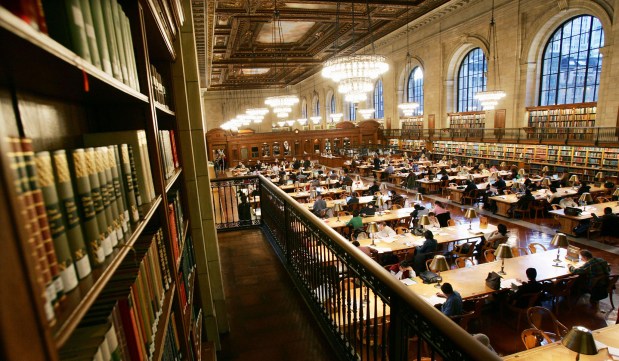
A Fading Vision of Sanctuary (Image Credits: I0.wp.com)
Public libraries face growing scrutiny as ideological currents reshape their role in society.
A Fading Vision of Sanctuary
Communities long viewed libraries as sacred spaces dedicated to open inquiry and shared knowledge. These institutions offered refuge from daily strife, where patrons pursued learning without partisan interference. Architects designed grand reading rooms to inspire awe and focus, symbols of enlightenment accessible to all. Yet pressures from cultural shifts have eroded this foundation.
Efforts to maintain neutrality now clash with demands for activism. Librarians increasingly navigate complaints over collections and programs. What began as quiet curation has evolved into public disputes, drawing libraries into broader societal battles.[1]
Activism Infiltrates the Stacks
Professional associations have led the charge toward engagement. After high-profile events in 2020, the American Library Association embraced advocacy roles, prompting concerns among members about ideological conformity. Whistleblowers described a shift where training emphasized social justice over traditional stewardship.[2]
Librarians reported pressure to align with progressive causes, including displays and events that alienated conservative patrons. State funding tied to certain pledges further complicated matters. Officials in places like Illinois enacted policies requiring libraries to affirm broad access principles, sparking debates over censorship.[3]
Book Challenges Ignite National Debates
Challenges to specific titles have multiplied, often framed differently by each side. Critics targeted materials with explicit content aimed at youth, leading to reviews in schools and public branches. Opponents labeled these actions as bans, while proponents sought balanced selections.
- Over 4,000 titles faced scrutiny in recent years, per association reports.
- Many challenges occurred in districts pursuing age-appropriate guidelines.
- Librarians balanced curation with community standards amid rising tensions.
- Events like story hours drew protests over thematic choices.
- Budget limits forced selections, inherently involving judgment calls.
Such disputes highlight how libraries mirror national polarization. Efforts to remove or relocate books underscore the difficulty of neutrality.[4]
Navigating the New Reality
Institutions attempt reforms to restore trust. Some adopt transparent review processes for contested items. Others diversify programming to appeal across divides. Yet entrenched views persist, with accusations flying from all directions.
| Traditional Role | Modern Challenge |
|---|---|
| Neutral access to information | Curated collections sparking debate |
| Community gathering spot | Venue for ideological events |
| Focus on literacy and research | Incorporation of advocacy displays |
Leaders call for dialogue to preserve core missions. Policymakers weigh interventions, from funding conditions to local oversight.
Key Takeaways
- Libraries grapple with balancing free access and community values.
- Professional shifts have amplified political dimensions.
- Transparent processes offer paths to rebuild consensus.
Libraries stand at a crossroads, where reclaiming apolitical status demands deliberate effort amid unrelenting cultural pressures. What steps should communities take to safeguard these vital resources? Share your thoughts in the comments.