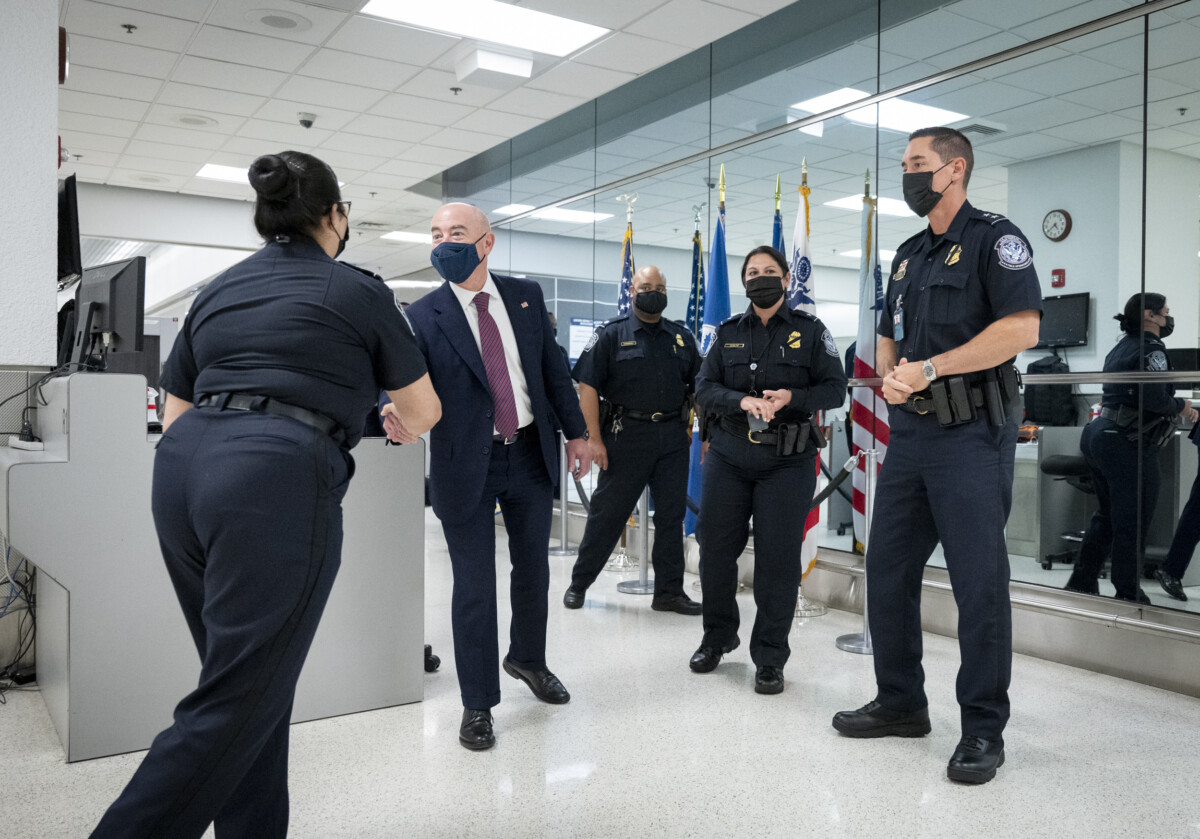
Facing the Familiar Grind Without Compensation (Image Credits: Upload.wikimedia.org)
Airport security officers across the United States prepared for extended periods without paychecks as the Department of Homeland Security entered a funding lapse early Saturday.[1][2]
Facing the Familiar Grind Without Compensation
“Everybody’s really nervous,” said Roberto Echeverria, a lead transportation security officer at Salt Lake City International Airport.[1] His colleagues had anticipated the scenario for weeks, stockpiling overtime hours to build a modest financial buffer.
The Transportation Security Administration’s roughly 60,000 employees found themselves thrust into the spotlight once more. Lawmakers departed Washington without resolving a partisan dispute over immigration enforcement policies, leaving the department unfunded.[1] Nearly 95 percent of TSA staff qualified as essential personnel and reported for duty despite the halt in pay.
This pattern echoed past disruptions, where workforce fatigue at security checkpoints pressured Congress to act. Travelers might not notice immediate changes, but delays could emerge within two weeks as the first full pay period passes unpaid.[1]
Echoes of Last Year’s Prolonged Crisis
Many TSA workers had barely recovered from the previous year’s 43-day shutdown. That episode forced evictions for some families, left others unable to purchase fuel for airport commutes, and strained access to medications or child care.[1]
Compounding the frustration, a promised $10,000 bonus for exemplary service during that period never materialized. Homeland Security Secretary Kristi Noem had announced the incentive, yet it eluded most recipients.[1]
- Evictions due to mounting bills
- Inability to afford commuting gas
- Skipped medications and child care expenses
- Unfulfilled bonus commitments
Airports on Alert for Operational Strain
Screeners continued checking identifications, scanning luggage, and conducting pat-downs amid the uncertainty. The Department of Homeland Security affirmed that essential missions persisted, though employees bore the personal toll.[3]
Historical precedents suggested vulnerabilities. During prior lapses, unpaid shifts led to higher resignation rates and longer lines at major hubs like Houston’s airports.[2] Officials anticipated similar risks if the standoff extended.
| Agency | Employees Affected | Work Status |
|---|---|---|
| TSA | ~60,000 | 95% work without pay |
| Coast Guard | ~40,000+ | Training halts if prolonged |
| FEMA | Varies | Essential operations continue |
Political Standoff Fuels the Delay
The impasse centered on Democratic demands to curb aggressive immigration tactics, including requirements for agents to unmask and secure warrants for certain arrests. Republicans resisted, stalling funding measures.[2]
Over 90 percent of DHS personnel across agencies like ICE and the Secret Service navigated similar constraints in recent disruptions. Morale dipped as living expenses accrued unchecked.
Key Takeaways
- 95% of TSA workers must continue screening without immediate pay.
- Past shutdowns caused evictions, fuel shortages, and health care gaps.
- Traveler delays likely after two weeks of unpaid labor.
TSA employees stood resilient yet weary, their daily vigilance underscoring the human cost of budgetary gridlock. Lawmakers held the key to relief, but timelines remained unclear. How long can essential workers sustain this burden before cracks appear? Share your thoughts in the comments.