
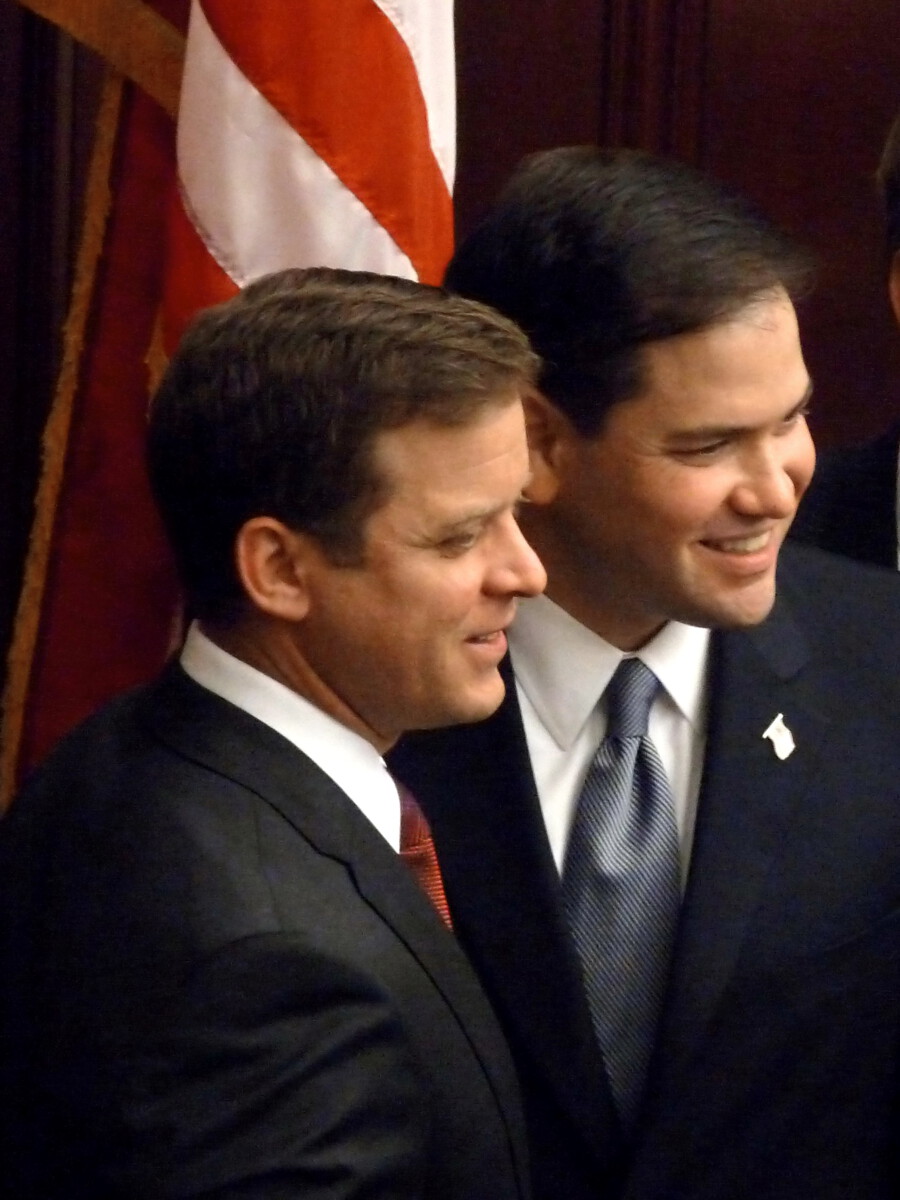
A Softer Tone Draws Applause (Image Credits: Upload.wikimedia.org)
Munich, Germany – U.S. Secretary of State Marco Rubio struck a notably conciliatory note at the Munich Security Conference, urging Europe and America to renew their shared bonds, even as fresh laboratory evidence pointed to Russian culpability in Alexei Navalny’s death.[1][2]
A Softer Tone Draws Applause
Attendees erupted in a standing ovation after Rubio declared America a “child of Europe,” bound by centuries of history, faith, and culture.[2] This marked a departure from Vice President JD Vance’s sharper criticisms at the prior year’s event, where he focused on Europe’s internal challenges.[3] Rubio framed the transatlantic alliance as essential for defending Western civilization against decline.
He recounted the alliance’s triumphs over communism and warned against post-Cold War illusions like a borderless world or unchecked globalization. Under President Trump, Rubio said, the U.S. aimed to lead a restoration, preferably alongside European partners. European leaders expressed relief at the approach. EU Commission President Ursula von der Leyen described the speech as “very much reassuring.”[1]
Critiques Wrapped in Unity
Rubio did not shy from tough assessments of shared missteps. He lambasted deindustrialization, which shipped jobs overseas and left supply chains vulnerable, as well as energy policies driven by what he called a “climate cult” that impoverished citizens while rivals exploited fossil fuels.[2]
Mass migration drew particular scrutiny. Rubio argued it threatened societal cohesion and cultural continuity, insisting border control represented sovereignty, not xenophobia. Yet he stressed partnership: “We are prepared, if necessary, to do this alone… but it is our preference… to do this together with you.”[2] Analysts noted the balance of warmth and firmness aligned with Trump administration priorities without alienating allies.[3]
- Deindustrialization from unfettered trade and subsidies by competitors.
- Outsourcing sovereignty to international bodies.
- Climate policies harming economies.
- Uncontrolled migration eroding national identity.
- Underinvestment in defense amid rivals’ buildups.
Navalny Evidence Shocks the Floor
While Rubio spoke of alliance renewal, a parallel development cast a shadow over Russia. Laboratories confirmed Navalny died from epibatidine, a potent neurotoxin from Ecuadorian dart frogs not native to Russia.[4][5] The UK, France, Germany, Sweden, and Netherlands issued a joint statement asserting only the Russian state possessed the means, motive, and opportunity.
Navalny’s widow, Yulia Navalnaya, attended the conference and reacted swiftly: “Now there is proof: Putin killed Alexei with chemical weapon.”[4] German Foreign Minister Johann Wadephul affirmed: “Alexei Nawalny was poisoned in Russian captivity.”[5] This echoed Navalny’s 2020 Novichok poisoning, underscoring a pattern of Kremlin aggression. Rubio’s address omitted Russia, focusing instead on broader renewal.
Implications for the Alliance
The conference highlighted tensions and opportunities. Rubio envisioned joint ventures in AI, space, and critical minerals to counter rivals. He called for reforming global institutions like the UN, which he said failed on Ukraine, Gaza, and Iran. European responses varied; some saw reassurance, others continuity with past rhetoric.[1]
Germany’s Johann Wadephul labeled Rubio a “true partner,” while others urged self-reliance in defense.[1] The Navalny revelations reinforced calls for resolve against authoritarian threats.
Key Takeaways:
- Rubio emphasized cultural and historical unity to mend transatlantic rifts.
- Criticisms targeted migration and climate policies as existential risks.
- Navalny evidence from five nations bolsters accusations against Russia.
Rubio’s Munich appearance signaled potential for pragmatic cooperation, tempered by hard realities like the Navalny case. As Europe navigates U.S. expectations, the path forward demands reciprocity and strength. What do you think about these developments? Tell us in the comments.