
The Revolutionary Armory Show of 1913
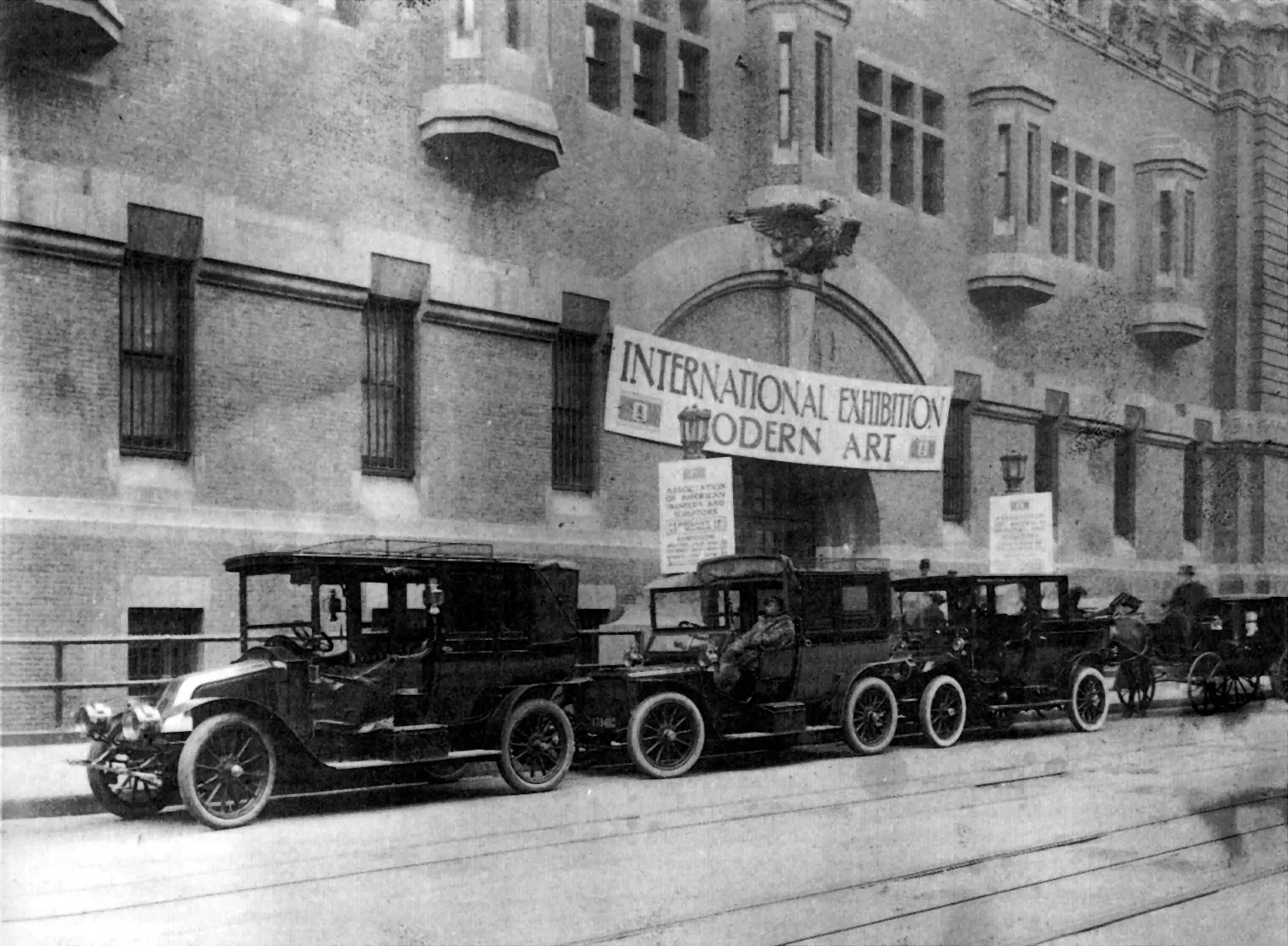
The 1913 Armory Show ran from February 17 to March 15 at the Sixty-ninth Regiment Armory in New York City. What made this exhibition so crucial wasn’t just the art itself, honestly. It was the shockwave it sent through American culture. Nearly 300,000 Americans saw the exhibition as it traveled to New York City, Chicago, and Boston. Before this moment, American art audiences expected realism in their galleries, pastoral landscapes that felt comfortable.
The exhibition introduced Americans, who were accustomed to realistic art, to experimental styles of the European avant garde, including Fauvism and Cubism. Marcel Duchamp’s Nude Descending a Staircase became a lightning rod for public outrage and fascination. Artist Stuart Davis called the Armory Show the greatest single influence he experienced in his work. Still, American painting remained dominated by realists for roughly three decades after.
Government Support Through the Great Depression
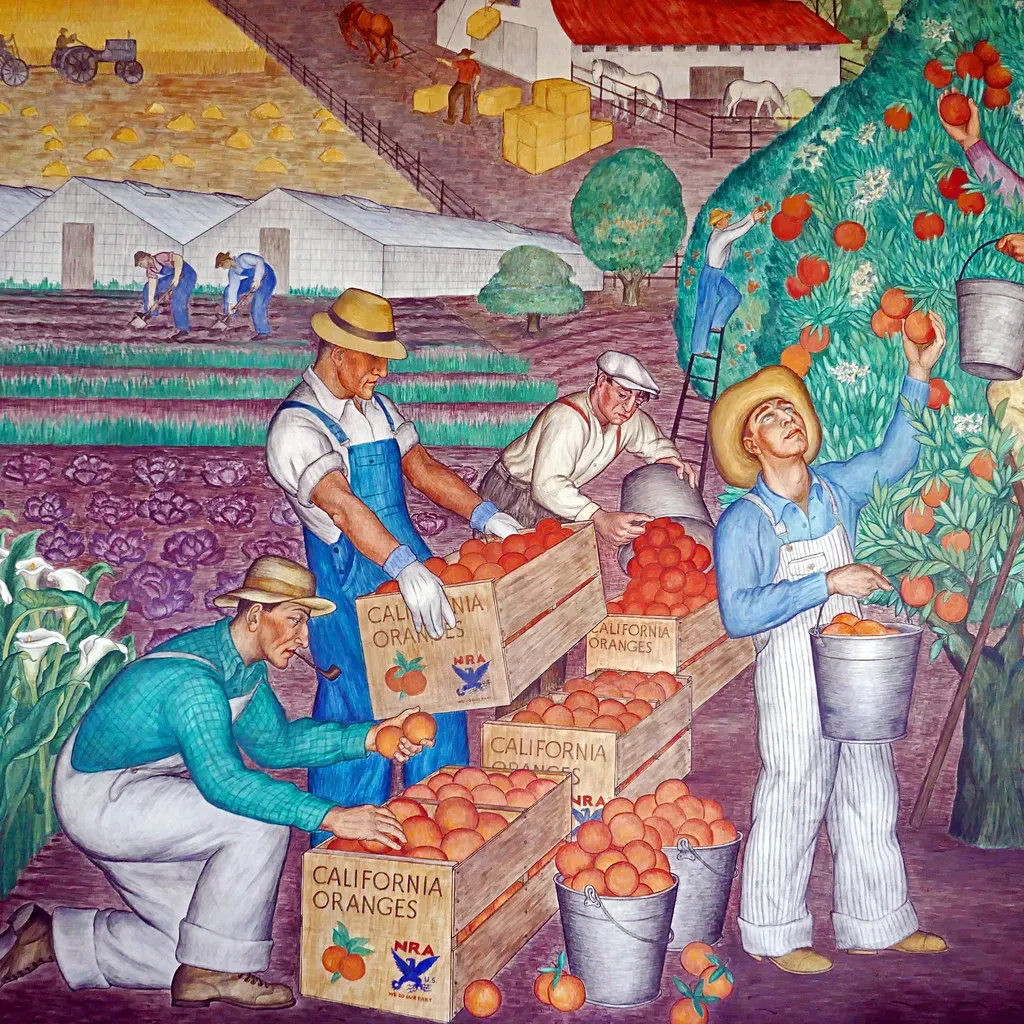
The WPA Federal Art Project employed more than 5,000 artists at its peak in 1936 and produced 2,566 murals, more than 100,000 easel paintings, about 17,700 sculptures, and nearly 300,000 fine prints. Let’s be real, this wasn’t just about employing struggling artists. The Federal Art Project ran from 1935 to 1943 under national director Holger Cahill as one of five Federal Project Number One projects sponsored by the Works Progress Administration.
Think about the timing here. America was broken economically, and President Roosevelt decided artists deserved work too. The project supported iconic artists like Jackson Pollock before their work could earn them income. These weren’t charity handouts. Artists created public murals in schools, libraries, and hospitals across all states, fundamentally reshaping how everyday Americans encountered art in their communities.
The Cultural Explosion of the Harlem Renaissance
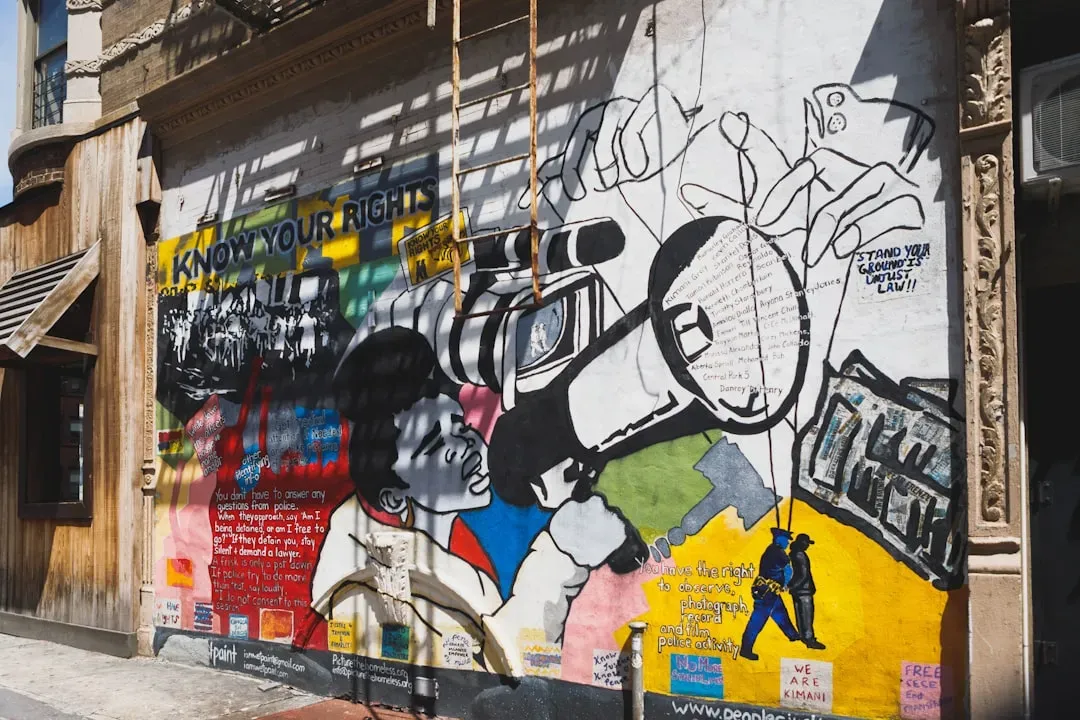
Aaron Douglas is known as the “father of African American art” and defined a modern visual language that represented black Americans in a new light. The Harlem Renaissance wasn’t just a literary movement, though that’s how it was initially viewed. Douglas began his artistic career as a landscape painter but was influenced by modern art movements such as cubism, and he and other artists also looked toward West Africa for inspiration, viewing stylized masks and sculpture from Benin, Congo, and Senegal as a link to their African heritage.
Jacob Lawrence emerged from the Harlem Community Art Center and devoted much of his early work to depicting African-American history through narrative paintings on small panels, culminating in his 1940-41 series entitled The Migration of the Negro with 60 panels chronicling the Great Migration. His angular, bold style drew consciously on African visual sources rather than simply mimicking European modernism. Lawrence encountered Aaron Douglas’s four-panel mural Aspects of Negro Life at the 135th Street Branch of the New York Public Library, which inspired Lawrence to become a contemporary African-American storyteller.
Abstract Expressionism Takes Center Stage
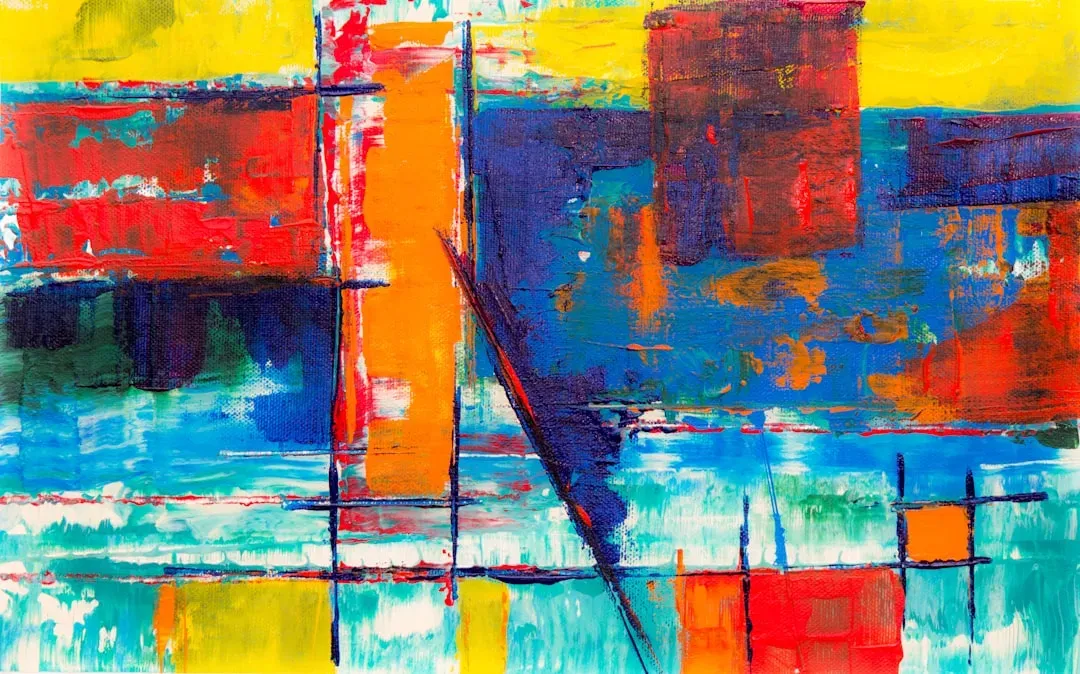
Here’s the thing about Abstract Expressionism. A new vanguard emerged in the early 1940s, primarily in New York, where a small group of loosely affiliated artists created a stylistically diverse body of work that introduced radical new directions in art, though they were never a formal association. The term was first applied to American art in 1946 by art critic Robert Coates. This wasn’t just another art movement. It was America’s first truly original contribution to the international art scene.
Jackson Pollock developed his signature drip technique in 1947. Imagine that moment – an artist literally walking around canvases laid on the floor, flinging paint. The first generation of Abstract Expressionism flourished between 1943 and the mid-1950s, effectively shifting the art world’s focus from Europe, specifically Paris, to New York in the postwar years. The movement wasn’t about pretty pictures. Gottlieb and Rothko wrote in 1943 that art is an adventure into an unknown world of imagination violently opposed to common sense, asserting that the subject is critical.
Two Approaches Within Abstract Expressionism
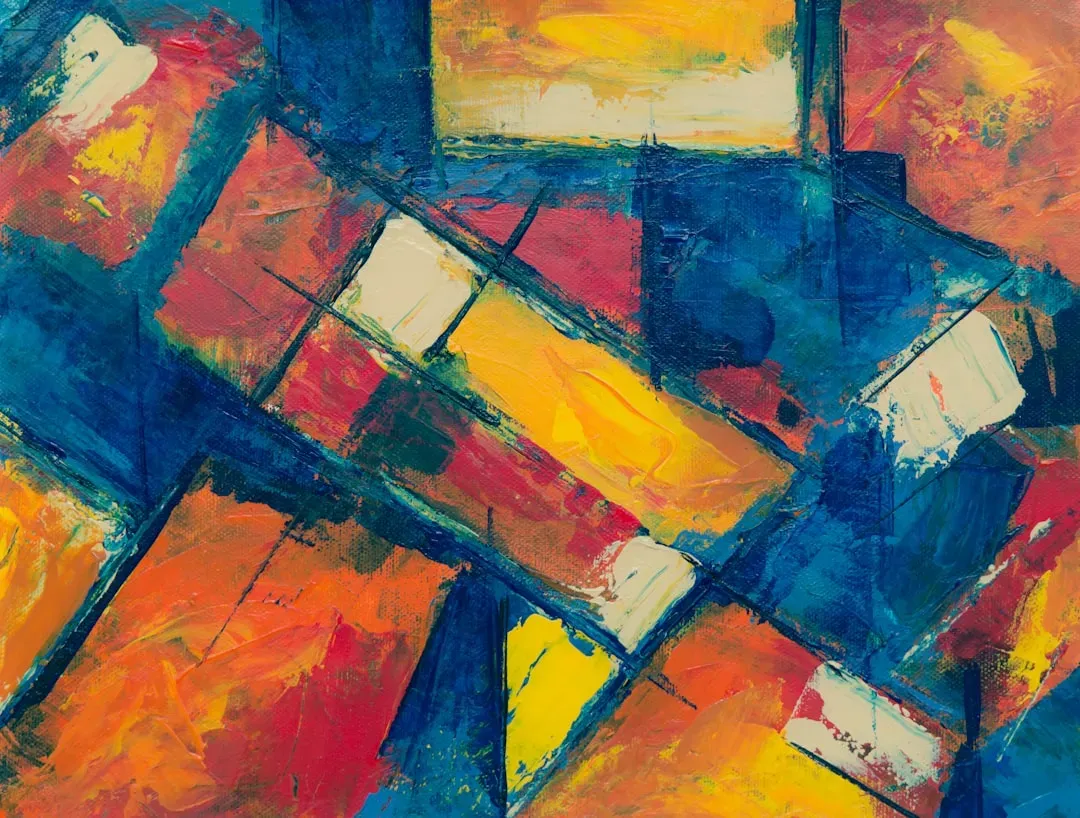
The movement split into two distinct camps, really. Action Painting showed energetic and gestural brushstrokes of artists like Franz Kline or the flung paint of Pollock, while Color Field painting featured simplified, open areas of color favored by Barnett Newman and Mark Rothko. It’s hard to say for sure, but these differences might have been more about temperament than ideology.
Mark Rothko’s technique departed from Pollock’s actions, and his style became known as colorfield painting. Rothko said he painted big to be intimate, aiming for the personal rather than the grandiose. Stand in front of a massive Rothko canvas and you’ll feel what he meant. The color fields seem to vibrate and pulse, demanding your emotional response without depicting anything recognizable.
The Museum That Changed Everything
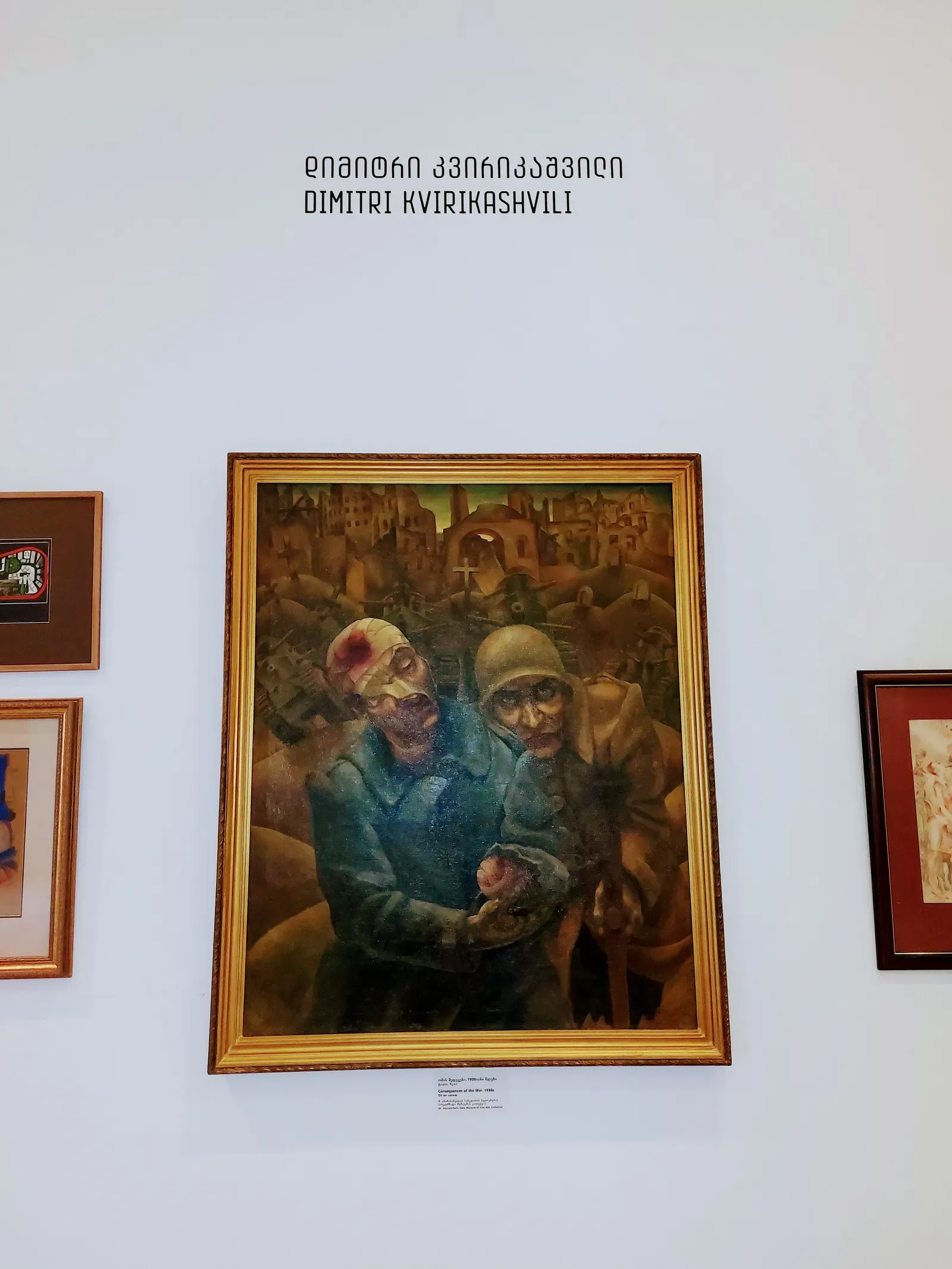
Founded in 1929, the Museum of Modern Art arrived at precisely the right moment. The powerful impact of the Armory Show on American collectors would contribute to the founding of New York’s modern art museums, including MoMA and the Whitney Museum. These institutions didn’t just display art passively. They actively shaped public taste and understanding, creating a framework for how Americans would encounter modernism.
MoMA’s early curators made bold choices, championing artists who puzzled or even offended traditional audiences. The museum became a kind of educational engine, teaching Americans that art didn’t need to be beautiful or realistic to be valuable. Through traveling exhibitions and publications, MoMA’s influence extended far beyond Manhattan, reaching communities across the nation.
Pop Art Challenges High Culture

The classic New York Pop Art of Roy Lichtenstein, Claes Oldenburg, James Rosenquist, and Andy Warhol emerged in the 1960s in the footsteps of the Neo-Dadaists. Something fascinating happened here. Lichtenstein gained renown as a leading Pop artist for paintings sourced from popular comics, and his work, along with Andy Warhol’s, heralded the beginning of Pop Art and essentially the end of Abstract Expressionism as the dominant style.
In 1962, Warhol began to transition from hand-painted to photo-transferred art, and by 1968-1969 he used silkscreen printing to create series of prints that looked the same and were the same, effectively removing the presence of the artist’s hand from creation. Critics didn’t know what to make of this at first. Was Warhol celebrating consumer culture or mocking it? The ambiguity was entirely intentional.
Mass Media Becomes Fine Art
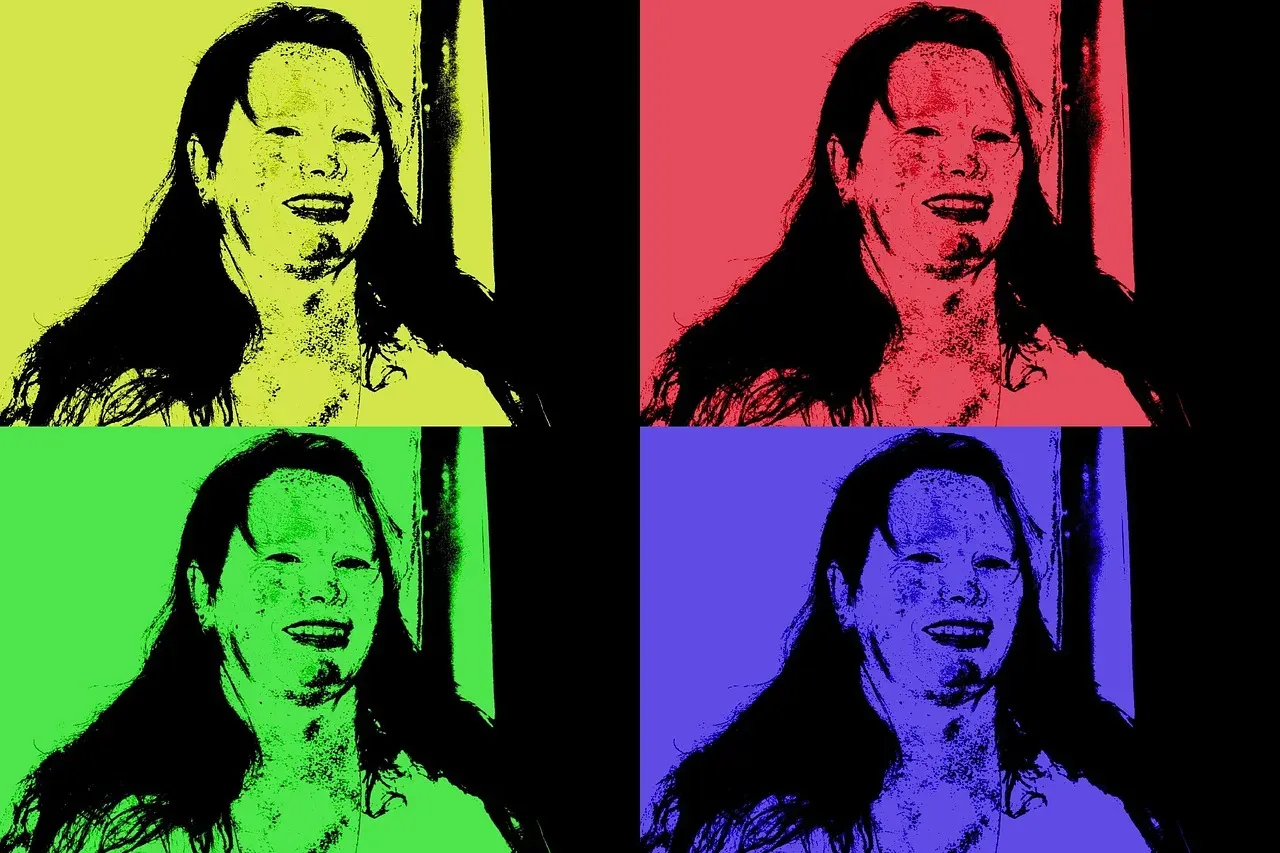
Roy Lichtenstein brought the aesthetic of mass-produced images to the forefront of the art world, and with his signature use of Ben-Day dots and thick black outlines, his works often resembled enlarged panels from comic strips depicting melodramatic scenes and dialogue bubbles. Campbell’s soup cans and comic book panels suddenly hung in galleries beside Abstract Expressionist masterpieces. The contrast couldn’t have been starker.
Warhol’s work wasn’t celebrated for form or compositional style but for co-opting universally recognizable imagery and depicting it as a mass-produced item within a fine art context, providing commentary on how people perceive these things in modern times as commodities. This was provocative stuff. Art world purists were horrified, yet collectors couldn’t get enough.
New York Replaces Paris as Art Capital
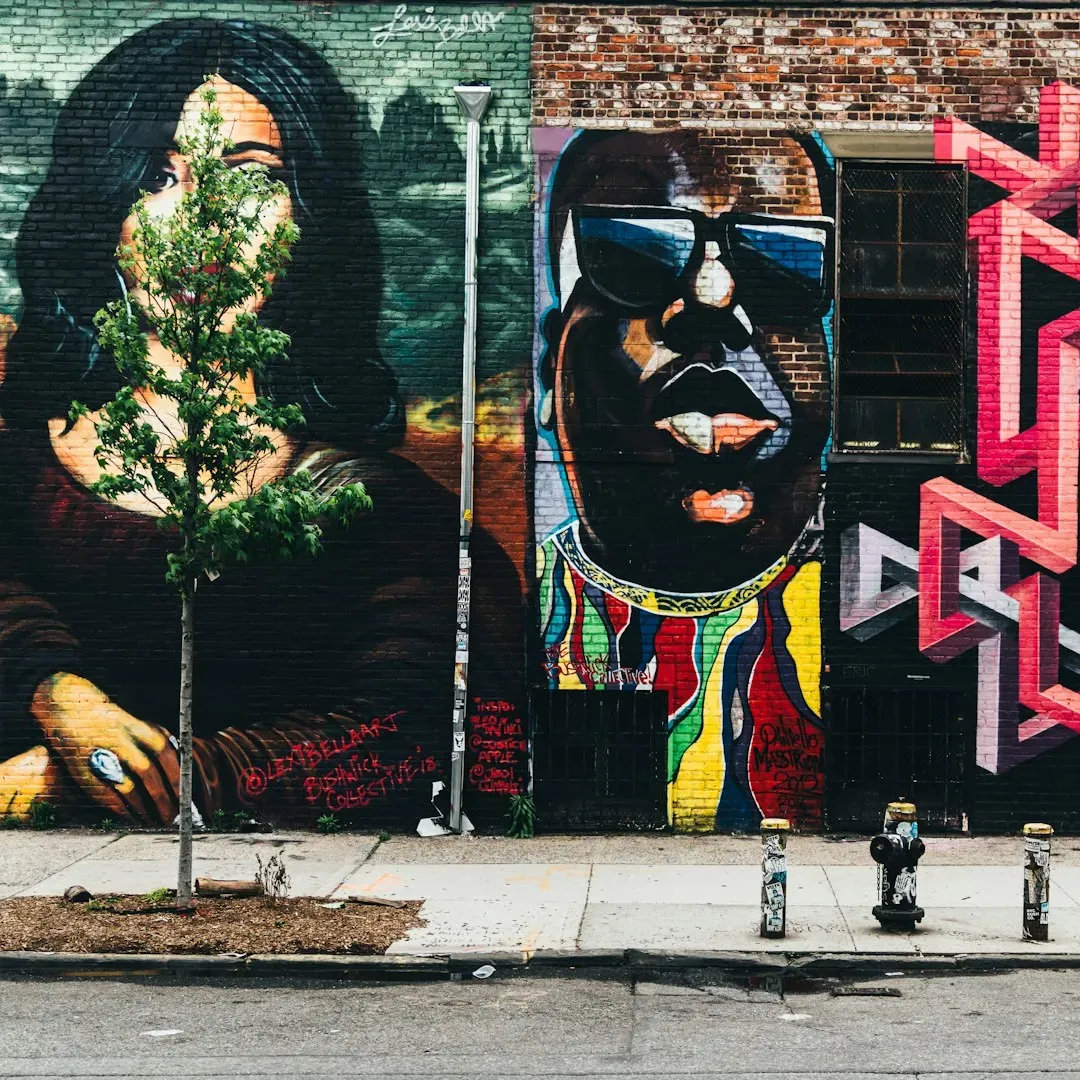
The shift happened gradually, then suddenly. After the 1913 Armory Show, Modernism established itself within artistic traditions of the United States, and New York City became a locus for exhibition and sale of modern art during and after World War II. Multiple factors converged to create this transformation – American economic dominance after the war, European artists fleeing fascism, and genuinely innovative American movements.
Gallery owners like Leo Castelli and Peggy Guggenheim created infrastructure for buying, selling, and exhibiting contemporary art. Wealthy American collectors began purchasing modern works with enthusiasm that rivaled European patrons. By the late 1940s, the question wasn’t whether New York would overtake Paris, honestly. It was how quickly the transition would complete itself. The art market followed the artists, and the artists increasingly chose New York as their creative home.
Where to Experience Today
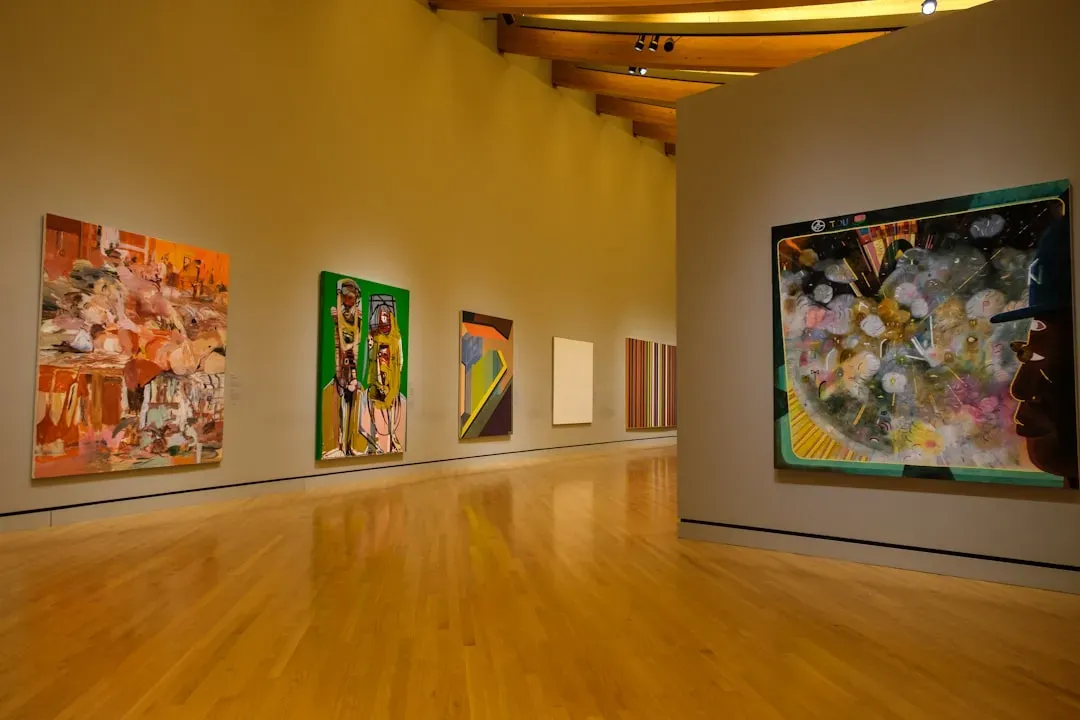
Several major institutions preserve and display this rich artistic heritage. MoMA holds an extraordinary collection spanning from early modernism through Pop Art and beyond. The Whitney Museum focuses specifically on American art from the twentieth and twenty-first centuries. The Smithsonian American Art Museum offers comprehensive coverage of American creativity across multiple generations and movements.
These museums collectively house hundreds of thousands of works, making accessible to millions of visitors annually. Regional museums have also built impressive collections, bringing Abstract Expressionist canvases and Pop Art prints to communities far from coastal art centers. You don’t need to travel to New York to experience masterpieces anymore. Major works tour regularly, and digital collections make high-resolution images available worldwide, democratizing access in ways early modern artists could scarcely have imagined.
transformed not just how Americans create, but how we see the world around us. From the shocking European modernism displayed at the 1913 Armory Show through government support during the Depression, from the cultural flowering of the Harlem Renaissance to Abstract Expressionism’s emotional intensity and Pop Art’s embrace of mass culture, these movements built upon each other in surprising ways. They challenged assumptions, sparked debates, and ultimately reshaped global art. The legacy continues evolving in galleries, museums, and studios across the nation. What aspects of this artistic revolution resonate most with you?