A Century-Old Tradition Faces Modern Pressure (Image Credits: Upload.wikimedia.org)
Milan-Cortina, Italy – As the 2026 Winter Olympics unfolded, Nordic combined stood out as the sole discipline barring women from competition, placing the sport’s entire future under intense scrutiny.[1]
A Century-Old Tradition Faces Modern Pressure
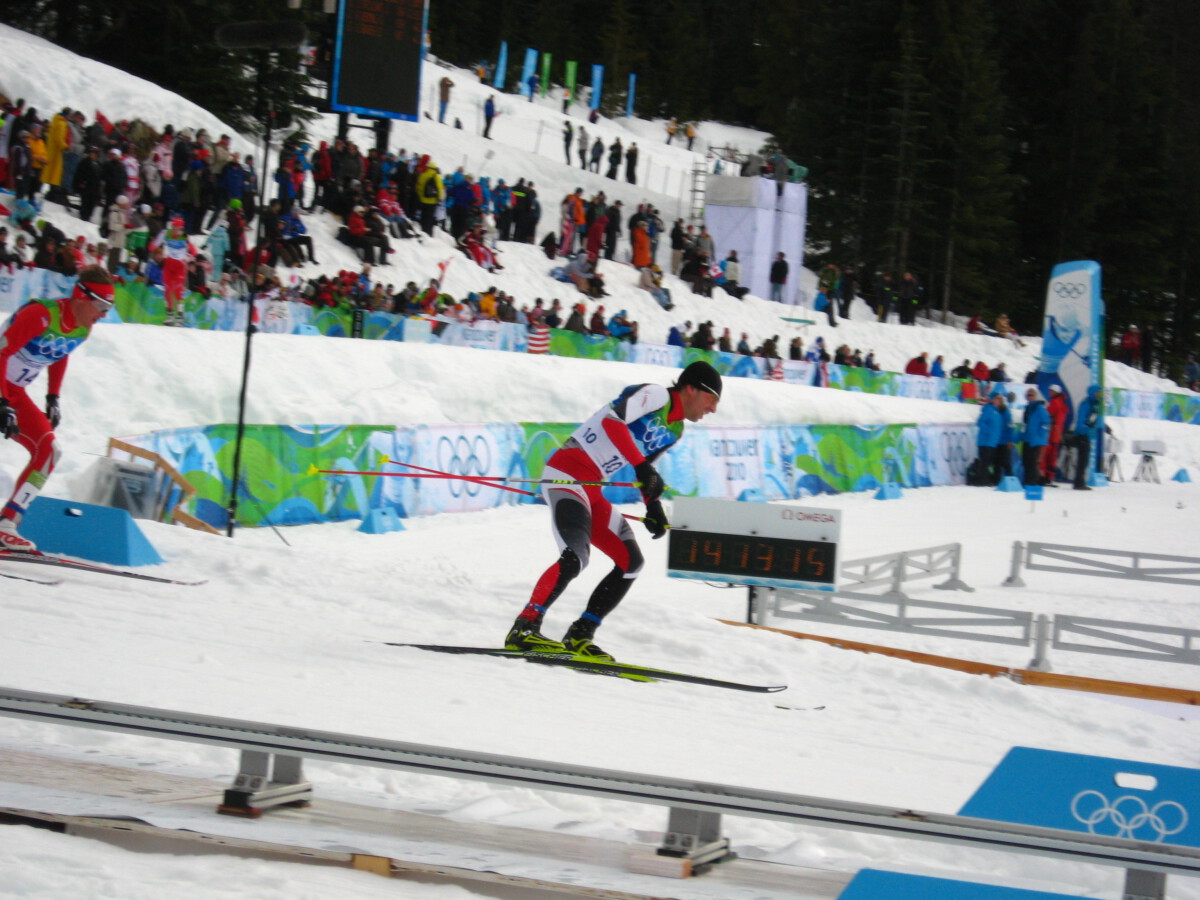
Nordic combined debuted as a men’s event at the inaugural Winter Olympics in 1924, blending ski jumping with a grueling 10-kilometer cross-country race.[1] For over 100 years, men pursued Olympic glory in the sport, while women waited decades for basic opportunities. Women’s events finally emerged in the FIS Nordic Combined World Cup in 2020 and world championships the following year. The International Olympic Committee rejected bids for female inclusion in both the 2022 Beijing and current 2026 Games, pointing to insufficient global participation and dismal viewership figures.
IOC data revealed that medals in the discipline came from just four nations across the last three Winter Olympics, coupled with the lowest audience numbers among all events.[1] Officials reduced male athlete quotas from 55 spots in prior Games to 36 here, signaling broader concerns about the sport’s viability. Yet advocates argued the discipline’s efficiency – no new venues required, same equipment as ski jumping and cross-country – made it ideal for gender parity.
Elite Athletes Fuel the Advocacy Fire
U.S. skier Annika Malacinski, currently ranked 10th worldwide, captured global attention with a raw social media video documenting her devastation over the 2026 exclusion.[1] She trained in Norway alongside her brother Niklas, yet found herself sidelined from the Olympic Village. “We work just as hard, sacrifice just as much,” Malacinski stated, emphasizing the singular barrier of gender. Tara Geraghty-Moats, who claimed the first women’s World Cup title, likened the sport’s demands to assembling a NASA space shuttle for its mastery of dual disciplines.
- Annika Malacinski (U.S.): Vocal leader, attended Games to support family.
- Tara Geraghty-Moats (U.S.): Inaugural World Cup champion, highlights marketability challenges.
- Ida Marie Hagen (Norway) and Alexa Brabec (U.S.): Shared a historic World Cup podium in Seefeld, Austria, on February 1, 2026.
- Nathalie Armbruster (Germany): Competed prominently in recent World Cup races.
Male counterparts voiced solidarity, with cross-country skier Zak Ketterson questioning the IOC’s priorities at a press conference. FIS race director Lasse Ottesen hailed the women’s rapid progress, insisting the sport remained sustainable and essential for youth development.
Signs of Momentum Amid Looming Risks
Participation swelled to about 200 women from two dozen countries, per FIS reports from 2023 and 2024.[1] A Nielsen Sports survey documented a 25 percent surge in viewership for women’s World Cup events during the 2024-2025 season. Youth programs flourished, including spots in the Youth Winter Olympics since 2020. U.S. Senators Michael Bennet and John Hickenlooper penned a letter to the IOC on February 16, 2026, urging expansion over elimination. Tens of thousands backed an online petition echoing the call.
| Factor | Men’s Status | Women’s Push |
|---|---|---|
| Quotas (2026) | 36 athletes | 0 |
| Viewership Trend | Low baseline | +25% in World Cup |
| Countries Competing | Limited to 4 for medals | 24 nations |
Still, the stakes escalated: post-2026 evaluation could axe Nordic combined entirely for 2030, pitting inclusion against obsolescence. Remaining men’s medal races on Tuesday and Thursday drew focus, as broadcasters and digital metrics would sway the June IOC decision.
Broader Quest for Equality
Athletes framed their campaign not merely as sport-specific but as a stand against Olympic gender discrimination. Malacinski declared her advocacy ensured future generations knew their dreams held value. Geraghty-Moats revealed agents’ blunt assessments: Olympic status could unlock million-dollar careers. Ottesen pondered the void for young talents without the ultimate stage.
- Nordic combined risks total Olympic removal unless viewership rises.
- Women’s field grew rapidly, but IOC demands global appeal.
- 2026 men’s events serve as pivotal proof-of-concept.
The Milan-Cortina Games underscored a pivotal moment for Nordic combined, where women’s perseverance and men’s support converged to challenge entrenched norms. As decisions loomed, the sport’s survival – and equity – hung in the balance of audience engagement. What steps should the IOC take next? Share your thoughts in the comments.