
There’s no denying we love our comfort foods in America. Mac and cheese, fried chicken, pizza loaded with toppings – these dishes feel like home. They’re tied to memories, traditions, and honestly, they just taste good. Yet something’s been shifting behind the scenes in grocery aisles and restaurant kitchens across the country over the past few years.
Brands are quietly tweaking recipes. Restaurants are rethinking menus. The comfort foods we grew up with are changing – not always in obvious ways, but in ways that matter for our health. Whether it’s reducing salt, cutting sugar, or swapping out ingredients entirely, the transformation is real. The question is, are these changes for the better, or just clever marketing?
The Comfort Food Industry Is Booming – And So Is the Push for Healthier Versions

Let’s be real: Americans aren’t giving up their favorite foods. The global healthy foods market was estimated at roughly six hundred fifty-three billion dollars in 2023 and is projected to reach over one trillion dollars by 2030, showing massive consumer appetite for better-for-you options. This isn’t a niche trend anymore.
The health and wellness food market expanded from over nine hundred billion dollars in 2024 to nearly one trillion dollars in 2025 and is projected to reach one point seven trillion dollars by 2032. That’s enormous growth, and it includes reformulated versions of foods we already love. Industry giants are investing billions in research and development to make comfort foods healthier without losing that familiar taste.
It’s hard to ignore the sheer scale of this transformation. Major food corporations are dedicating entire divisions to healthier product lines, and the money flowing into this space suggests they believe consumers are ready for change.
More Than Half of Americans Are Actively Trying to Eat Healthier
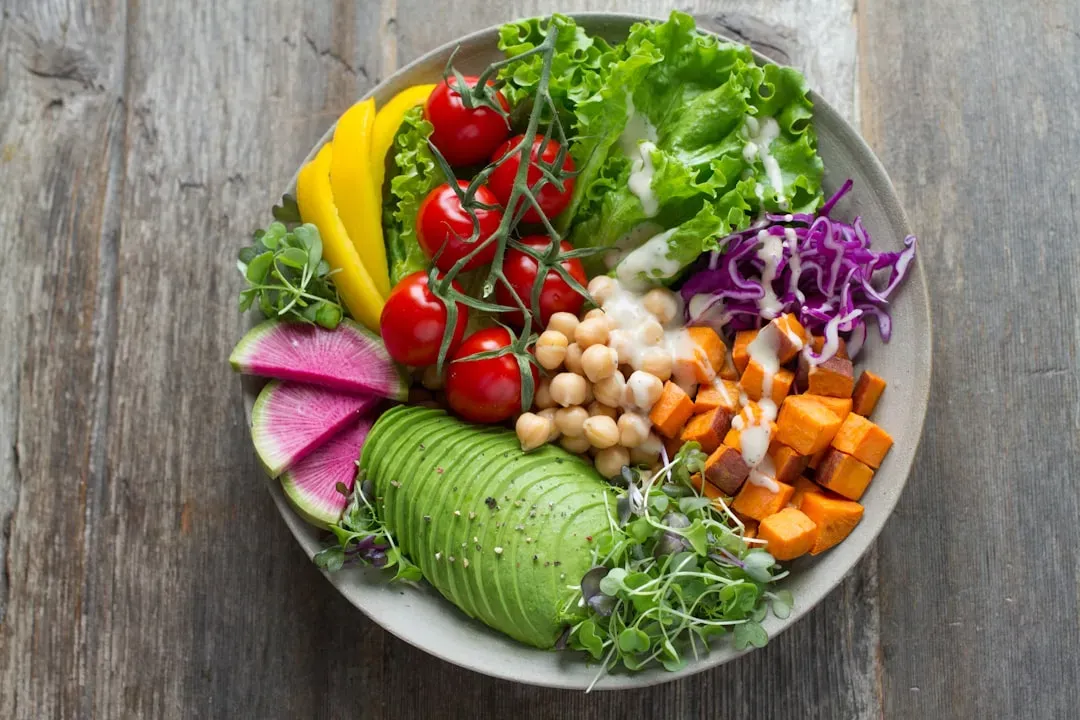
Here’s the thing about health trends: they only stick when people actually care. Over half of Americans report following a specific eating pattern or diet in the past year, with high-protein and mindful eating being the most popular. That’s a significant shift in consumer mentality, and it’s not just about losing weight anymore.
The primary motivation for following a diet is shifting from weight loss to overall wellbeing and energy levels. People want to feel better day to day, not just look better in photos. This mindset change is driving food manufacturers to respond with products that align with these goals. When roughly half the population is consciously thinking about nutrition, it’s no longer a fringe concern – it’s mainstream.
Stress levels among Americans have risen significantly, with around sixty-four percent reporting feeling stressed, up from sixty percent in 2023, primarily due to financial concerns. Interestingly, stress is linked with dietary choices. The need for convenient, nutritious options has never been more pressing.
Plant-Based Alternatives Are Holding Steady Despite Headlines
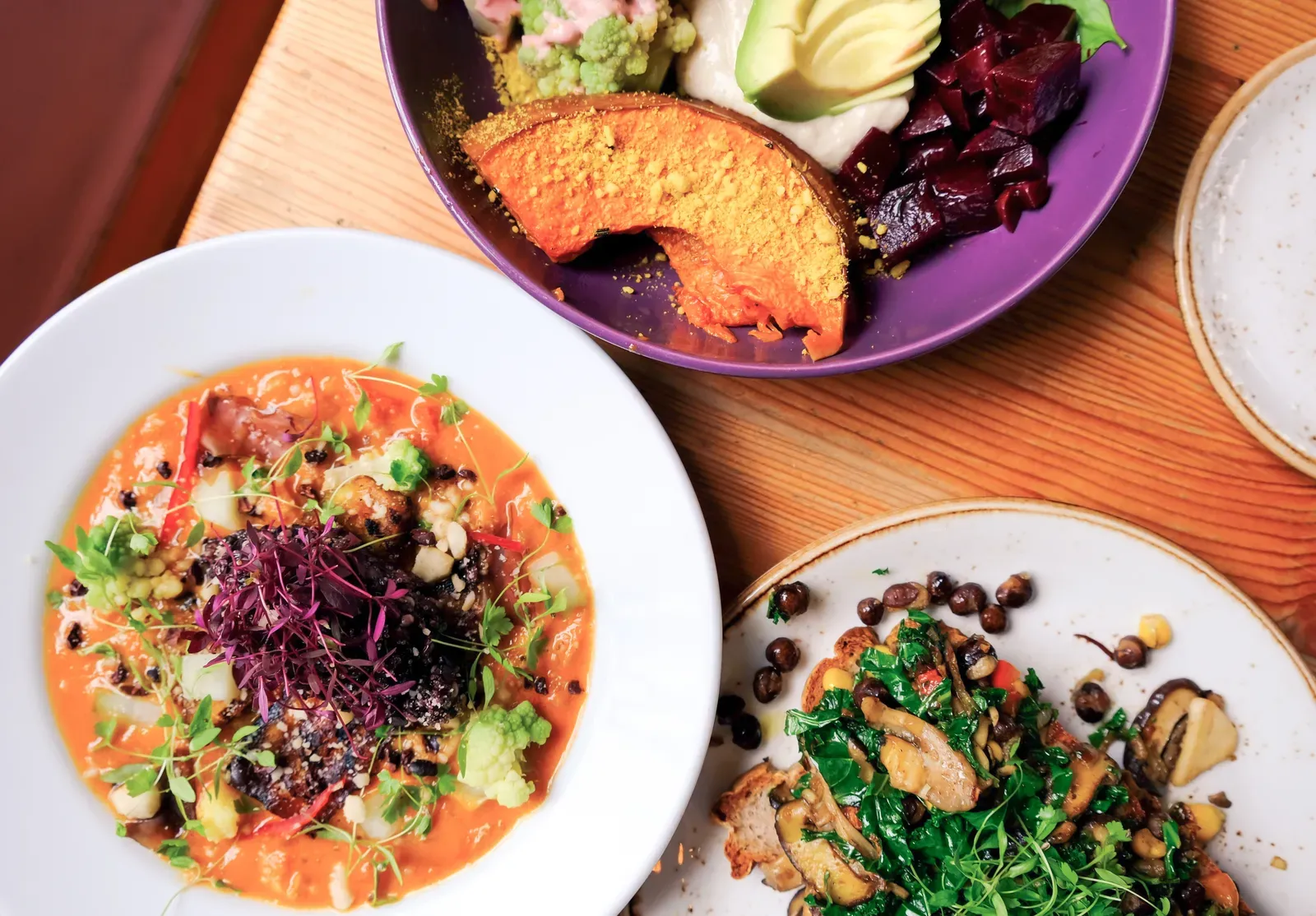
You’ve probably heard that plant-based meat sales are slowing down in the United States. That’s true in some categories. U.S. retail sales of plant-based meat, seafood, milk, yogurt, ice cream, and cheese totaled roughly eight billion dollars in 2024, doubling values from 2017. It’s not exactly a collapse.
The U.S. plant-based food sector maintained approximately eight point one billion dollars in retail sales over the past three years, despite inflation and supply chain challenges, and the market now spans more than twenty product categories, up from six in 2018. That diversification is key. It’s no longer just about fake burgers – it’s protein powders, baked goods, dairy alternatives, and snacks.
Several retail categories experienced growth in 2024, such as plant-based protein powders and liquids up by eleven percent in dollars, baked goods up by thirteen percent in both dollars and units, and tofu and tempeh up by seven percent in dollars. People are leaning toward whole-food plant options and moving away from highly processed substitutes. The category is evolving, not dying.
The FDA Just Redefined What “Healthy” Actually Means
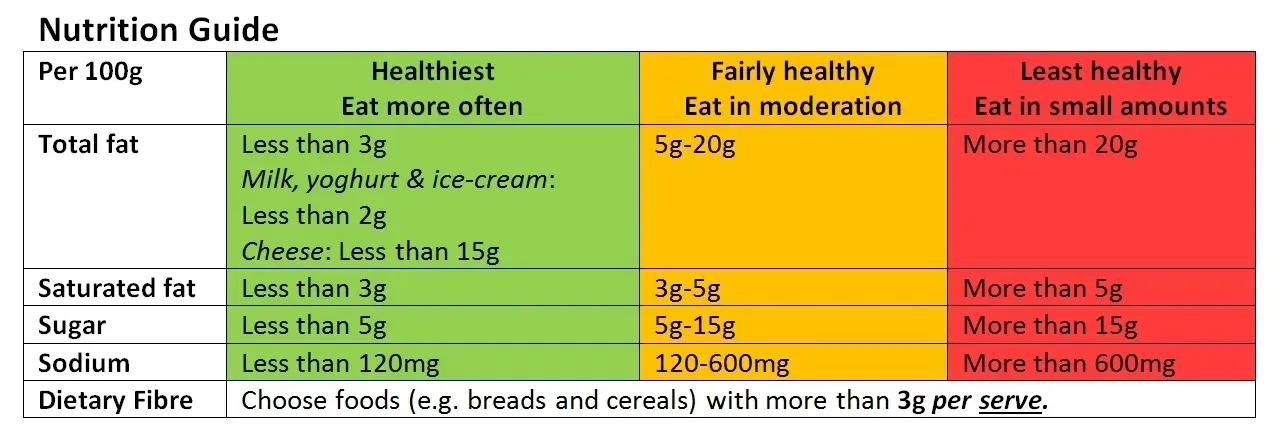
This one’s a big deal. The U.S. Food and Drug Administration released a final rule in December 2024 providing new criteria for when foods may be labeled with the nutrient content claim “healthy”. This rule hasn’t been updated since the mid-nineties, so it was long overdue.
The final rule removes limitations for total fat and cholesterol and adds a limitation for added sugar, reflecting advances in nutrition science and changes in the Dietary Guidelines. Foods like salmon and nuts, which were previously excluded because of their fat content, can now be labeled as healthy. Meanwhile, sugary cereals that once qualified are being left behind.
The compliance date for this final rule is February 25, 2028. That gives food companies a few years to adjust their labeling and reformulate products to meet the new standards. Expect to see more “healthy” labels popping up on items you might not have expected.
Sodium Reduction Is Finally Getting Serious Attention

Salt makes food taste great, but Americans consume way too much of it. Average sodium intake in the United States is currently almost fifty percent more than the recommended limit, with prior consumption around thirty-four hundred milligrams per day on average, far higher than the limit recommended by the Dietary Guidelines of twenty-three hundred milligrams per day. That’s a massive gap.
In August 2024, the FDA issued draft guidance containing new voluntary targets for sodium reduction in foods, building on October 2021 final guidance which established short-term voluntary targets, and proposes new three-year sodium reduction targets for sixteen overarching food categories and one hundred sixty-three subcategories. The targets are voluntary, but public pressure and health advocates are pushing companies to comply.
If finalized, the new set of voluntary targets would support reducing average individual sodium intake to about twenty-seven hundred fifty milligrams per day, a reduction of approximately twenty percent lower than consumer intake levels prior to 2021. Soups, frozen meals, deli meats, and restaurant dishes are all being targeted for reformulation. This is gradual change, but it’s happening.
Whole Grains Are Making a Comeback in Comfort Foods

Whole grains used to be the domain of health food stores and granola enthusiasts. Not anymore. More products are swapping out refined white flour for whole grain alternatives, including breads, pastas, and even pizza crusts. The increase has been modest but steady over the past few years.
Consumers are noticing the difference – or rather, not noticing. Food scientists have gotten much better at incorporating whole grains without sacrificing texture or flavor. You can now find whole grain buns at fast food chains and whole wheat pasta at mainstream restaurants. It’s becoming the norm instead of the exception.
The health benefits are clear: more fiber, better blood sugar control, and improved digestion. Yet the real win is that people aren’t being asked to give up their favorite foods. They’re just getting slightly better versions.
Reformulating Recipes Without Losing Flavor Is the Holy Grail

The biggest challenge food companies face is making healthier versions that people actually want to eat. Research published in recent nutrition journals shows that reformulating recipes to reduce saturated fat and added sugar can significantly improve diet quality scores without reducing consumer satisfaction. That’s the sweet spot everyone’s chasing.
Companies are investing in better ingredients, new cooking techniques, and flavor science to bridge the gap. Reducing sugar doesn’t have to mean bland food – it can mean using natural sweeteners, enhancing other flavors, or adjusting textures. Reducing fat doesn’t have to mean dry, tasteless products – it can mean smarter formulations with better ingredient quality.
This is where the rubber meets the road. If healthier comfort foods taste like cardboard, people won’t buy them. Yet if they taste just as good – or better – then the transformation sticks. The industry is getting closer to that goal every year.
Major Restaurant Chains Are Quietly Changing Their Menus

Walk into a major chain restaurant today and you might not immediately notice the changes. Many major restaurant chains have introduced menu items with fewer calories or cleaner ingredients since 2023, reflecting a shift toward better-for-you comfort foods. It’s not always front and center, but it’s there.
Some chains are adding calorie counts to menus, making it easier for customers to make informed choices. Others are offering smaller portion sizes or sides with more vegetables. A few are experimenting with plant-based proteins or reducing sodium in signature dishes. These changes are often subtle, designed not to alienate loyal customers while attracting health-conscious diners.
The motivation is partly regulatory pressure, partly consumer demand, and partly brand reputation. Restaurants don’t want to be seen as contributing to the obesity epidemic, so they’re making adjustments. Whether these changes are meaningful or just window dressing depends on the specifics, yet the trend is undeniable.
Clean Label Foods Are What Shoppers Want Most
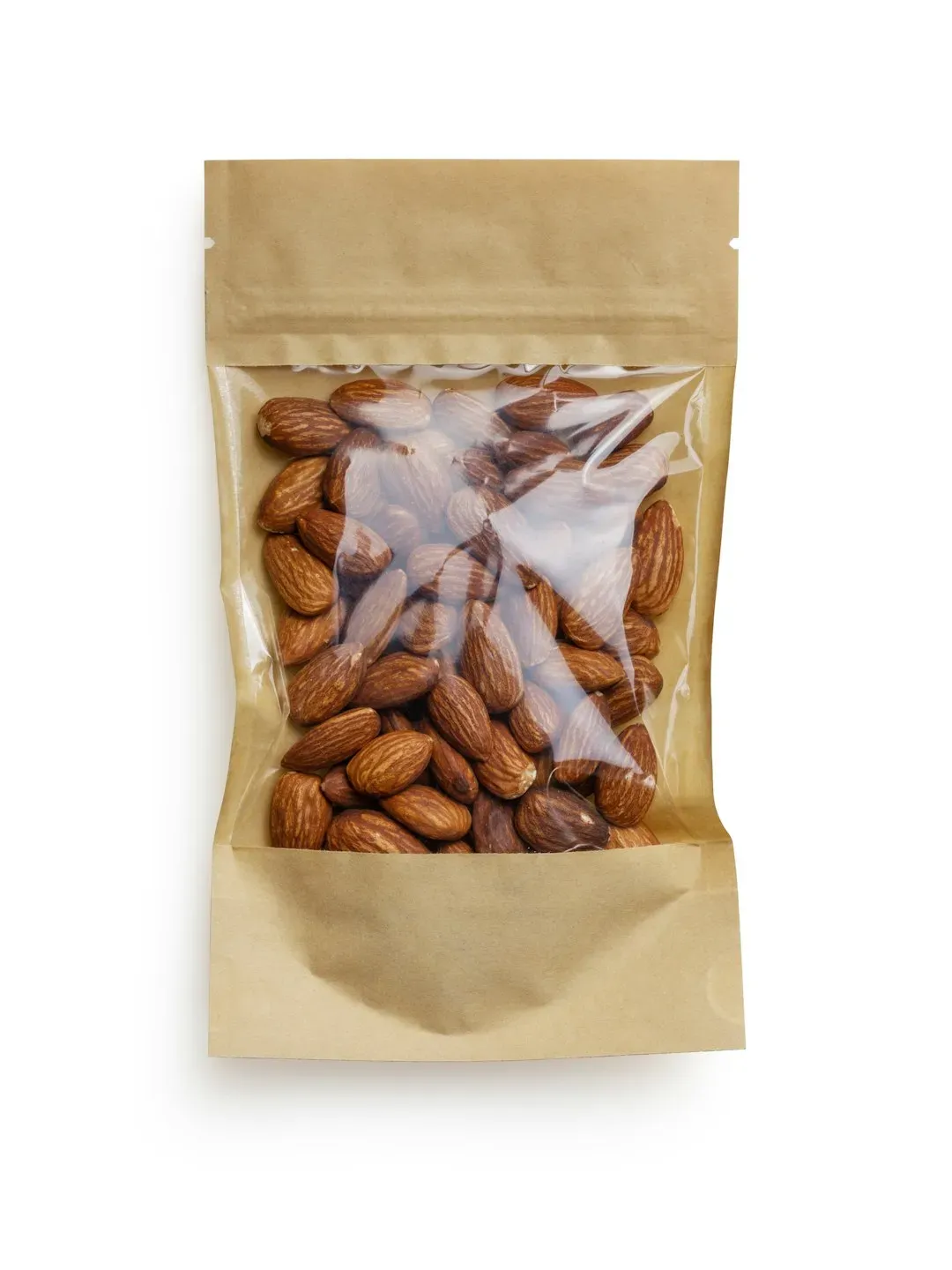
Flip over a package of food and check the ingredient list. If it reads like a chemistry experiment, you’re likely to put it back on the shelf. Consumer interest in clean label foods – products with fewer artificial additives – remains high, with surveys showing most shoppers check ingredient lists before purchasing.
A significant seventy-nine percent of consumers consider whether a food is processed before purchasing, and sixty-three percent actively avoid processed foods at least sometimes, though only about a third are familiar with the term “ultra-processed”. People know they want simpler, more natural ingredients, even if they don’t know all the technical terms.
This demand is forcing manufacturers to simplify recipes and remove synthetic additives, preservatives, and artificial colors. The result is comfort foods that feel more like something you could make at home. Transparency is becoming a competitive advantage, and brands that hide behind vague ingredient lists are losing trust.
The Link Between Diet and Disease Is Driving Industry Change

Public health agencies continue to link diets high in processed foods, added sugars, and sodium with increased risk of chronic diseases, driving both policy and industry changes toward healthier comfort-food options. This isn’t new information, yet the urgency has ramped up in recent years.
The U.S. faces an ever-growing epidemic of diet-related chronic diseases, with too much sodium raising blood pressure, a major risk factor for heart disease and stroke, and strong scientific evidence supporting lowering sodium intake from current levels, with reducing sodium intake having the potential to prevent hundreds of thousands of premature deaths and illnesses in the coming years. The stakes are high, and policymakers are taking notice.
Food companies are responding not just because it’s the right thing to do, but because the regulatory landscape is shifting. Voluntary guidelines today could become mandatory regulations tomorrow. Getting ahead of the curve makes business sense. The combination of consumer demand, scientific evidence, and regulatory pressure is a powerful force for change in the food industry.
So, is your favorite American comfort food getting a healthier makeover? The short answer is yes, probably. The long answer is more nuanced. Some changes are substantial and backed by science, others are cosmetic tweaks designed to appeal to health-conscious consumers. Either way, the food landscape is shifting beneath our feet, and comfort foods are evolving in ways that were unimaginable just a decade ago. What do you think about it? Are you noticing these changes on your plate?