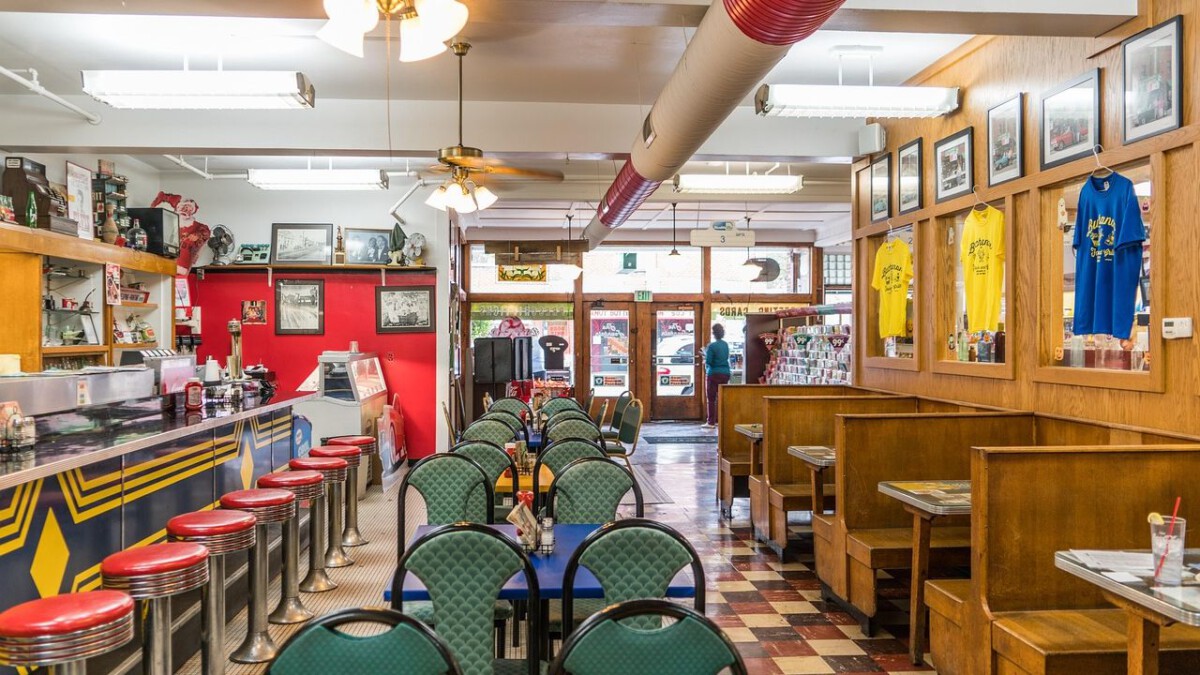

There’s something undeniable stirring along America’s highways and city streets right now. Chrome-clad buildings with neon signs. Red vinyl booths. Coffee that never runs out. The unmistakable scent of griddles and comfort. Classic American diners, those roadside icons we thought belonged only to faded postcards and nostalgia trips, are staging a comeback in a big way. It’s not just a temporary blip either. It’s a full-blown resurgence, fueled by a longing for authenticity, a renewed appetite for gathering together, and honestly, some really interesting shifts in how we eat and spend our money.
Maybe you’ve noticed it yourself. That old-style diner you used to pass on road trips? It’s been restored. Or an entirely new one has opened up with vintage appeal but modern energy. This isn’t happening by accident.
Americans Are Dining Out More Than Ever
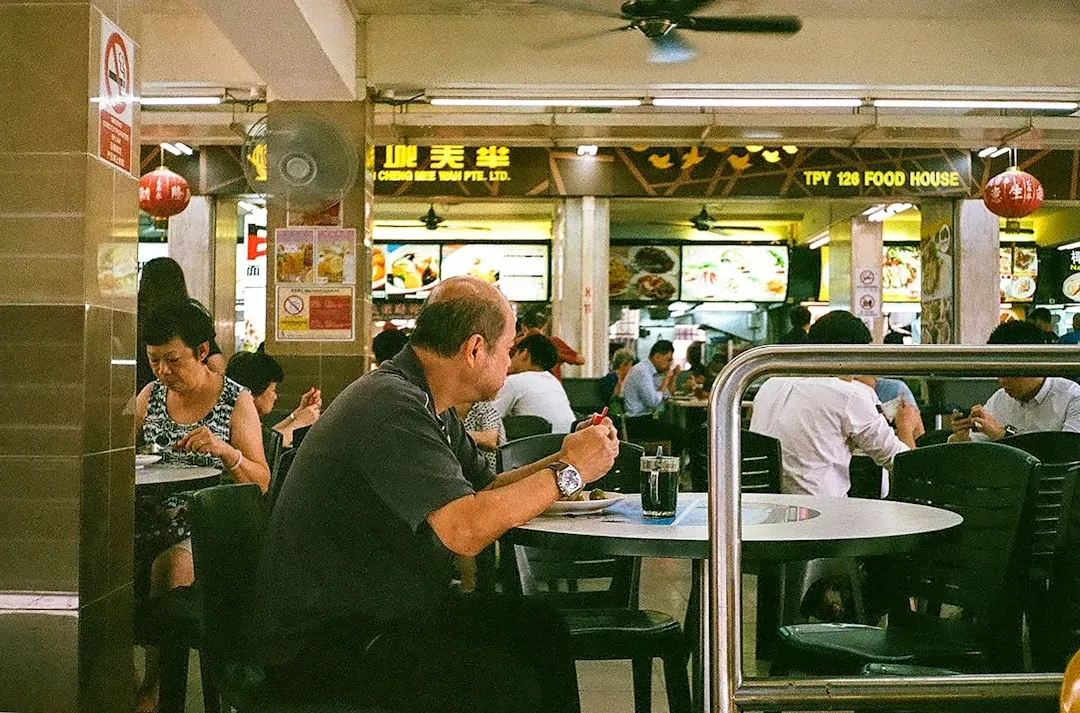
Let’s be real, people love eating out. Despite inflation and economic worries, dining frequency is actually climbing. The average American reported dining out about 5 times per month in 2024, up from 3 times per month in 2023, according to research. That’s a massive jump.
In fact, 42% of consumers say they dine out at least once a week, up from 39% last year. Even when budgets feel tight, Americans are choosing experiences over staying home. That resilience signals something deeper: we crave connection, atmosphere, and yes, that feeling you get when someone else makes your food just right.
Diners fit this moment perfectly. They offer approachable comfort without pretense, which is exactly what people are hungry for right now.
Nostalgia Marketing Is Driving Dining Choices
Nostalgia isn’t just a feeling anymore. It’s a full-blown marketing strategy, and it’s working like crazy. 75% of consumers are more likely to buy when ads evoke nostalgia, according to recent industry data. Brands across every sector are tapping into throwback vibes because people respond emotionally.
For diners, this is gold. Nostalgia has re-emerged as a stabilizing force, reshaping how consumers choose where they eat, what they order, and which brands they remain loyal to. When life feels uncertain, we gravitate toward what feels familiar and safe.
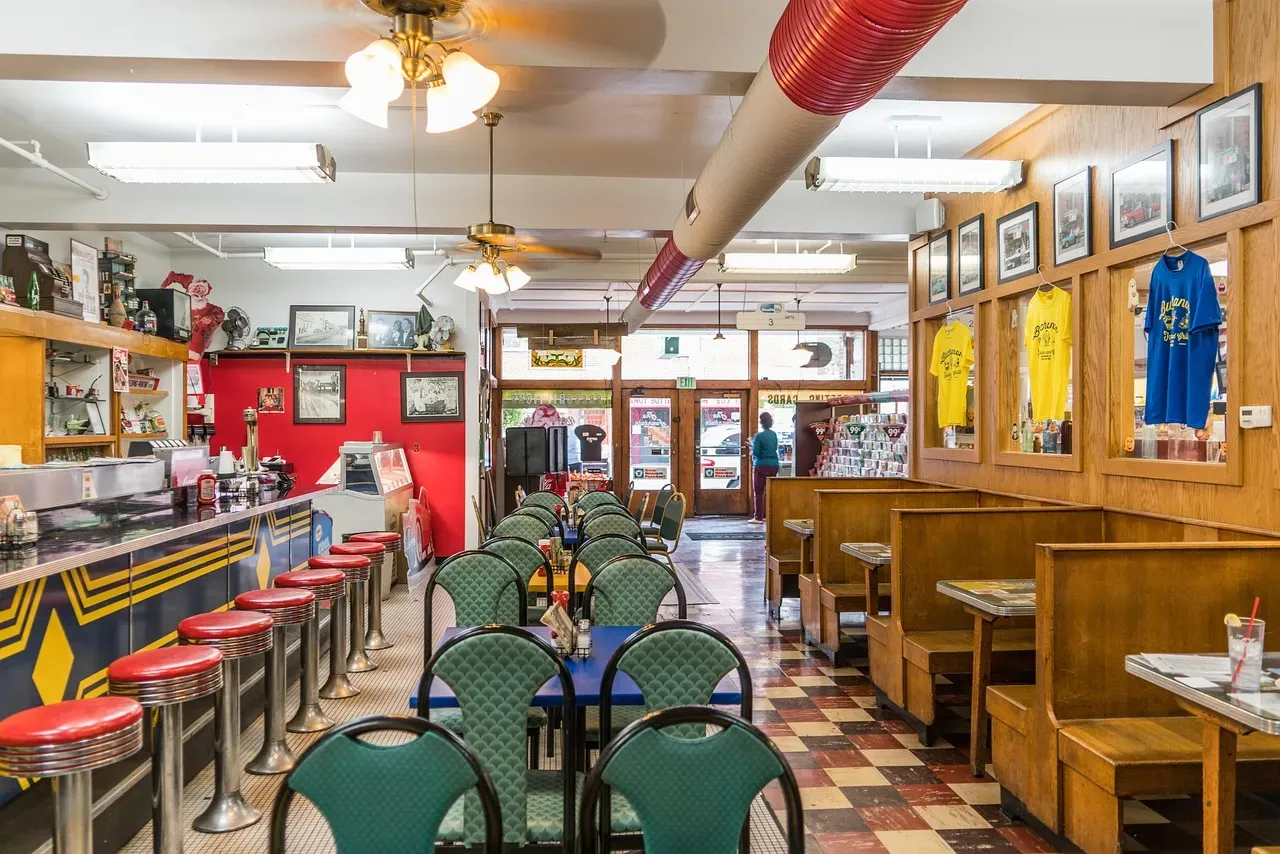
Diners embody that comfort. The checkerboard floors, the jukeboxes, the predictable menu – it all taps into something emotionally grounding. Think about it: seeing a classic diner sign lights something up inside you, doesn’t it?
Returning to Authenticity and Simple Comfort Food
Trends come and go, but right now the restaurant world is shifting back to basics. Industry watchers predict that authenticity, community, and simple comfort foods will define dining in 2025 and beyond. This aligns almost perfectly with diner culture.
In modern times, diners have enjoyed a nostalgic resurgence, as many people crave the sense of authenticity and community diners represent. You can’t fake a good diner. It either feels real or it doesn’t. That honesty matters now more than ever when so much of our world feels artificial or overly curated.
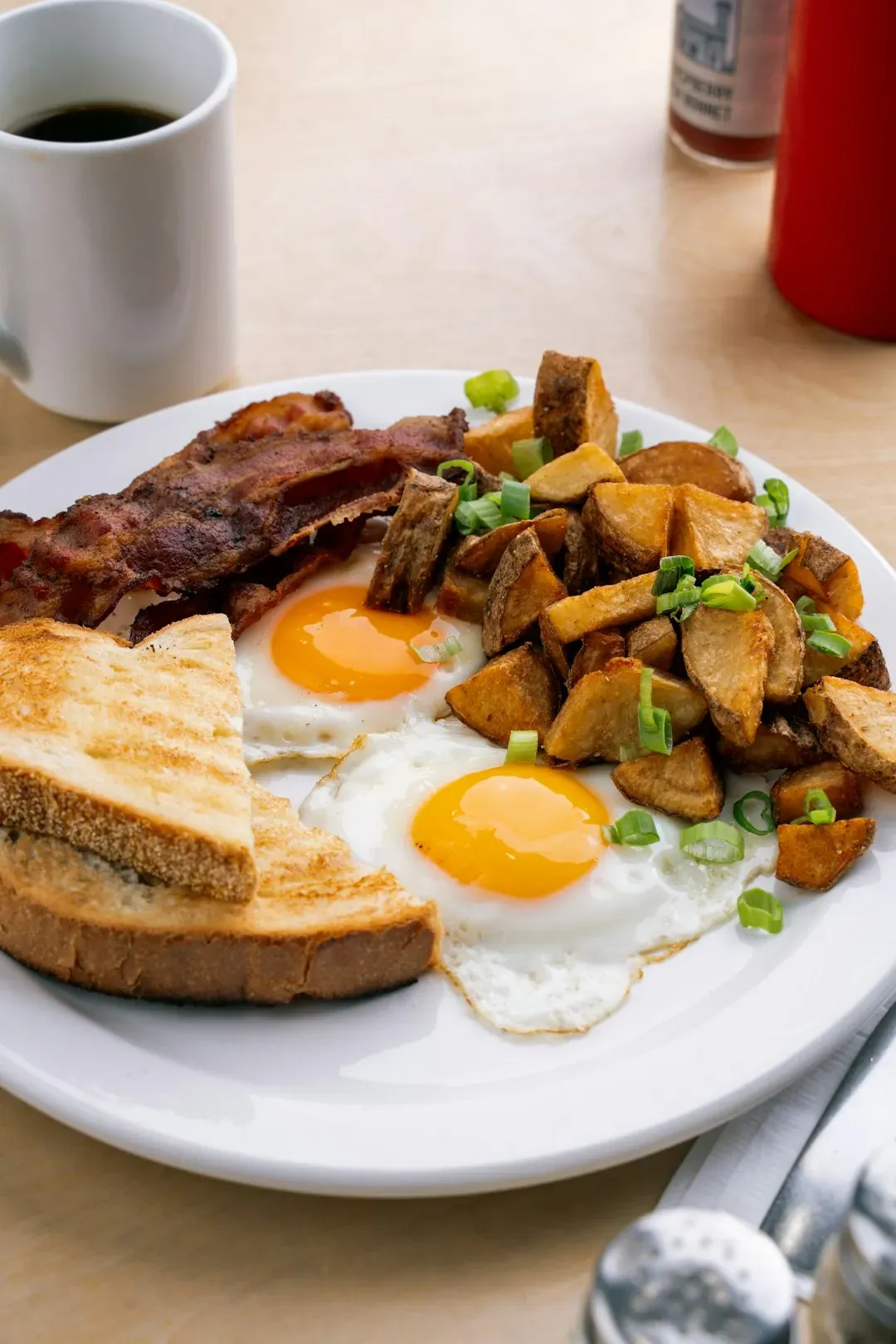
People want a burger that tastes like a burger. Coffee in an actual mug. A slice of pie that reminds them of something. Diners deliver that without apology.
The Tesla Diner Shows Modern Investment in the Format
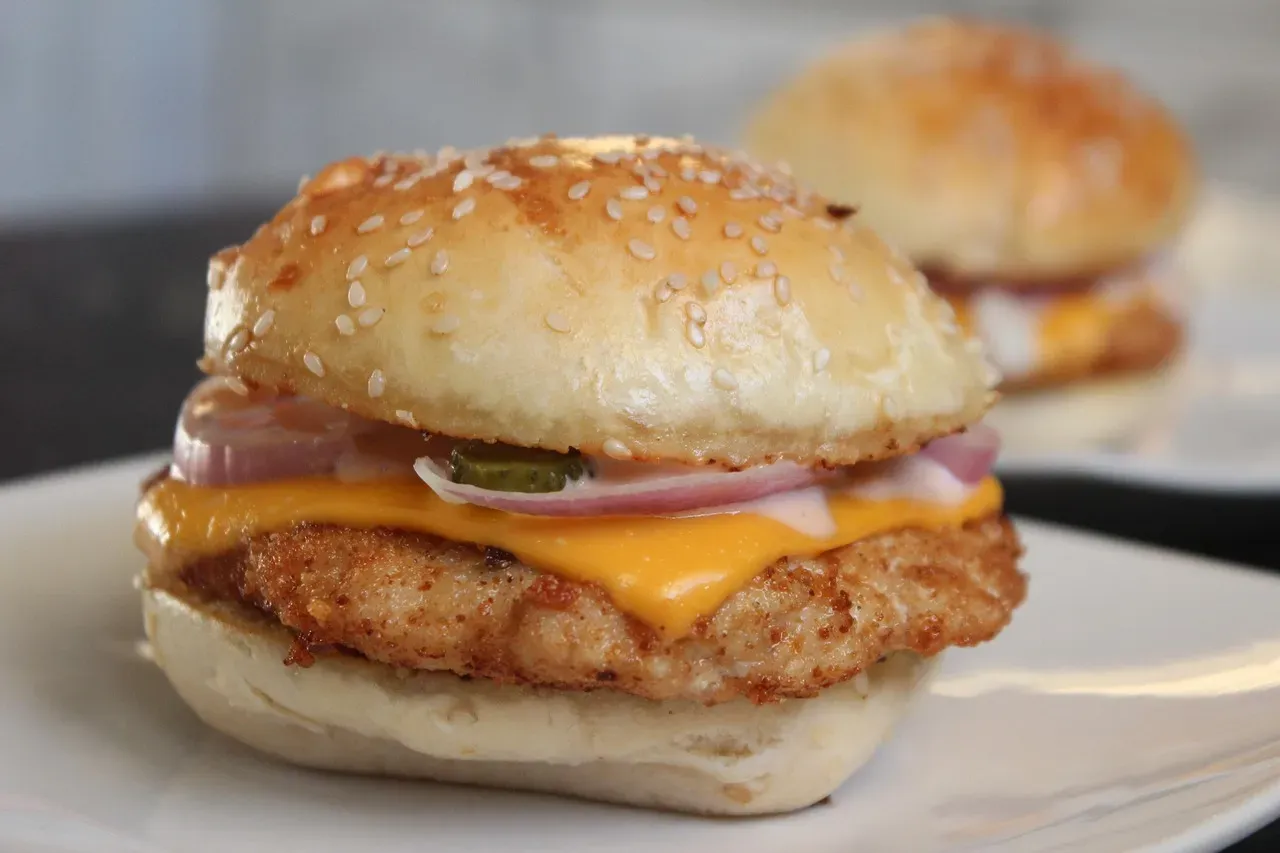
New diners aren’t just renovations of the old. Big players are betting serious money on the concept. The Tesla Diner opened on July 21, 2025 in Los Angeles, combining classic American diner food with supercharging stations and a futuristic twist. In October 2025, Tesla stated that it had sold 50,000 burgers since opening, averaging over 700 a day.
That’s not a small feat. It shows there’s genuine demand for diner-style food, even when wrapped in a high-tech package. The aesthetics leaned retro, the food was classic, and people showed up in droves. Elon Musk himself called it a blueprint for a new kind of dining destination.
Classic Chains Are Expanding With Confidence
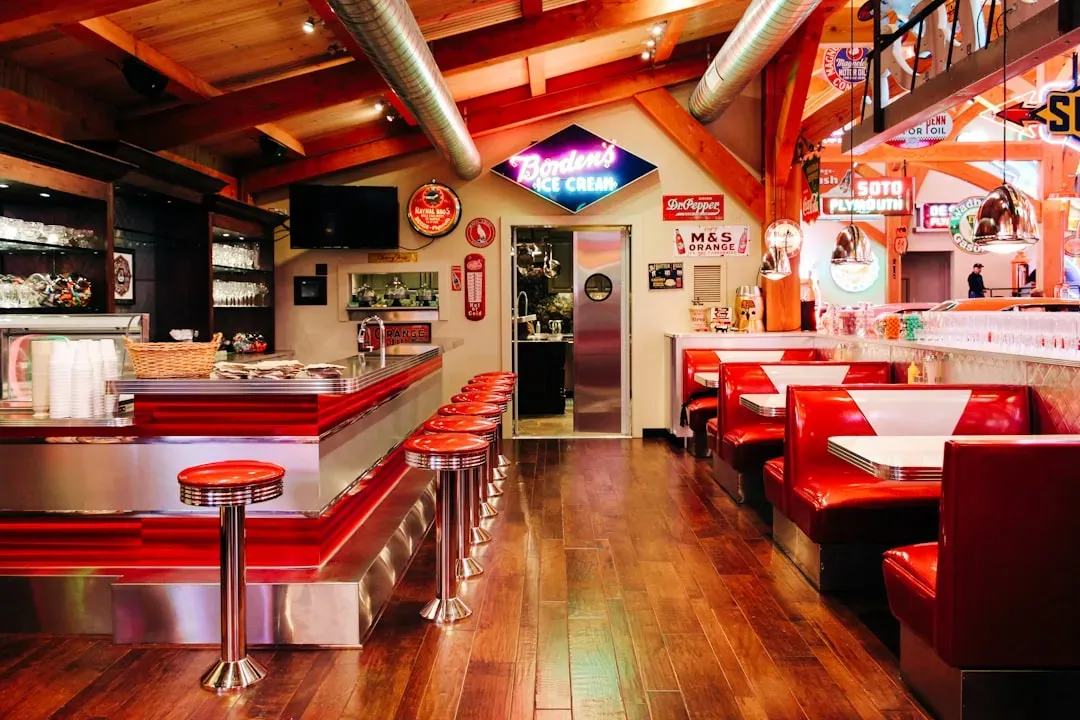
It’s not just one-off projects either. Established diner-style concepts are growing too. Gott’s Roadside, the acclaimed Napa Valley-based restaurant chain, will open a Santa Monica location in summer 2026, as part of its entry into the Southern California market after 25 years of success in the Bay Area. They’re confident enough to expand aggressively into new regions.
Food & Wine magazine dubbed Gott’s an “idealized version of the American roadside stand,” praising its blend of nostalgia and California culinary flair. The fact that they’re doubling down on the roadside aesthetic says volumes about where the market is headed.
When successful brands invest in growth, others follow. That momentum creates entire ecosystems where retro dining thrives again.
Historic Diners Are Being Saved and Restored
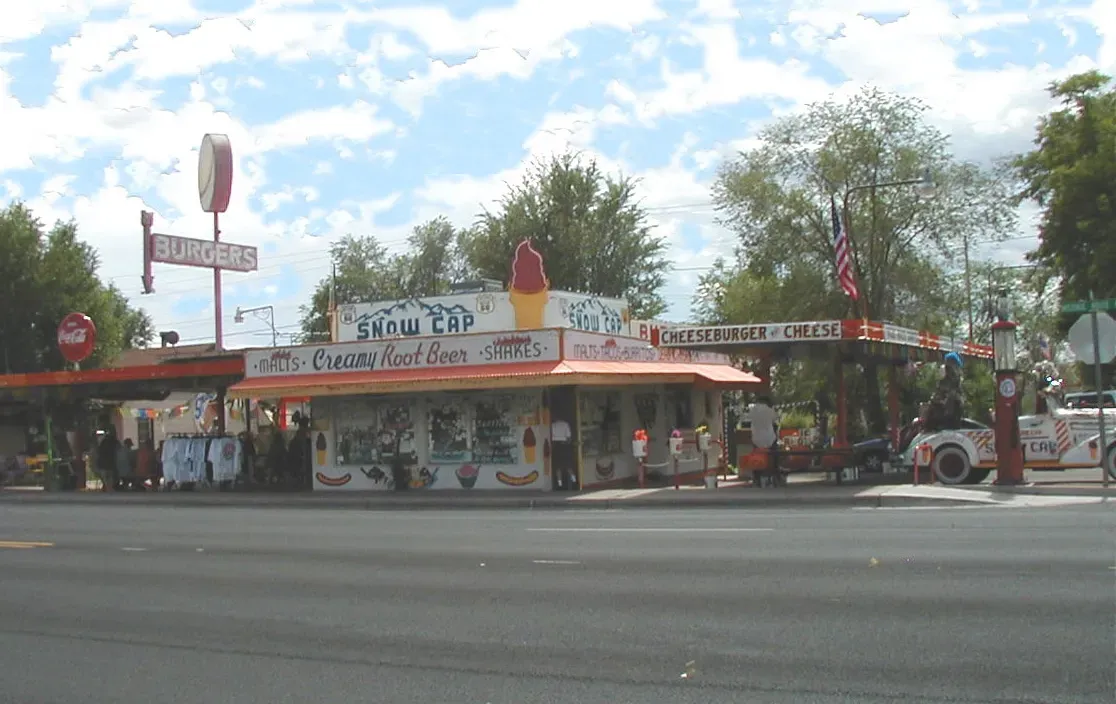
Across the country, old diners that could have been demolished are being rescued instead. Communities and investors alike see value in preserving these cultural landmarks. It’s happening everywhere from New Jersey to the Southwest.
The rise of the American road trip for leisure purposes has brought with it a widespread effort to restore some of the kitsch memorabilia along classic roads such as the now defunct Route 66, preserving historic gems such as Peggy Sue’s diner. These aren’t museum pieces either – they’re working restaurants serving real customers daily.
Restoration signals belief in longevity. People don’t spend money fixing up a diner unless they think it’ll be profitable and culturally relevant. Clearly, both boxes are being checked.
Road Trips Are Back, Boosting Roadside Stops
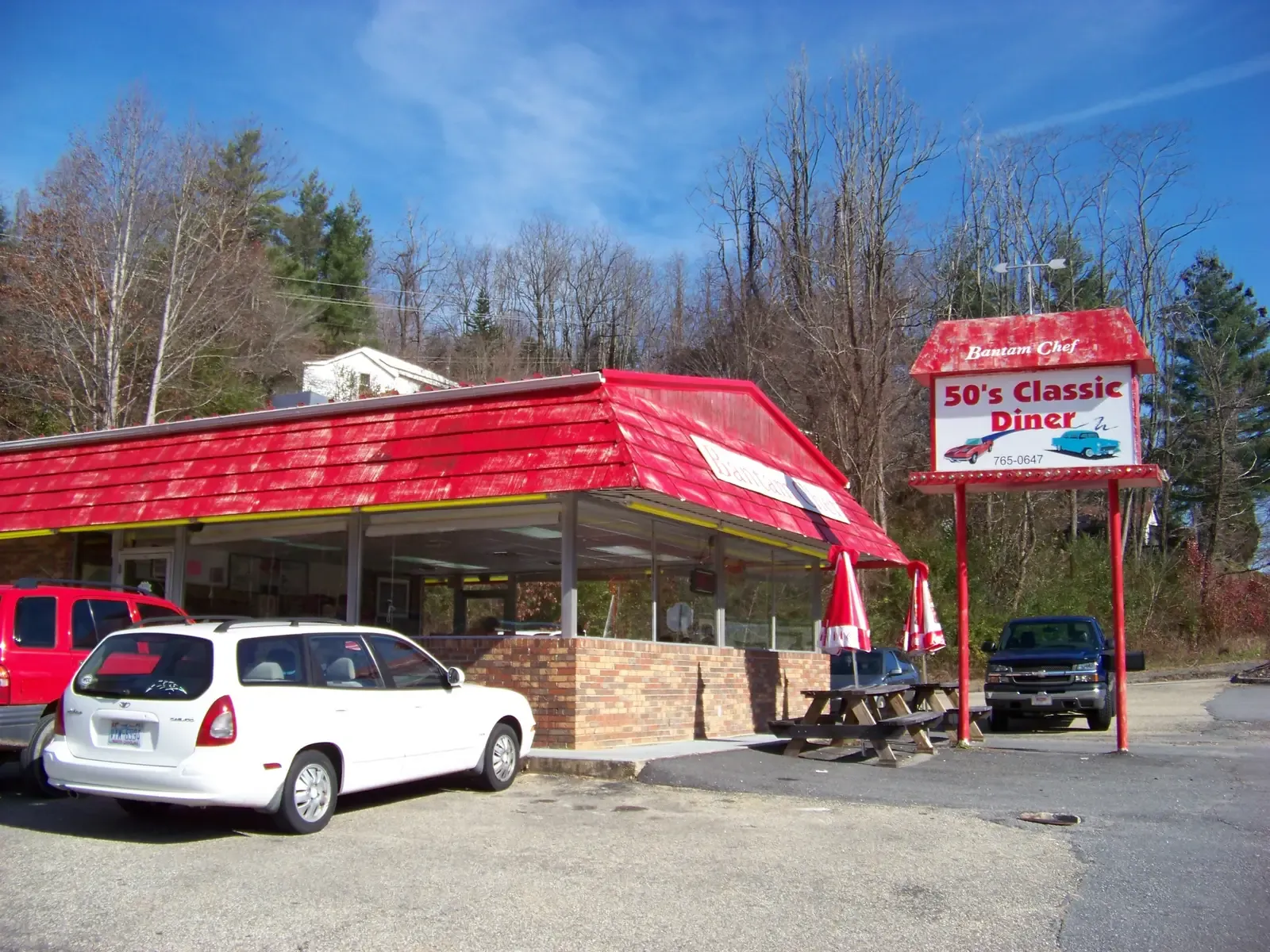
Road trip culture is evolving and growing. More people are hitting the open road for leisure travel, which naturally boosts demand for roadside dining. In 2025, travelers around the globe are falling head over heels for nostalgic escapes, as the world races forward, there’s a growing pull to slow down and slip back into the golden glow of simpler times.
Planning these trips involves selecting the right vehicle, mapping scenic routes, and savoring roadside attractions, relishing retro diners and quirky motels that dot the highways. The journey itself is part of the experience now, not just the destination. Diners become memory-makers along the way.
Think about the last time you took a long drive. Where did you stop? Chances are, if it was memorable, it wasn’t a generic chain off the interstate. It was somewhere with character. Probably a diner.
Restaurant Reservations Are Surging Industry-Wide
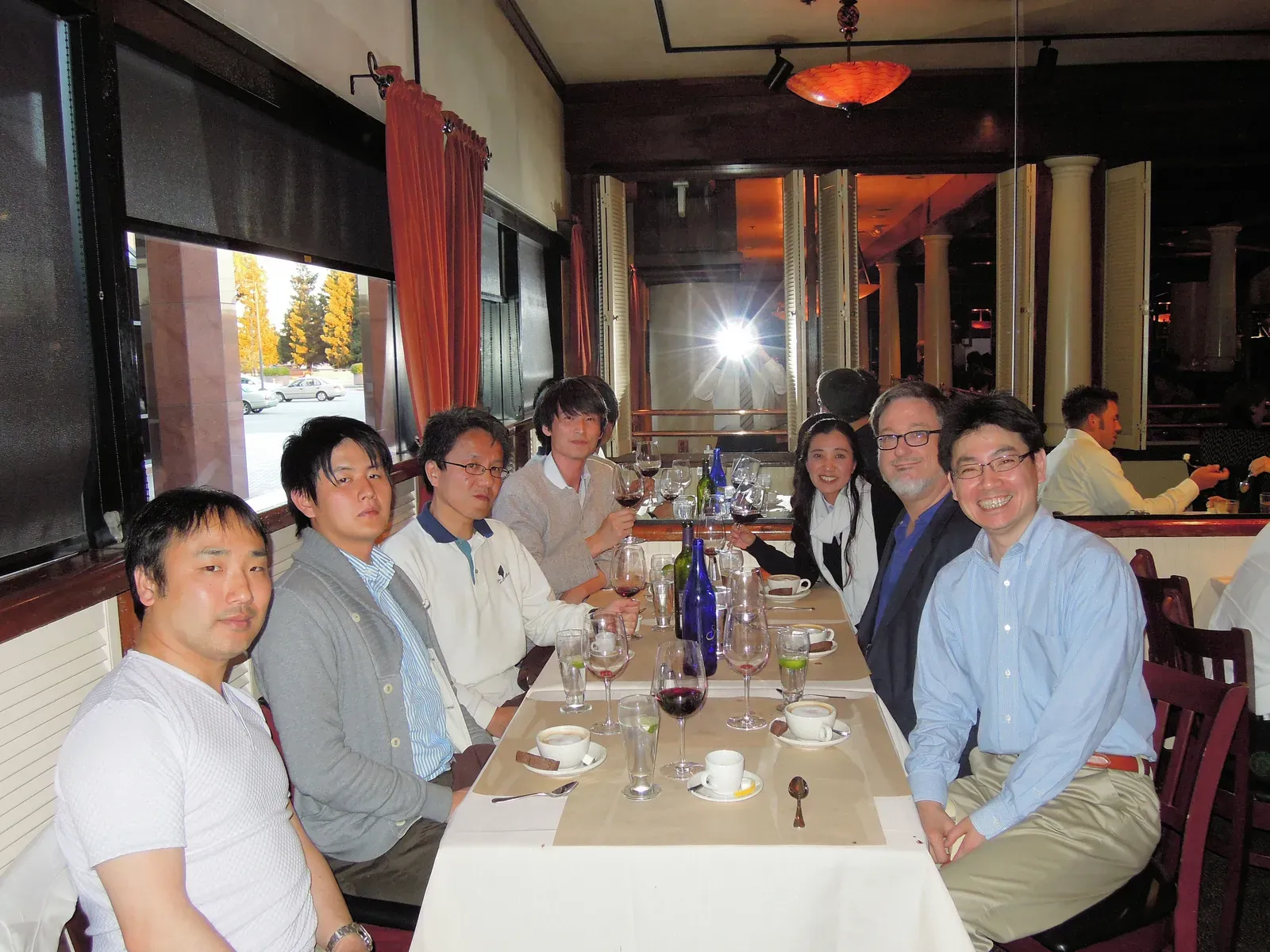
Dining momentum isn’t limited to diners alone – it’s happening across the board. A 2024 industry report showed restaurant reservations rose 21% year-over-year, signaling recovery and expansion. People are planning meals out again, treating dining as an event worth anticipating.
Diners benefit from this tide. While they’re not reservation-heavy by nature, the culture of eating out lifts all boats. When people are comfortable spending on food experiences, diners get their share of the traffic too.
Higher reservation rates also mean restaurants are investing in better service, ambiance, and quality. Diners competing in this environment are upping their game while keeping the soul that makes them special.
Retro Diners Are Becoming Global Tourist Attractions
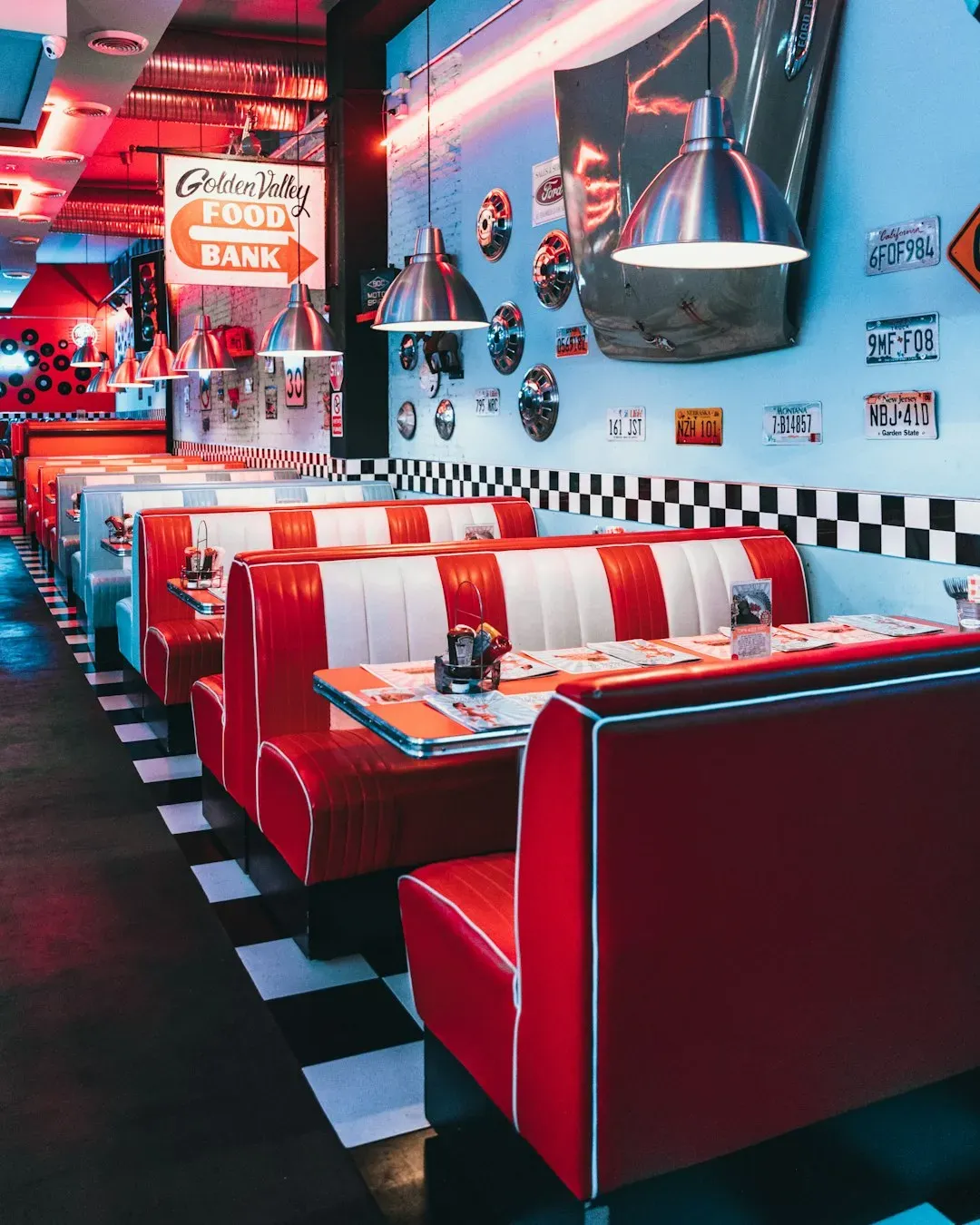
Here’s something wild: American-style diners are popping up internationally, and they’re pulling in crowds. The aesthetic, the menu, the vibe – it’s all being exported as a slice of Americana that people abroad want to experience.
This global interest reinforces the brand value of classic diners. When tourists come to the U.S., authentic roadside diners are on their bucket lists. They want the real thing, not an imitation. That demand creates cultural currency and economic incentive to keep these places alive and thriving.
It also tells us something important: the diner isn’t just nostalgic for Americans. It’s iconic. Universally recognized. That kind of cultural staying power doesn’t fade easily.
Atmosphere and Socializing Are Top Dining Motivators
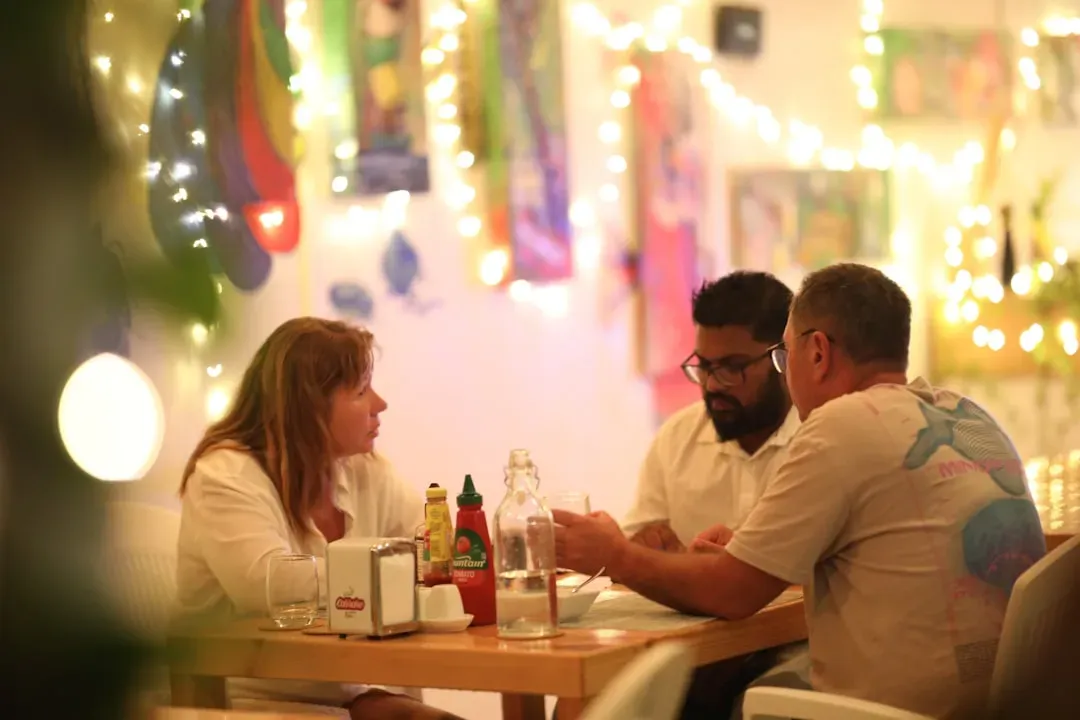
Why do people choose to dine out over ordering takeout? The appeal of dining out centers around the overall experience, with factors like atmosphere (66%), socialization (52%), and special occasions (44%) being key drivers. Food quality matters, sure, but the experience matters just as much.
Diners excel at atmosphere. The booths, the counter seating, the friendly banter with servers – it all adds up to a vibe you can’t replicate at home. You’re not just eating. You’re part of something communal.
Eating out is an emotional experience, we feel not just the food but the whole experience, we love familiarity, and chain restaurants make money because we’re comfortable – they’re like old friends, according to restaurant industry experts. That’s the diner advantage in a nutshell.
The Road Ahead for Diner Culture
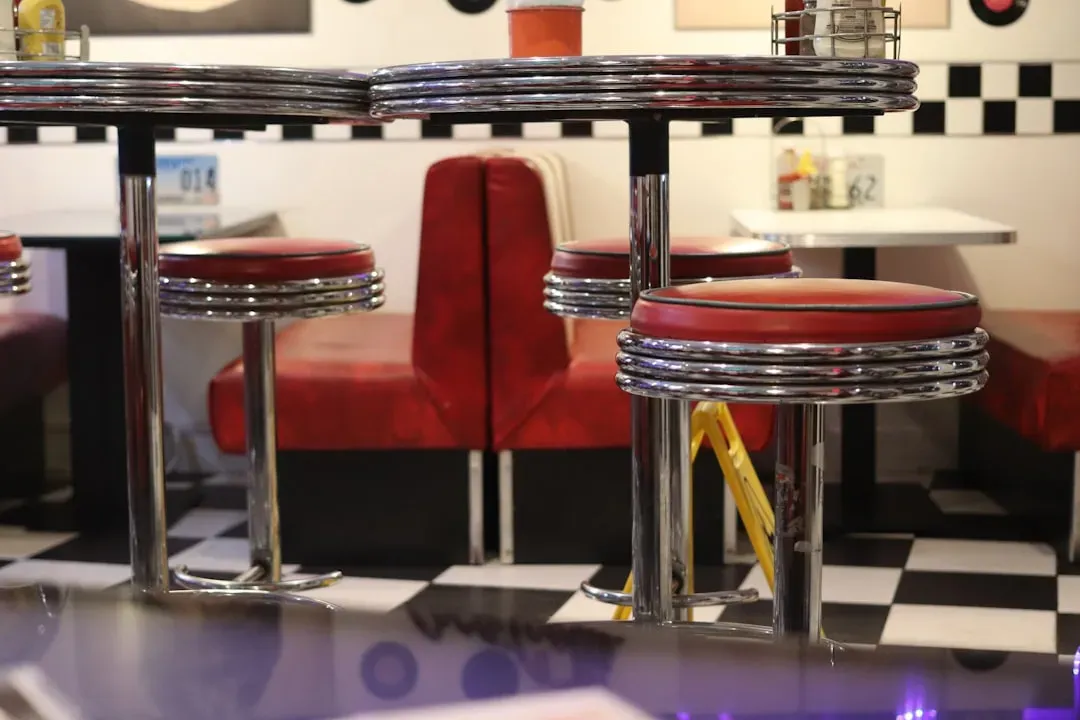
So where does this all lead? The resurgence of classic American diners isn’t a fad. It’s a cultural correction. After years of chasing trends and Instagram-worthy plating, people are returning to places that feel real. Places where you can sit down, relax, and just enjoy good food without overthinking it.
The diner embodies something we’ve been missing: simplicity with soul. Community without pretense. Flavor without fuss. As long as those values resonate – and right now, they absolutely do – diners will continue their comeback.
Whether it’s a restored gem on Route 66 or a brand-new spot blending retro aesthetics with modern touches, the diner is here to stay. And honestly? That’s exactly what we need right now. What do you think – have you noticed this shift in your own town? Let us know.