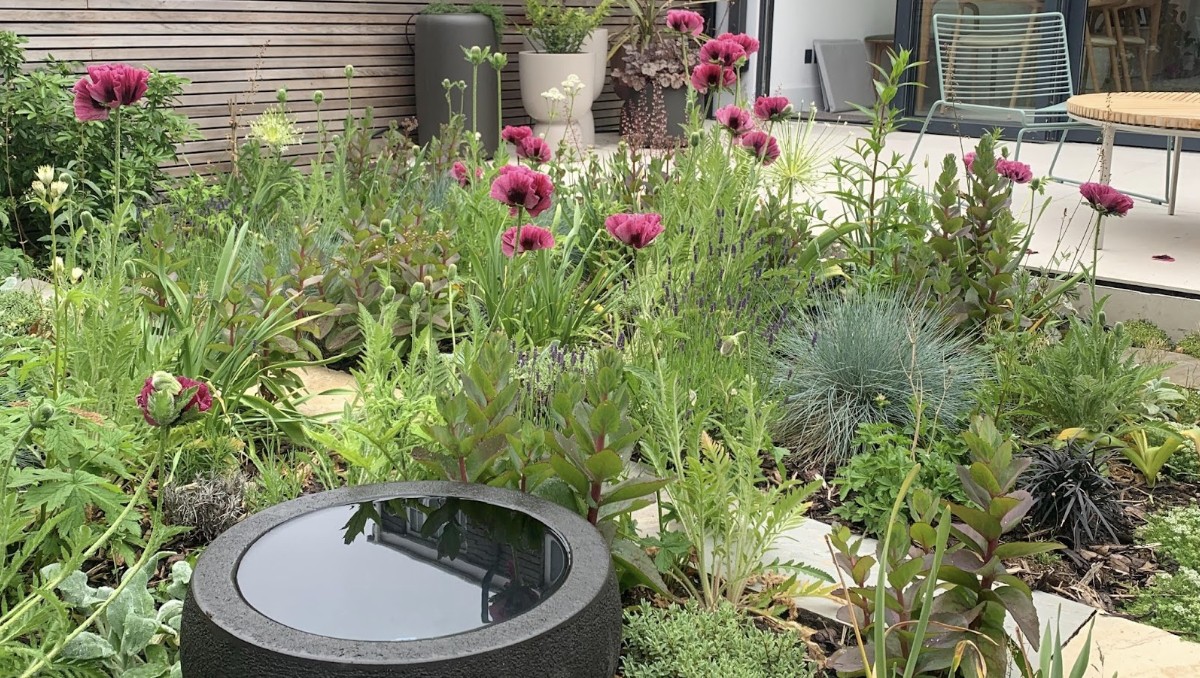
Green Spaces as Vital Urban Infrastructure (Image Credits: Hollywoodlife.com)
Cities worldwide face intensifying pressures from heatwaves, pollution, and overcrowding, yet landscape artist Mo Helmi envisions a future where integrated greenery transforms these challenges into opportunities for resilience and well-being.[1]
Green Spaces as Vital Urban Infrastructure
Almost 70% of the global population will reside in cities by 2050, a projection that underscores the critical role of functional landscapes.[1]
Helmi, founder of Tricoastal Scapes, champions biophilic design that goes beyond aesthetics. His projects cool ambient temperatures, bolster local ecosystems, and offer residents mental respite. Traditional approaches often treat sustainability as secondary, but Helmi insists on systems where plants, soil, and water cycles operate cohesively over decades. This method positions nature not as decoration, but as a core element supporting livable urban areas.
A Fashion Background Fuels Landscape Innovation
Helmi’s 15 years in fashion design across London and Milan equipped him with unique insights into human perception and storytelling.[1]
Gardens always inspired his earlier work, bridging creativity with environmental passion. Clients sometimes doubt whether ecological priorities compromise visual appeal, yet Helmi counters this through vivid visualizations. He helps them envision immersive, harmonious spaces. Now operating between London and Los Angeles, he applies these skills to craft narratives that elevate green design. His transition proved challenging, with initial skepticism from industry veterans, but persistence turned obstacles into strengths.
Transforming Waste Land into Thriving Forests
The Soho Farmhouse Reforestation Project exemplifies Helmi’s impact, converting a disused construction yard into a dense, rewilded forest centered on a wellness glade.[1]
Employing the Miyawaki technique, the initiative rapidly matured the ecosystem and enhanced biodiversity. Helmi described the outcome as profoundly rewarding during a Soho Summit panel. Underutilized sites thus emerge as valuable community assets. This project blends scientific precision with artistic flair, proving scalable potential for urban renewal. Details appear on the project page.
Addressing Fires and Shifting Mindsets
Southern California’s recent wildfires highlight the demand for fire-resilient landscapes that remain attractive.[1]
Helmi integrates these considerations into broader public health dialogues. His vision extends further: elevating urban greenery to the prestige of luxury icons. “If I achieve changing the mindset to where people value attaining the ownership of a green space as much as they wish to attain owning a Birkin,” he stated, “then it is a massive achievement.”[1]
Such ambition drives Tricoastal Scapes toward innovative, enduring solutions.
Key Takeaways
- Biophilic designs deliver cooling, biodiversity, and well-being benefits as integrated systems.
- Miyawaki methods accelerate forest growth on marginal urban land.
- Helmi aims to make green spaces cultural status symbols amid climate threats.
Mo Helmi’s work signals a pivotal shift, where urban development harmonizes with nature to foster sustainable prosperity. What steps can your city take toward similar transformations? Share your thoughts in the comments.