Abbott Targets CAIR in Sweeping Move (Image Credits: Upload.wikimedia.org)
Texas – Governor Greg Abbott’s proclamation labeling a prominent Muslim advocacy organization as a terrorist entity has intensified fears of harassment and surveillance among the state’s Muslim residents.
Abbott Targets CAIR in Sweeping Move
On November 18, 2025, Governor Greg Abbott issued a proclamation that branded the Council on American-Islamic Relations (CAIR) a terrorist organization and a front for Hamas.[1]
The action prohibited CAIR from purchasing land in Texas and prompted further measures, including a letter to Treasury Secretary Scott Bessent seeking revocation of its tax-exempt status. Texas Attorney General Ken Paxton later filed a lawsuit in early 2026 to halt CAIR’s operations statewide. The state comptroller also moved to exclude private schools affiliated with CAIR from voucher programs. These steps followed heightened scrutiny of CAIR amid its involvement in pro-Palestinian activism. Critics within the Muslim community described the proclamation as a publicity stunt designed to rally political support.[1]
CAIR’s Longstanding Civil Rights Work
CAIR, established in 1994, serves as the nation’s largest Muslim civil liberties group, handling legal aid, tracking hate crimes, and fostering government ties with Muslim communities. The organization has managed around 8,000 civil rights complaints annually since 2023, many linked to advocacy efforts.[1]
Edward Ahmed Mitchell, CAIR’s national deputy director, highlighted the group’s consistent stance against terrorism, noting that ISIS once threatened its leader. He pointed out that CAIR has condemned both Hamas attacks on Israeli civilians and Israeli actions in Gaza. Mustafaa Carroll, executive director of CAIR’s Dallas-Fort Worth chapter, emphasized encouraging Muslim political participation as a core American value. Despite federal disavowal after remarks by national executive director Nihad Awad following the October 7 attacks, CAIR persisted in its advocacy.[1]
Escalating Harassment and Surveillance Fears
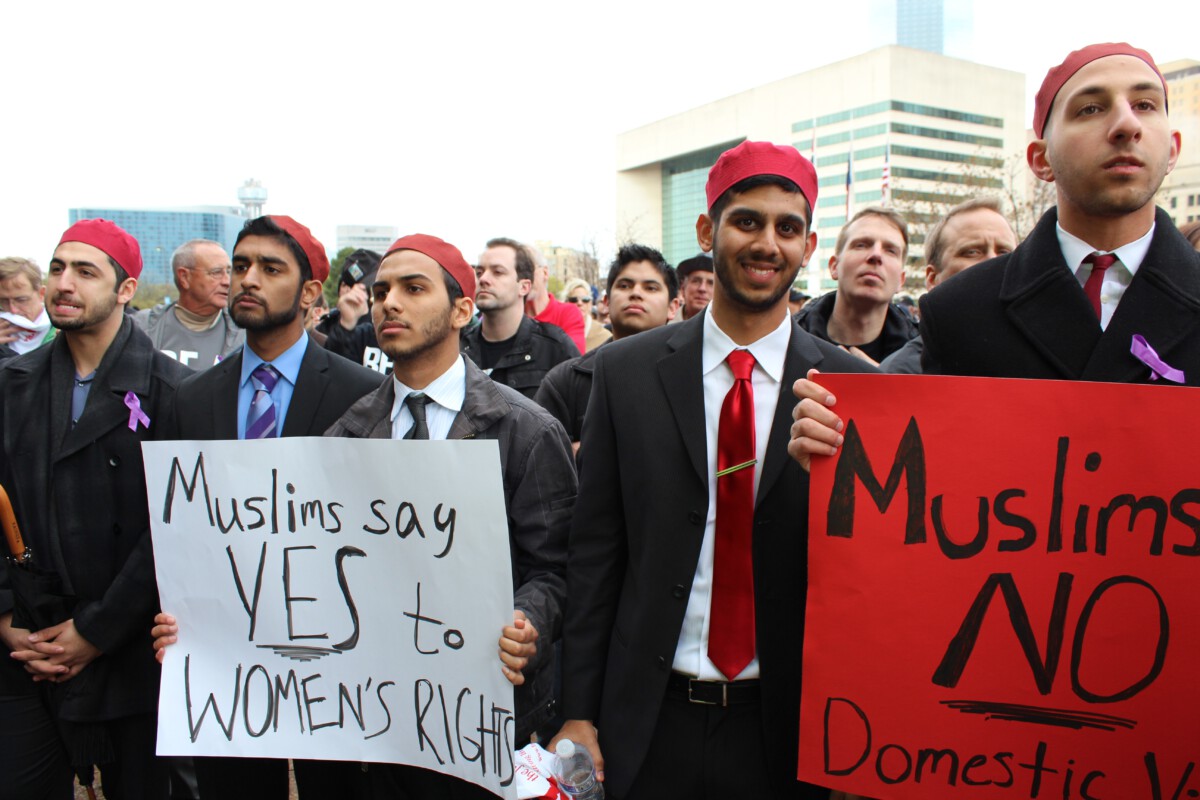
Muslim families in Texas reported growing apprehension over potential retaliation for exercising free speech, particularly on Palestinian issues. State Representative Salman Bhojani, one of the first Muslim lawmakers in the Texas Legislature, warned that such moves aimed to dismantle organizations giving Muslims a voice.[1]
University of Houston senior Ibrahim Islam described a community resolve to support CAIR due to its history of defense during vulnerable times. Patterns of scrutiny echoed post-9/11 eras and recent battles, such as opposition to the East Plano Islamic Center’s housing expansion, falsely portrayed as a “Sharia city.” Inflammatory rhetoric from figures like former Tarrant County GOP chairman Bo French added to the tensions. Carroll noted that officials sought to bar Muslims from politics entirely.[1]
Legal Challenges and Widespread Backlash
CAIR responded with a federal lawsuit against Abbott, alleging violations of First Amendment rights and overreach of executive authority. The group had previously won three lawsuits against his office over speech restrictions. A coalition including the ACLU of Texas, Texas Democratic Party, and lawmakers like Bhojani rallied in support.[1]
Bhojani stressed the need to combat terrorism without sowing suspicion, declaring, “It’s about sowing suspicion.” Similar actions occurred in Florida under Governor Ron DeSantis. Mitchell warned that the efforts threatened all advocacy groups nationwide. Community leaders voiced a unified outcry against what they called bigoted and unlawful tactics.
Key Takeaways
- Abbott’s November 2025 proclamation barred CAIR from land purchases and spurred investigations.
- CAIR handles thousands of civil rights cases yearly while facing terror accusations.
- Muslim Texans report heightened fears amid political smears and legal battles.
As legal fights unfold, Texas Muslims remain vigilant against efforts to marginalize their voices. The controversy underscores broader debates over civil liberties and political expression. What steps should leaders take to protect communities from targeted suspicion? Share your thoughts in the comments.