Your brain is one of the most fascinating organs in your body, constantly working to process information, store memories, and keep you functioning. Yet here’s the thing: you don’t need expensive supplements or complicated routines to keep it in top shape. Nature has already provided plenty of tools to help maintain cognitive health throughout your life.
Scientists have learned quite a bit about what actually works when it comes to protecting your mind. The evidence keeps pointing back to simple, practical habits that anyone can adopt. Let’s be real, keeping your brain healthy doesn’t have to be rocket science. From what you eat to how you move and even how you interact with others, these natural strategies can make a genuine difference in how your brain ages and performs.
Get Moving for a Sharper Mind

Physical activity can improve memory and reduce anxiety or depression, with regular exercise also improving signs of brain health. This isn’t just about going to the gym five times a week. Exercise significantly improved general cognition, memory, and executive function across various populations in a comprehensive 2025 research review.
What makes exercise so powerful for your brain? Aerobic exercise such as running and cycling can enhance brain plasticity through increasing gray matter volume in the cerebellum and temporal lobe. Think of it this way: when you move your body, you’re essentially giving your brain a tune-up. Blood flow increases, new brain cells form, and toxic proteins that could harm your brain get cleared away more efficiently.
You don’t have to become a marathon runner. Even low-intensity exercise like yoga or walking can improve cognition, with clear gains within one to three months. The key is consistency, not intensity.
Embrace the Mediterranean Way of Eating

There’s something special about the way people eat in countries bordering the Mediterranean Sea. The Mediterranean diet, characterized by high consumption of fruits, vegetables, whole grains, fish, and olive oil, has been widely recognized for its cardiovascular benefits and may also reduce the risk of cognitive decline and dementia.
Research from 2024 shows just how protective this eating pattern can be. There is a 30% reduction in the incidence of Alzheimer’s disease associated with adherence to the Mediterranean diet according to meta-analysis findings. That’s a substantial benefit from simply changing what’s on your plate.
What makes this diet work? It’s likely the combination of antioxidants from colorful vegetables, healthy fats from olive oil and fish, and minimal processed foods. Researchers estimate that there may be as much as a three-and-a-half-year delay in progression of Alzheimer’s disease in people who have eaten a Mediterranean diet for many years. Honestly, that’s remarkable when you think about it.
Prioritize Quality Sleep Every Night

Sleep isn’t just downtime for your body. While you’re snoozing, your brain is incredibly busy. The glymphatic system acts as a glial-dependent waste clearance pathway in the brain to drain away soluble waste proteins and metabolic products, with the mechanism for waste clearance occurring primarily during slow wave sleep.
Think of sleep as your brain’s nightly cleaning service. The glymphatic fluid system is a network primarily active and enhanced during sleep that promotes the removal of toxic proteins and waste metabolites from the brain. Without adequate sleep, these toxins can accumulate, potentially contributing to cognitive decline over time.
How much sleep do you actually need? Most adults function best with seven to nine hours per night. Recent 2024 neurology research continues to support this range for optimal memory consolidation and brain health. It’s hard to say for sure, but skimping on sleep regularly might be one of the worst things you can do for your long-term brain health.
Stay Connected with Others

Humans are social creatures, and your brain thrives on connection. The strongest evidence for an association of social connections with lower risk of cognitive decline was related to social engagement and social activities. This isn’t just about having people around; it’s about meaningful interaction.
One study found a 70 percent reduction in the rate of cognitive decline in people who were frequently socially active compared with those who were less connected. Let that sink in for a moment. Simply maintaining friendships and staying engaged with your community could be one of the most powerful brain health strategies available.
Why does socializing matter so much? Social behavior activates the same areas of the brain involved in thinking and memory, so the more socially engaged you are, the stronger those cognitive networks will become. Whether it’s joining a book club, volunteering, or just having regular coffee dates with friends, these interactions keep your mind sharp.
Manage Stress Before It Manages You

Stress is unavoidable, but chronic stress? That’s a different story. Exposure to chronic stress contributes considerably to the development of cognitive impairments in psychiatric disorders, and even in healthy individuals, prolonged stress takes a toll on the brain.
The culprit is often cortisol, your body’s primary stress hormone. Stress activates the hypothalamic-pituitary-adrenal axis and increases cortisol, affecting brain regions crucial for memory and decision-making. Over time, elevated cortisol can actually shrink parts of your brain involved in memory formation.
Elevated glucocorticoid levels are associated with memory performance decline in both normal and pathological cognitive aging. The good news? Managing stress through techniques like meditation, deep breathing, or even just regular exercise can help keep cortisol in check and protect your cognitive function.
Challenge Your Brain Regularly

Your brain, much like your muscles, operates on a “use it or lose it” principle. Engaging in mentally stimulating activities throughout your life builds what researchers call cognitive reserve. This reserve acts like a buffer, helping your brain remain resilient even as you age.
Learning new skills, solving puzzles, reading challenging material, or picking up a new language all contribute to this reserve. The key is novelty and challenge. Doing the same crossword puzzle every day might not be as beneficial as trying completely new mental activities that push you outside your comfort zone.
Research from cohort studies spanning 2023 to 2025 consistently shows that lifelong learning and mentally stimulating activities are associated with greater cognitive reserve. Think of it as building mental savings that you can draw on later in life. The more you challenge your brain now, the more resilient it becomes.
Keep Your Heart Healthy

Here’s something that might surprise you: what’s good for your heart is good for your brain. The connection makes sense when you think about it. Your brain relies on a steady supply of oxygen-rich blood, and anything that damages your cardiovascular system can harm your brain too.
The American Heart Association emphasizes that managing blood pressure supports cognition. High blood pressure, diabetes, smoking, and high cholesterol all increase your risk for cognitive decline and dementia. These vascular risk factors can damage the small blood vessels in your brain, reducing blood flow and potentially leading to what’s called vascular dementia.
Taking care of your cardiovascular health doesn’t require anything exotic. Regular exercise, a healthy diet, not smoking, and managing conditions like hypertension and diabetes go a long way. Your brain and your heart are intimately connected, and protecting one protects the other.
Spend Time in Nature

There’s something deeply restorative about being outdoors. Recent behavioral science research has linked exposure to nature and time outdoors to improved attention, mood, and reduced mental fatigue. It’s not just about getting fresh air, though that helps too.
When you’re in natural settings, your brain can shift into a different mode. The constant demands for attention that characterize modern indoor life diminish, allowing your mind to rest and recover. Some researchers call this “attention restoration,” and it’s a real phenomenon backed by neurological studies.
You don’t need to hike mountains or camp in the wilderness, though those activities certainly count. Even spending time in urban parks, walking tree-lined streets, or tending a garden can provide cognitive benefits. The key is regular exposure to green spaces and natural environments.
Limit Alcohol Consumption

Let’s be honest about alcohol and brain health. Global health agencies report that heavy drinking is associated with increased risk of cognitive decline and neurological damage. The evidence is clear and consistent across multiple studies conducted through 2025.
Alcohol affects the brain in several ways, none of them beneficial when consumed excessively. It can interfere with the formation of new memories, damage brain cells over time, and contribute to brain shrinkage, particularly in areas important for memory and executive function. Heavy drinking also increases the risk of stroke, which can devastate cognitive abilities.
This doesn’t necessarily mean complete abstinence for everyone, but moderation is key. If you do drink, keeping it to small amounts and avoiding binge drinking patterns can help protect your brain. For some individuals, especially those with certain health conditions or family histories, avoiding alcohol altogether might be the wisest choice.
Address Hearing and Vision Problems
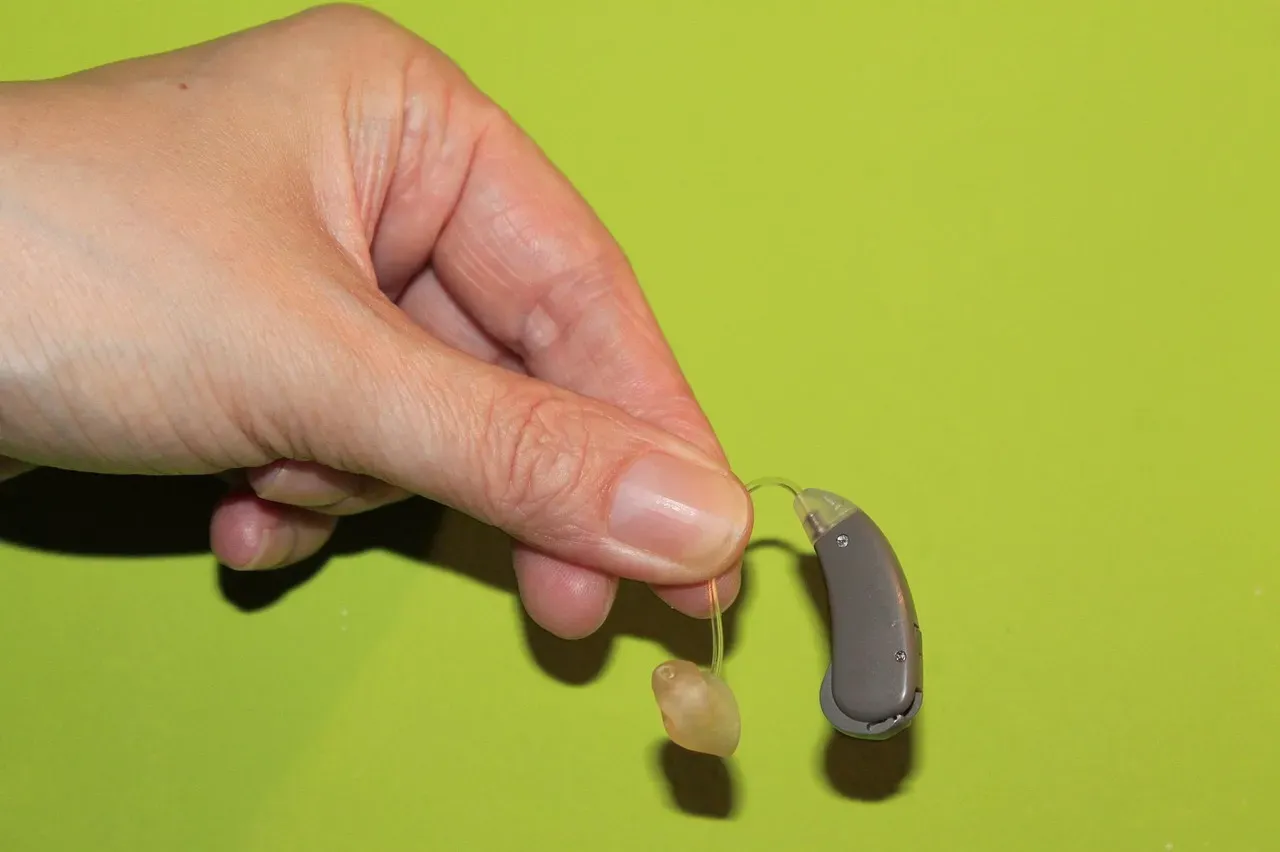
This one often gets overlooked, but sensory health plays a surprisingly important role in cognitive function. The Lancet Commission’s 2023 report estimated that roughly a substantial portion of dementia cases may be preventable by addressing modifiable lifestyle factors, which include sensory impairments along with physical inactivity, diet, and social isolation.
When you can’t hear or see well, your brain has to work harder to make sense of the world around you. This increased cognitive load can tire your brain out and leave fewer resources for other mental tasks. Additionally, sensory impairments can lead to social isolation because communication becomes difficult, which as we’ve seen, has its own cognitive risks.
Getting your hearing and vision checked regularly and using corrective devices when needed isn’t vanity. It’s brain health maintenance. Modern hearing aids and glasses are more effective and less obtrusive than ever before. Using them helps keep your brain engaged with the world without unnecessary strain.
Conclusion
Protecting your brain doesn’t require complicated interventions or expensive treatments. The most powerful strategies are often the simplest: move your body regularly, eat plenty of colorful vegetables and healthy fats, sleep well, stay connected to others, and keep your mind engaged and challenged.
What strikes me most about brain health research is how interconnected everything is. Physical activity helps you sleep better, which supports memory. Social engagement reduces stress, which protects your brain. A healthy diet supports cardiovascular health, which ensures good blood flow to your brain. It all works together.
The choices you make today about how you live, eat, move, and connect with others shape your cognitive future. That might sound daunting, yet it’s actually empowering. You have considerable control over your brain health trajectory. What small change could you make today that your future self would thank you for?